
Film
Allegro Barbaro
- Period drama
- Very dark
A Hungarian historical drama spanning three decades, from forest flight to Nazi occupation. Director Béla Tarr's visual storytelling transforms a village tragedy into a meditation on betrayal, ideology, and complicity. Deliberately paced, shot in stark black and white, this is cinema for viewers drawn to European art film and historical weight.
Should you watch it?
Watch it if you are drawn to films where ritual, folk music and carefully staged long takes carry the meaning, and you don't need the plot spelled out to feel it.
Skip it if you want a story that moves briskly from cause to consequence; this is slow, stylised and more interested in ritual and gesture than in explaining its politics.
What it asks of you: Seventy-three minutes, but most scenes are long, deliberate arrangements of figures moving across open land, so it rewards patience more than close plot tracking.
Not sure? Find tonight's pick in a minute.
If you liked this
The Turin Horse2011
Tarr's final film, equally austere and unsparing. A woman and man in a tower endure the collapse of their world. Hypnotic long takes and moral bleakness that rewires how you watch cinema.
But Glacially slow, almost no plot, and the worldview is bleak beyond conventional drama. Not a film that offers comfort or easy answers.

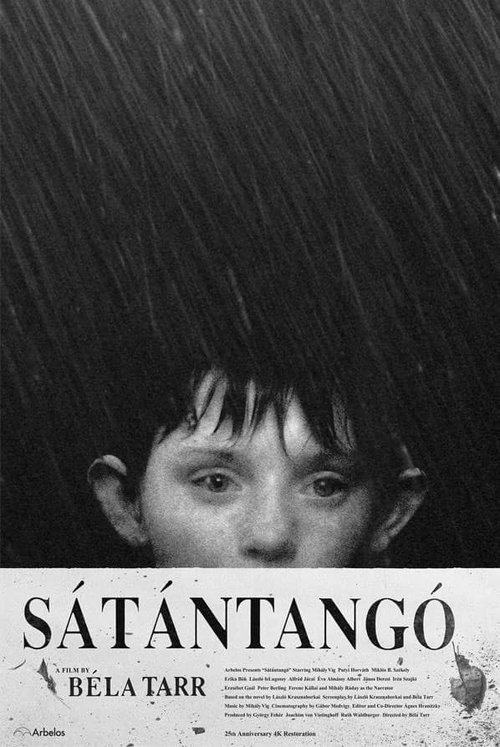
Satantango1994
Tarr's seven-and-a-half-hour masterpiece about a community unraveling after a con man returns. Every shot is architectural, every silence heavy with meaning. Hypnotic rather than exhausting.
But Its length is real. You need patience, silence, and a willingness to sit with boredom as an aesthetic experience, not something to escape.
Come and See1985
Soviet war film that treats the Holocaust and Nazi occupation with unbearable honesty. A boy's destruction parallels a nation's. Devastating, technically brilliant, impossible to forget.
But Genuinely hard to watch. Not for historical interest alone—this demands emotional endurance and confrontation with atrocity.

Not sure tonight? Get a pick in a minute, starting from Allegro Barbaro
The wildcard
Something you would not have found on your own.
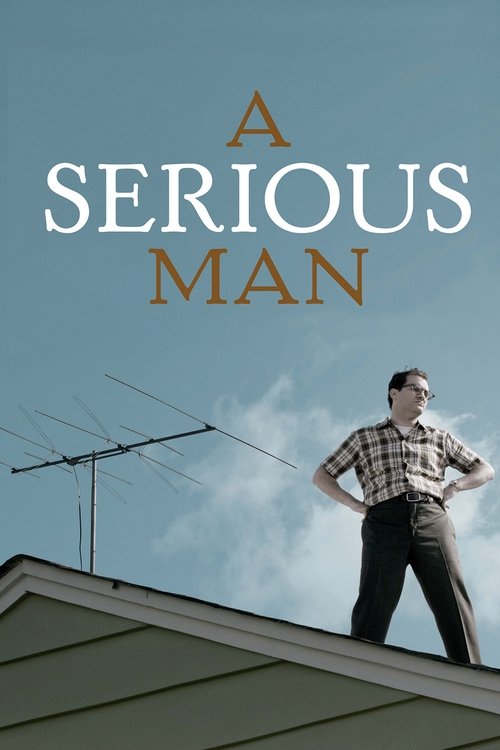
A Serious Man2009
Both films argue that ideological systems—whether historical, religious, or political—fail the people who submit to them. Meaning collapses under scrutiny. The individuals left behind are collateral.
Coen Brothers' Midwestern Jewish theodicy: a man's life collapses for no reason while he searches for meaning in systems that offer none. Formal precision and dark comedy mask unbearable sadness. A riposte to faith itself.
But The humor undercuts the tragedy for some viewers. The ending resolves nothing and may feel like a shrug rather than art.
More like this (7)
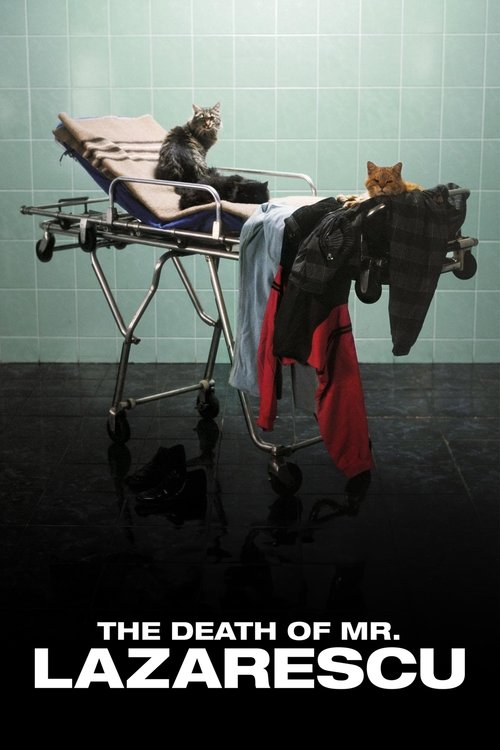
The Death of Mr. Lazarescu2005
Romanian hospital odyssey following an elderly man's collapse and bureaucratic nightmare. Compassion without sentimentality, black humour, and the slow erosion of dignity. Extraordinary.
But Nearly two hours of watching an old man suffer in waiting rooms. The humor is dark enough to feel cruel if you're not prepared for it.
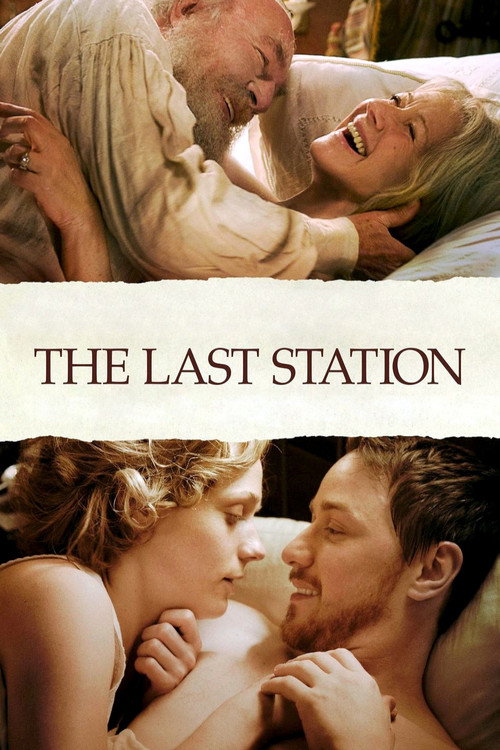
The Last Station2009
Tolstoy's final days as ideology, marriage, and faith collide. Visually sumptuous unlike Allegro Barbaro, but the same moral clarity about how belief systems destroy the people they claim to serve.
But The staging is theatrical and occasionally sentimental. It reaches for emotion in ways Tarr never would, which some will find dishonest.
Kes1970
Ken Loach's masterpiece about a working-class boy and his hawk. Neorealist texture, naturalistic performances, deep compassion for people discarded by the system. Heartbreaking without manipulation.
But British social realism can feel distant in its regional specificity. The ending is brutal, and there's no redemption waiting.

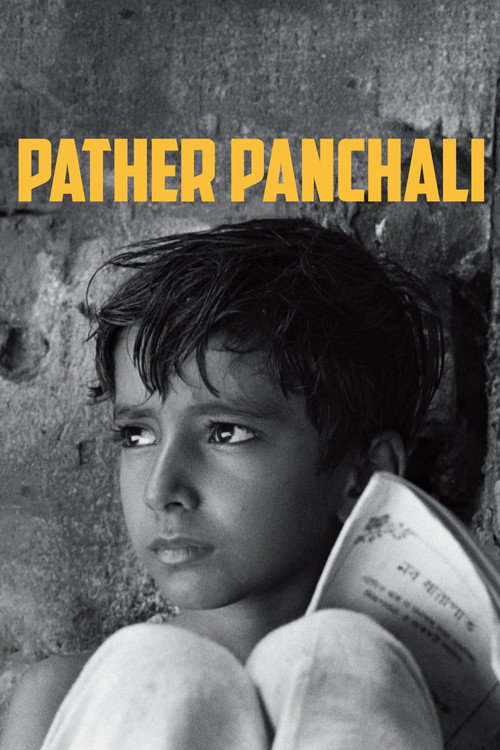
Pather Panchali1955
Ray's Bengali family epic: poverty, time, small joys erased by larger sorrows. Patient observation of a rural community's slow decline. Visually tender despite its subject.
But The pacing is contemplative to a degree modern viewers may find challenging. It trusts you to find the drama in dailiness, not plot.
Winter Light1963
Bergman's smallest film, about a pastor's crisis of faith. Shot in grey Swedish landscapes. Intimate, theological, a portrait of doubt and the failure of belief to console.
But Sparse to the point of emptiness. If you need warmth or conventional narrative, this will feel punishing rather than enlightening.

The Seventh Seal1957
Both use historical moment—occupation, plague, war—as framework for the same philosophical question: what do we owe each other when systems collapse? Both reject easy answers.
Bergman's knight plays chess with Death while plague ravages medieval Sweden. A compressed meditation on faith, mortality, and whether life means anything at all. Visually stunning, morally uncompromising.
But It's famous to the point of cliché, and the allegory can feel heavy-handed on revisit. Some will find it pretentious or dated.

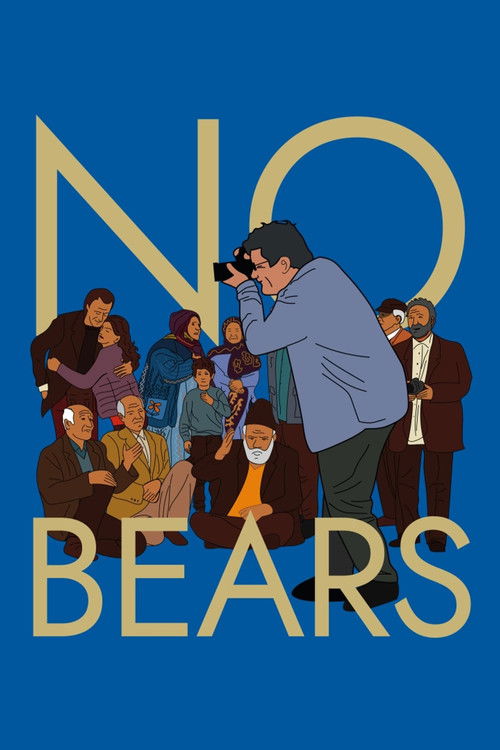
No Bears2022
An artist destroyed by the state for bearing witness. Like Zsadányi, Panahi is held responsible for seeing and speaking. The film itself becomes an act of defiance within suffocation—a form only cinema allows.
Jafar Panahi's semi-autobiographical film about a filmmaker exiled from Iran, made while Panahi was himself under house arrest. Deceptively light, formally playful, burning with constraint and rage. Recent, urgent, alive.
But The politics are specific to Iran and Middle East cinema; unfamiliar viewers may miss layers. The tonal shifts from comedy to anguish can feel jarring.
People
Cast
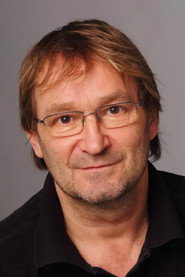 György CserhalmiZsadányi István
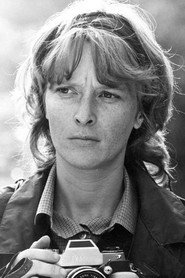 Czinkóczi ZsuzsaBankós Mari
 Györgyi TarjánBankós Mari
 Lajos BalázsovitsZsadányi Gábor
 István BujtorHéderváry
 József MadarasBaksa András / ifj. Baksa András
 Gábor KonczSzeles-Tóth
 Bertalan SoltiÖreg Bankós
 Kovács IstvánKomár István gróf
- László HorváthKovács
- Sándor KátóStrelecz csendõr
Directing
- Miklós JancsóDirector
Writing
- Gyula HernádiWriter
- Miklós JancsóWriter