
Film
The Last Valley
A 1971 war film that asks what peace costs when violence surrounds you. Michael Caine and Omar Sharif lead an unlikely coexistence in a German village that's somehow escaped the Thirty Years' War—until soldiers arrive. It's philosophical and tense, slower than you'd expect, full of moral ambiguity. For viewers who prize atmosphere and hard questions over action.
If you liked this
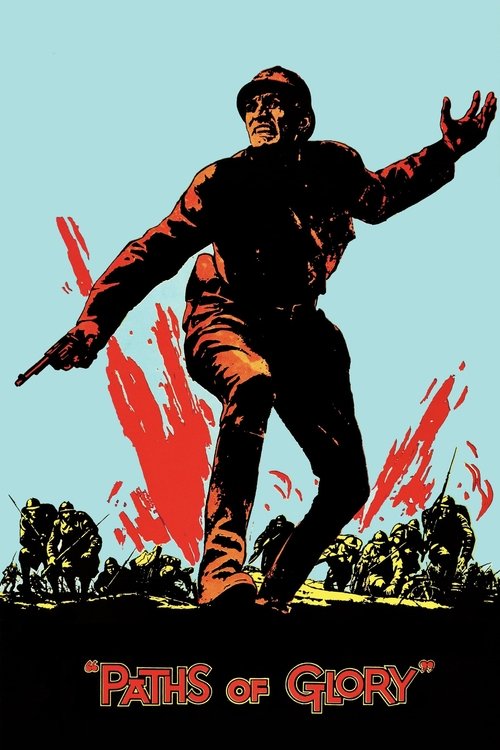
Paths of Glory1957
Kubrick's unflinching look at military futility and the machinery of war. Caine-adjacent—dignified men trapped in systems larger than themselves, watching good intentions corrode.
But Relentlessly bleak. The ending will sit with you like a stone for days.
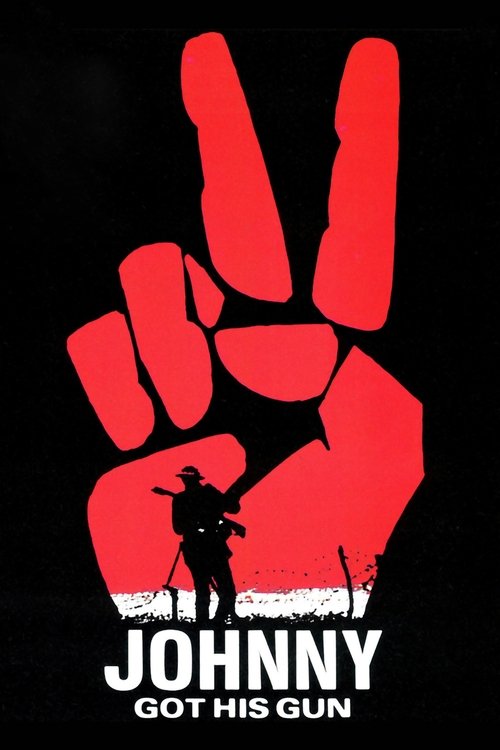
Johnny Got His Gun1971
Released the same year, equally brutal about war's true cost. Philosophical without being preachy. An anti-war howl that still feels necessary and raw.
But The premise—a soldier aware but paralysed—is hard to sit with. Deliberately punishing. Some find it exploitative rather than enlightening.
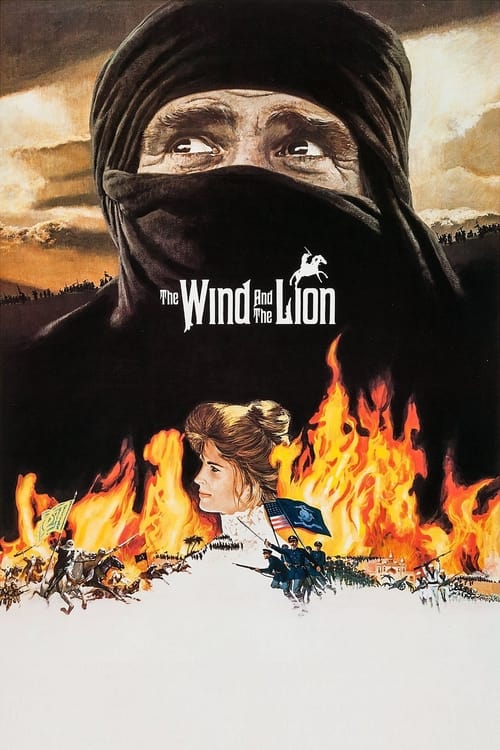
The Wind and the Lion1975
Caine and Sean Connery in a similar dance: occupiers and occupied, negotiating humanity across a power gap. Adventure film that's also about ideology and compromise.
But It papers over more than it examines. Sunnier and less rigorous—sometimes feels like it wants to have it both ways.
Not sure tonight? Get a pick in a minute, starting from The Last Valley
The wildcard
Something you would not have found on your own.
Stalker1979
Both use landscape and isolation to explore what men will do—and become—when separated from the world's rules. Metaphysical rather than narrative tension.
Tarkovsky's science-fiction masterpiece, but really it's about the spiritual cost of desire and the lies we tell ourselves to survive. A journey through a mysterious zone where men confront what they actually want versus what they thought they wanted. Like The Last Valley: two men circling each other, philosophy as the real terrain.
But Hypnotic and nearly dialogue-free—some find it a meditation, others find it a test of endurance. Requires active surrender. Three hours long and not interested in plot.

More like this (8)
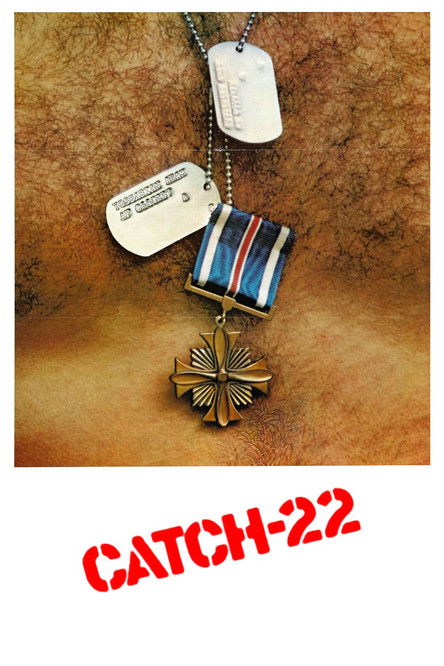
Catch-221970
Same era, same refusal to let war feel like a film. Darkly funny about the logic that destroys logic, the rules that create anarchy. Kaleidoscopic ensemble cast.
But Chaotic and sometimes shapeless. The tone whipsaws between satire and horror; not everyone finds that tonal instability funny.
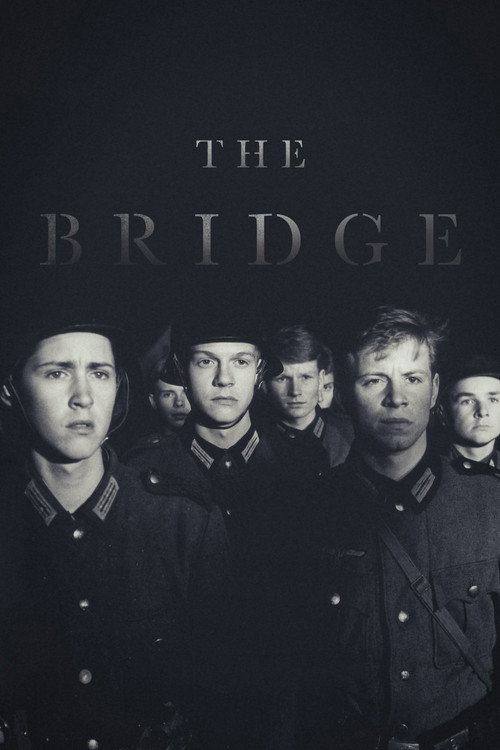
The Bridge1959
German film about teenage soldiers in the final days of WWII. Quiet devastation. Shows you how ordinary people become casualties of history's momentum.
But Slow pacing tests patience. Few will have heard of it, so you're on your own if the mood doesn't land.
Come and See1985
Belarus's masterpiece about a boy soldier in WWII. The most unsparing depiction of war's spiritual death ever filmed. Essential, haunting, unforgettable.
But Genuinely traumatizing. Not hyperbole—it's designed to break you. Not an evening's entertainment; it's an ordeal worth enduring.

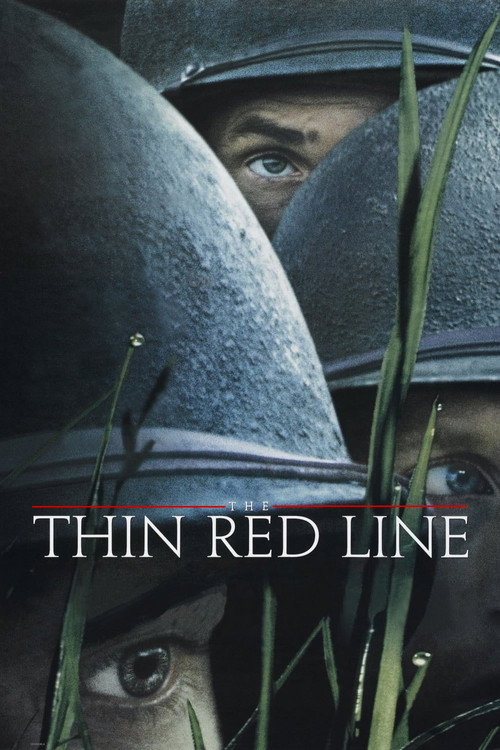
The Thin Red Line1998
Malick's meditation on violence and nature during the Pacific War. Poetic, introspective, less interested in plot than in the texture of how war unmakes consciousness.
But Famously impenetrable. Whispered philosophy, long static shots. Some see profundity; others see self-indulgence and ennui.
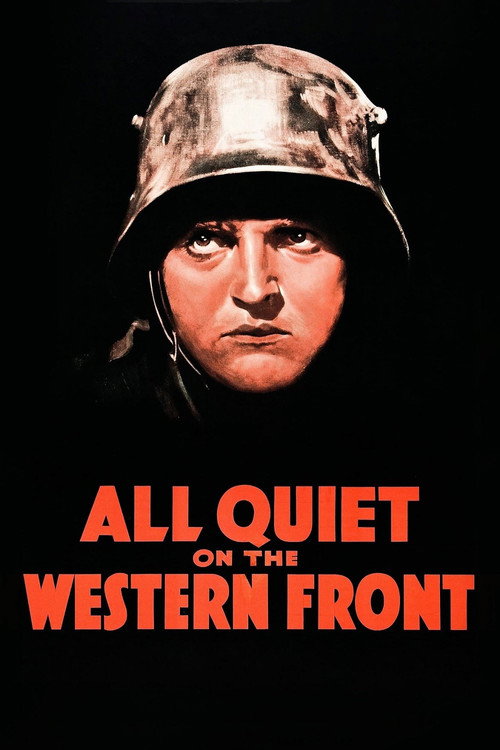
All Quiet on the Western Front1930
The original. Young men conscripted into senselessness. Bracingly direct about the machinery that grinds youth into nothing. Holds up.
But Dated in technique and acting. The earnestness can feel a little stiff to modern eyes. Not as visceral as you'd hope.
The Ballad of Little Jo1993
Maggie Greenwald's oddball western about a woman who passes as a man to survive frontier life. Quiet, strange, about compromise and the masks survival demands.
But Glacial pacing and an arch tone that doesn't quite land. Low budget shows. Feels more interesting in retrospect than while watching.

The Death of Ivan Ilyich2024
Both ask the same question at root: how do we make meaning in the face of forces larger than ourselves? The Last Valley asks it through occupation; this asks it through mortality. Same existential ground.
Tolstoy adapted into a Soviet chamber piece: a dying man reviews his comfortable, empty life. Intimate and shattering. The stakes are internal—no soldiers, just conscience and time running out. Philosophical with teeth.
But Feels more like a recitation than a drama. No production values to lean on. The Soviet aesthetic is austere to the point of drabness.
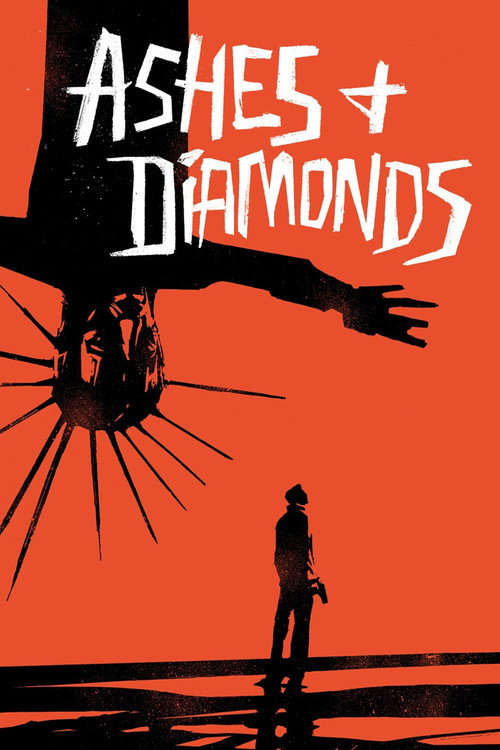
Ashes and Diamonds1958
Both are about men forced into roles they didn't choose, circling each other across a moral divide. Both trust that ambiguity is more true than certainty.
Polish masterpiece set in the last day of WWII. A resistance fighter tasked with murder, instead confronting a Soviet officer and his own doubts. Morally intricate, visually stunning, about how ideology crumbles when you see the human face of the enemy.
But Black-and-white, with the rhetorical weight of post-war European cinema. Some regard that as gravitas; others find it didactic and slow.
People
Cast
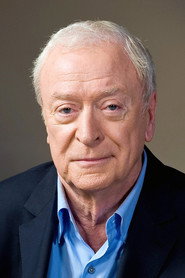 Michael CaineThe Captain
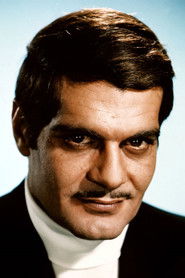 Omar SharifVogel
 Florinda BolkanErica
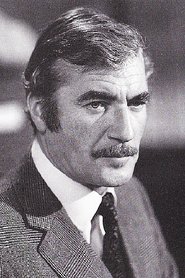 Nigel DavenportGruber
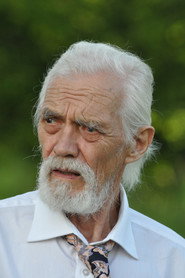 Per OscarssonFather Sebastian
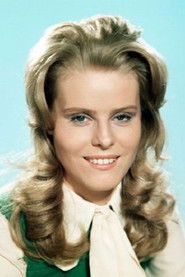 Madeleine HindeInge
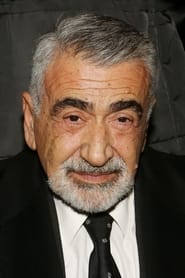 Yorgo VoyagisPirelli
- Miguel AlejandroJulio
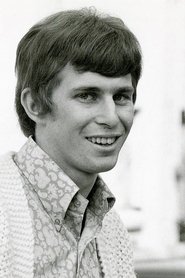 Christian RobertsAndreas
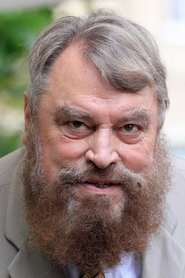 Brian BlessedKorski
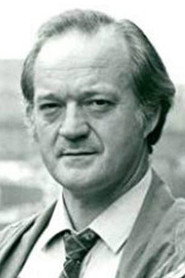 Ian HoggGraf
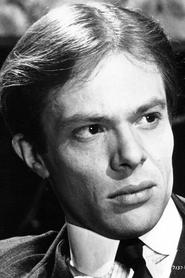 Michael GothardHansen
Directing
- William P. CartlidgeAssistant Director
- Wolfgang GlattesAssistant Director
- Cheryl LeighContinuity
- Pamela CarltonContinuity
- James ClavellDirector
- Brian W. CookSecond Assistant Director
- Stefan ZürcherSecond Assistant Director
- Glynn PurcellThird Assistant Director
Writing
- J. B. PickNovel
- James ClavellWriter
Production
- Robert PorterAssociate Producer
- Maude SpectorCasting
- Ann StanboroughCasting Assistant
- Martin BaumExecutive Producer
- Robin DouetLocation Manager
- Terence ChurcherLocation Manager
- Wolfram KohtzLocation Manager
- James ClavellProducer
- Marguerite GreenProduction Manager
- Kent McPherronUnit Manager