
Film
Dark Waters
Other titles called Dark Waters: the 2019 film.
A 1944 noir-inflected thriller where a traumatized submarine survivor retreats to her family home only to discover it's a nest of con artists and would-be murderers. Merle Oberon carries the film with quiet intensity as Leslie fights to reclaim her life. It's a tight 90 minutes of paranoia and claustrophobia, anchored by strong character work and period atmosphere.
If you liked this
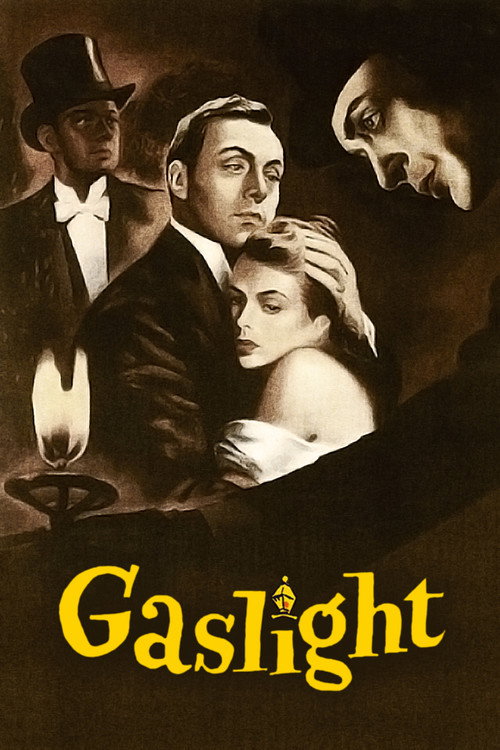
Gaslight1944
Ingrid Bergman in the role that defined psychological manipulation on screen. A woman isolated and made to doubt her sanity by those closest to her. Masterfully constructed suspense that rewrote how cinema handles dread.
But The pacing is methodical—this is a slow-burn that trusts patience over action. Modern audiences sometimes find the theatrical acting style dated.
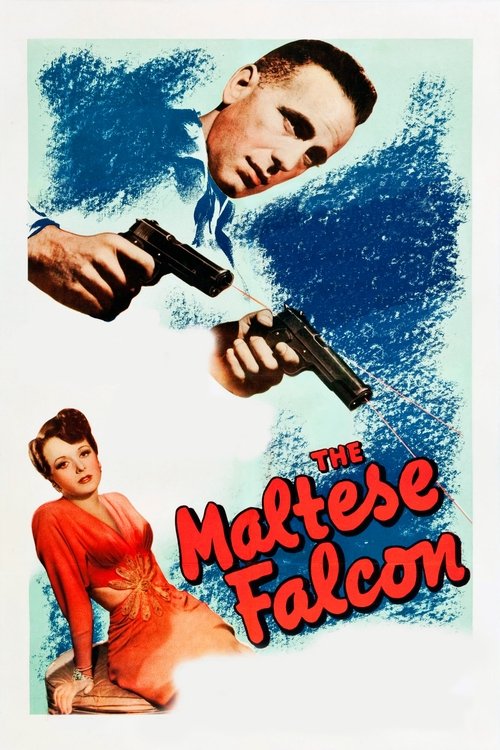
The Maltese Falcon1941
Bogart at peak confidence in a plot where everyone is lying and nobody is safe. Huston's direction crackles with wit and menace. A template for the modern thriller that still feels alive.
But It's a puzzle-box plot that demands your full attention. Look away for five minutes and you'll lose the thread.
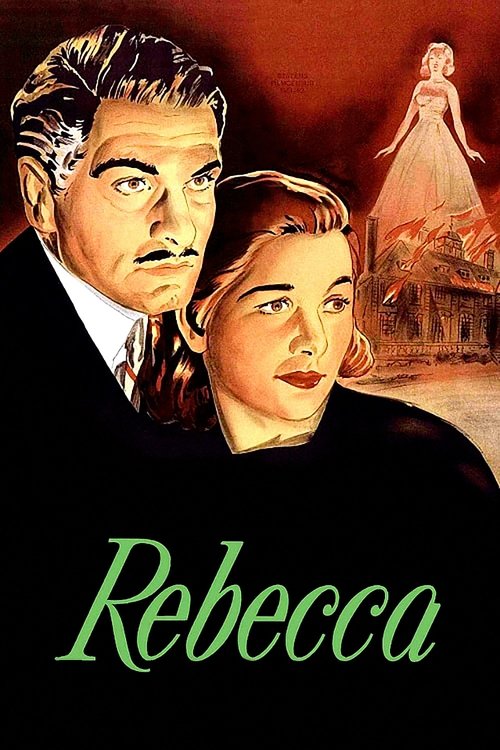
Rebecca1940
Hitchcock's only Best Picture winner, and rightly so. A woman arrives at a grand house haunted by the shadow of a dead predecessor. Gothic, romantic, and terrifying in ways that feel effortless.
But The pacing drags in the middle section. Some find Laurence Olivier's performance cold, and the romantic dynamic hasn't aged perfectly.
Not sure tonight? Get a pick in a minute, starting from Dark Waters
The wildcard
Something you would not have found on your own.
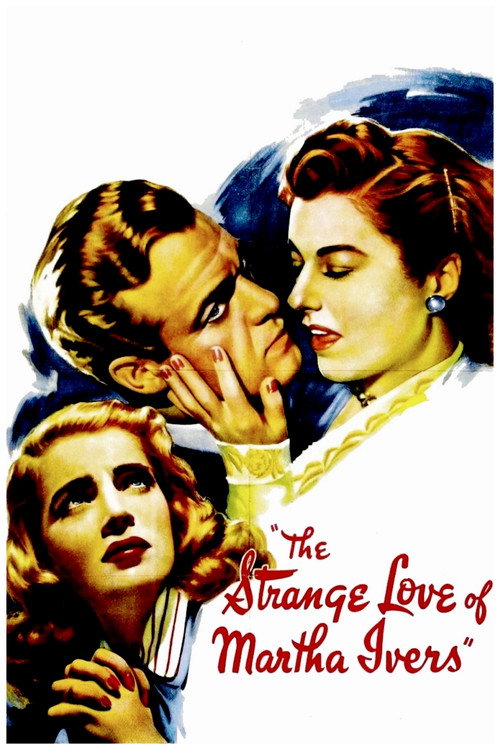
The Strange Love of Martha Ivers1946
Both films trap their heroines in houses with predatory men and force them to find agency through cunning rather than rescue. Both are about survival and the cost of it.
A childhood trauma binds three adults into a web of blackmail and murder. This is a female-centered noir—Stanwyck is magnetic and ruthless—that uses psychological complexity as its skeleton. It predates Psycho as American cinema's first real study of damaged souls.
But The masculinity on display is brittle and dated. The ending capitulates to moralism in a way that undercuts the character study.
More like this (8)
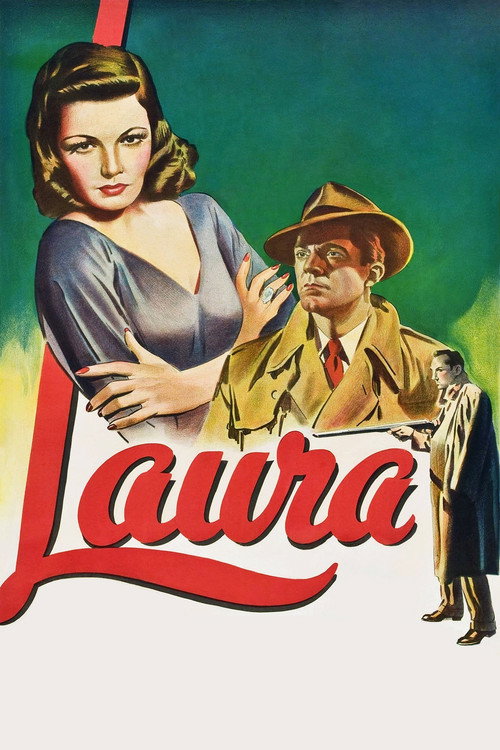
Laura1944
A detective investigating a murder falls in love with a portrait of the victim. Preminger's debut masterpiece: elegant, erotic, and structurally brilliant. Shot through with genuine mystery and style.
But The twist ending polarizes viewers. Some find it emotionally cold or overly clever for its own sake.
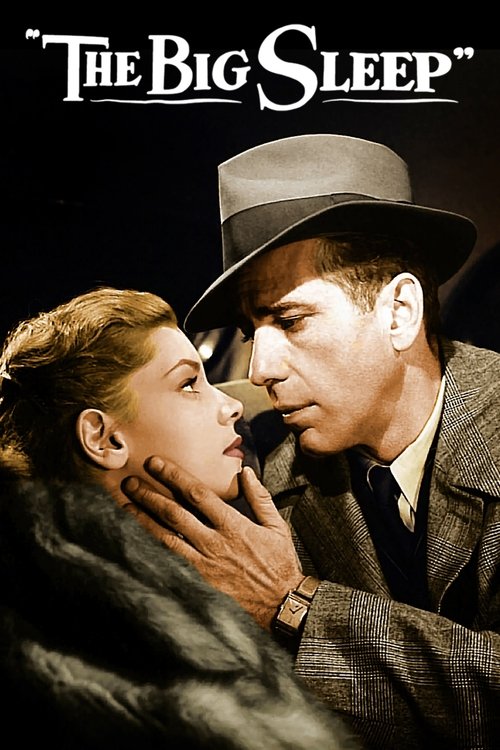
The Big Sleep1946
Bogart and Bacall in Hawks' deliberately convoluted noir where plot matters less than atmosphere and their electric chemistry. If you like the mood of Dark Waters, this is essential.
But The plot is genuinely difficult to follow—even the screenwriters admitted they didn't understand it. Some find that frustrating rather than charming.
In a Lonely Place1950
Ray directs Bogart as a volatile man falsely accused of murder, paranoia eating him from inside. It's a character study disguised as a thriller, with genuine psychological depth.
But Bogart's character is abrasive and sometimes unsympathetic. The ending is bleak in ways that defeat conventional closure.

The Killers1946
Siodmak's debut is a technical marvel: non-linear storytelling in 1946, a dead man's mystery unraveled backward. Burt Lancaster's physicality and the visual confidence make it sing.
But The second half shifts tone into conventional detective work. Some find it loses momentum after the stunning opening sequence.

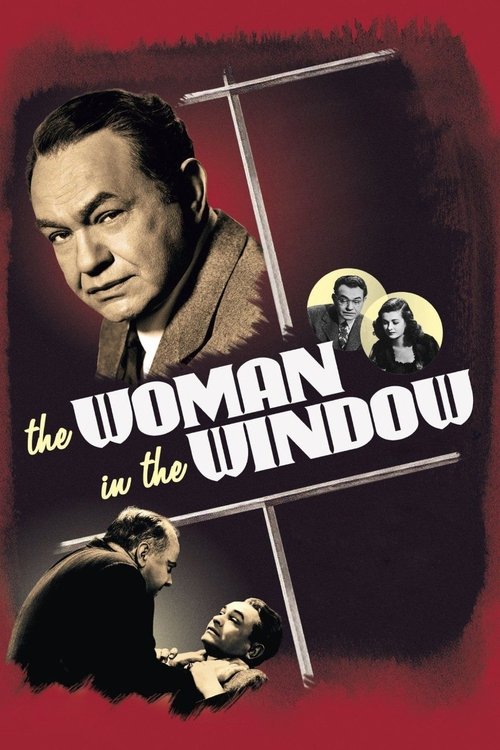
The Woman in the Window1944
Fritz Lang on American soil: a suburban professor watches a beautiful woman across the street and tumbles into moral quicksand. Paranoia and temptation collide.
But The ending is a cop-out—the entire film disavows itself. It's been controversial for seventy years and remains frustrating.
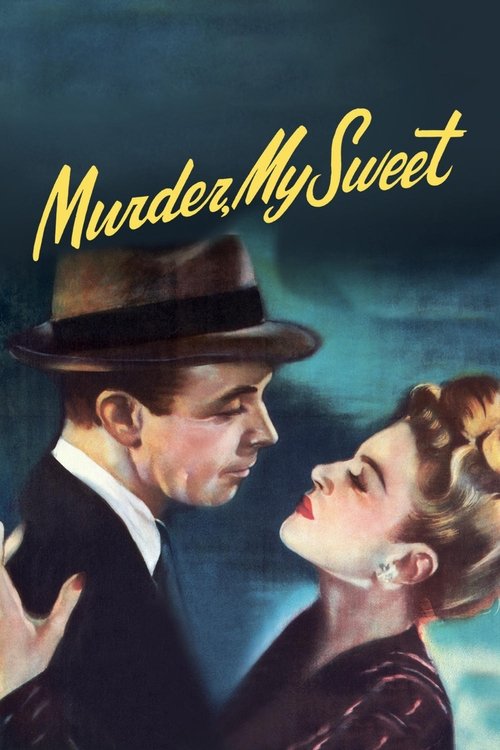
Murder, My Sweet1944
Powell's transformation into a noir detective is shocking; he's disheveled, desperate, and morally compromised. Dmytryk's direction is visually inventive. A solid mid-tier noir with genuine surprises.
But The plot becomes convoluted in the final act. The femme fatale feels more archetypal than fully realized.
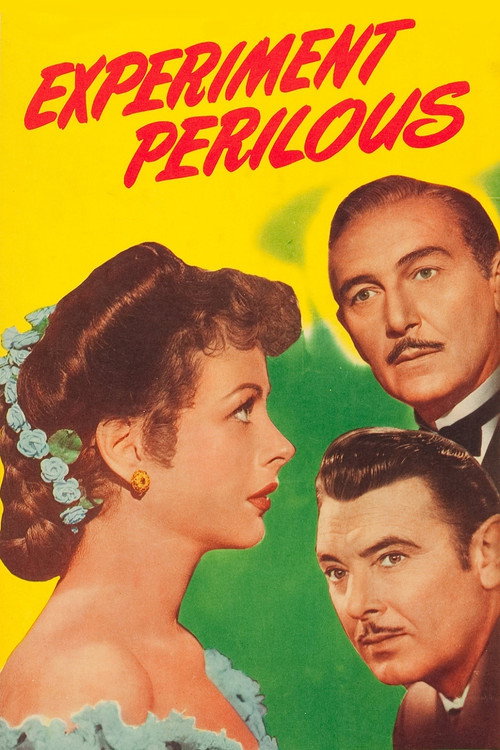
Experiment Perilous1944
A sole heroine navigating a household where she cannot trust her own perceptions, surrounded by family members with hidden motives. Both films understand that the most effective prison has a roof.
A woman suspects her husband of murder but cannot prove it. Tourneur creates suffocating domestic dread—the wallpaper and furniture become weapons. It's psychologically sophisticated in ways that predate the psychological thriller as a named genre.
But It's obscure for good reason. The pacing is glacial and the atmosphere may feel airless rather than suspenseful. Requires genuine patience.
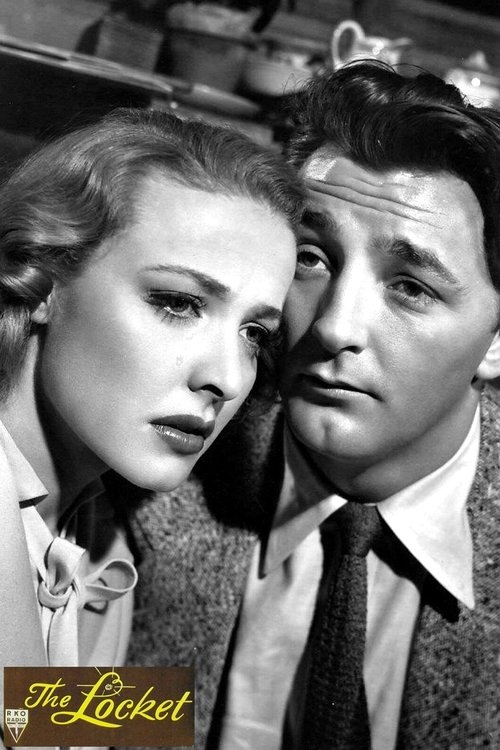
The Locket1946
Both examine how trauma and deception corrupt domestic spaces. Both feature women whose vulnerability masks something more calculating, and both refuse easy judgment.
A woman's compulsive lying destroys everyone around her in a non-linear narrative that jumps through time. It's a character study of pathology, not a whodunit. The visual language is gorgeous—deep focus and shadows used to map interior fracture.
But It's bleak and unsentimental about mental illness in ways that can feel clinical. There are no sympathetic characters. Some find it cruel rather than tragic.
People
Cast
 Merle OberonLeslie Calvin
 Franchot ToneDr. George Grover
 Thomas MitchellMr. Sydney
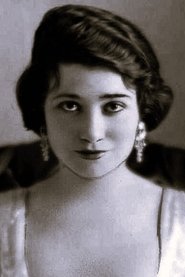 Fay BainterAunt Emily
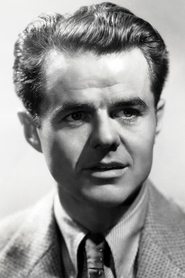 Elisha Cook Jr.Cleeve
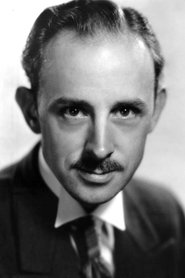 John QualenUncle Norbert
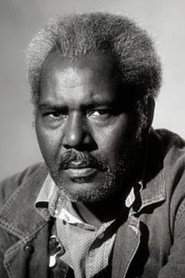 Rex IngramPearson Jackson
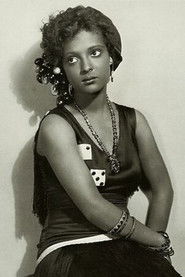 Nina Mae McKinneyFlorella
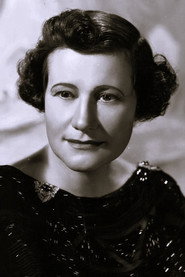 Odette MyrtilMama Boudreaux
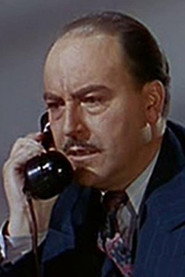 Eugene BordenPapa Boudreaux
- Rita BeeryNurse (uncredited)
- Danny BorzageAccordionist (uncredited)
Directing
- Joseph DepewAssistant Director
- André de TothDirector
Writing
- Francis M. CockrellOriginal Story
- Marian B. CockrellOriginal Story
- Joan HarrisonScreenplay
- Marian B. CockrellScreenplay
Production
- Arthur M. LandauAssociate Producer
- James NasserExecutive Producer
- Benedict BogeausProducer
- Carley HarrimanProducer's Assistant