
Film
The Locket
A 1946 psychological thriller about a woman whose childhood trauma has metastasized into compulsive deception and manipulation. Told in nested flashbacks, it's a portrait of someone damaged beyond redemption, shot through noir darkness with genuine unease. For viewers drawn to morally compromised characters and complex female antiheroes before that became fashionable.
If you liked this
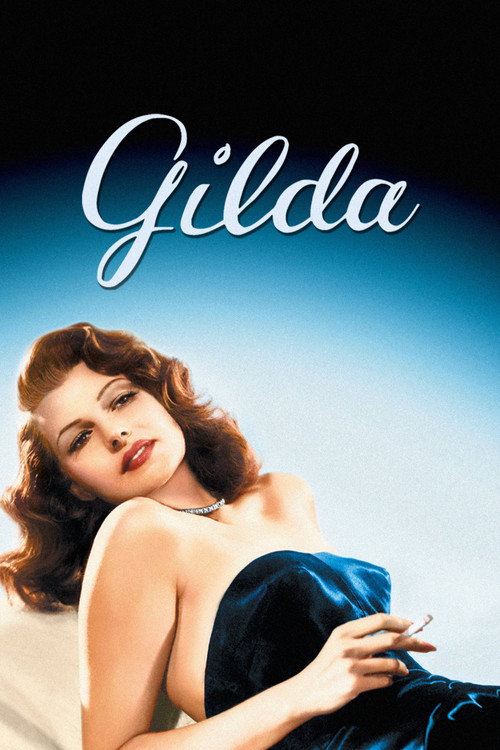
Gilda1946
Rita Hayworth as a magnetic, destructive woman who wields her sexuality like a weapon. The film doesn't excuse her or explain her away—it's pure cinematic seduction and dread, shot in lustrous black and white.
But The plot can feel thin if you're watching for narrative coherence rather than atmosphere and performance. It's more mood piece than story engine.
In a Lonely Place1950
Humphrey Bogart as a man everyone suspects of murder, unraveling under the weight of suspicion and his own volatile nature. Directed by Ray, it's intimate and claustrophobic, examining how trauma and rage poison everything they touch.
But It's bleak and offers no catharsis. The ending won't feel like resolution if you need one.

The Killers1946
Robert Siodmak's masterpiece of fatalism, with Burt Lancaster as a man resigned to death. Told through fragmented investigation, it captures the noir aesthetic at its most crystalline and the sense that some damage can't be undone.
But The structure is fractured and can feel distant. If you want emotional investment, this film keeps you at arm's length by design.

Not sure tonight? Get a pick in a minute, starting from The Locket
The wildcard
Something you would not have found on your own.
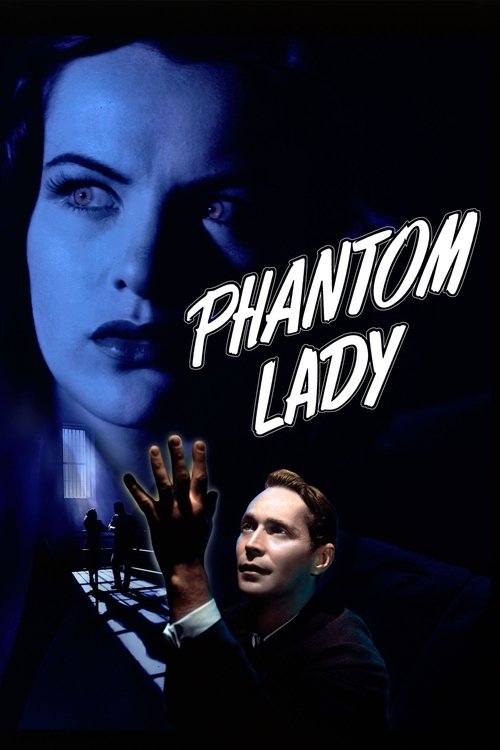
Phantom Lady1944
Both use nested narrative and unreliable investigation to show how obsession—sexual, investigative, or emotional—corrupts perception and truth itself.
Robert Siodmak's masterpiece of wrongful accusation and obsessive investigation. Ella Raines becomes dangerously fixed on proving a man's innocence, and the film explores how investigation itself can become its own form of psychological corruption. The connection to *The Locket* is structural and thematic—both are about how the pursuit of truth (or its distortion) can destroy you.
But It's slower than modern thrillers and the pacing is deliberate. The ending pivots in ways that can feel dated if you're expecting contemporary psychology.
More like this (8)
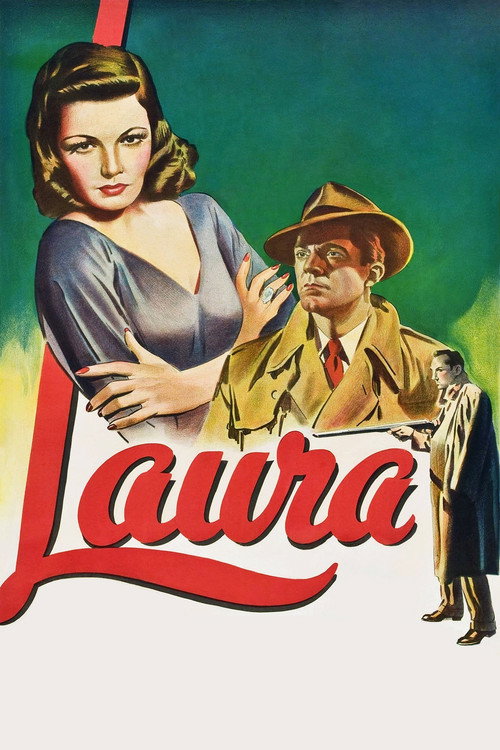
Laura1944
Otto Preminger's elegant murder mystery where the victim is absent but omnipresent. Gene Tierney is magnetic, and the film explores how we construct false versions of people we're obsessed with, much like *The Locket* explores self-deception.
But The mystery plot is less important than the mood, which might feel slow if you're expecting a tight procedural.
The Asphalt Jungle1950
John Huston's foundational heist film, dense with character and moral compromise. It treats its criminals with the same gravity *The Locket* grants its protagonist—damaged, human, and ultimately trapped by themselves.
But It's methodical and unglamorous. The payoff is quiet rather than explosive, which can feel anticlimactic.

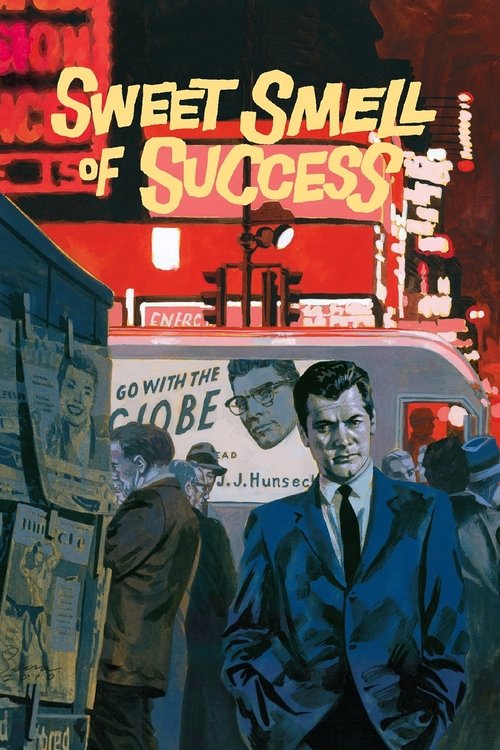
Sweet Smell of Success1957
Burt Lancaster as a corrupt gossip columnist in one of cinema's most vicious portraits of manipulation and moral rot. The dialogue is baroque, the setting is hell, and it never looks away from human ugliness.
But It's relentlessly dark and the sexual politics are deeply unpleasant. There's no one to root for and nothing to feel good about.
The Killing1956
Kubrick's fractured heist film told in a fractured way, mirroring *The Locket*'s nested structure. It's about how a single moment of weakness can unravel everything, with a fatalism that feels genuinely noir.
But The editing can feel choppy and the tone is uniformly cold. Some find it more clever than moving.

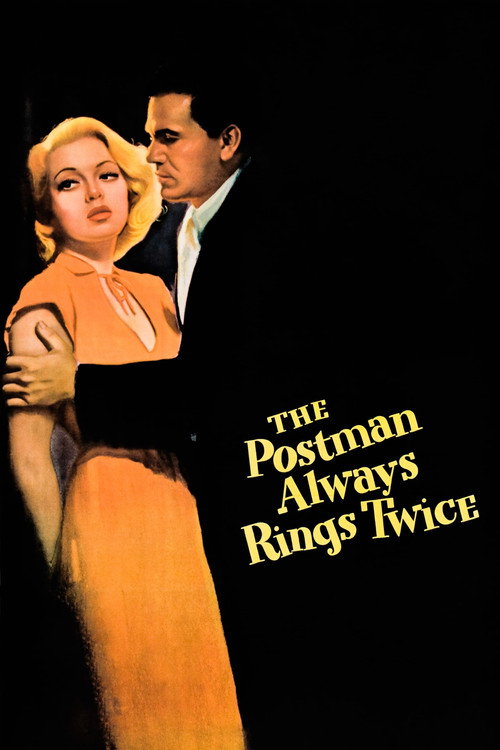
The Postman Always Rings Twice1946
Lana Turner and John Garfield as lovers destroying themselves through appetite and betrayal. It's sexual, dangerous, and doesn't pretend anyone involved is good—just human and hungry.
But The moral degradation is the point, which can feel punitive rather than tragic if you find the characters too unsympathetic.
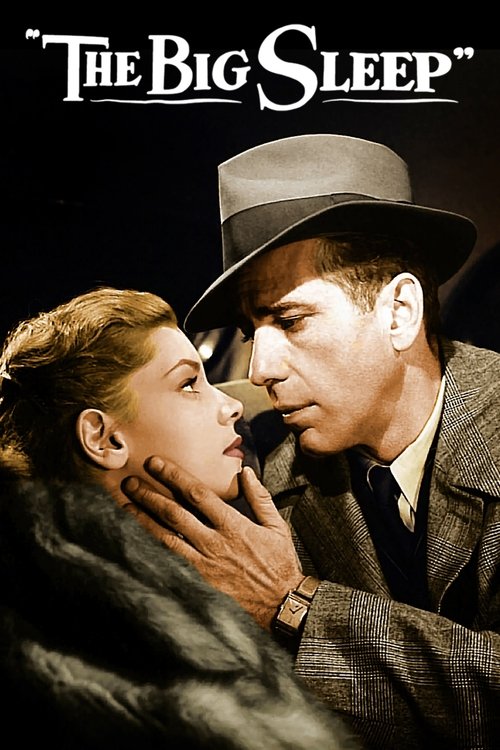
The Big Sleep1946
Bogart and Bacall's chemistry in Hawks' loose, witty mystery. It's playful compared to *The Locket*, but both explore how desire and deception entangle everyone in their orbit.
But The plot is notoriously incoherent. If you're watching for the mystery, you'll be frustrated. If you're watching for the actors, you'll be fine.
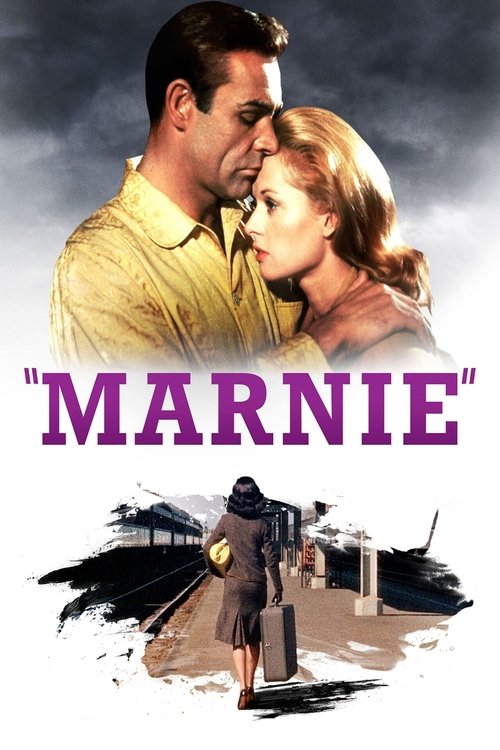
Marnie1964
Both center on women whose childhood trauma has become architectural to their personality—they lie, manipulate, and destroy because they can't not. Neither film offers redemption, only understanding.
Hitchcock's deeply uncomfortable portrait of a compulsive liar and thief, played by Tippi Hedren with genuine damage. A man loves her despite (and because of) her darkness, and the film refuses to cure her or make her sympathetic—it just shows you her without flinching.
But The psychology feels dated and the film is interested in exploring pathology rather than explaining it. Some find it more clinical than moving, and the ending is bleak.
Hiroshima Mon Amour1959
Both use fractured, recursive narrative structure to suggest that truth about a person is impossible—all we have are versions, flashbacks, and the stories people tell themselves. Both are about the gap between who we are and who we appear to be.
Alain Resnais' radical film about memory, trauma, and impossible love, told through nested flashback and fragmented narrative just like *The Locket*. Two people in Hiroshima fall into an affair; the film circles their damage and the question of whether we can ever truly know anyone. It's poetic, sensual, and philosophically demanding.
But It's experimental and the narrative is deliberately non-linear. There's no plot to follow, only emotional and temporal drift. Subtitled. Definitely not for everyone.
People
Cast
 Laraine DayNancy
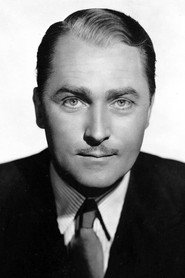 Brian AherneDr. Harry Blair
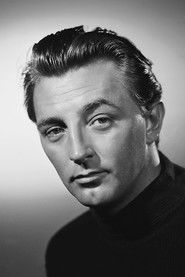 Robert MitchumNorman Clyde
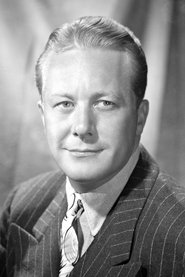 Gene RaymondJohn Willis
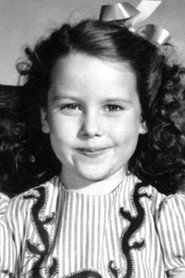 Sharyn MoffettNancy - Age 10
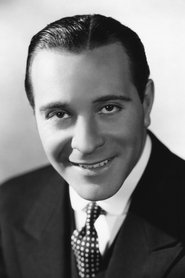 Ricardo CortezDrew Bonner
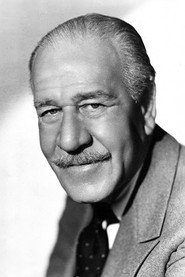 Henry StephensonLord Wyndham
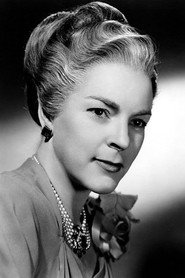 Katherine EmeryMrs. Willis
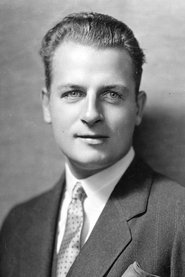 Reginald DennyMr. Wendell
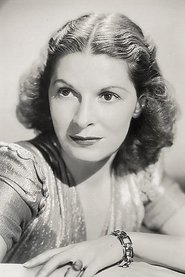 Fay HelmMrs. Bonner
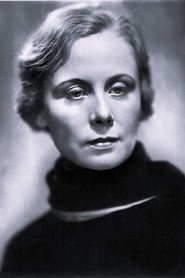 Helene ThimigMrs. Monks
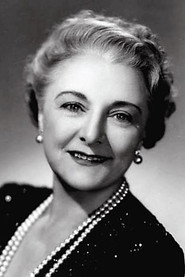 Nella WalkerMrs. Wendell
Directing
- Harry D'ArcyAssistant Director
- John BrahmDirector
Writing
- Norma BarzmanWriter
- Sheridan GibneyWriter
Production
- Jack J. GrossExecutive Producer
- Bert GranetProducer
- William DorfmanUnit Manager