
Film
The H-Man
A 1958 Japanese sci-fi horror about a radioactive man-creature born from nuclear testing. When Tokyo yakuza mysteriously liquefy, police investigate a nightclub and its enigmatic owner, suspecting mutation rather than murder. A gorgeous, eerie film that treats atomic dread as intimate threat, with practical effects that still unsettle.
Should you watch it?
Watch it if you enjoy old-school sci-fi horror that plays its monster as a slow dread creeping through seedy nightclubs and rain-slick back alleys, with a police procedural spine holding it together.
Skip it if you need lush effects or a brisk pace; this 1958 black-and-white film moves unhurriedly through interviews and surveillance, and its creature work shows its age.
What it asks of you: Roughly ninety minutes of patient, shadowy investigation, where the mood builds through atmosphere and interrogation rather than frequent jolts or spectacle.
Not sure? Find tonight's pick in a minute.
If you liked this
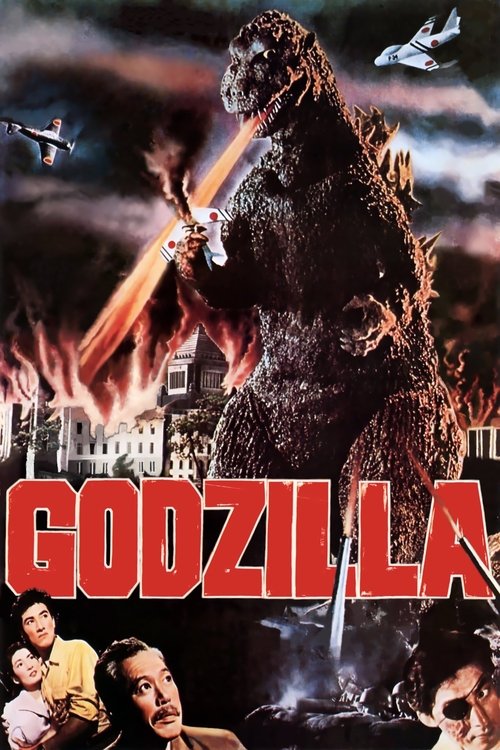
Godzilla1954
The foundational atomic-age kaiju film, where nuclear anxiety becomes a physical monster. Toru Tsuburaya's effects work is startlingly effective, and the film's grief-stricken tone elevates it beyond spectacle into genuine tragedy.
But It moves slowly by modern standards, and the politics are sometimes laid on thick. Black-and-white monster films can feel distant to viewers expecting colour and pace.
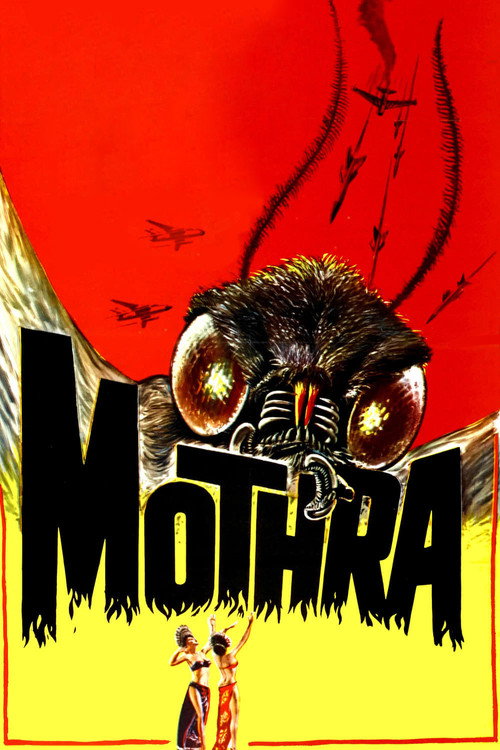
Mothra1961
Another Toho creature feature with similar atomic anxieties, but warmer in tone and more visually inventive. The twin fairies and the enormous moth are unforgettable, and the effects are genuinely wondrous.
But It's more whimsy than H-Man's creeping dread, so if you want cosmic horror rather than wonder, it won't quite land the same way.
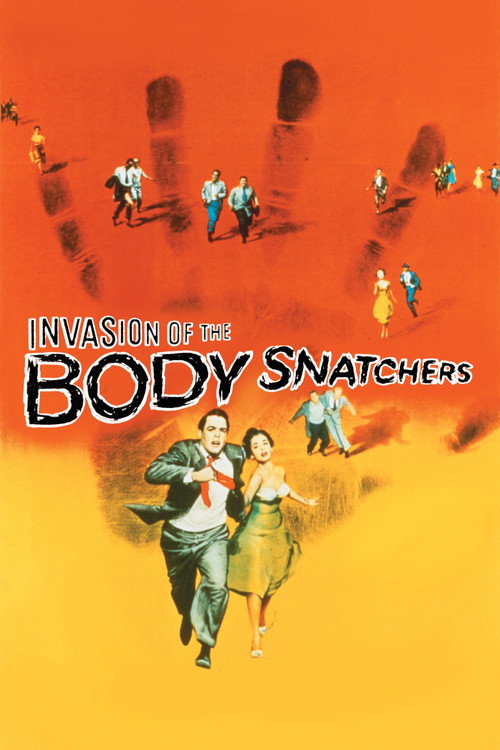
Invasion of the Body Snatchers1956
American paranoia meets sci-fi body horror. The creeping wrongness as people become copies of themselves creates the same skin-crawling atmosphere as The H-Man, and the cold war subtext runs deeper than the plot suggests.
But The ending feels rushed and the pacing in the middle sags. Some of the dialogue is very much of its era, which can pull you out of the dread.
Not sure tonight? Get a pick in a minute, starting from The H-Man
The wildcard
Something you would not have found on your own.
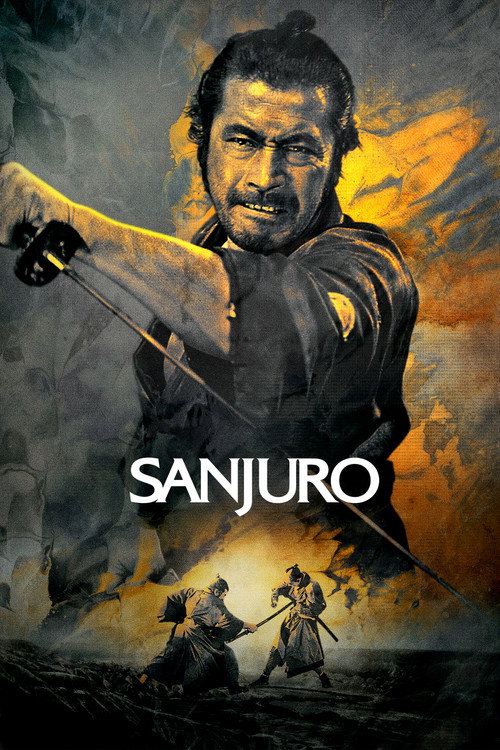
Sanjuro1962
Both are 1950s-60s Japanese films about individuals destroyed by forces beyond their control—mutation or politics. Both use the crime-procedural frame to explore something deeper about society and corruption.
Kurosawa's political thriller about a charismatic rabble-rouser and the forces that manipulate him. It's gorgeously shot, tense as a wire, and operates in an entirely different register from H-Man—naturalistic where H-Man is fantastical, but both are about systems consuming individuals.
But It's bleak and often cynical. Kurosawa doesn't offer reassurance, and the ending is both shocking and morally uncomfortable. This is not a comfort film.
More like this (7)
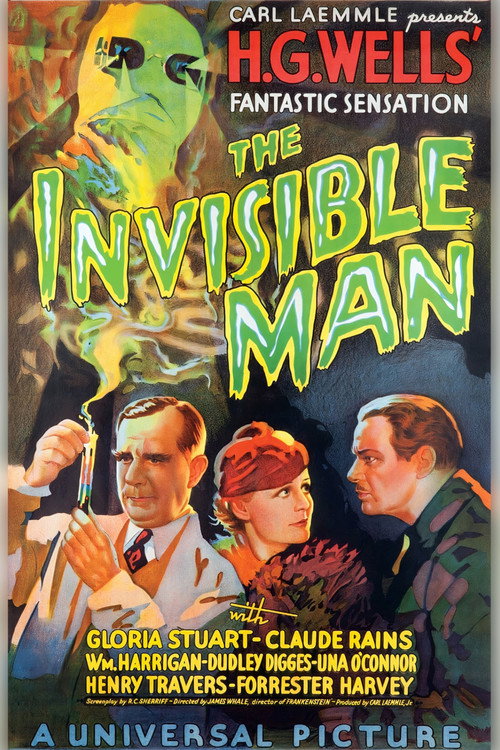
The Invisible Man1933
The original invisible menace film: mad scientist, social decay, and a monster you can't quite see. James Whale's direction is fluid and darkly funny, and Claude Rains commands attention through voice and performance alone.
But It's 1933 Hollywood, so it moves like a stage play. If you need modern pacing or want contemporary special effects, this will feel quaint.
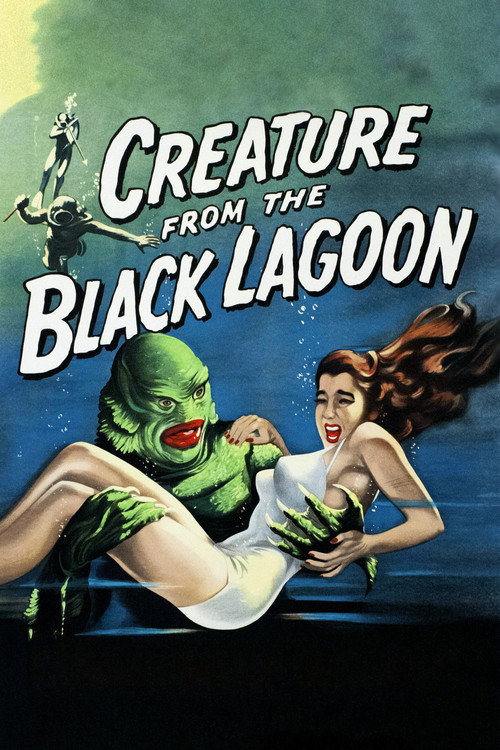
Creature from the Black Lagoon1954
Universal's last great monster picture: a gill-man emerges from primordial waters, and the film balances atmosphere with genuine creature-feature thrills. The underwater sequences are hypnotic and the suit design is iconic.
But It's a B-picture at heart, which means the human drama feels thin and the science is hilariously handwaved. Some viewers find the central romance tedious.
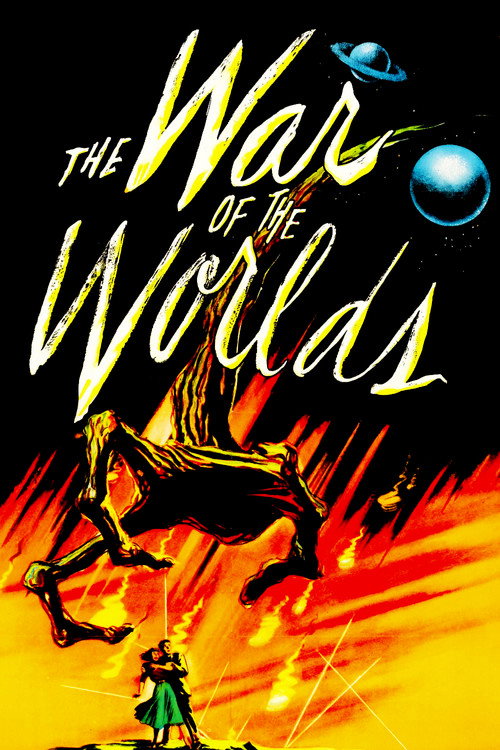
The War of the Worlds1953
George Pal's lavish atomic-age adaptation captures the terror of civilization overwhelmed. The Martian machines are stunning for 1953, and the tone balances spectacle with genuine apocalyptic unease.
But The theological ending feels tacked on and undermines the earlier dread. The pacing is uneven and some scenes drag badly.
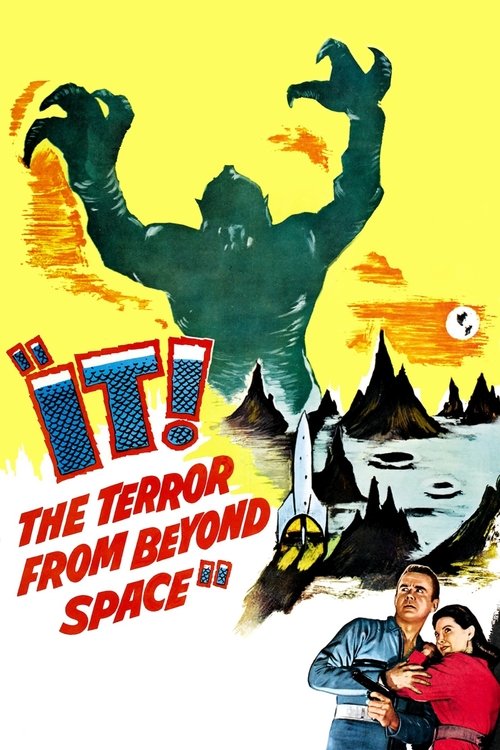
It! The Terror from Beyond Space1958
A low-budget space-based creature feature that influenced Alien without the budget or pedigree. The confined setting and escalating paranoia create real claustrophobic tension, and it moves with real urgency.
But The creature is a man in a rubber suit and it shows. The acting is occasionally stiff and the dialogue can be clunky, which undercuts the threat.
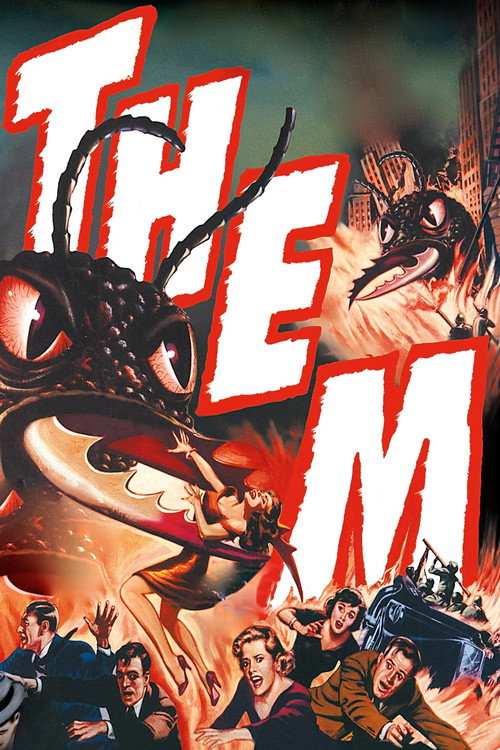
Them!1954
Giant mutant ants born from atomic testing stalk America. It's a genuine thriller disguised as creature feature—procedural in structure, genuinely unsettling in execution, and the first act mystery of vanishing people is excellent.
But The second half becomes a hunt-the-monster film rather than a mystery, and the pacing flags as it expands in scope. Some may find it too earnest for comfort.
Night and Fog1956
H-Man makes radiation visible as a liquefying monster. Resnais makes industrial genocide visible through archival images and architecture. Both are about rendering the invisible catastrophe into something you cannot look away from.
Alain Resnais's twenty-minute essay on the Holocaust uses colour and black-and-white to build an accumulating horror that lingers longer than any fictional film. The voice-over is restrained and devastating. This is how you make the invisible visible.
But It's not entertainment—it's documentary evidence of atrocity. The minimalism and restraint might frustrate viewers expecting dramatic arc. Required viewing, not comfortable viewing.
Synecdoche, New York2008
Both use genre expectations as a Trojan horse for something stranger. H-Man promises monster-movie thrills but delivers intimate dread. Synecdoche promises a story but delivers nightmare logic. Both collapse the boundary between the fantastic and the real.
Charlie Kaufman's fractured dream-film about a theatre director building a life-size replica of New York inside a warehouse. It's formally daring, deeply sad, and uses surrealism to explore decay, obsession, and the distance between inner and outer worlds. Wildly original and genuinely haunting.
But It's deliberately disorienting and refuses to resolve into clarity. Some scenes are deliberately tedious. If you want straightforward narrative or answers, stay away—this film exists to confuse and upset you.

People
Cast
 Akihiko HirataInspector Tominaga
 Kenji SaharaDr. Masada
 Yumi ShirakawaChikako Arai
 Eitarō OzawaPolice Sgt. Miyashita
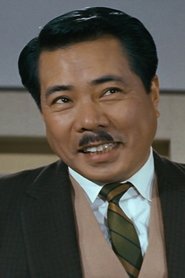 Yoshibumi TajimaDetective Sakata
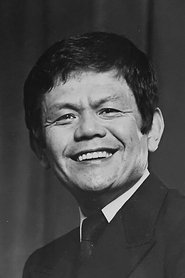 Makoto SatōUchida
 Koreya SendaDr. Maki
 Yoshio TsuchiyaDetective Taguchi
- Kamayuki TsubonoDetective Ogawa
 Tadao NakamaruDetective Seki
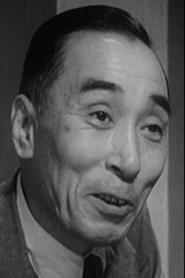 Minosuke YamadaChief of Inspectors Kusuda
 Nadao KirinoShimazaki
Directing
- Koji KajitaAssistant Director
- Ishirō HondaDirector
Writing
- Hideo UnagamiOriginal Story
- Takeshi KimuraScreenplay
Production
- Tomoyuki TanakaProducer
- Teruo MakiProduction Manager
Recommended by
Mothra vs. Godzilla, Terror of Mechagodzilla, Godzilla, King of the Monsters!, Prince of Space