
Film
Terror of Mechagodzilla
The final Showa-era Godzilla film pairs the mechanical king with an alien-controlled dinosaur in a surprisingly earnest story about love, obsession, and the cost of wielding godlike power. It's leaner and more character-focused than its predecessor, trading spectacle for genuine pathos. A melancholy, operatic swansong for a monster that had already died and come back to life.
If you liked this
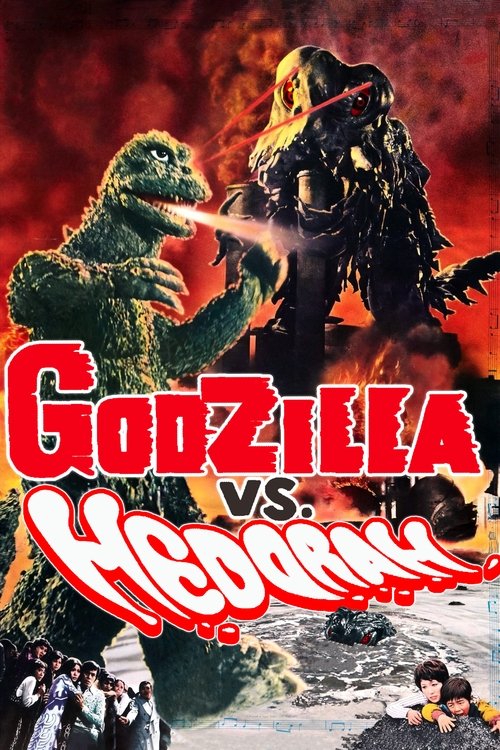
Godzilla vs. Hedorah1971
A genuinely unsettling environmental parable where Godzilla becomes humanity's last hope against a sentient pollution monster. Weird, ambitious, and visually nightmarish in ways the franchise rarely attempts.
But The tonal whiplash between grotesque body horror and children's musical numbers will test your patience, and it's far grimier than other Godzilla films.
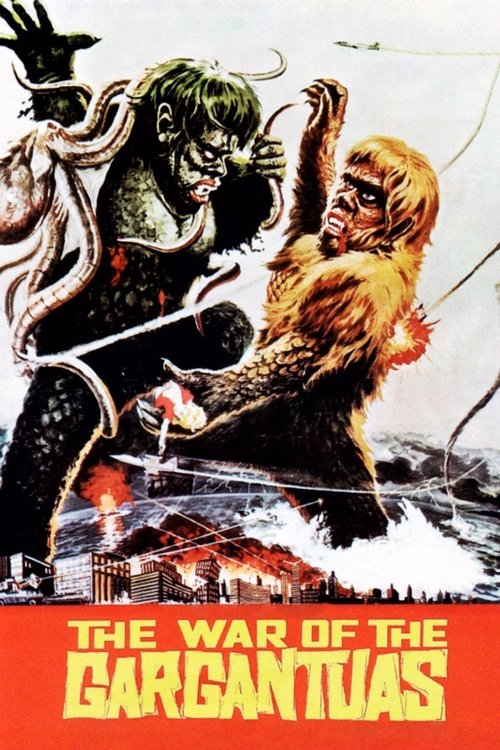
The War of the Gargantuas1966
Two giant creatures battle across Tokyo in a film that's part monster movie, part tragedy about nature versus nurture. Gorgeous practical effects and a moral weight unusual for the era.
But Slower and sadder than you might expect, with less fight choreography and more philosophical brooding about what we owe our creations.
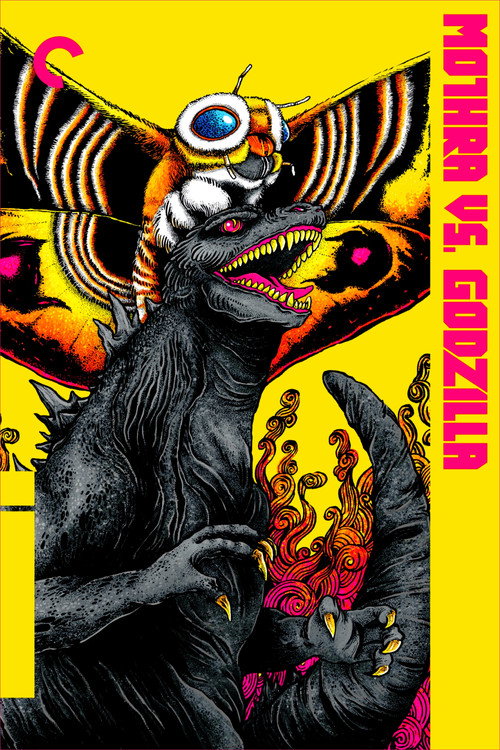
Mothra vs. Godzilla1964
The template for everything that follows: escalating chaos, multiple factions, genuine stakes, and a monster you're rooting for. Beautifully shot and narratively tight.
But If you want wall-to-wall monster fighting, you'll find long stretches of plot and politics testing your focus.
Not sure tonight? Get a pick in a minute, starting from Terror of Mechagodzilla
The wildcard
Something you would not have found on your own.
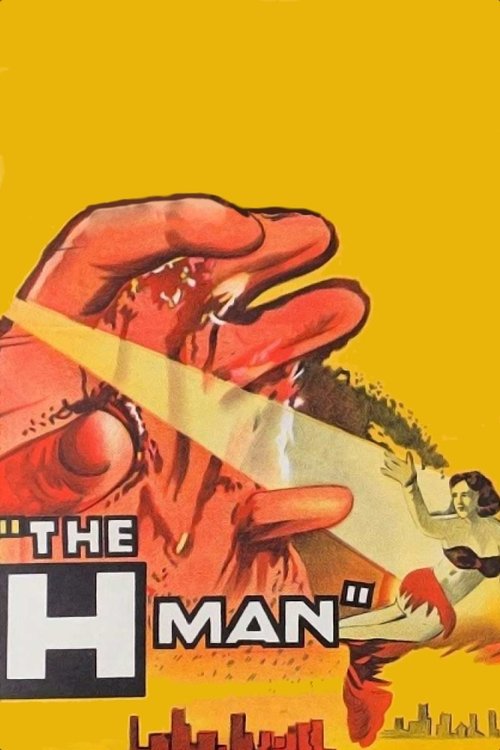
The H-Man1958
Both examine the body as a site of horror and loss—Mechagodzilla as a corpse weaponized, the H-Men as what war and radiation do to flesh. Both ask what's left of a person when their form is stolen.
A Toho sci-fi film about sailors transformed into radioactive ooze by atomic weapons. Haunting, visually inventive, and emotionally devastating about bodies transformed and lost.
But More ghost story than action film, with long stretches of mood over spectacle; the human scenes outnumber the monster ones.
More like this (8)
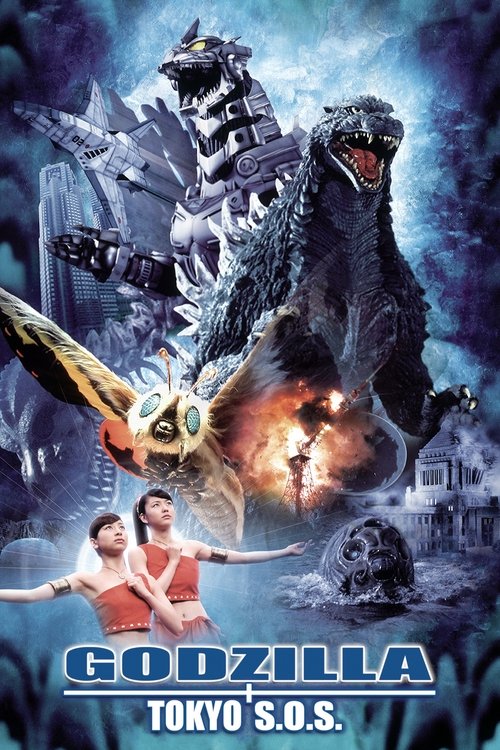
Godzilla: Tokyo S.O.S.2003
A late-Heisei entry that strips away excess and focuses on a simple, devastating question: should we dismantle Godzilla or use him? Moves like poetry.
But Made two decades later with a different tone and philosophy; if you want the Showa sound and fury, this quietness won't satisfy.
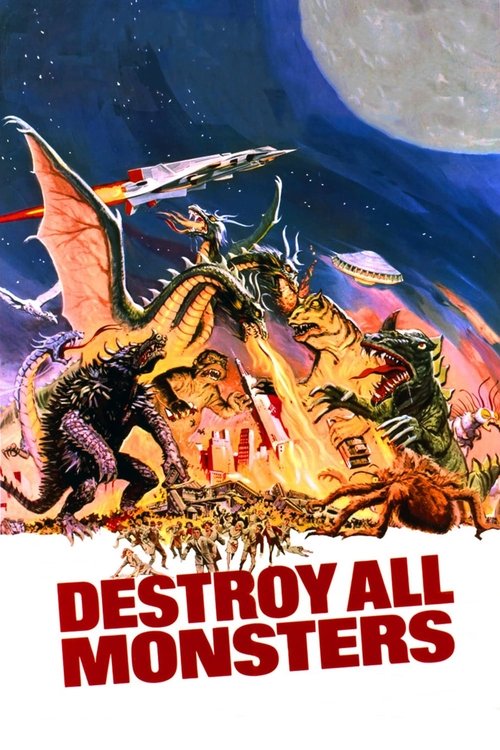
Destroy All Monsters1968
The Showa series' most ambitious film: alien invasion, an army of monsters, psychic control, and genuine scale. A celebration of everything the franchise had learned.
But Bloated to the point of incoherence, and the climactic monster brawl resolves anticlimactically despite years of setup.
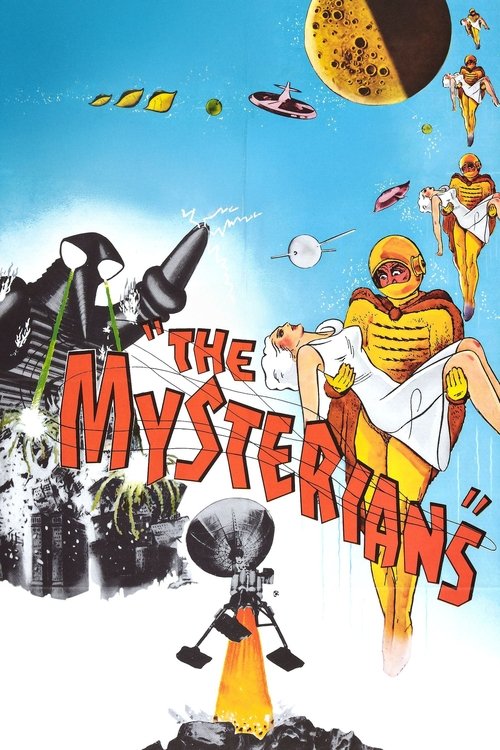
The Mysterians1957
Early tokusatsu sci-fi about alien colonists with practical effects that still hold up. More interested in ideas and atmosphere than you'd expect from 1957 Japan.
But The pacing is glacial by modern standards, and the aliens' motivations strain credibility even for the era.
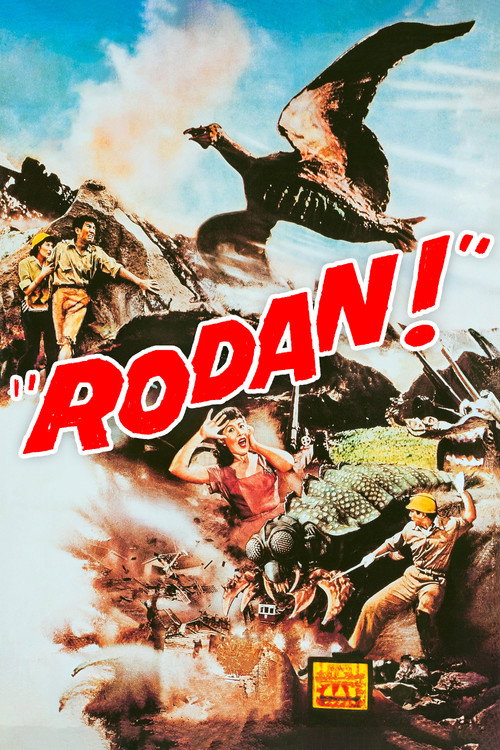
Rodan1956
Toho's giant-monster template: a doomed love story wrapped around creature spectacle. Vibrant Technicolor and a genuinely mournful ending.
But The monster appears late and sparingly; much of the film is human drama that can feel slow if you came for the creature.
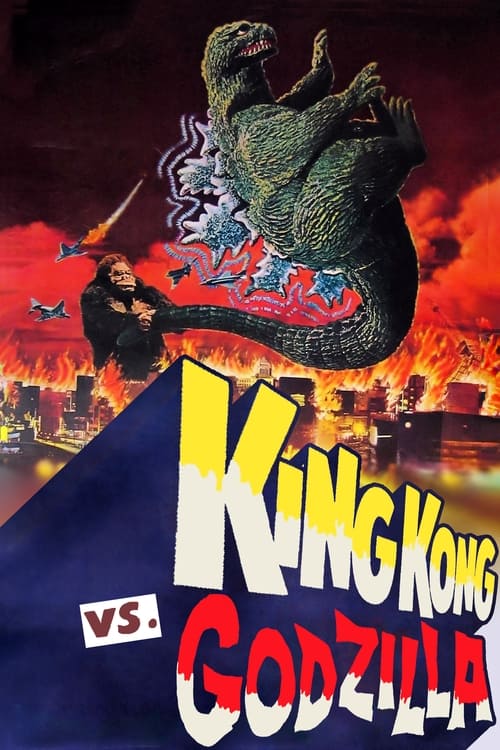
King Kong vs. Godzilla1962
The novelty matchup works better than logic has any right to allow. Colorful, absurd, and entertaining in ways that transcend the script.
But The American-produced version is severed and reframed; even the original is uneven, and the fight choreography is clunky.
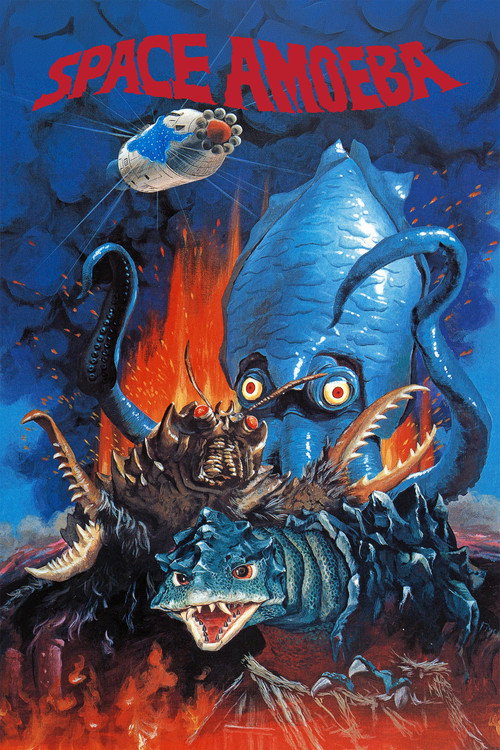
Space Amoeba1970
A creature-feature with genuine atmosphere: an alien organism slowly consuming an island while the cast scrambles to survive. Practical effects and real dread.
But Low budget shows in character animation and some action sequences; the pacing sags in the middle act.
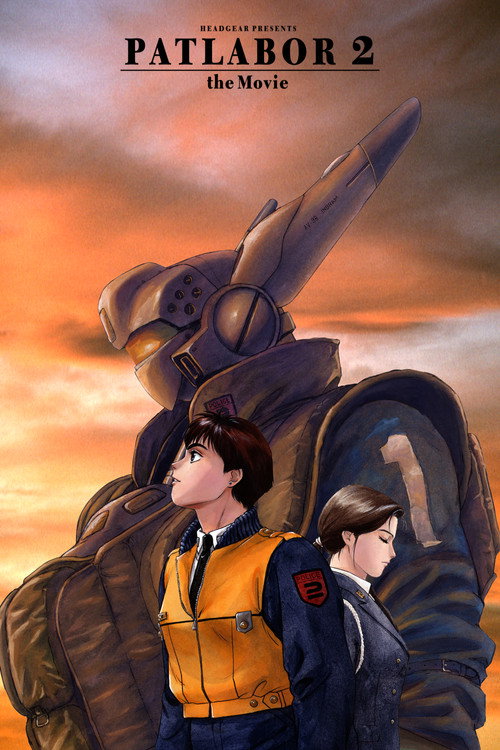
Patlabor 2: The Movie1993
Like Mechagodzilla, it's a tool in someone else's hands—but Patlabor interrogates the ethics of that tool's awareness. Both films are interested in what happens when machines become entangled in human moral questions.
A giant-robot film that's really a philosophical thriller about terrorism, nationalism, and what power structures demand of those who serve them. Beautifully animated and genuinely tense.
But Glacially paced for an action movie, with a climax that's intellectual rather than visceral, and heavy on dialogue that assumes you know the franchise.
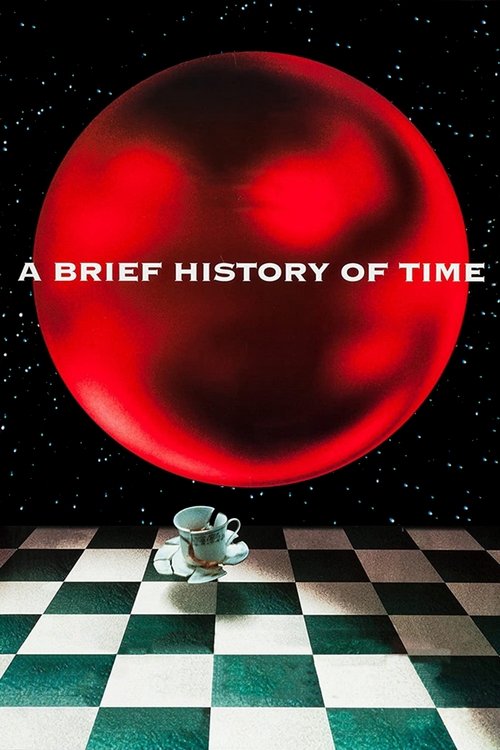
A Brief History of Time1991
Both films are fascinated by intelligence trapped in an immobile body—the dinosaur animating Mechagodzilla's corpse, Hawking speaking through a machine. Both ask: what is agency when your form is not your own?
Errol Morris's documentary portrait of Stephen Hawking, framed as a meditation on physics, disability, genius, and mortality. Visually stunning and philosophically restless.
But Abstract and oblique, with no conventional narrative; it moves at Hawking's pace, which means long stillness punctuated by profound thought.
People
Cast
 Katsuhiko SasakiBiologist Akira Ichinose
 Tomoko AiKatsura Mafune
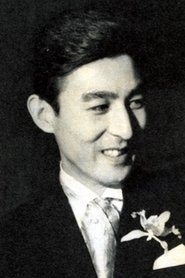 Akihiko HirataDr. Shinzô Mafune
 Tadao NakamaruINTERPOL Chief Tagawa
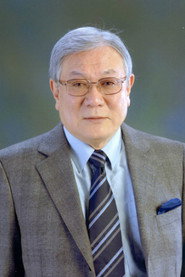 Gorō MutsumiCommander Mugal
 Masaaki DaimonCaptain Kusakari
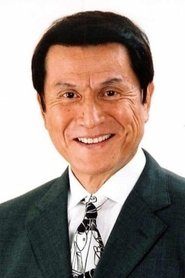 Katsumasa UchidaJiro Murakoshi
- Shin RoppongiYûuchi Wakayama
 Tōru IbukiDeputy Commander Tsuda
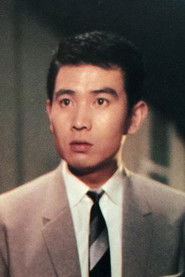 Kenji SaharaDefense Force Commander
 Kotaro TomitaProfessor Ôta
 Ikio SawamuraMafune's Butler
Directing
- Ishirō HondaDirector
- Kensho YamashitaFirst Assistant Director
- Eiichi AsadaThird Assistant Director
Writing
- Yukiko TakayamaScreenplay
- Yukiko TakayamaStory
Production
- Kenji TokoroAssociate Producer
- Tomoyuki TanakaExecutive Producer
- Shizuo NakajimaProduction Assistant
- Keisuke ShinodaProduction Manager
Recommended by
Ghidorah, the Three-Headed Monster, Destroy All Monsters, Godzilla vs. King Ghidorah