
Film
Space Amoeba
A 1970 Japanese monster film where alien parasites crash-land on a Pacific atoll and possess local wildlife, turning squid, crab, and turtle into gigantic mutant beasts. It's earnest, colourful creature-feature fun with practical effects that charm more than they terrify. Made for anyone who loves a good rubber monster rampage and doesn't need much justification beyond that.
If you liked this
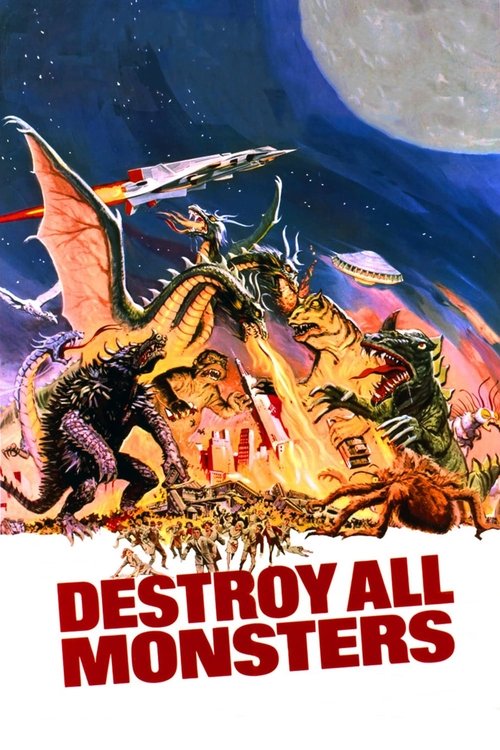
Destroy All Monsters1968
Toho's glorious monster-team-up film with Godzilla, Mothra, and King Ghidorah fighting aliens. Pure spectacle, rubber suits doing their best, and a plot that exists mainly to get creatures on screen. Joyfully absurd.
But The English dub is rough, and at 93 minutes it occasionally remembers it's trying to tell a story, which slows the monster action.
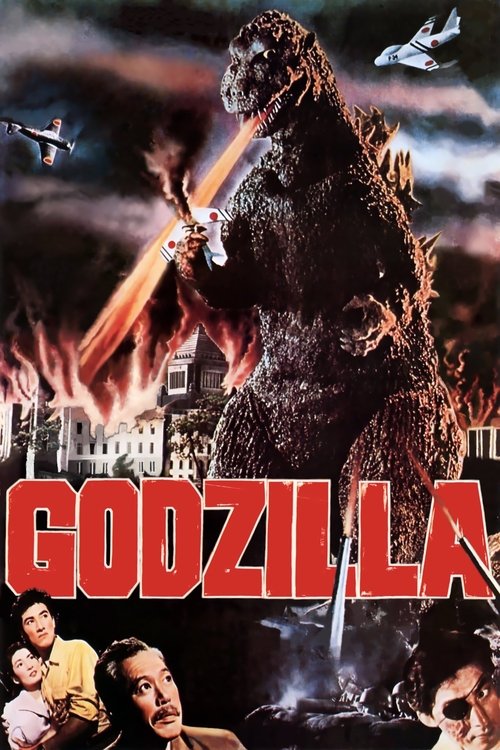
Godzilla1954
The original, and it's genuinely unsettling: a nuclear-age nightmare wrapped in monster-movie language. Serious, beautifully shot, and the creature design still commands respect. Shows what the form can achieve.
But It's slow and contemplative in places. If you want constant action, you'll find stretches of human drama you didn't ask for.
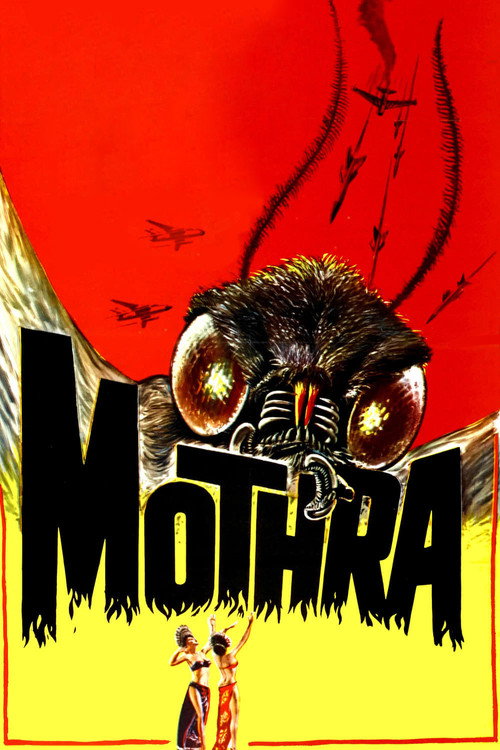
Mothra1961
A giant insect awakens to retrieve its offspring, and the film leans into the weird Japanese monster logic that makes these films special. Gorgeous colour cinematography, inventive creature work, and utterly sincere.
But The pacing is leisurely by modern standards, and the human subplot about tiny fairy twins won't appeal to everyone.
Not sure tonight? Get a pick in a minute, starting from Space Amoeba
The wildcard
Something you would not have found on your own.
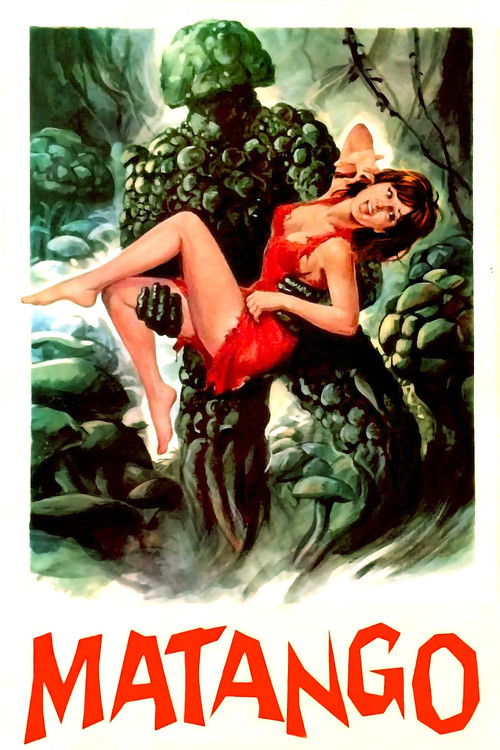
Matango1963
Both feature parasitic life forms from nature transformed into monsters, but Matango uses this premise to explore human desperation and madness, where Space Amoeba is pure spectacle. Different registers, same biological horror engine.
A shipwrecked crew stranded on an island encounters giant sentient mushrooms. Creeping body horror wrapped in sci-fi production design, psychological dread building through atmosphere rather than action. Deeply weird and unsettling in a way Space Amoeba isn't trying to be.
But There's almost no conventional monster action—it's a slow, claustrophobic descent into fungal nightmare. Long stretches are quiet and dialogue-heavy, and the ending is bleak.
More like this (7)
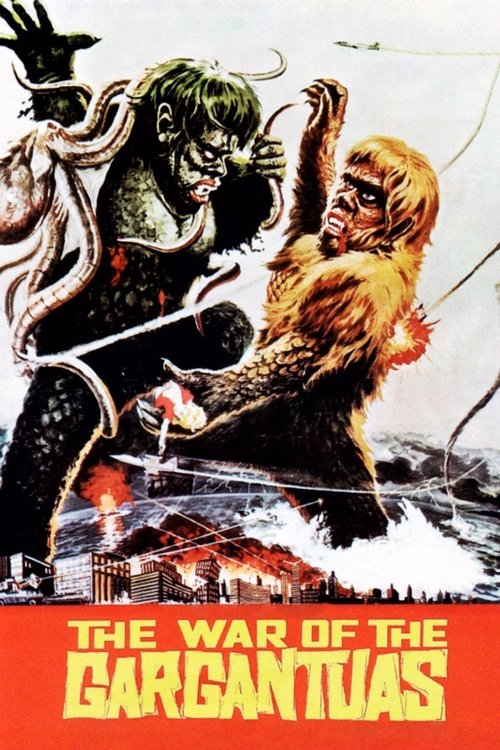
The War of the Gargantuas1966
Two giant hairy monsters rampage through Tokyo in glorious colour and rubber-suit glory. It's got fight scenes, destruction, and a moral question tucked in. Visually inventive and genuinely entertaining.
But The monster design is a bit lumpy, and the plot—something about a scientist's duplicated creation—doesn't hold up to scrutiny.
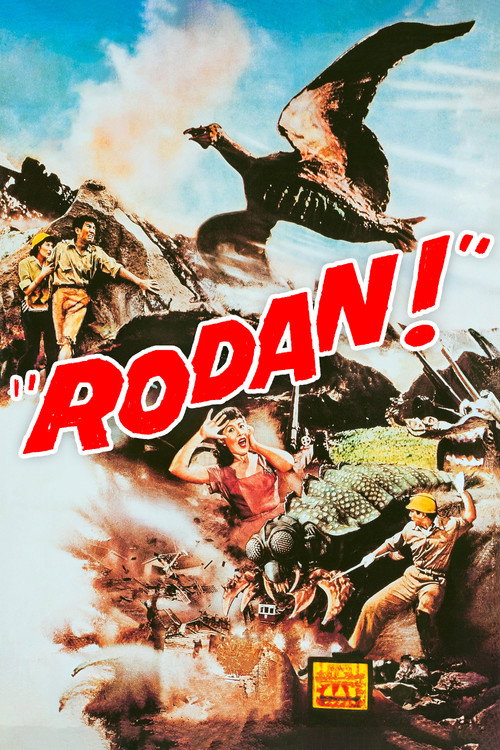
Rodan1956
Toho's flying monster epic, in gorgeous colour and widescreen. Two pteranodon-like creatures emerge from mines and clash over Tokyo. It's spectacular, well-paced, and the miniature work is genuinely impressive.
But The human drama is thin even by 1950s monster-movie standards, and if you find the rubber suit movement unconvincing, there's nothing here to persuade you otherwise.
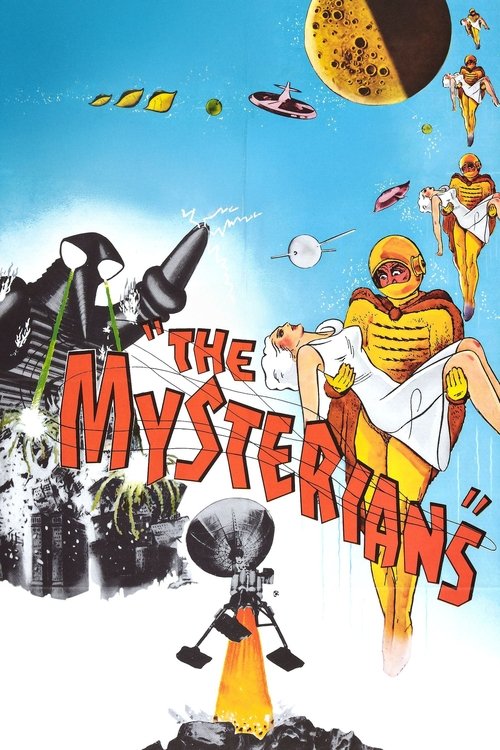
The Mysterians1957
Aliens arrive to colonize Earth and humanity fights back with 1950s ingenuity and special effects spectacle. It's got robots, flying saucers, and a earnest militaristic tone that's charming in its sincerity.
But It's long (89 minutes) and front-loaded with exposition. The aliens themselves are less interesting than their hardware.
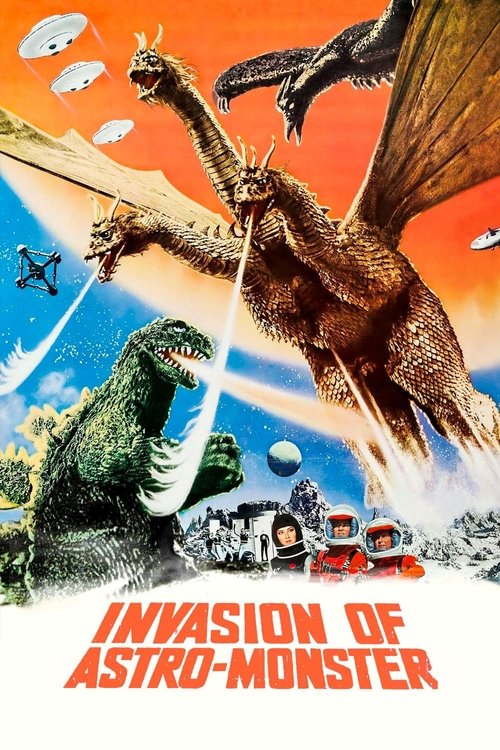
Invasion of Astro-Monster1965
Godzilla and Rodan are mind-controlled by aliens—yes, really—and must fight King Ghidorah. It's cheerfully nonsensical, packed with monster action, and shot in vivid colour. Pure fun without pretence.
But The plot is transparent filler between fights, the English dub is at times unintentionally hilarious, and the alien scheme makes no sense.
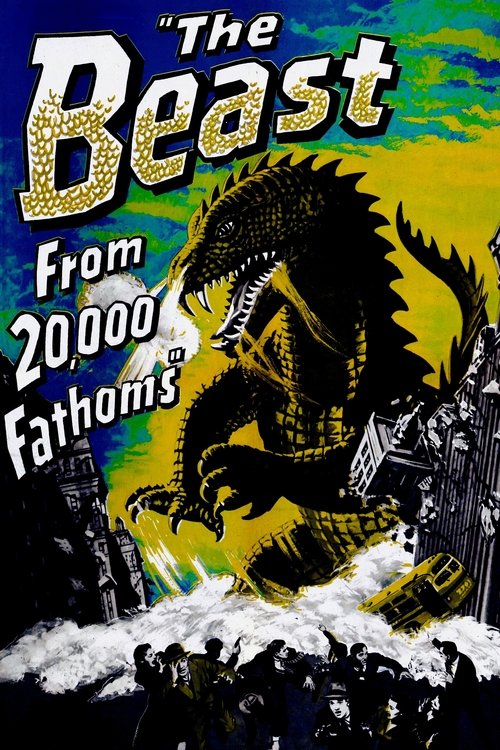
The Beast from 20,000 Fathoms1953
An atomic-awakened dinosaur emerges from the Arctic to terrorize the Eastern seaboard. Early American creature feature with stop-motion effects by Ray Harryhausen—rougher than later work but genuinely inventive.
But The stop-motion and live-action integration is occasionally jarring, the human romance subplot feels obligatory, and it moves slowly by creature-feature standards.
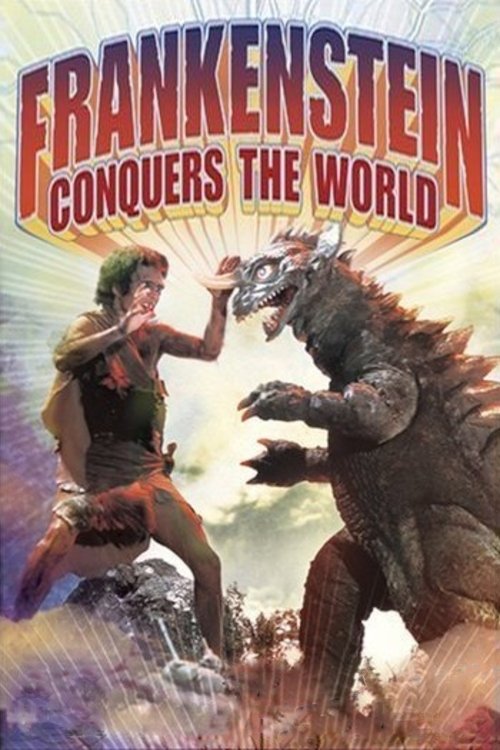
Frankenstein Conquers the World1965
Both are Japanese monster films about alien or artificial life imposing itself on a world, but Frankenstein Conquers the World treats its creature as a tragic figure deserving empathy. Space Amoeba just wants you to enjoy the spectacle of possessed beasts destroying things.
A severed heart from Frankenstein's monster regenerates into a full-size child creature in post-war Japan. Giant monster rampage, but the film is oddly melancholic—there's genuine pathos for the creature and a meditation on nuclear damage woven through the destruction.
But The monster is sympathetic rather than cool, which means less action-movie satisfaction. The tonal mix of tragedy and giant-monster-stomping doesn't always work.
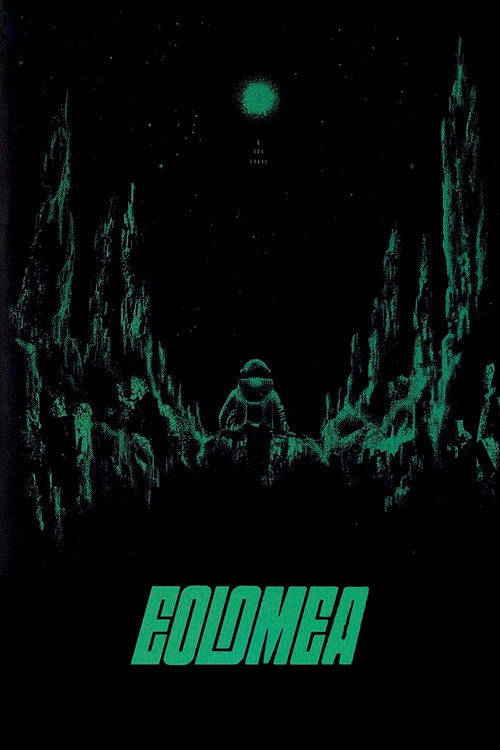
Eolomea1972
Both grapple with alien life encountering human civilization, but where Space Amoeba makes the aliens destructive forces to overcome, Eolomea asks what alien intelligence actually is and whether violence is inevitable. One is adventure; the other is philosophy wearing a space-suit.
A Soviet-East German co-production about a deep-space mission that encounters alien life. It's a slow-burn science fiction film—more Solaris than monster movie—focusing on first contact, communication, and existential unease. Beautifully composed, intellectually ambitious, visually strange.
But There are no monsters, no action sequences, and barely any plot in the conventional sense. It's contemplative, meditative, sometimes static. Patience required; rewards given only to those with it.
People
Cast
 Akira KuboTaro Kudo
- Atsuko TakahashiAyako Hoshino
 Yukiko KobayashiSaki, native girl
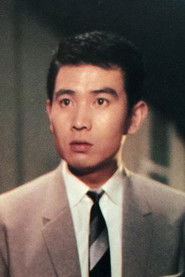 Kenji SaharaMakoto Obata
 Yoshio TsuchiyaDr. Kyoichi Mida
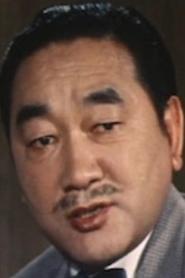 Tetsu NakamuraChieftain Ombo
 Yū FujikiAsia Development Promotion Division Manager
- Noritake SaitoRico
- Yûko SugiharaStewardess
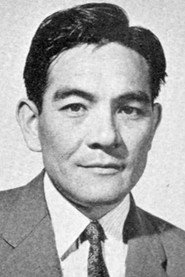 Sachio SakaiThe Editor
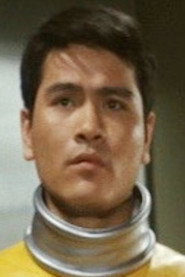 Chōtarō TōginYokoyama
 Wataru ŌmaeSakura
Directing
- Tsunesaburo NishikawaAssistant Director
- Ishirō HondaDirector
- Seiji TaniFirst Assistant Director
Writing
- Ei OgawaScreenplay
Production
- Fumio TanakaExecutive Producer
- Tomoyuki TanakaExecutive Producer
- Yasushi SakaiProduction Manager