
Film
Ebirah, Horror of the Deep
A goofy 1966 Godzilla film where teenagers accidentally wake the big guy to fight a giant lobster and defeat an evil organization on a mysterious island. It's colorful, silly, and moves fast—pure adventure-serial fun with rubber monsters, no pretence, and a moral clarity that borders on innocent. Perfect if you want creature chaos without angst.
Should you watch it?
Watch it if you enjoy monster films that are playful and bright, with a cheerful kids-adventure energy, a man-in-a-suit rubber creature, and a Pacific island setting where the spectacle is more fun than dread.
Skip it if the tone is goofy and the stakes feel light, so if you want menace or a brooding giant, the charm may feel thin.
What it asks of you: Brisk at eighty-seven minutes, it wants a willing suspension of disbelief rather than close attention, with few quiet stretches and nothing heavy to carry out afterward.
Not sure? Find tonight's pick in a minute.
If you liked this
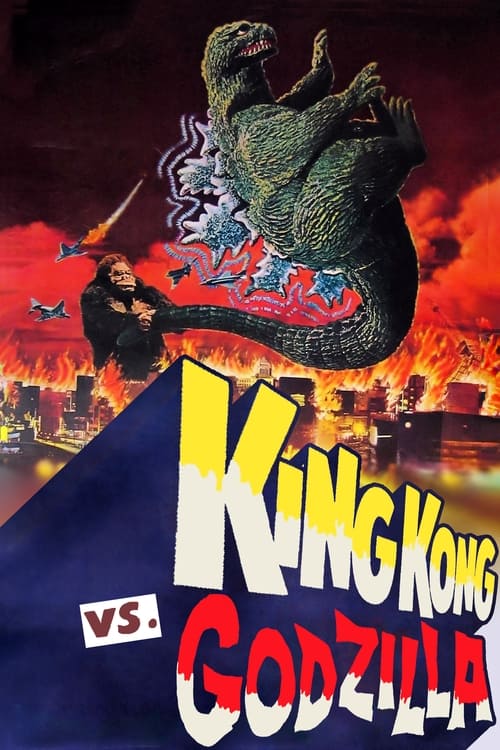
King Kong vs. Godzilla1962
The Showa-era template: two titans clash while humans scurry around. It has the same playful energy and monster-brawl logic, though with grander scale and sharper special effects than Ebirah.
But The dialogue is wooden and the pacing drags in places. If you find the human stuff tedious, this won't convert you.
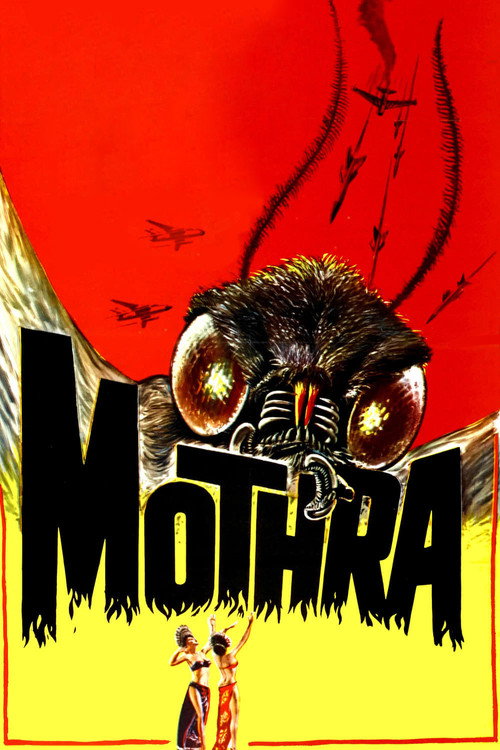
Mothra1961
Another Toho creature feature with the same mixture of earnest environmentalism and pure spectacle. A giant moth emerges to protect her twin fairies—it's weird, visually inventive, and genuinely charming.
But The musical numbers and saccharine tone around the Shobijin twins may feel cloying if you're in the mood for something edgier.
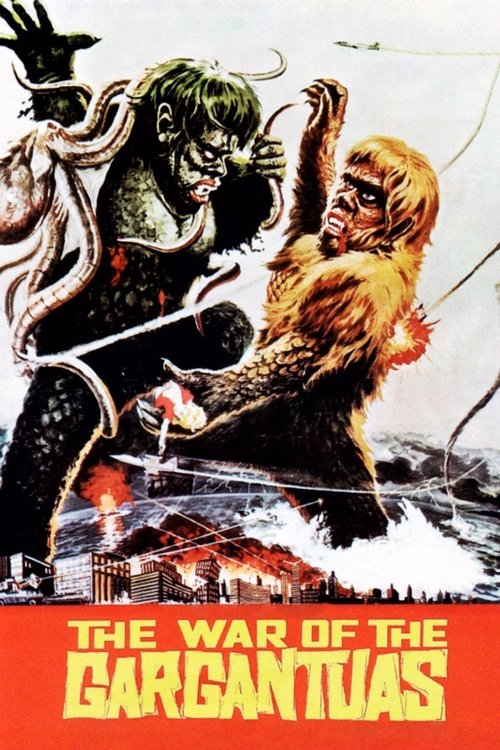
The War of the Gargantuas1966
Released the same year, same studio, same commitment to rubber suit mayhem. Two giant creatures rampage through Tokyo in color. It's nonsense with real conviction and some surprisingly good miniature work.
But The monster-on-monster violence feels blunt and repetitive. There's little character development to hang onto between the set pieces.
Not sure tonight? Get a pick in a minute, starting from Ebirah, Horror of the Deep
The wildcard
Something you would not have found on your own.
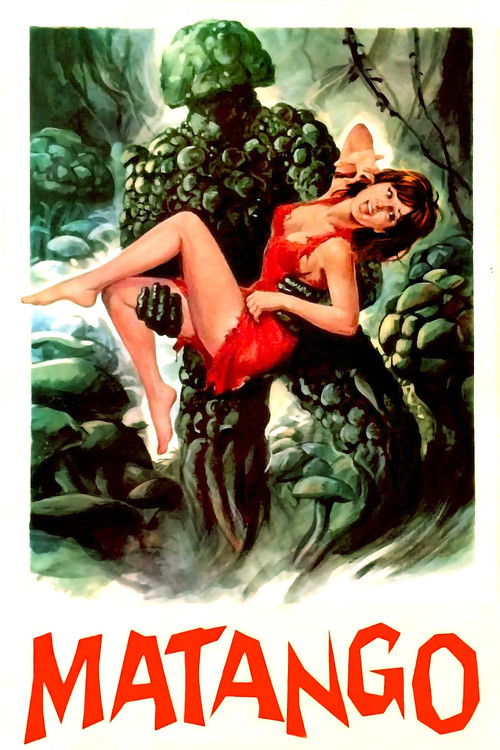
Matango1963
Both are Toho island-adventure films from the early 1960s, but Matango takes the stranded-on-an-mysterious-island premise into genuine dread rather than carnival.
A Toho science fiction film that abandons the monster-brawl formula entirely for existential horror on a fungal island. It's eerie, thoughtful, and visually unsettling—same studio, completely opposite register. If you're ready for Toho to scare you after Ebirah amused you, this is the pivot.
But It's slow, claustrophobic, and deeply depressing. The fungal transformation body horror won't sit right if you wanted straightforward adventure.
More like this (7)
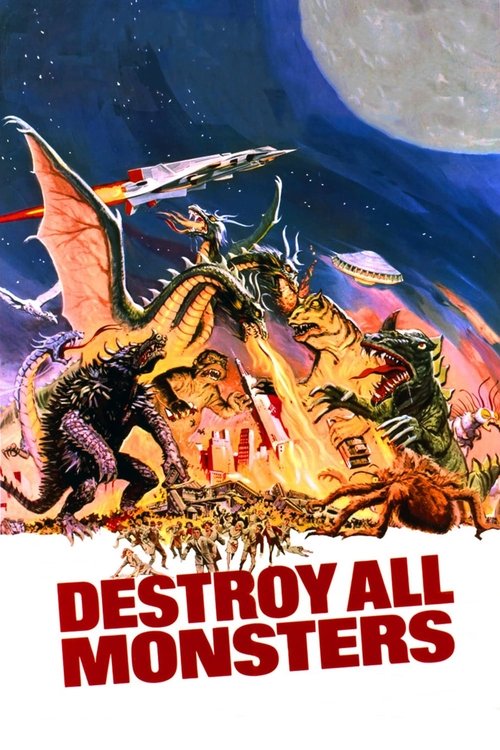
Destroy All Monsters1968
The Showa series at its most extravagant: nearly every Toho monster appears. Aliens, infiltration, mass destruction—it's pure carnival. If you loved Ebirah's anything-goes spirit, this is the logical extreme.
But So much is happening that nothing lands emotionally. It's exhausting rather than fun if you're not already committed to the premise.
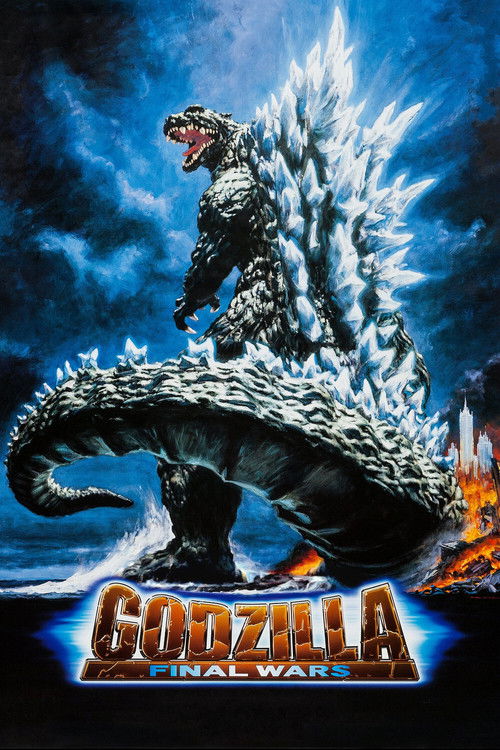
Godzilla: Final Wars2004
A modern Showa-style film that consciously apes the campy energy and rapid-fire monster introductions. It knows what it is and leans into it—more polish, same anarchic spirit.
But The human plot is aggressively dumb and the tone whiplashes between ironic and earnest. It tries too hard to wink at the audience.
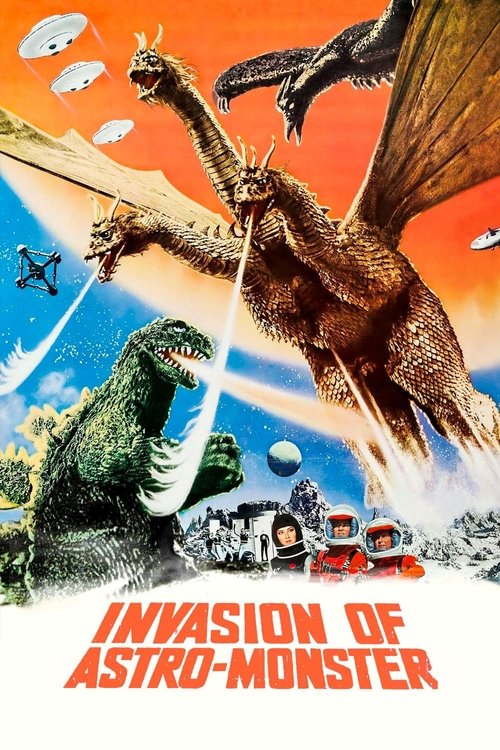
Invasion of Astro-Monster1965
Another Showa entry with aliens, robot-controlled monsters, and the same primary-color adventure tone. Godzilla gets mind-controlled; chaos ensues. It's bright and moves with purpose.
But The alien subplot feels tacked on and the resolution is anticlimactic. If you need stakes that feel genuine, this will frustrate you.
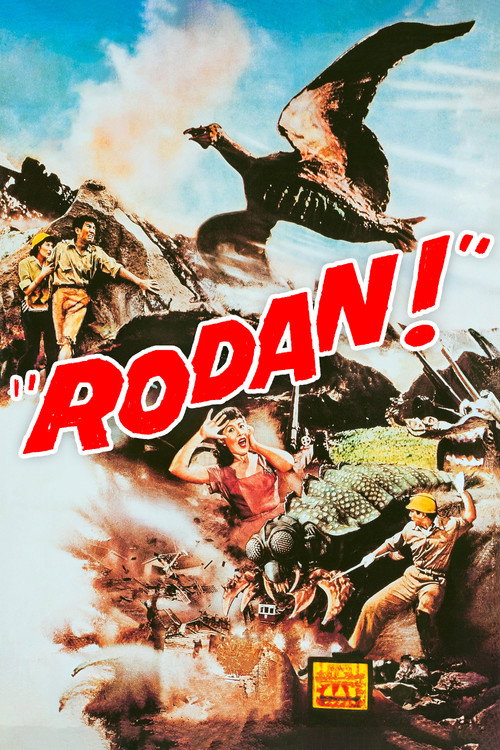
Rodan1956
A prototype for Toho's monster playbook: miners unleash a giant pteranodon. It has real atmosphere in its first half and some stunning miniature sequences. More serious-minded than Ebirah but from the same DNA.
But It's slow to get going and the tonal shift toward the end is jarring. Patience is required in the opening act.
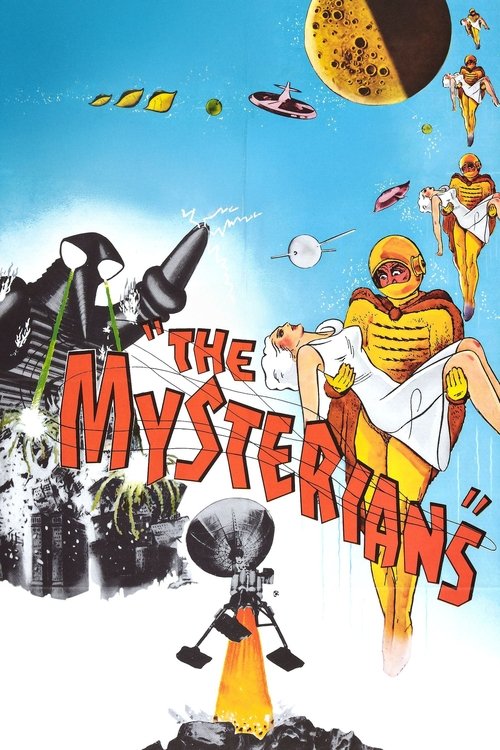
The Mysterians1957
Aliens invade Earth with giant robots; humanity fights back with experimental weapons. It's a creature feature mixed with Cold War paranoia and retro-futurism. Earnest, colorful, visually inventive.
But The romance subplot halts momentum whenever it surfaces. The science fiction concepts are half-baked and don't bear scrutiny.
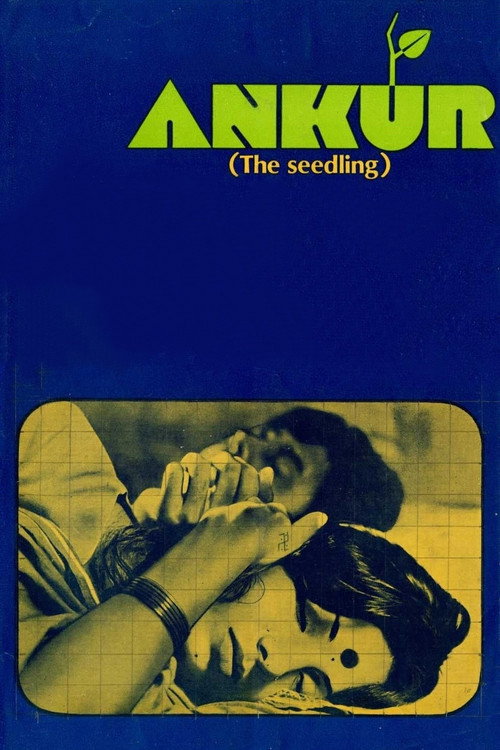
Ankur1974
Both hinge on enslaved people and liberation through awakening a power. Ankur makes explicit the political question Ebirah treats as cartoon logic.
An Indian social drama about exploitation and class conflict in rural land. Nothing like Ebirah on the surface, but it shares the same DNA: oppressed islanders, corrupt overseers, the awakening of a force to restore justice. Serious, slow, devastating.
But It moves at a crawl, the oppression is relentless and unglamorous, and there's no cathartic monster to solve things. If you want wish-fulfillment fantasy, this is the opposite.
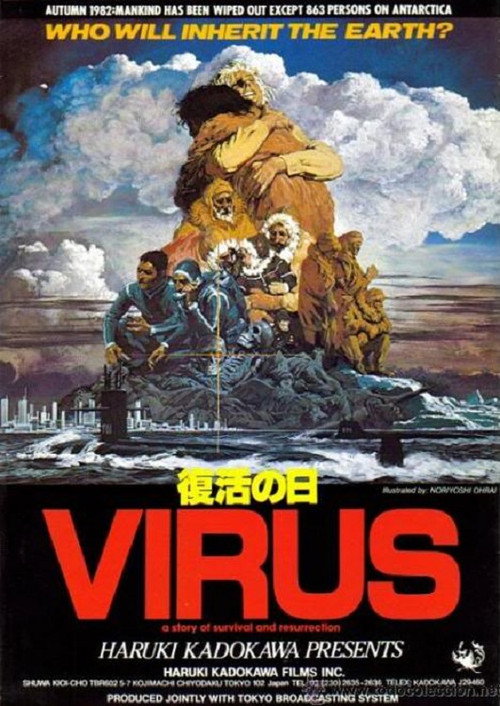
Virus1980
Same era sensibility and production style as Ebirah, same willingness to be garish about disaster, but with the emotional weight Ebirah never attempts.
A Japanese sci-fi disaster film where a pandemic wipes out humanity and the last survivors must rebuild. It has Ebirah's pulpy adventure energy but turned toward genuine apocalyptic scope and darker human stakes. Colorful, operatic, unexpectedly moving.
But It's 156 minutes long and genuinely depressing—the fun is in the spectacle and survival logic, not in catharsis. The human drama is melodramatic in ways that undercut the stakes.
People
Cast
 Akira TakaradaYoshimura
 Kumi MizunoDayo
 Akihiko HirataRed Bamboo Captain Ryui
 Jun TazakiRed Bamboo Base Commander
 Hideo SunazukaNita
 Chōtarō TōginIchino
 Tōru IbukiYata Kane
- Toru WatanabeRyota Kane
 Hideyo AmamotoRed Bamboo Naval Officer
 Ikio SawamuraElderly Slave
 Hisaya ItoRed Bamboo Scientist
- Shigeki IshidaNewspaper Editor
Directing
- Masaaki HisamatsuAssistant Director
- Seiji TaniAssistant Director
- Jun FukudaDirector
- Ken SanoFirst Assistant Director
Writing
- Tokiko IwataniLyricist
- Shinichi SekizawaScreenplay
Production
- Tomoyuki TanakaExecutive Producer