
Film
Godzilla: Final Wars
- Action
- Alien contact
- Relentless
Toho's 50th-anniversary swansong is pure, unhinged monster mayhem. Godzilla: Final Wars throws every creature in the vault at you—aliens, kaiju face-offs, martial arts, absurdist humour—across two hours that feel like someone crammed ten films into a blender. It's exhausting, ridiculous, affectionate nonsense made by people who'd already made 27 of these and had nothing left to prove.
Should you watch it?
Watch it if you want a loud, gleefully overstuffed monster rally where giant creatures get big, goofy showmanship and the whole thing plays like a love letter to decades of kaiju history.
Skip it if you need grounded effects and tight plotting, since the story is a chaotic, cheerfully messy stack of set pieces with broad acting and a tone that swings wildly.
What it asks of you: It runs just over two hours and rarely slows, cutting between cities, monsters and command rooms, so keep your attention on the screen rather than your phone.
Not sure? Find tonight's pick in a minute.
If you liked this
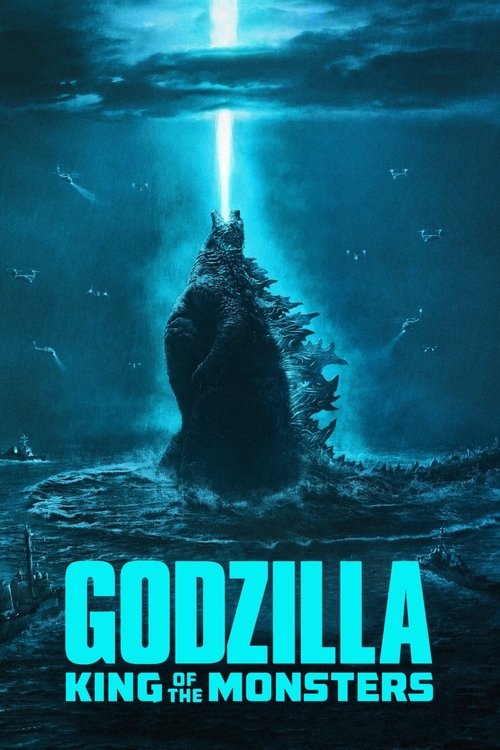
Godzilla: King of the Monsters2019
Modern Hollywood's proper answer to this same brief: a glossy, earnest monster battle royale with genuine spectacle. Mothra and King Ghidorah get their moment. The human plot doesn't intrude too much, and the fights are beautifully lit.
But Slower and more reverent than Final Wars; if you want the anarchic energy, this plays it safer. Also three hours long.
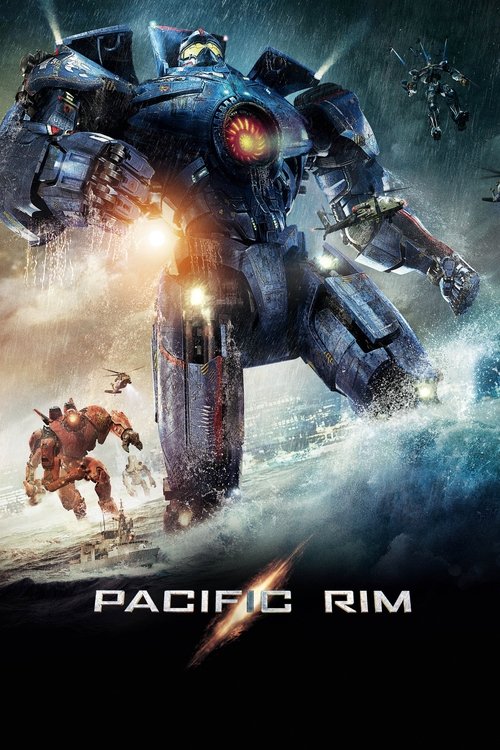
Pacific Rim2013
Del Toro's love letter to kaiju cinema, but sharper and more cohesive than Final Wars. Giant robots punch giant monsters with real wit underneath. You feel the affection for the source material in every frame.
But Still indebted to CGI spectacle rather than practical rubber suits. Less bonkers, more polished.
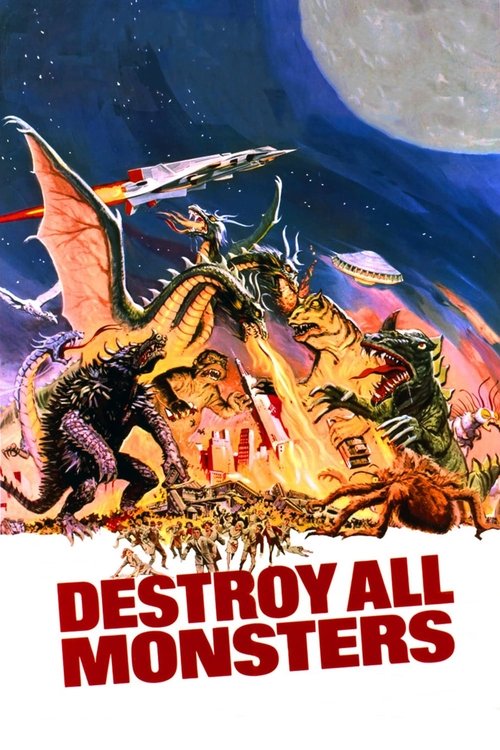
Destroy All Monsters1968
The grandfather of this exact movie: aliens invade, all Toho's monsters get deployed, Earth's last hope hinges on controlled chaos. In gorgeous monochrome. You see Final Wars' DNA directly.
But Slower pacing, less frenetic editing. The charm requires patience with 1960s monster-suit choreography.
Not sure tonight? Get a pick in a minute, starting from Godzilla: Final Wars
The wildcard
Something you would not have found on your own.
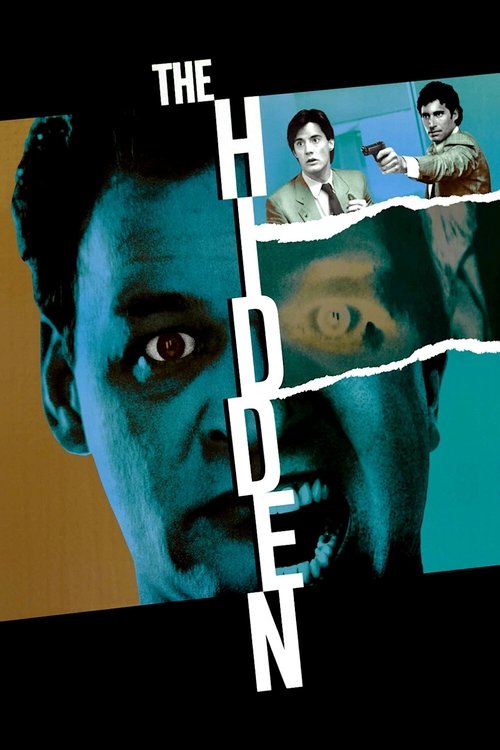
The Hidden1987
Both use alien invasion to ask 'who do we trust?', but Final Wars resolves it in chaotic spectacle while The Hidden never lets you relax.
An alien parasite invades Earth wearing human skin, forcing humans to hunt what looks like people. Like Final Wars' alien-invasion plot, but stripped to lean B-movie suspense, practical gore, and genuine dread. Perfect counterbalance: same skeleton, inverse tone.
But Grim and visceral rather than fun. No monsters to celebrate, just violation and paranoia. Also an '80s creature feature, so dated in ways that matter.
More like this (8)
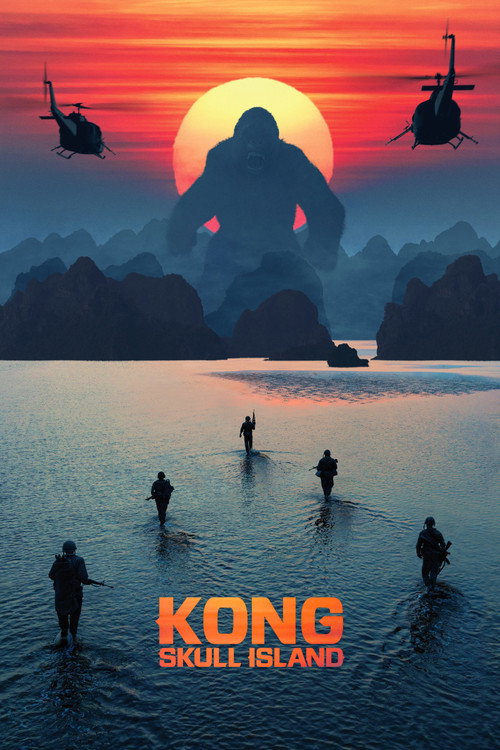
Kong: Skull Island2017
Captures the same anarchic creature-feature energy—monsters everywhere, a war nobody planned for, 1970s aesthetic fun, earnest humans scrambling. John C. Reilly steals every scene he touches.
But Sunnier and less gleefully weird than Final Wars. More grounded adventure, less pure chaos.
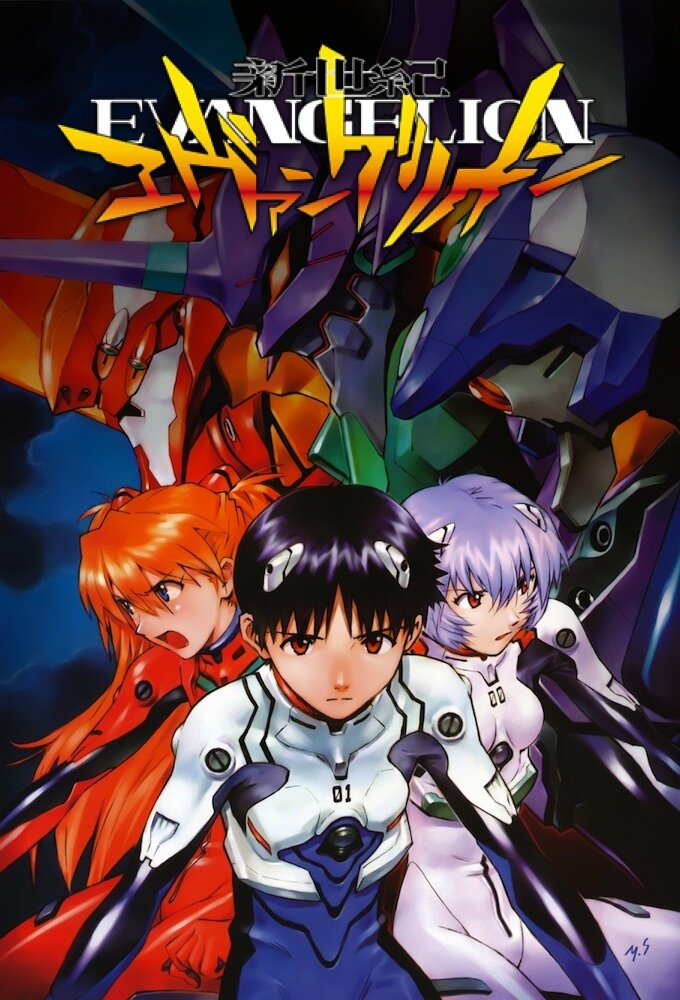
Neon Genesis Evangelion1995
Japanese sci-fi that also escalates into absurdist cosmic warfare, featuring aliens masquerading as allies, a teenager reluctantly forced to save the world, and genuine desperation. Utterly committed to strangeness.
But Deeply psychological and increasingly bleak. Final Wars is fun; this demands emotional investment and depression tolerance.
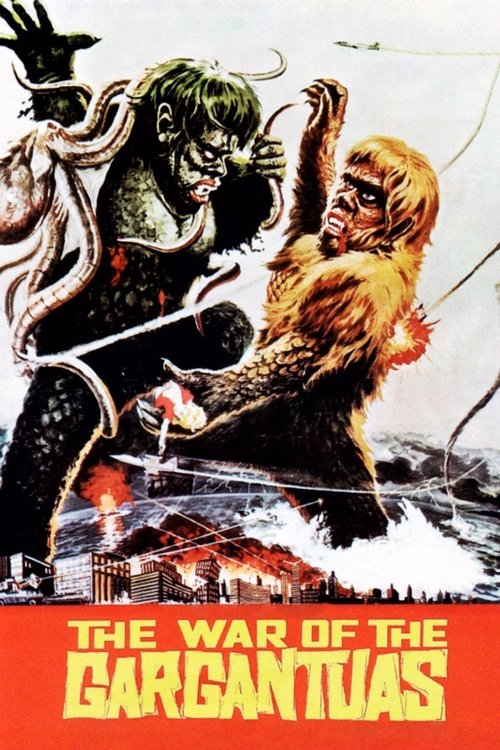
The War of the Gargantuas1966
Toho monster spectacle when the formula was still being improvised. Two giant creatures, Tokyo destruction, bonkers climax—watch the DNA that led to Final Wars' particular brand of 'why not both?'
But Much slower. Creature effects, while charming, are dated even for 1966. Requires genuine affection for the form.
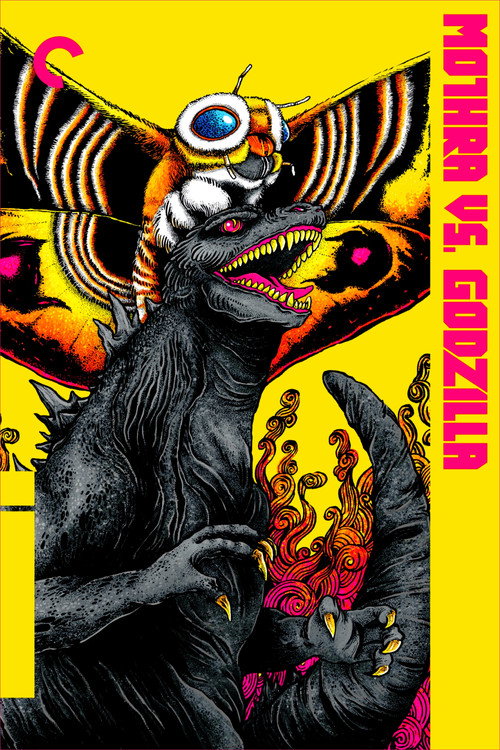
Mothra vs. Godzilla1964
The moment Toho realized multiple monsters fighting was endlessly rewatchable. Mothra is genuinely weird and beautiful. Early proof that these films thrive on strangeness rather than coherence.
But The plot takes itself seriously. If you want pure monster chaos rather than human drama, earlier Godzilla films can drag.
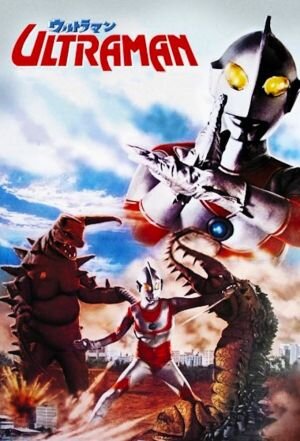
Ultraman1966
The conceptual ancestor to Final Wars' alien-invasion framework, executed with colour and practical effects that still sing. Campy, strange, absolutely committed to its own logic. Essential viewing for kaiju fans.
But Episodic 1960s TV pacing. Repetitive structure. The charm wears thin if you're not already predisposed to the era.
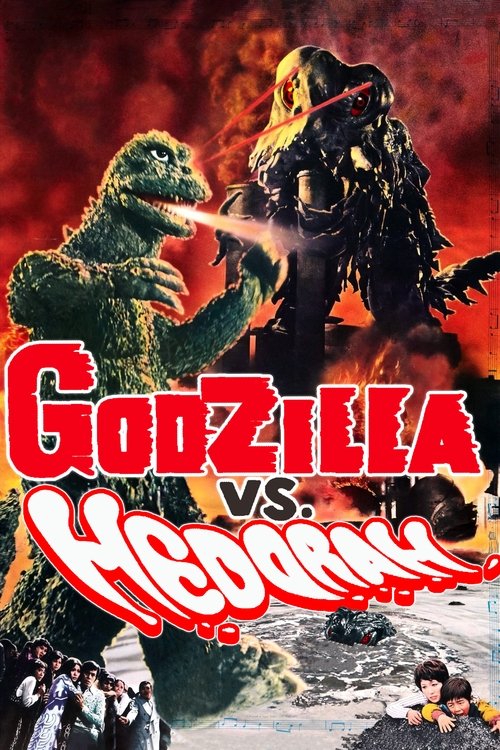
Godzilla vs. Hedorah1971
The strangest entry in the original series; trippy, genuinely unhinged, a pollution monster that feels like an acid trip. It's proof Toho never needed Final Wars to go weird—they always were weird.
But Slow by modern standards. Surrealism doesn't land if you're impatient. Some scenes feel like test footage rather than finished film.
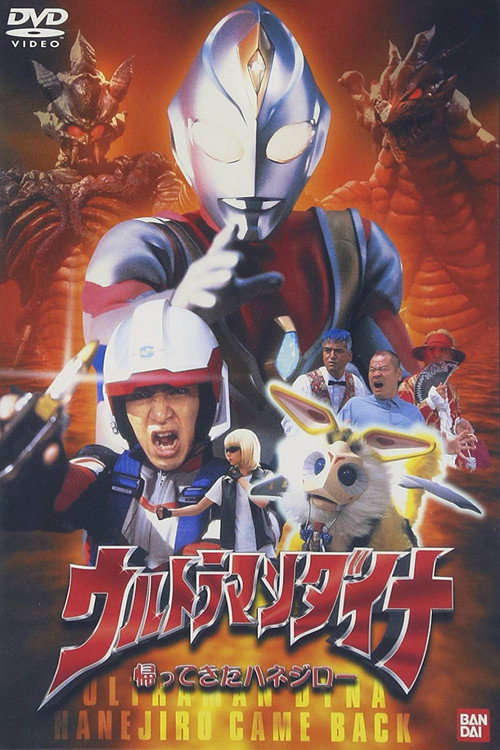
Ultraman Dyna: The Return of Hanejiro2001
Both are love letters from practical-effects artists who'd spent decades perfecting rubber monsters. You feel the craftspeople's joy in both.
Japanese tokusatsu rarely made outside Japan, so genuinely hard to find—but it's the closest spiritual sibling to Final Wars' commitment to practical effects, monster designs, and sheer absurdist spectacle. Extremely earnest, utterly bonkers.
But You need patience for tokusatsu pacing and formula. Subtitled, obscure, and the episode numbering is a puzzle. Not a gateway drug.
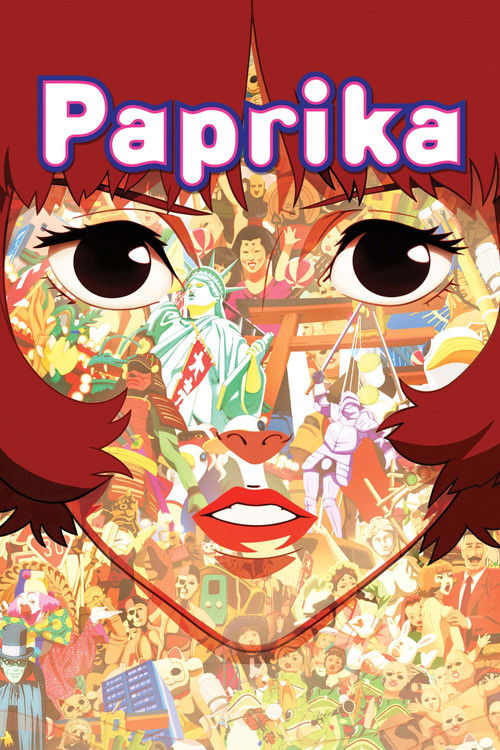
Paprika2006
Both believe cinema should overwhelm you with images and joy rather than make you comfortable. Both say yes to every idea.
Satoshi Kon's anarchic reality-fracturing dream film has Final Wars' same DNA: too much happening at once, practical and digital chaos colliding, dream logic in a sci-fi framework, genuine wonder buried under spectacle. Japanese maximalism at its most joyful.
But Completely plot-incoherent by conventional standards. Dizzying. You have to surrender to cinema rather than follow narrative. Not everyone's medicine.
People
Cast
 Masahiro MatsuokaShin'ichi Ôzaki
 Rei KikukawaMiyuki Otonashi
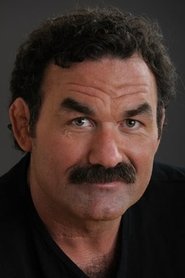 Don FryeCaptain Douglas Gordon
 Maki MizunoAnna Otonashi
 Kazuki KitamuraThe controller of Planet X
 Kane KosugiKatsunori Kazama
 Kumi MizunoCommander Akiko Namikawa
 Akira TakaradaUN Secretary General Naotarô Daigo
 Masatô IbuXilian General
 Masanobu TakashimaMajor Kita
 Shigeru IzumiyaSamon Taguchi
 Jun KunimuraMajor Kumoro
Directing
- Michihiro TakedaAction Director
- Ryuhei KitamuraDirector
- Hiroshi SaitoFirst Assistant Director
- Miho IizukaScript Supervisor
- Emi TaniguchiSecond Assistant Director
- Makoto KumazawaSecond Assistant Director
- Nao IchiharaSecond Assistant Director
- Shingo SetoSecond Assistant Director
- Ryuichi TakatsuSecond Unit Director
- Daisaku KobayashiSecond Unit First Assistant Director
- Futoshi SatoSecond Unit First Assistant Director
- Hideaki MurakamiSecond Unit First Assistant Director
- Nozumu AitaSecond Unit First Assistant Director
Writing
- Isao KiriyamaScreenplay
- Ryuhei KitamuraScreenplay
- Wataru MimuraScreenplay
- Shogo TomiyamaStory
Production
- Hidemi KomoriAssistant Production Manager
- Hiroko GotoAssistant Production Manager
- Masaaki IshiiAssistant Production Manager
- Masahiko TakahashiAssistant Production Manager
- Takahiro KikushimaAssistant Production Manager
- Takuya AkashiAssistant Production Manager
- Ritsuko SuzukiAssociate Producer
- Shirô KidoCasting
- Ryuta TakayaCasting Assistant
- Shogo TomiyamaExecutive Producer
- Kazunari YamanakaProducer
- Kiyomi KanazawaProduction Manager
- Takahiro KawadaProduction Manager
Recommended by
Lake Placid vs. Anaconda, Destroy All Monsters, Ebirah, Horror of the Deep, Thunderbirds, Ultraman Tiga: The Final Odyssey