
Film
The Winding Stair
A 1925 silent romance that sends a French Foreign Legion officer into moral quicksand when duty and desire collide at a remote desert outpost. Alma Rubens carries the film with luminous intensity, caught between empire and human connection. It's a compact, emotionally precise drama about the cost of orders—restrained where you'd expect melodrama, devastatingly clear-eyed about its characters' impossible choices.
Should you watch it?
Watch it if you like hour-long melodramas from the silent years, where a glance and a shadowed doorway carry more weight than dialogue ever could.
Skip it if you need modern pacing and plain-spoken dialogue, since the acting is broad and the romance plays out in big, stagey gestures that can feel dated.
What it asks of you: Sixty minutes is brief, but it moves at an unhurried, atmospheric pace, so you'll need patience for lingering looks and slow scenes rather than quick cuts.
Not sure? Find tonight's pick in a minute.
If you liked this
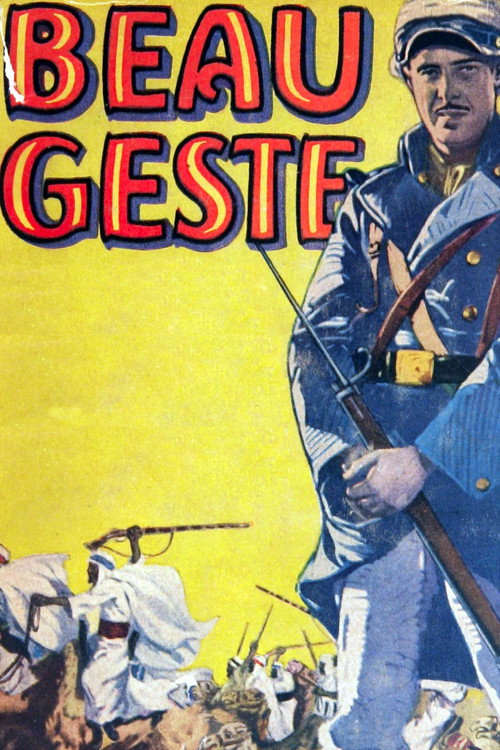
Beau Geste1926
The definitive Foreign Legion adventure, made just a year later. Ronald Colman in the role that defined the archetype: honor, sacrifice, and the desert as both refuge and trap. Spectacular action and genuine emotional weight.
But It's a rousing adventure first and introspection second. If you want lingering moral ambiguity over heroic clarity, this trades some of what makes The Winding Stair special.
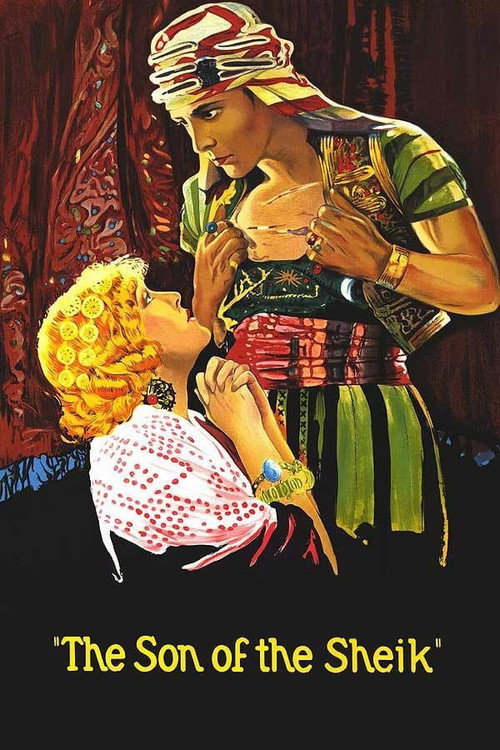
The Son of the Sheik1926
Rudolph Valentino's final film, and it has the same romantic intensity and colonial setting. A tale of passion and power that understands how desire destabilizes certainty. Vilma Bánky matches his heat.
But More conventionally dramatic and less psychologically complex. The exoticism can feel dated in ways that matter. Shorter on moral nuance than on spectacle and embrace.
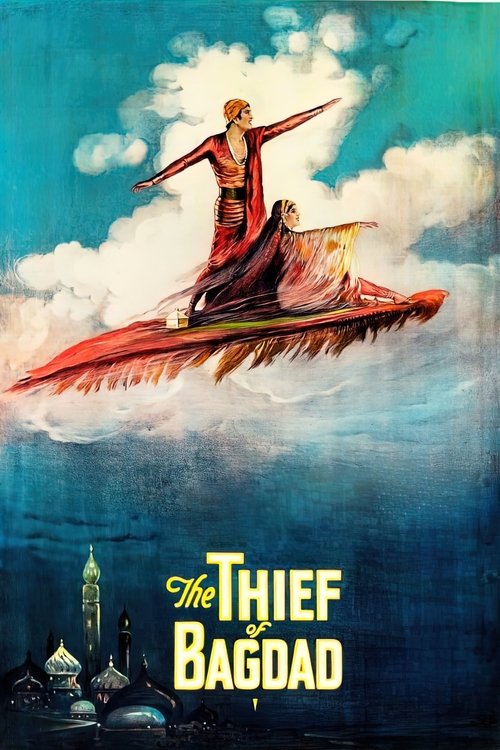
The Thief of Bagdad1924
Douglas Fairbanks in a fantasy of far-away lands, but what matters is how it captures the same intoxication with the exotic and impossible. Visual storytelling at the height of silent cinema's powers. Endlessly inventive.
But Pure adventure fantasy rather than grounded romance. The emotional stakes are lighter, the world more escapist. If you want earth under the story, this floats free of it.
Not sure tonight? Get a pick in a minute, starting from The Winding Stair
The wildcard
Something you would not have found on your own.
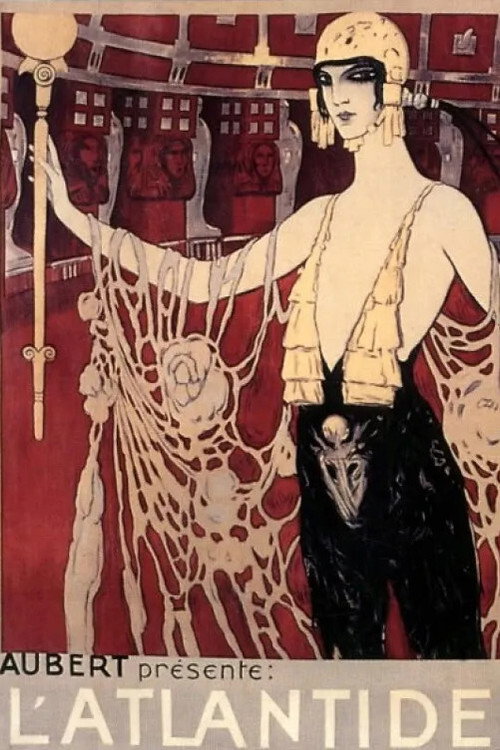
L'Atlantide1921
Both pit duty and desire against each other in remote colonial spaces where European order meets something untamable. Both ask what men will betray for passion.
A French film about a Foreign Legion officer drawn to a mysterious woman in the Sahara. It has the same colonial setting and romantic entrapment, but leans into the mythic and the supernatural. Visually extraordinary, genuinely strange.
But It's more fantastical than The Winding Stair, which grounds its drama in plausible conflict. Pacing is slow and dreamlike. The strangeness can overwhelm the human story if you're not in the mood for it.
More like this (8)
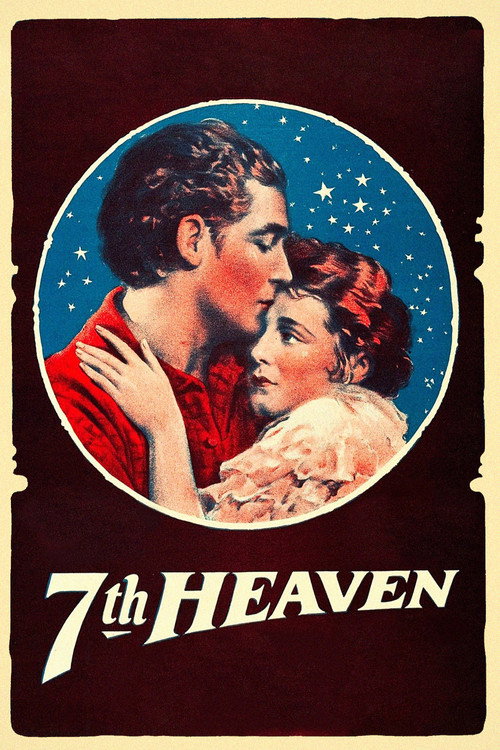
7th Heaven1927
Janet Gaynor and Charles Farrell in a romance that asks what love costs when the world is collapsing. Set against WWI Paris, it has the same tension between personal feeling and historical moment. Tender and aching.
But It's more sentimentally pitched than The Winding Stair. The city itself does some of the emotional work here in ways that might feel easier, less earned.
The Phantom Carriage1921
Século Sjöström's masterpiece about regret and duty. Swedish, contemplative, visually extraordinary. It shares The Winding Stair's interest in how choices echo and trap us. Silent cinema at its most spiritually searching.
But It's a ghost story, which shifts the register entirely. Slower, colder, more concerned with the metaphysical than the romantic. Not for viewers wanting warmth or clear narrative momentum.

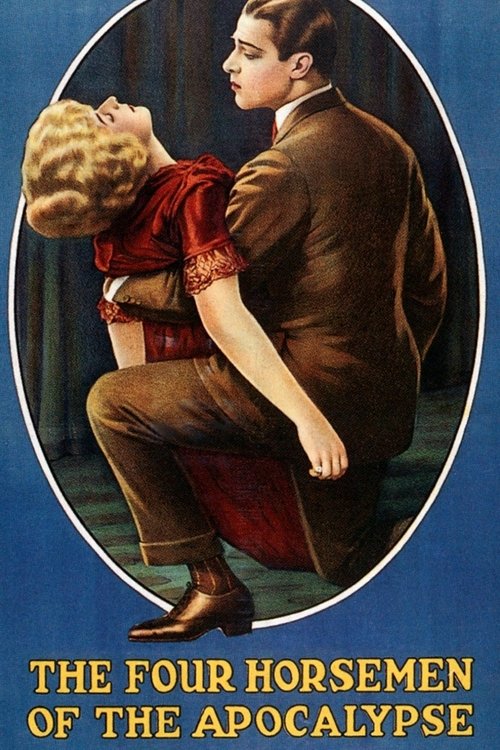
The Four Horsemen of the Apocalypse1921
Rudolph Valentino again, but as a man caught between nations and loyalties during the Great War. The same colonial and romantic tensions, elevated by actual historical stakes. Enormous scope and genuine human cost.
But It's much longer and more ambitious in scale. Can feel dated in its politics. The romance is part of a bigger machine, not the center of gravity.
Sunrise: A Song of Two Humans1927
F.W. Murnau's masterpiece about temptation and redemption. A man torn between duty to family and desire for another woman. Visually inventive, morally serious, heartbreaking without sentimentality.
But It's set in modern times (contemporary to its making), not exotic lands. The aesthetic is expressionist rather than romantic. Some find its resolution too neat.

The Lodger: A Story of the London Fog1927
Hitchcock's psychological thriller about suspicion and isolation. Like The Winding Stair, it traps characters in confined spaces where truth becomes unreliable. Tense, visually bold, genuinely unsettling.
But It's a thriller, not a romance. The mood is paranoid rather than passionate. If you want emotion to be central, this is colder and more intellectual.

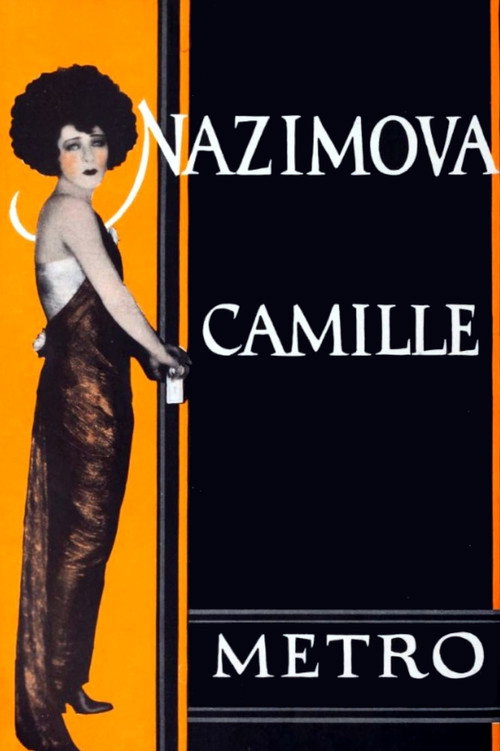
Camille1921
Rudolph Valentino and Alla Nazimova in a doomed romance about sacrifice and class. Like The Winding Stair, it asks what people will surrender for love and duty. Intimate and fatalistic.
But Illness and death dominate the emotional landscape. It's sadder and less complex morally. The inevitability of tragedy can feel operatic rather than lived.
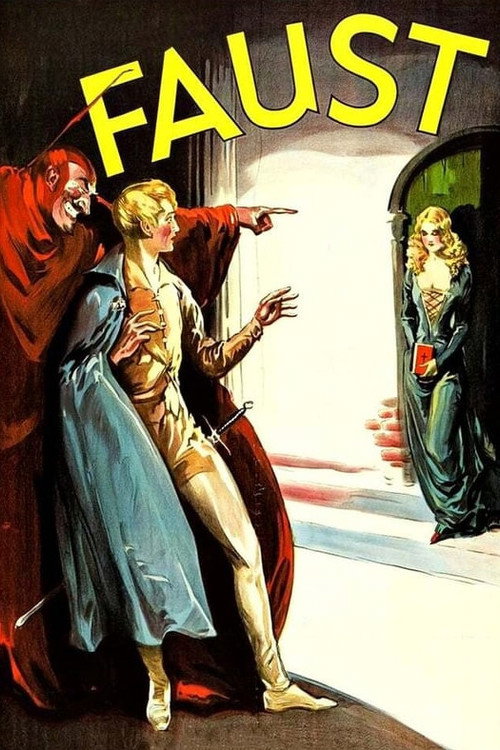
Faust1926
Both center on a man facing an impossible choice between duty and desire, with the suggestion that one path leads to moral corruption and the other to sacrifice. Both are ultimately about the terrible clarity of consequence.
F.W. Murnau's vision of Goethe's play, visually radical and morally searching. Like The Winding Stair, it's about a man offered everything if he'll abandon his principles—about the price of temptation and the cost of choice. Hypnotic and profound.
But It's German expressionism, not romantic drama. Operatic in scale and tone. The moral weight is very heavy, the visual language very stylized. Not an easy watch even for silent film lovers.
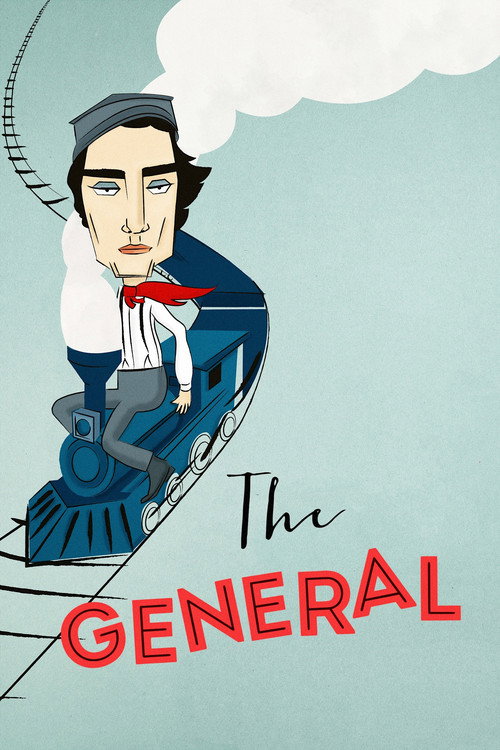
The General1926
Both are films about characters trying to honor conflicting loyalties (nation versus heart, duty versus love) and discovering that the conflict is not resolvable through heroism or sacrifice—only through choosing and accepting loss.
Buster Keaton's silent comedy about a Confederate soldier during the Civil War, caught between loyalty to his country and love for his woman. It's a romance and an action film, but what matters is how love and duty actually clash—not sentimentally, but structurally. Brilliantly constructed.
But It's comedy, which means the register is entirely different from The Winding Stair. Keaton's deadpan emotional delivery won't feel like the romantic intensity you might expect. The humor can undercut the stakes.
People
Cast
 Alma RubensMarguerite
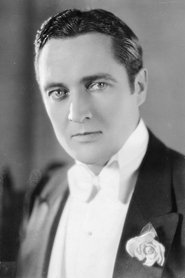 Edmund LowePaul
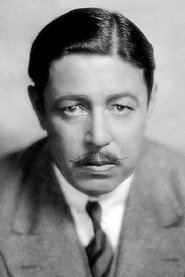 Warner OlandPetras
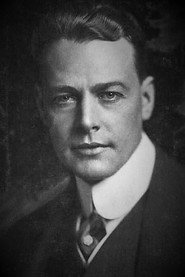 Mahlon HamiltonGerard
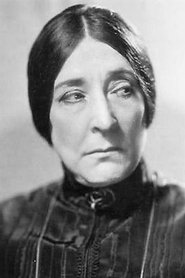 Emily FitzroyMadame Muller
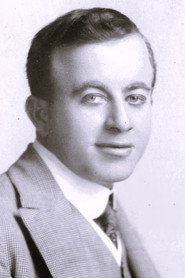 Chester ConklinOnery
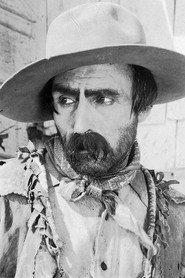 Frank LeighAndrea

 Zalla ZaranaFifi
Directing
- John Griffith WrayDirector
Writing
- A.E.W. MasonStory
- Julian La MotheWriter