
Film
Why Change Your Wife?
- Romantic comedy
- Light-hearted
A 1920 silent comedy about marriage, reinvention, and the things we chase when we think we want to escape. Gloria Swanson plays a wife who transforms herself after her husband strays, leading to a delicious reversal where he realizes what he abandoned. It's funny, touching, and surprisingly modern about desire and self-invention.
Should you watch it?
Watch it if you enjoy sly, clothes-and-manners comedy about grown-up marriages, where the vanity and boredom of both partners are teased rather than lectured.
Skip it if you need fast plot or modern pacing, since this 90-minute comedy of manners moves at a leisurely clip and leans on arch gestures and performance more than wit.
What it asks of you: Expect a brisk ninety minutes, a stylized, slightly brittle tone, and patience with a plot that meanders through its romantic detours while it grins at its characters.
Not sure? Find tonight's pick in a minute.
If you liked this
Sunrise: A Song of Two Humans1927
F.W. Murnau's masterpiece about a marriage threatened by temptation, then miraculously restored. Like *Why Change Your Wife?*, it finds the sacred in the ordinary and believes in redemption through seeing your partner anew.
But It's silent, painterly, and moves at its own meditative pace—not a film for passive watching. Some find the earnestness overwhelming.

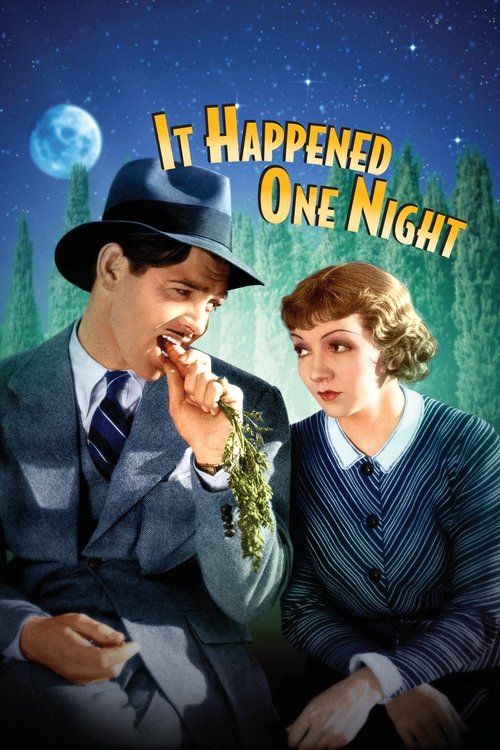
It Happened One Night1934
Capra's screwball romance about a couple who thought they knew everything about love until they actually spoke to each other. The same alchemy: bickering, revelation, transformation. Smart and endlessly charming.
But The screwball rhythm can feel dated if you're not in the mood, and the class dynamics won't read the way they did in 1934.
Breakfast at Tiffany's1961
Audrey Hepburn as a woman constantly reinventing herself to escape boredom. Like Beth Gordon, she's smart enough to know that looking the part is part of becoming it—but the film asks what happens when the real person underneath matters more.
But The romance feels secondary to the character study for much of the runtime. Some find that frustrating.

Not sure tonight? Get a pick in a minute, starting from Why Change Your Wife?
The wildcard
Something you would not have found on your own.
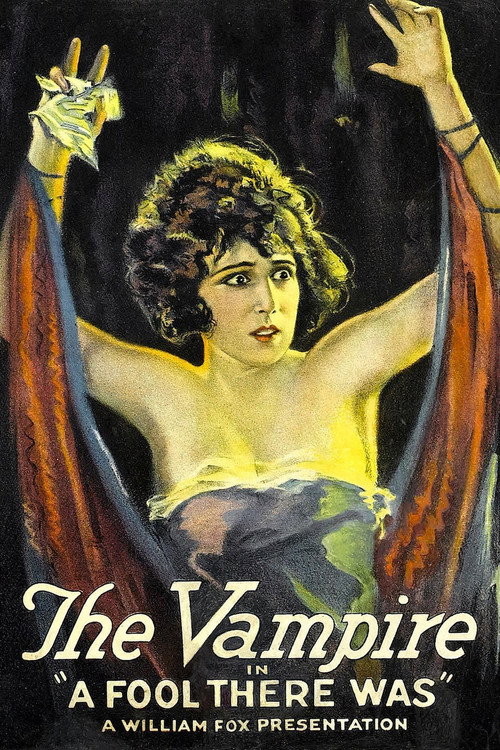
A Fool There Was1915
Both are silent comedies about marriage destabilized by desire, but one believes in redemption and the other in damnation. They're inverse takes on the same premise—the cautionary tale versus the redemption narrative.
Theda Bara as the vampire who destroys a marriage by seduction. *Why Change Your Wife?* asks what happens when both people wake up; this asks what happens when only one person is awake. A dark mirror, and the performance is haunting.
But It's a morality play with all the subtlety that implies. The misogyny is baked in, and the ending is bleakly punitive toward the woman.
More like this (8)
Singin' in the Rain1952
Gene Kelly and Debbie Reynolds navigate Hollywood ego, attraction, and the illusion of surfaces. It's superficially lighter, but it's asking the same question: who do we become when we're performing, and when does performance become lies?
But It's relentlessly cheerful, which can feel exhausting if you're in a darker mood.

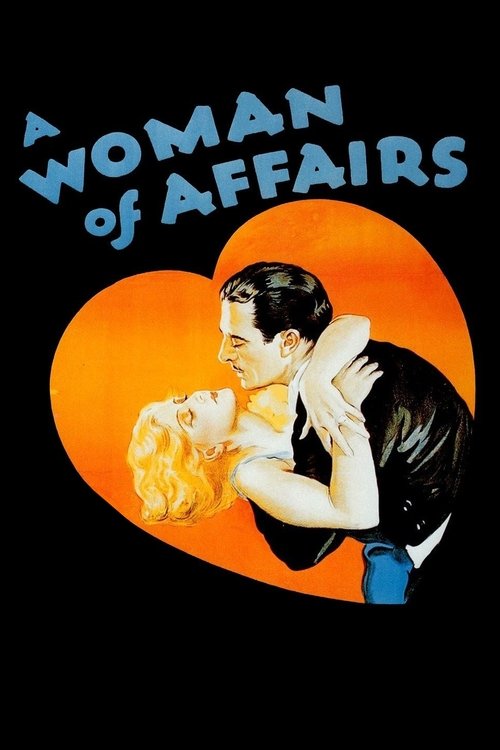
A Woman of Affairs1928
Greta Garbo in another DeMille-adjacent meditation on marriage, scandal, and whether respectability matters. Silent, sophisticated, and beautifully photographed. A perfect companion piece to *Why Change Your Wife?*
But It's slower than modern cinema; patience with silence and stillness is essential.
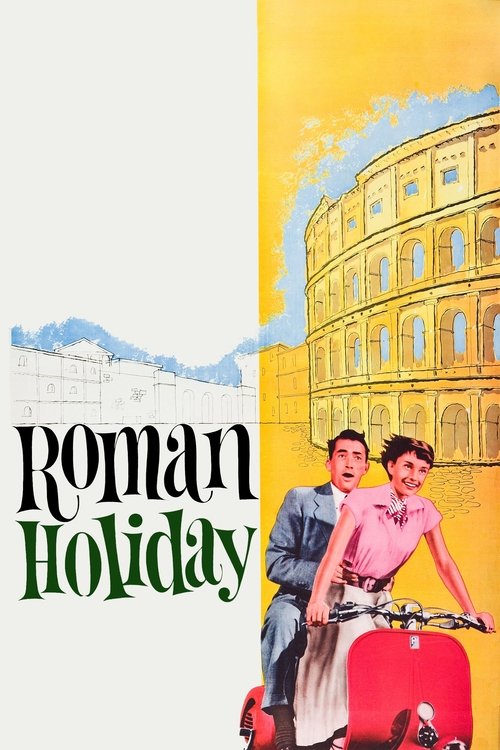
Roman Holiday1953
Audrey Hepburn and Gregory Peck in a romance about two people shedding their expected roles to find something real. The pleasure comes from watching them become themselves, not from the plot mechanics.
But The ending divides people sharply. Some find it romantic; others find it heartbreaking in a way that sours the whole film.
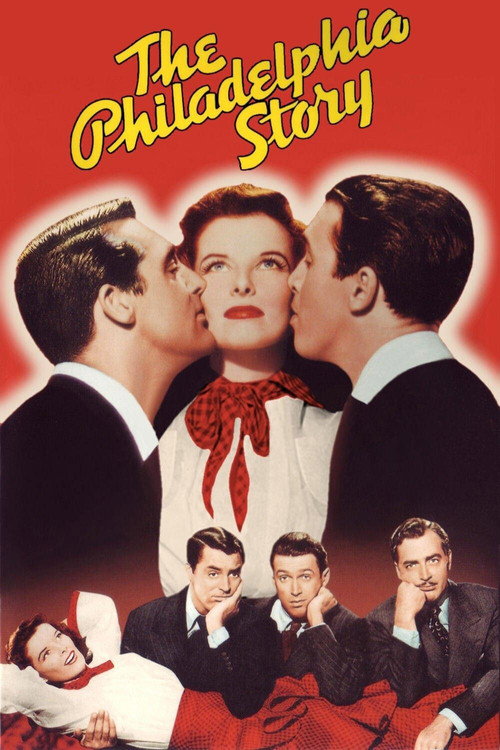
The Philadelphia Story1940
A woman about to remarry discovers that her first husband—and herself—are nothing like she remembered. Witty, graceful, and genuinely interested in the architecture of marriage and who we become in it.
But The gender politics are dated in ways the comedy can't quite transcend, and the resolution some find pat.
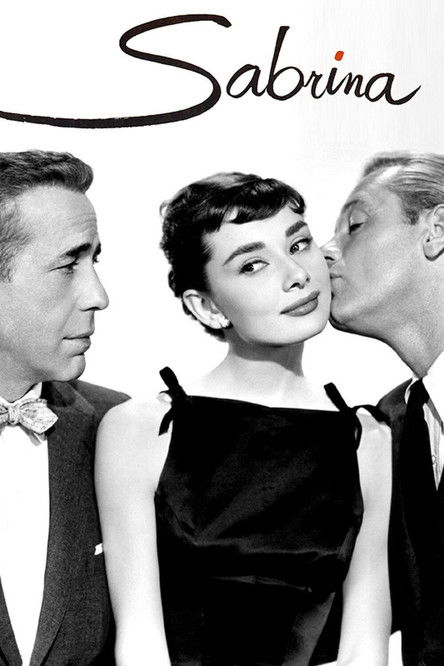
Sabrina1954
Audrey Hepburn returns from Paris transformed, forcing two men to reckon with who she actually is versus who they thought she was. It's *Why Change Your Wife?* with chauffeurs and Givenchy, but the emotional architecture is identical.
But The love triangle can feel contrived, and Bogart and Holden have undeniable chemistry that makes the ending feel forced.
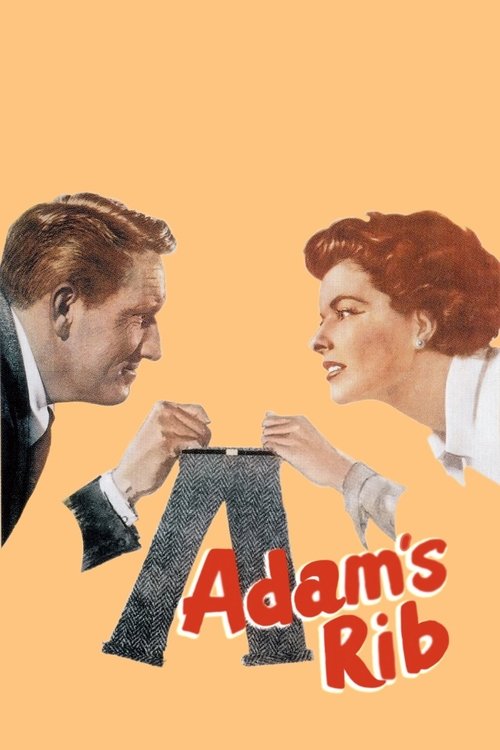
Adam's Rib1949
Spencer Tracy and Katharine Hepburn as a married couple who become legal opponents. It's lighter than *Why Change Your Wife?*, but it shares the core insight: marriage is where you discover who your partner actually is.
But The screwball energy can feel thin in places, and some of the gender commentary, though progressive for 1949, hasn't aged seamlessly.
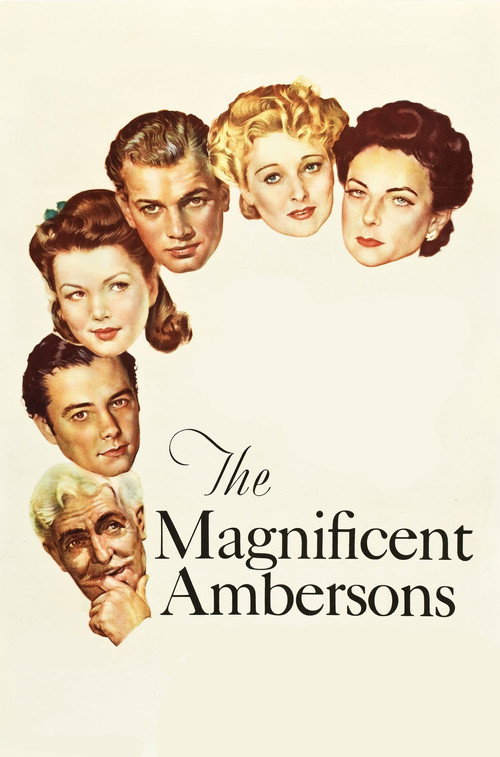
The Magnificent Ambersons1942
Both films turn on a moment of recognition—seeing your spouse or family member clearly for the first time. One is comedy, one is tragedy. This one is what happens when clarity comes too late.
Orson Welles' tragedy about a family unable to see each other clearly, destroyed by stubborn refusal to understand. It's *Why Change Your Wife?* remade as Greek tragedy—what happens when the couple never wakes up, when they cling to bitterness instead of transformation.
But It's heavy, meditative, and deliberately paced. The studio ending adds a false note of hope that some find redemptive and others find insulting.
Pandora's Box1929
Both center on a woman's power to reinvent herself and how that reinvention affects the men around her. But where *Why Change Your Wife?* suggests reinvention as a path to honest connection, *Pandora's Box* suggests it as a mirror that shows men who they really are—and destroys them for it.
G.W. Pabst's masterpiece with Louise Brooks as Lulu, a woman whose reinvention is not redemptive but catastrophic. A silent film that moves like nothing else—it has the surface lightness of *Why Change Your Wife?* but the moral weight of tragedy.
But Lulu is not sympathetic in the way Beth Gordon is. The film is about chaos, not reconciliation, and it ends in genuine darkness.

People
Cast
 Gloria SwansonBeth Gordon
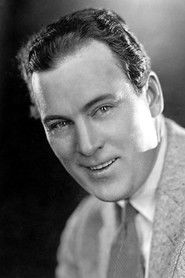 Thomas MeighanRobert Gordon
 Bebe DanielsSally Clark
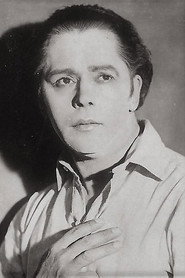 Theodore KosloffRadinioff
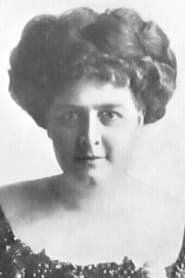 Sylvia AshtonAunt Kate
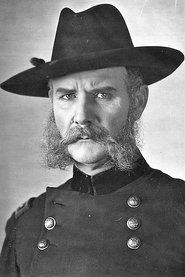 Clarence GeldartThe Doctor
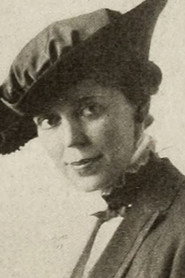 Mayme KelsoHarriette - the Couturière
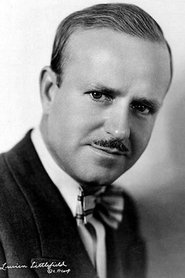 Lucien LittlefieldGordon's Butler
 Edna Mae CooperGordon's Maid
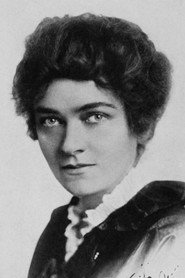 Jane WolfeHarriette's Client
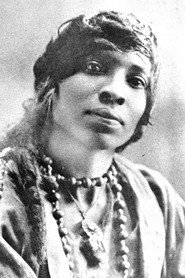 Madame Sul-Te-WanSally's Maid (Uncredited)
Directing
- Sam WoodAssistant Director
- Cecil B. DeMilleDirector
Writing
- William C. deMilleStory
- Olga PrintzlauWriter
- Sada CowanWriter
Production
- Jesse L. LaskyExecutive Producer
- Cecil B. DeMilleProducer
- Howard HigginProduction Manager