
Film
The Midnight Express
A 1924 silent action film where a wealthy railroad magnate's wastrel son proves himself by working the yard, gets tangled up with an escaped convict, a speeding train, and the engineer's daughter. It's pure kinetic joy: chases, stunts, and romantic entanglement moving at silent-film velocity. For anyone curious about early cinema's confidence in pure spectacle.
If you liked this
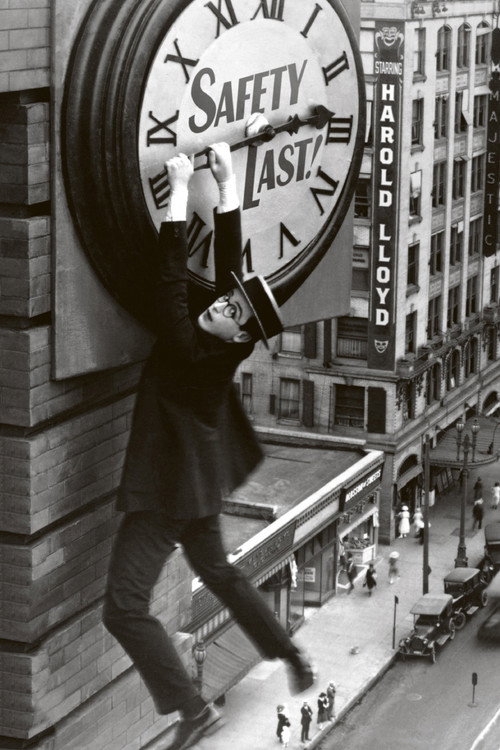
Safety Last!1923
Harold Lloyd hanging from a clock on a skyscraper is cinema's most iconic stunt, but the whole film is a masterclass in physical comedy timing and escalating chaos. Silent comedy at its most inventive.
But Lloyd's character is somewhat passive and the gags can feel mechanical if you're not attuned to silent rhythm. Some dated attitudes toward women.
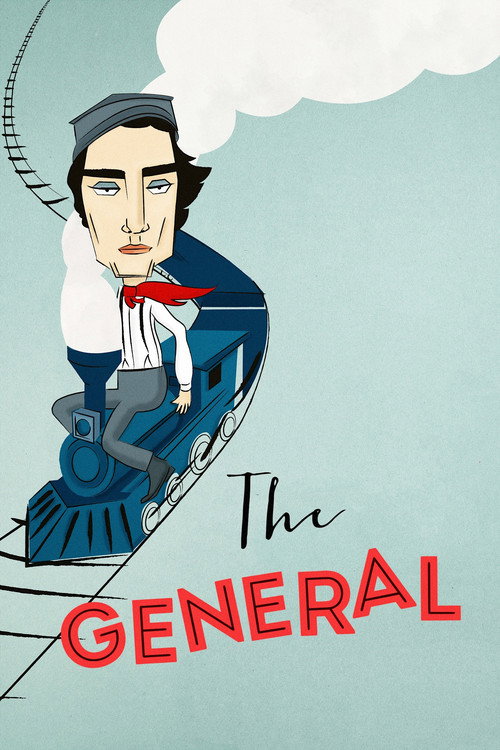
The General1926
Buster Keaton in an action-adventure built around a runaway train, with stunts so audacious they still look impossible. Comedy and spectacle fused into something genuinely thrilling and funny.
But The humour is deadpan to the point of invisibility if you're not watching intently. A Confederate protagonist makes the politics uncomfortable, though it's not endorsing them.
The Phantom Carriage1921
Swedish supernatural drama that moves like a thriller, with one of cinema's most innovative uses of double exposure. Ghostly, eerie, and structurally brilliant—it influenced everything after.
But It's slower than action films, more morality play than adventure. The sentiment about redemption through suffering is heavy-handed by modern standards.

Not sure tonight? Get a pick in a minute, starting from The Midnight Express
The wildcard
Something you would not have found on your own.
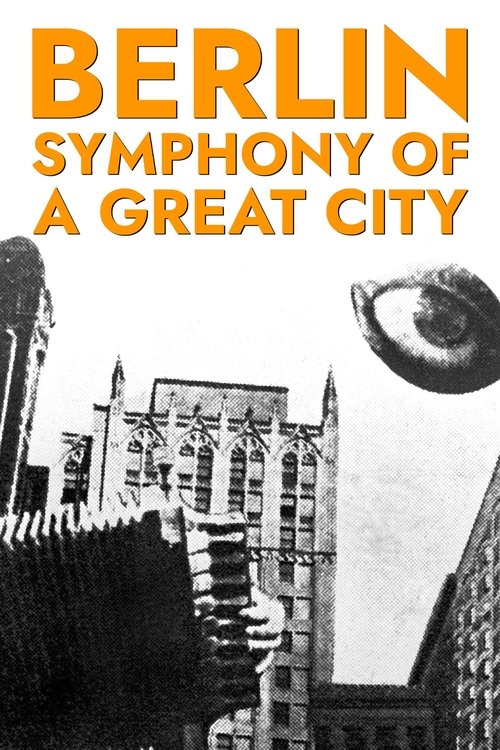
Berlin: Symphony of a Great City1927
Both are 1920s action built from movement and rhythm rather than dialogue or plot. The Midnight Express achieves drama through chases; Berlin achieves cinema through pure visual editing.
No plot, no actors—just a camera moving through Berlin in 1927, edited to rhythmic precision. It's a city symphony in real time, pure cinema language, utterly hypnotic if you let it work on you.
But It's experimental and demands active watching. No narrative to hang onto, so restlessness is a real risk.
More like this (8)
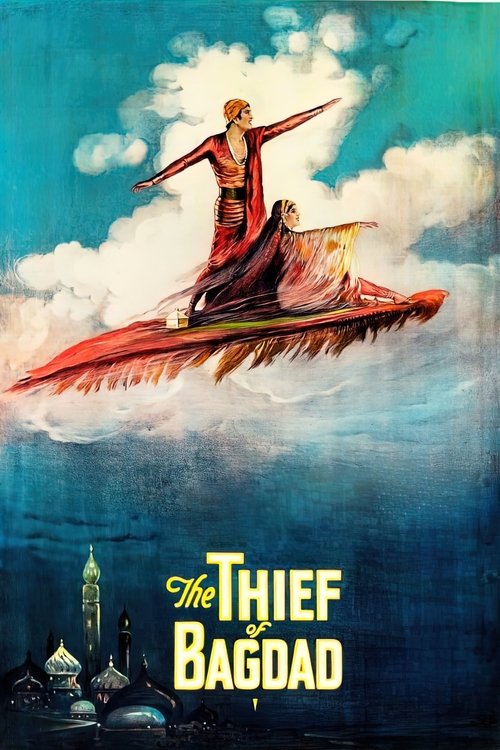
The Thief of Bagdad1924
Douglas Fairbanks performing impossible acrobatics across fantastical sets—part action film, part fairy tale. The ambition of the production design is staggering, and Fairbanks' physicality is genuinely astounding.
But The plot is thin and the pacing meanders. The Orientalist framing is dated and uncomfortable in places.
Nosferatu1922
German Expressionist horror that feels genuinely unsettling, with a vampire that's creepy rather than seductive. Visual storytelling at its most atmospheric—every frame is composed like a painting.
But It's slow, visually dark, and offers no comfort. The original story has antisemitic elements, and this adaptation doesn't transcend them.

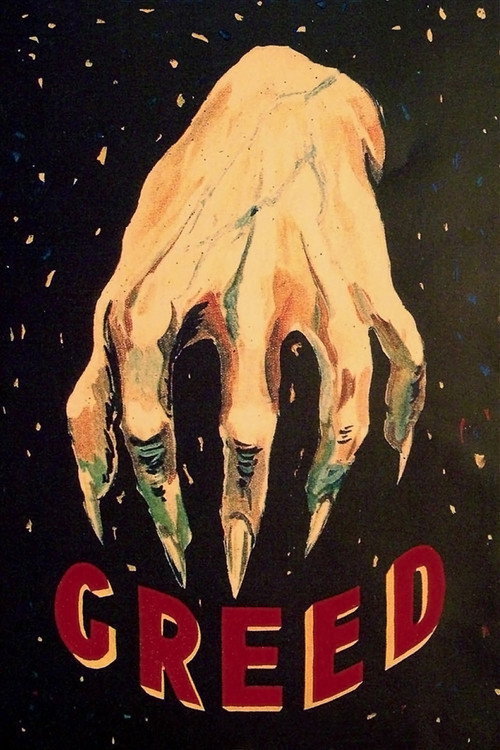
Greed1924
Erich von Stroheim's epic about how a lottery win destroys a marriage, told with unflinching naturalism. It's a silent film that feels utterly modern in its cynicism and psychological depth.
But It's nearly ten hours in most restorations and deliberately bleak. Stroheim's pacing is glacial and his view of humanity is unrelentingly dark.
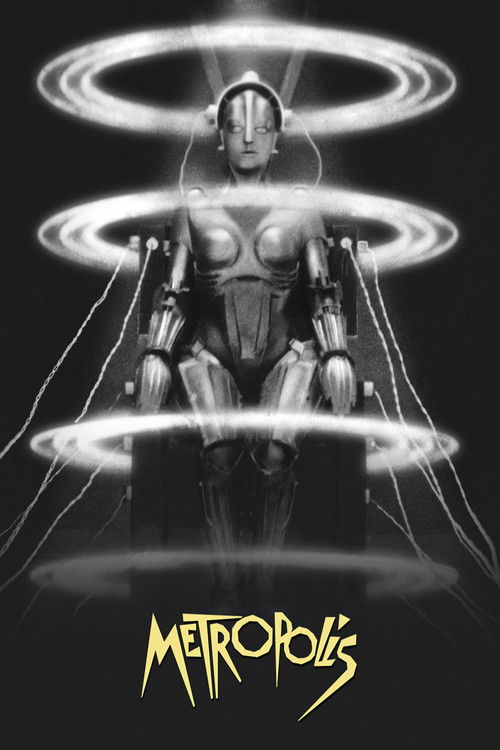
Metropolis1927
Fritz Lang's vision of a futuristic dystopia with production design that defined sci-fi cinema. It's a love story, a class-warfare drama, and a technical marvel all at once.
But The restored versions vary wildly in completeness and quality. The plot becomes muddled and the politics are simplistic in the second half.
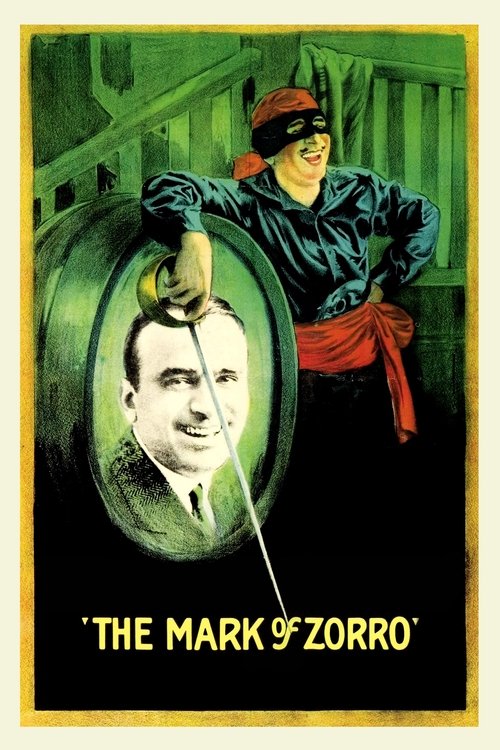
The Mark of Zorro1920
Fairbanks again, but as a masked vigilante doing sword work and roof-running with genuine style. It's lighter than his Bagdad film, faster-paced, and essentially invented the superhero template.
But The plot is straightforward and the characterization thin. Some of the racial caricatures are cringe-inducing by any standard.
Sunrise: A Song of Two Humans1927
F.W. Murnau's tragic romance about a marriage nearly destroyed by infidelity, shot with expressionist precision and emotional rawness. It won the first Academy Award and deserved it.
But It's emotionally punishing and the ending might feel sentimental depending on your tolerance for melodrama. The pacing is deliberate rather than gripping.

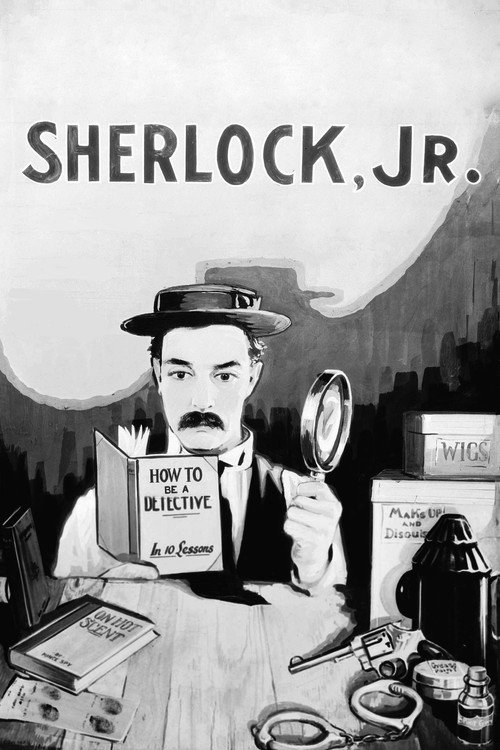
Sherlock Jr.1924
Same year as Midnight Express, same medium, same commitment to spectacle over story—but Keaton uses the form to interrogate cinema itself while The Midnight Express just wants to thrill you.
Buster Keaton as a projectionist who dreams himself into a film within his film. The meta-cinema gimmick could be clever-clever, but instead it's an excuse for genuinely inventive stunt sequences and visual gags.
But The conceit is whimsical and the emotional stakes are nil. If you need character development or drama, this offers almost nothing.
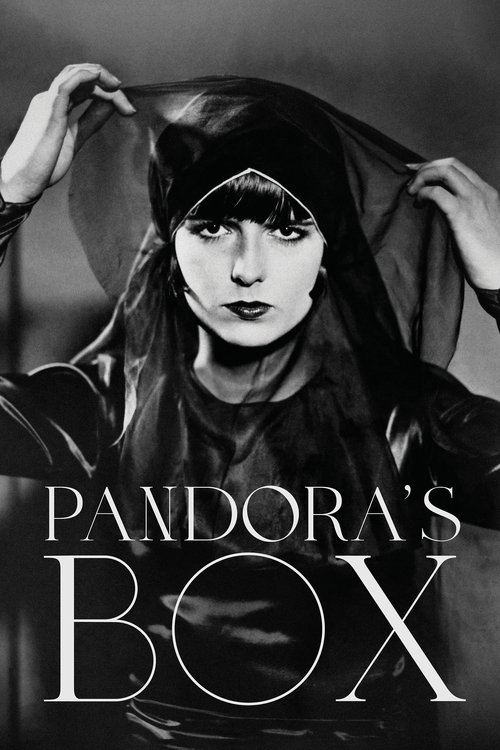
Pandora's Box1929
Both feature an escaped criminal as a plot driver, but where Midnight Express treats the convict as an obstacle to overcome, Pandora's Box treats morality itself as a luxury nobody in the story can afford.
Louise Brooks in a German silent about desire and social decay, directed by Georg Wilhelm Pabst. It's smoky, sexual, and morally grey in ways that make 1924 America look prudish. Genuinely modern filmmaking.
But It's bleak, slow, and the content—including murder and exploitation—is presented without judgment or comfort. The ending is grim.
People
Cast
 Elaine HammersteinMary Travers
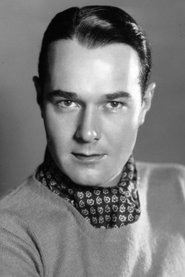 William HainesJack Oakes
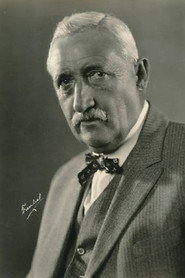 George NicholsJohn Oakes
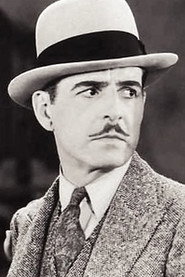 Lloyd WhitlockJoseph Davies
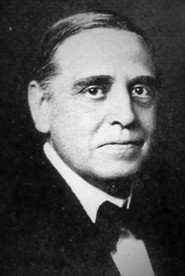 Edwin B. TiltonJames Travers (as Edwin Booth Tilton)
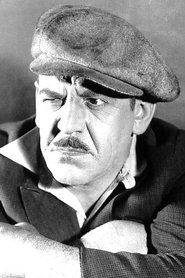 Pat HarmonSilent Bill Brachely
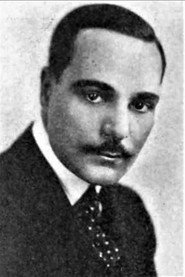 Bertram GrassbyArthur Bleydon
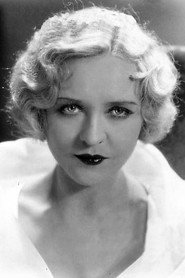 Phyllis HaverJessie Sybil
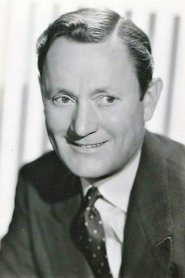 Roscoe KarnsSwitch Hogan
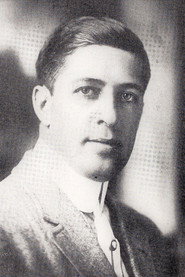 Jack RichardsonDetective Collins
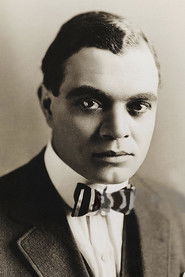 Noble JohnsonDeputy Sheriff
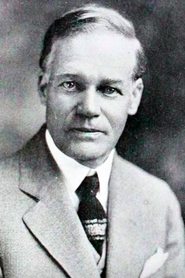 Dan CrimminsRailroad Operator
Directing
- George W. HillDirector
Writing
- George W. HillWriter