
Film
The Last Laugh
Other titles called The Last Laugh: the 1924 film.
A twenty-minute film set in a dressing room where three giants of British comedy—Tommy Cooper, Eric Morecambe, and Bob Monkhouse—discuss what makes comedy work. It's a warm, clever piece that blends reverence for these performers with a twist that reframes everything you've just watched. Perfect for anyone who loves comedy history or appreciates meta-theatrical surprises.
Should you watch it?
Watch it if you enjoy comedy talk about the craft itself, the timing and nerves behind a joke, and small rooms where people circle one question until it opens up.
Skip it if the appeal rests almost entirely on talk, so if you need plot or a brisk pace, twenty minutes of dressing-room chat may feel thin.
What it asks of you: Short and talky, it runs about twenty minutes and stays in one room, so it wants steady attention to the words rather than to action.
Not sure? Find tonight's pick in a minute.
If you liked this
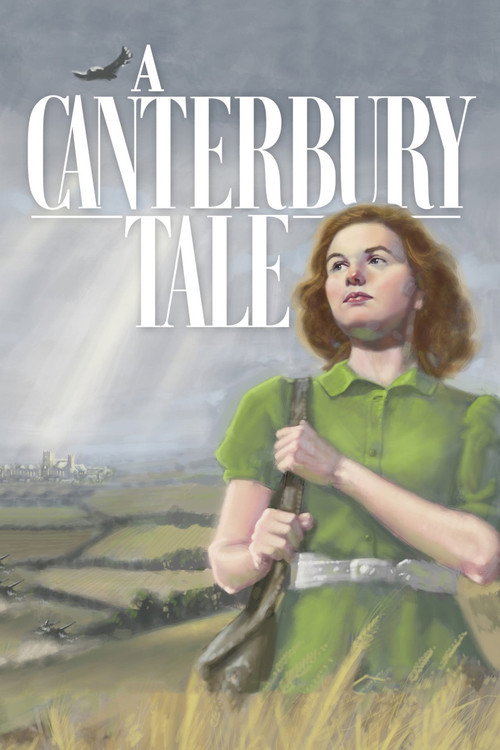
A Canterbury Tale1944
A Powell and Pressburger film about Englishness, artifice, and performance. Like 'The Last Laugh,' it plays with what's real versus what's constructed, and does so with grace and strangeness that rewards close attention.
But It's cryptic and moves at its own pace. If you want plot-driven clarity, this will feel oblique and sometimes frustratingly vague.
Singin' in the Rain1952
The greatest film about performance and showmanship ever made. It's exuberant and technically dazzling, but underneath beats the same question: what's real, what's artifice, and does the distinction matter when the joy is genuine?
But It's a musical, which means if you're resistant to song-and-dance numbers, you'll be fighting the film the whole way through.

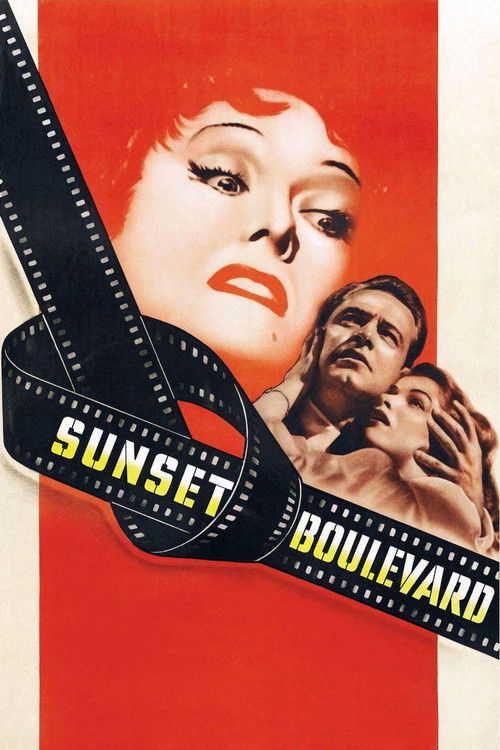
Sunset Boulevard1950
A dark meditation on performance, fame, and the gap between the person and the persona. It has the same theatrical dressing-room atmosphere as 'The Last Laugh,' but operates as noir rather than comedy.
But It's bleak and genuinely unsettling. There's no warmth here, and the view of show business is corrosive rather than affectionate.
Not sure tonight? Get a pick in a minute, starting from The Last Laugh
The wildcard
Something you would not have found on your own.
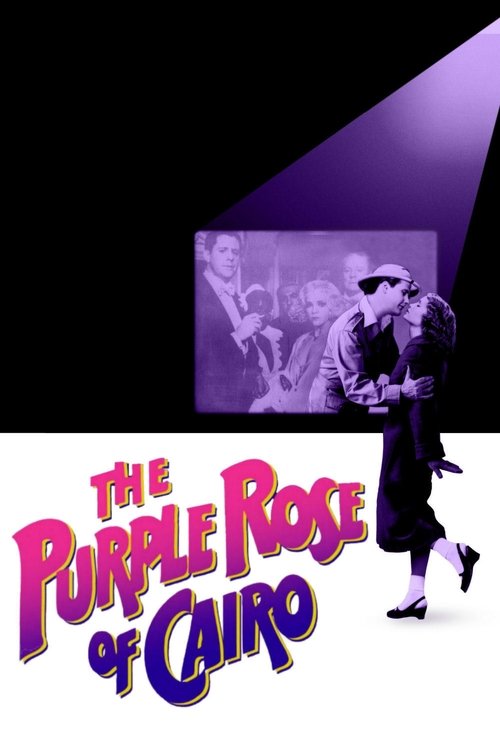
The Purple Rose of Cairo1985
Both use a theatrical/cinematic space to explore what's real about performance and artifice. Both end by questioning whether the artifice is actually the more truthful thing.
A film about the magic of cinema and performance in hard times. An actress falls in love with a character who steps out of the screen—it's about the escape performance provides and the impossibility of that escape in real life. Woody Allen's most romantic and generous film.
But It's sentimental in a way that can feel manipulative. Also, if you're tired of Woody Allen's neurotic persona, it won't help—he's centre stage and exactly that character.
More like this (7)
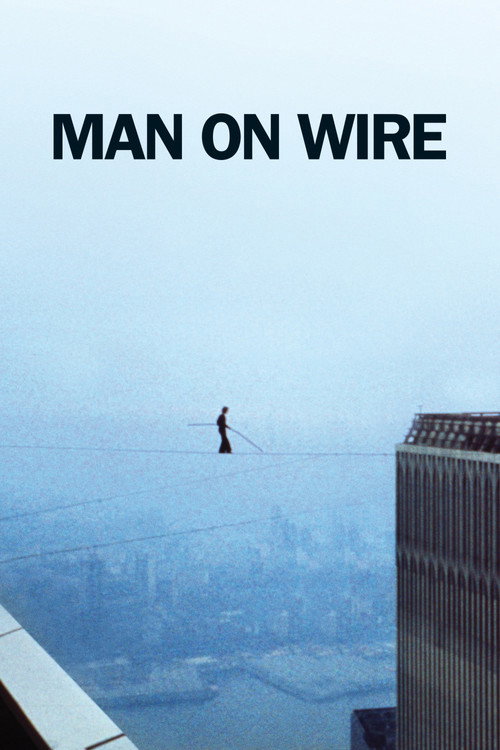
Man on Wire2008
A documentary about a real performance—Philippe Petit's tightrope walk between the Twin Towers. It shares the theatrical storytelling approach and uses actors to recreate scenes, blurring documentary with drama in ingenious ways.
But Some viewers find the recreation sequences precious or find it slows the pace. It's also somewhat sad underneath the spectacle.
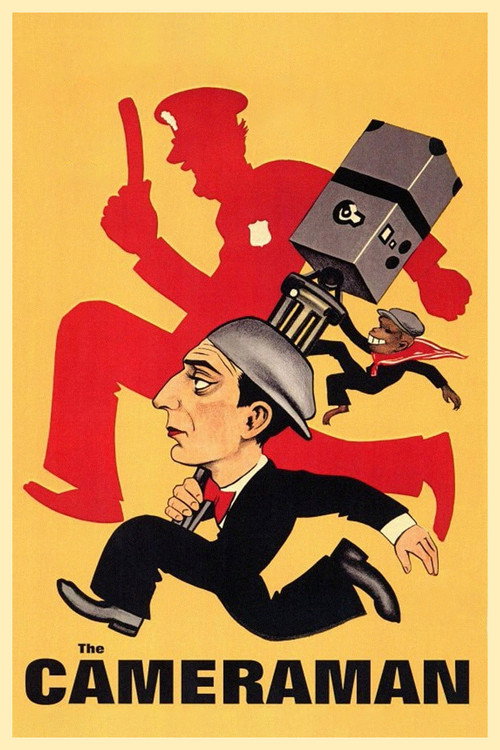
The Cameraman1928
Buster Keaton at his peak, a silent comedy about performance and trying to matter. Watching pure physical comedy from this era reminds you why these old performers were so revered—the craft is visible in every frame.
But It's silent and from 1928, so if you need dialogue and modern pacing, it will feel genuinely alien. Also quite short, which some find unsatisfying.
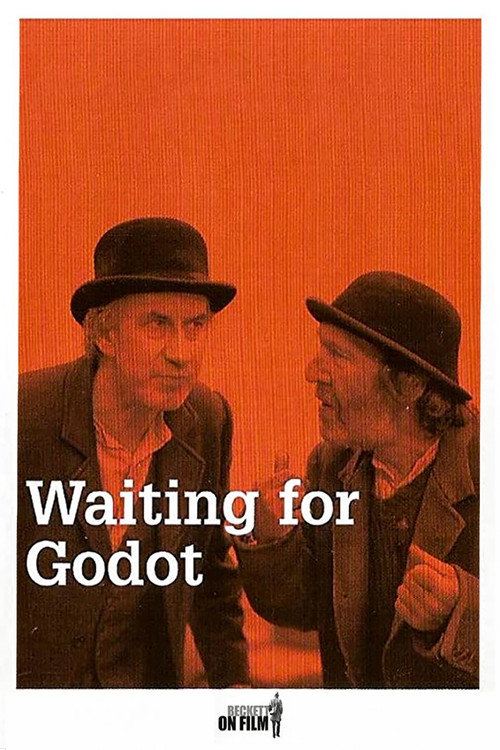
Waiting for Godot2001
Vladimir and Estragon waiting and talking in a void, finding meaning in performance and routine. It shares the intimate theatrical space and the philosophical undercurrent about what comedy means when everything is absurd.
But It's Beckett, which means it's deliberately repetitive, seemingly plotless, and designed to test patience. Some people find it pretentious rather than profound.
La Haine1995
Twenty-four hours in Paris with three young men performing versions of themselves. Like 'The Last Laugh,' it's interested in performance, identity, and the mask we wear. Brilliant use of a confined space to explore larger themes.
But It's in French with subtitles, and the content is violent and deals with racism and class tension. The tone is much darker than British comedy nostalgia.

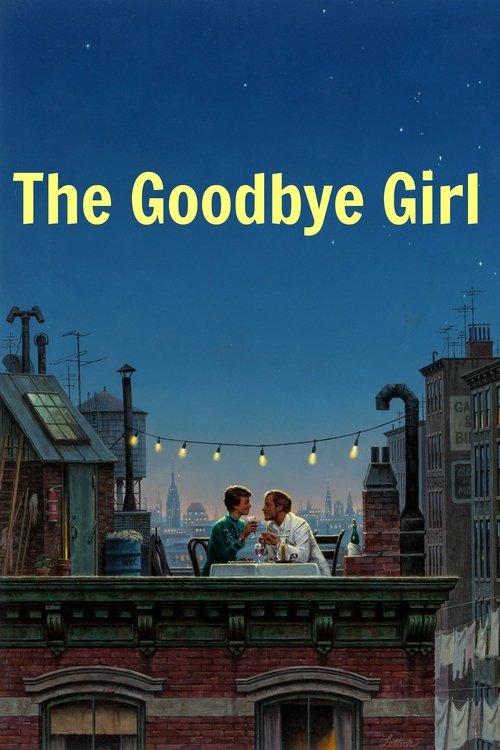
The Goodbye Girl1977
Neil Simon about actors, failed performances, and the gap between who we are and who we pretend to be. It has warmth and humor but also real melancholy about the life of performance and what it costs.
But It can feel dated and sitcom-ish if you're not in the mood for seventies soft comedy. The emotional beats can seem telegraphed.
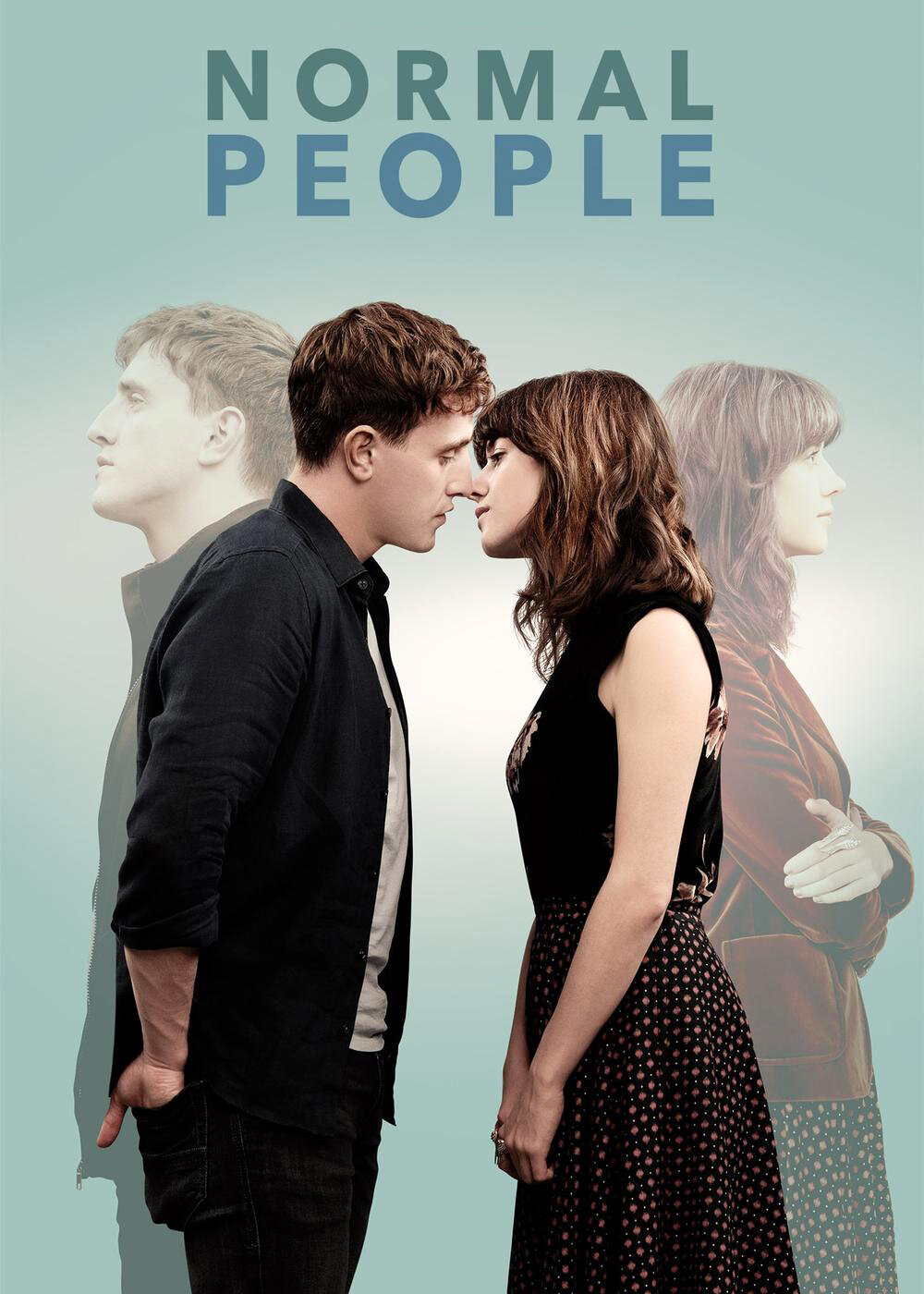
Normal People2020
Where 'The Last Laugh' celebrates three famous British comedians, 'Norma' mourns the circuses and performers history forgot. Both are about the weight of performance and memory.
A Finnish miniseries about the life and death of a forgotten circus performer. It's strange, dreamlike, and genuinely moving—it uses circus and performance to explore loneliness, legacy, and what it means to live in the margins of show business.
But It's Nordic and deliberately paced. The strangeness isn't cute or explained. If you want linear storytelling with clear answers, this will frustrate you.
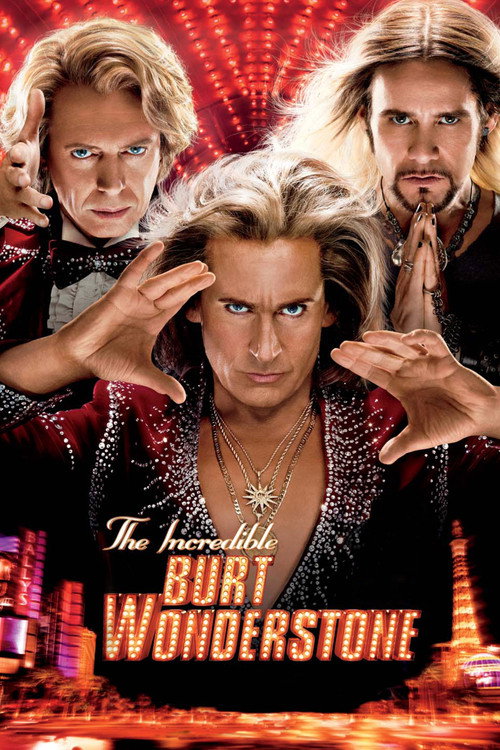
The Incredible Burt Wonderstone2013
It's about aging performers losing their edge and relevance—less celebratory than 'The Last Laugh,' more mournful. Same world, darker glasses.
A Vegas magician movie that could be throwaway but isn't—it's genuinely about burnout, the death of wonder, and the desperation to stay relevant in entertainment. Steve Buscemi is heartbreaking as a forgotten magician.
But It has a mainstream comedy veneer that can make people dismiss it. The film itself isn't entirely sure if it's satire or sincere, which creates tonal wobbles.
People
Cast
- Simon CartwrightBob Monkhouse
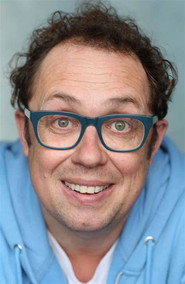 Bob GoldingEric Morecambe
- Damian WilliamsTommy Cooper