
Film
Limite
- Drama
- Very dark
- Slow-burning
A 1931 Brazilian silent film of remarkable formal ambition. Three castaways adrift on the open ocean pass time by recounting their pasts—a device that lets the film slip between memory, confession, and fever dream. Shot with experimental precision and a poet's eye for light and composition, it's hypnotic, strange, and occasionally frustratingly opaque. For the patient viewer, it's a masterwork.
Should you watch it?
Watch it if you care more about images, rhythm and montage than about plot, and enjoy a film that makes you piece together its people from fragments and mood.
Skip it if you need a story that moves forward, since its fragments of memory and long stretches of drifting boat can feel static and frustrating for much of its two hours.
What it asks of you: Two hours of slow, fractured scenes, mostly wordless, that repeat and drift rather than build, so you must stay patient as meaning gathers in pieces.
Not sure? Find tonight's pick in a minute.
If you liked this
Sunrise: A Song of Two Humans1927
F.W. Murnau's silent masterpiece about human longing and regret, using water and urban spaces with the same poetic precision Limite brings to its oceanic void. A spiritual cousin in every way.
But It's a century old and entirely without dialogue, which demands you surrender to pure cinema. Some find that exhausting.

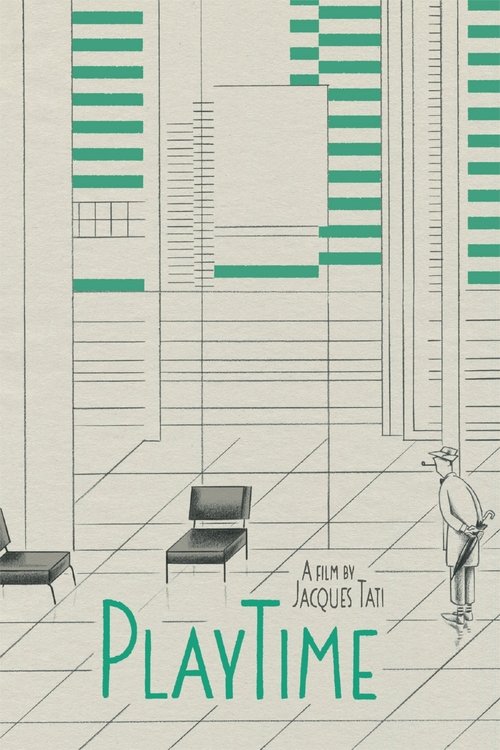
PlayTime1967
Jacques Tati's three-hour odyssey through a hypermodern Paris, where form and framing matter more than plot. Like Limite, it trusts the viewer's eye and patience, unfolding as visual poetry rather than narrative.
But It's deliberately slow and formal, with comedy so subtle you might miss it entirely. Requires active watching.
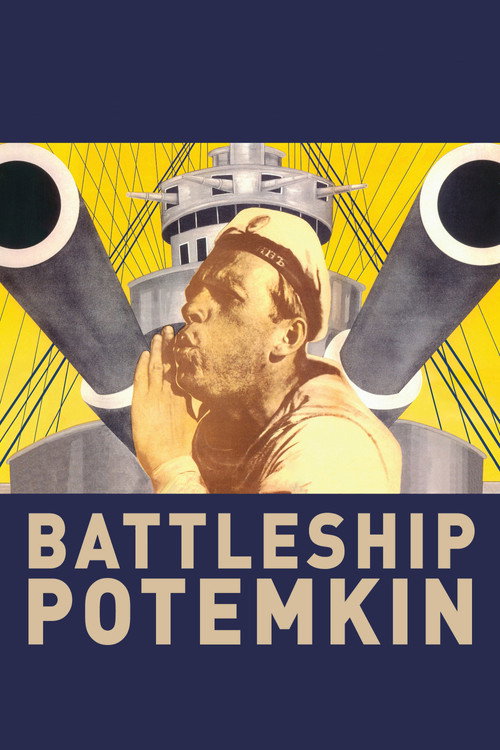
Battleship Potemkin1925
Sergei Eisenstein's revolutionary silent film about mutiny and upheaval. Shares Limite's commitment to montage as a language, to making meaning through juxtaposition rather than explanation.
But It's Soviet propaganda cinema, which means the didacticism can feel heavy-handed, and the politics are of a very particular moment.
Not sure tonight? Get a pick in a minute, starting from Limite
The wildcard
Something you would not have found on your own.
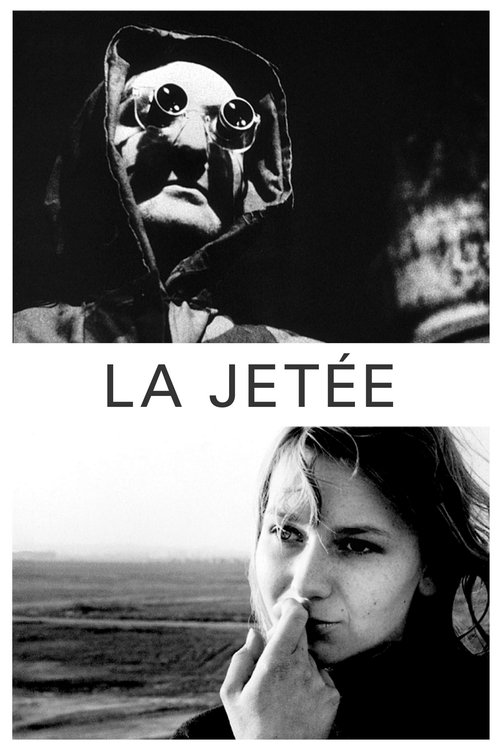
La Jetée1962
Both use constraint—the boat's boundaries, Marker's still frames—to force cinema inward, into psychology and memory. Both are about people trapped by time.
Chris Marker's 28-minute collage-film about a man haunted by a memory, told almost entirely through still photographs and voice-over. It shares Limite's belief that cinema is about time and consciousness, not movement for its own sake.
But It's a still photograph most of the time, with minimal dialogue and music. Feels like an experimental essay more than a film.
More like this (8)
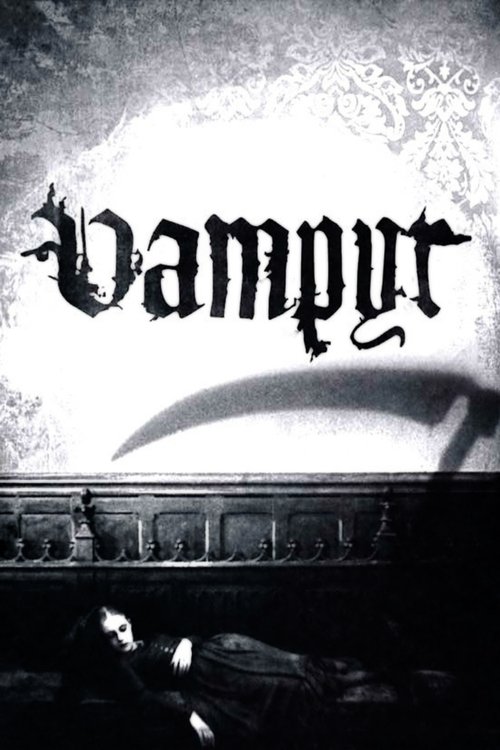
Vampyr1932
Carl Theodor Dreyer's dreamlike vampire film, made just after Limite, achieves a similar trance state through atmosphere and suggestion. Haunting, hallucinatory, utterly unafraid of ambiguity.
But Very slow-paced by any standard. The narrative is deliberately obscure, which can feel frustratingly vague.
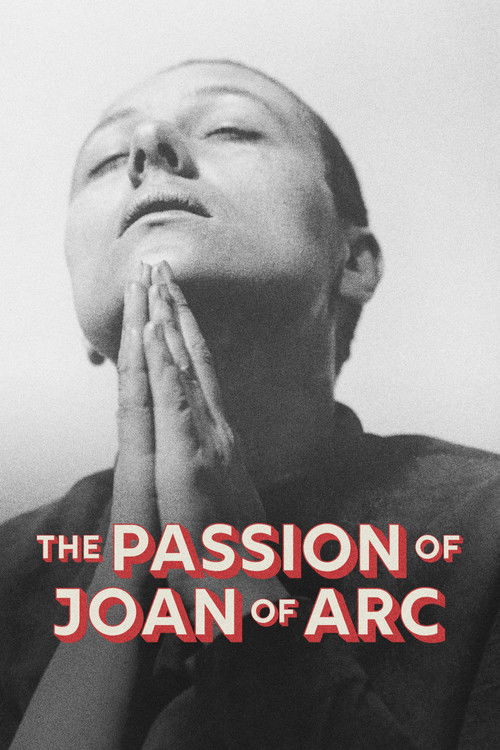
The Passion of Joan of Arc1928
Dreyer's earlier masterpiece, where close-ups of faces and emotion become the whole language of cinema. Limite shares this faith in the human face as a landscape to explore.
But Unrelenting intensity and emotional exhaustion. Watching it feels like work in the best and worst sense.
Man with a Movie Camera1929
Dziga Vertov's structural genius applied to everyday life. Like Limite, it's about the architecture of cinema itself—how images speak to each other, how form creates meaning.
But There's no narrative at all, just pure visual collage. If you need a story to follow, this will frustrate you.

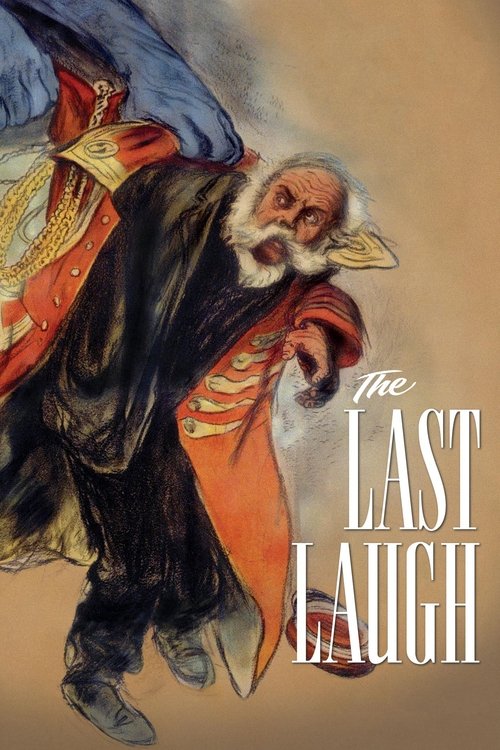
The Last Laugh1924
F.W. Murnau's earlier experiment in visual storytelling without title cards. Demonstrates the language of silent cinema that Limite inherits and complicates.
But It's a sentimental social drama underneath the formal innovation, which can feel dated and heavy-handed.
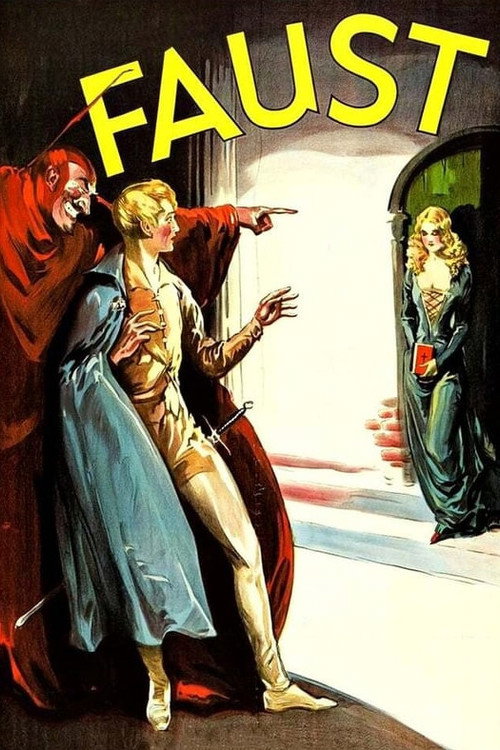
Faust1926
Murnau's adaptation of Goethe, where the past and present, memory and magic, blur together like Limite's nested narratives. Visually stunning, thematically ambitious.
But Over two hours of German Expressionism can feel grandiose and overwrought if you're not in the mood.
The Phantom Carriage1921
Arne Börglund's Swedish ghost story, told in flashback, where memory and mortality intertwine. A formal precedent for Limite's narrative structure and existential preoccupations.
But The tonal shifts between supernatural drama and social commentary don't always cohere. The pacing is uneven.

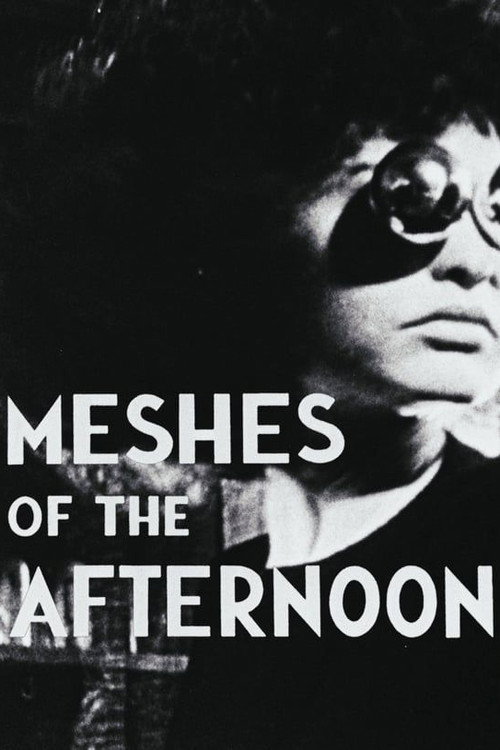
Meshes of the Afternoon1943
Both films treat the space—boat or room—as a character, and both are interested in how repetition and framing can induce an altered state of consciousness in the viewer.
Maya Deren's 14-minute avant-garde short about a woman moving through a dreamlike interior space, shot in her own home. Hypnotic, repetitive, formally radical—cinema as incantation rather than narrative.
But It's barely more than 10 minutes and intentionally obscure. Many will find it impenetrable or dismiss it as navel-gazing.
The Holy Mountain1973
Both films use a journey and confined group to explore the interior—Limite introspectively, Jodorowsky explosively. Both refuse plot convenience or easy resolution, trusting images to do what words cannot.
Jodorowsky's surrealist odyssey of symbolic accumulation and spiritual seeking, where narrative logic dissolves into image and mood. Chaotic where Limite is formal, but equally committed to making you feel something outside language.
But It's deliberately confrontational, featuring violence, nudity, and sacrilege. Three hours long. Many will find it pretentious or nauseating.

People
Cast
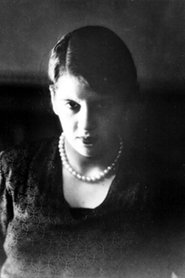 Olga BrenoFirst woman
- Tatiana ReySecond woman
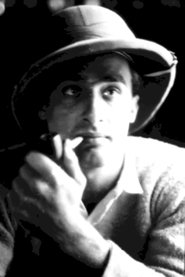 Raul SchnoorFirst man
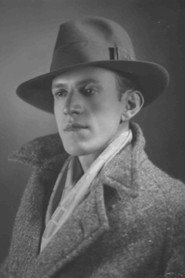 Brutus PedreiraSecond man
 Carmen SantosWoman eating a fruit
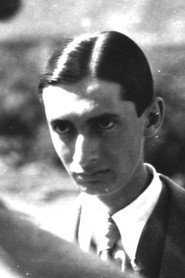 Mário PeixotoMan sitting at the cemetery
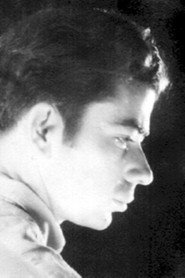 Edgar BrasilMan asleep in the theatre
- Iolanda BernardesWoman at the sewing-machine
Directing
- Brutus PedreiraAssistant Director
- Ruy CostaAssistant Director
- Mário PeixotoDirector
Writing
- Mário PeixotoWriter
Production
- Mário PeixotoProducer