
Film
An Unseen Enemy
- Crime thriller
- Heist
- Very dark
A 16-minute Griffith thriller about two sisters barricaded in a room while a corrupt housekeeper and a safecracker prowl the house. It's intimate and tense—suspense built from confinement rather than spectacle—and a crucial early experiment in how cinema could make you feel trapped. Essential for anyone learning film grammar.
Should you watch it?
Watch it if you like tight, old-fashioned suspense built from a single room, where a few minutes of mounting dread do more than a feature's worth of plot.
Skip it if you need well-drawn characters and modern pacing; this is a bare, melodramatic sketch with broad acting and creaky early-cinema technique that is over before it settles in.
What it asks of you: Sixteen minutes of silent storytelling, reading faces and waiting through hushed stillness rather than dialogue or plot.
Not sure? Find tonight's pick in a minute.
If you liked this
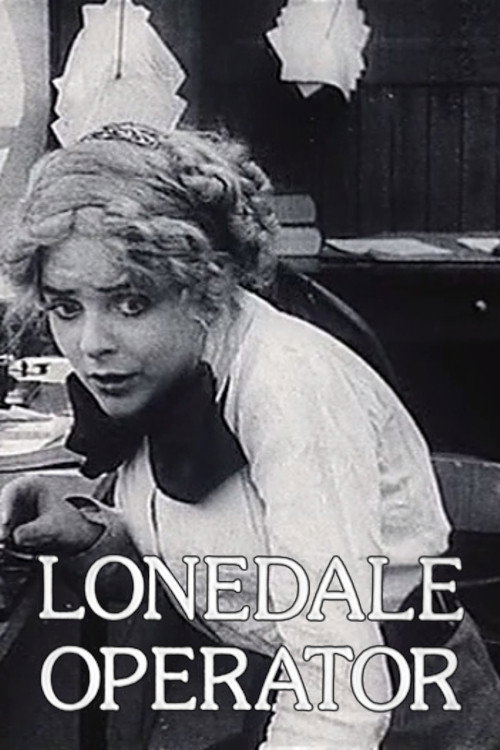
The Lonedale Operator1911
Another Griffith-Gish collaboration that pioneered the suspense film. A telegraph operator alone in an isolated station must defend herself from robbers. Raw, propulsive, and the template for decades of siege thrillers.
But At 13 minutes, it's barely there—a sketch that demands you accept silent cinema's strange rhythms and accept that story can happen in what feels like no time at all.
Intolerance: Love's Struggle Throughout the Ages1916
Griffith's epic masterpiece intercuts four historical stories of persecution across centuries. Visually staggering, architecturally ingenious, and it proves silent cinema could do anything. A summit of the form.
But Nearly four hours of subtitles and cross-cutting between unrelated narratives. The pacing is deliberate to the point of glacial by modern standards.

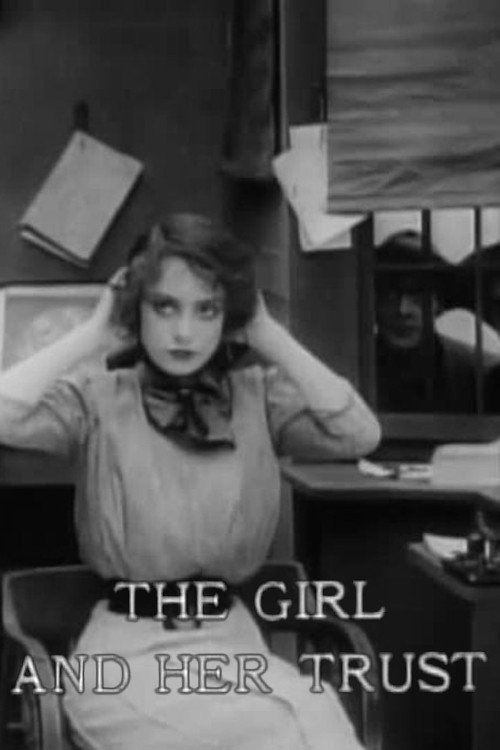
The Girl and Her Trust1912
A Griffith short where a young woman guards railroad payroll from thieves. It's another lockdown premise—intimacy and vulnerability against external threat—executed with surprising sophistication and genuine anxiety.
But The prints available are often degraded. You're watching history on damaged paper, which can be distracting if you're after polish.
Not sure tonight? Get a pick in a minute, starting from An Unseen Enemy
The wildcard
Something you would not have found on your own.
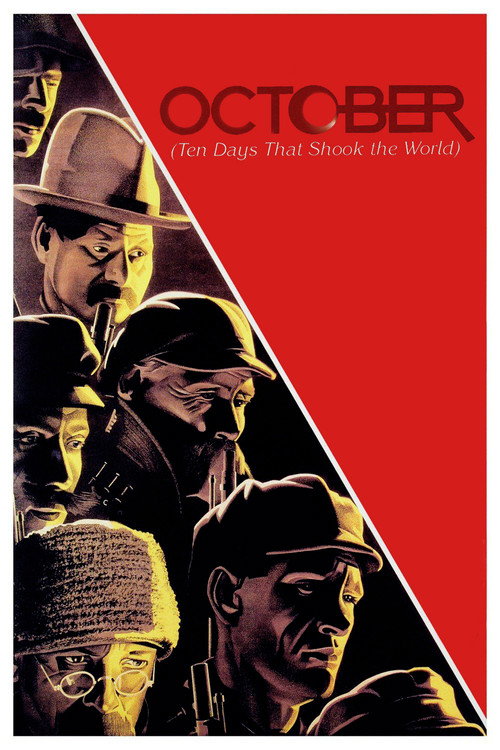
October (Ten Days that Shook the World)1928
Both are 16 and 90 minutes of silent cinema that prove motion pictures don't need length or dialogue to create psychological intensity. Where Griffith builds dread through confinement and editing, Eisenstein builds it through rhythmic collision and montage. Same art form, opposite languages.
Sergei Eisenstein's avant-garde epic about the Russian Revolution uses montage as pure visceral argument. It's not narrative—it's propaganda-as-art, composed of images in collision. If you want to understand how cinema thinks, this is the doctorate.
But It's experimental and demanding. There is no conventional story, only ideological argument and visual abstraction. It can feel impenetrable without patience and context.
More like this (7)
Nosferatu1922
German Expressionism's most hypnotic nightmare. A vampire pursues a young woman across shadow-drenched rooms. The visual language is pure dread—composed, photographed, and performed as nightmare. Incomparably atmospheric.
But The pacing is meditative rather than propulsive. If you want jump-scares and fast cuts, this will feel slow and methodical in ways that might lose you.

The Phantom Carriage1921
A Swedish masterpiece about a man visited by the ghost of a coachman on New Year's Eve. Melancholic, deeply human, and astonishingly inventive with special effects to create genuine supernatural dread. Hugely influential.
But It's a morality play dressed as a ghost story, and the sentimentality about redemption may feel heavy-handed depending on your tolerance for earnestness.

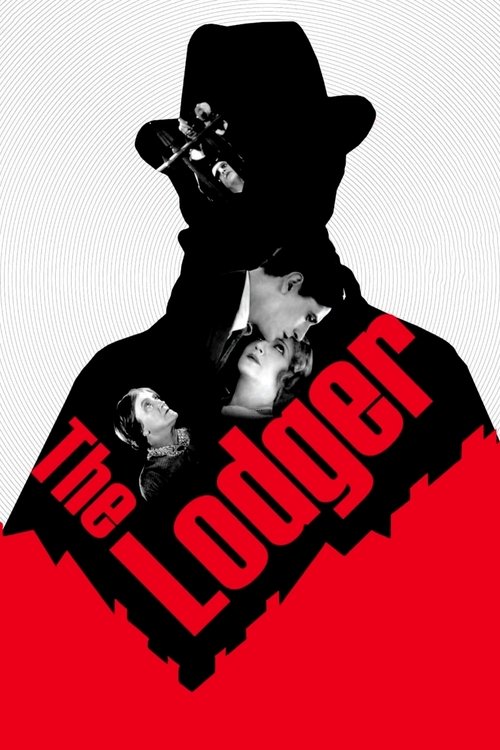
The Lodger: A Story of the London Fog1927
Hitchcock's first great film—a thriller about a mysterious lodger in a boarding house during the Jack the Ripper murders. It invents the grammar of suspense: misdirection, POV, mounting dread. You can trace every thriller since from this.
But It's a 1927 mystery, so plot revelations that feel clever now may seem obvious if you've absorbed 100 years of the conventions it established.
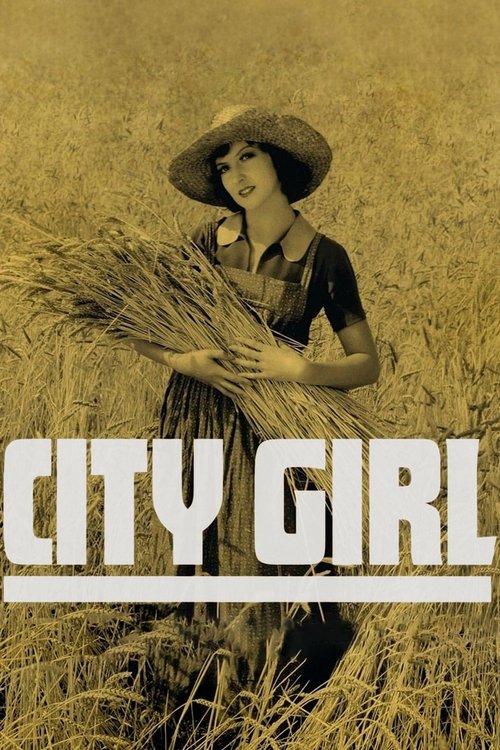
City Girl1930
F.W. Murnau's final American film is a small-town melodrama that becomes a harvest-time tragedy. The cinematography is stunning, the emotion genuine, and the final act is catastrophic in ways that still shock.
But It's available mainly in incomplete prints. The surviving footage is brilliant but fragmented, which breaks the spell at crucial moments.
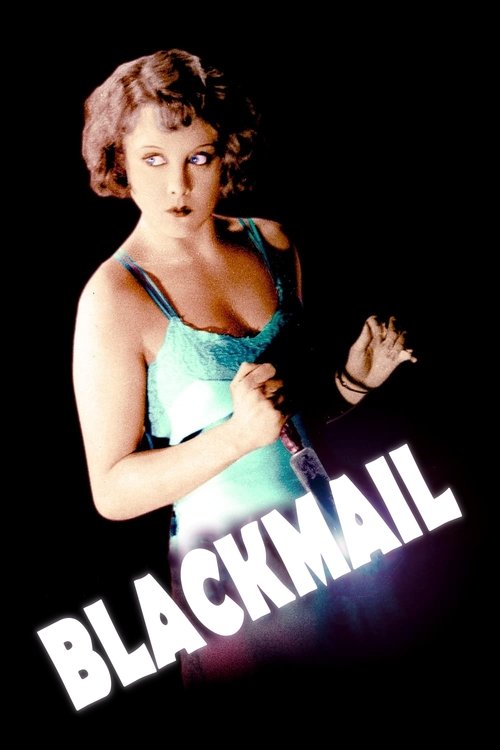
Blackmail1929
Hitchcock's first talkie—a London woman commits accidental murder and is blackmailed. The dialogue adds new dimensions to suspense. It's psychologically sophisticated and visually inventive, and the ending is genuinely unsettling.
But Some of the acting is very broad and theatrical in ways that can undercut tension. The sound design, though pioneering, is sometimes intrusive.
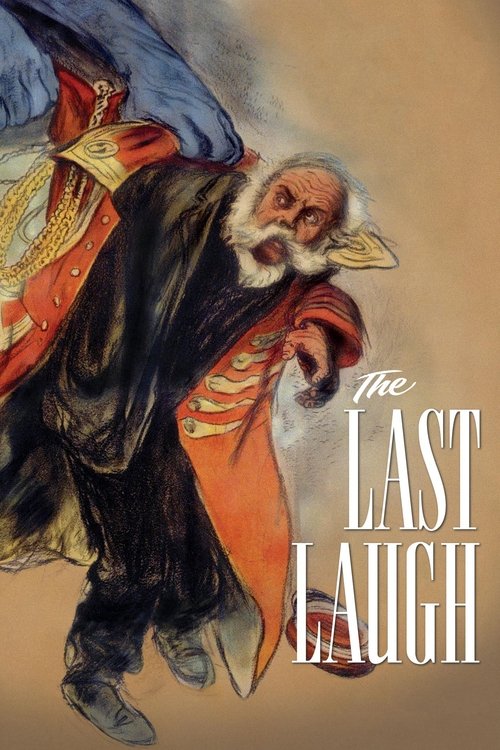
The Last Laugh1924
Murnau's German masterpiece about a hotel doorman's humiliation. There's no title card for dialogue—pure visual storytelling. It's a small tragedy told with operatic cinematography and genuine pathos. Technically astounding and emotionally devastating.
But The entire emotional arc hinges on a man's social status and shame, which can feel narrow or dated depending on what moves you. The ending is deliberately ambiguous in ways some find tidy-up-ish.
Häxan1922
Both use domestic spaces—a house, a room, a woman's body—as sites of invisible threat. Griffith creates dread through exclusion; Häxan creates it through penetration. Both ask: what menace lives inside your walls?
A Danish occult documentary that's also a narrative nightmare—a history of witchcraft told through staged sequences, medical diagrams, and baroque horror imagery. It's visually hallucinogenic, historically fascinating, and genuinely disturbing. Like nothing else made in 1922.
But It's grotesque and sexualized in ways that can feel exploitative. The attitudes toward women and hysteria are exactly what you'd expect from 1922 and feel grimy in modern context.

People
Cast
 Lillian GishEldest Sister
 Dorothy GishYoungest Sister
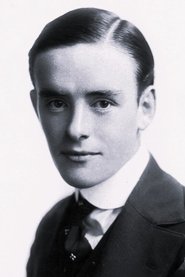 Robert HarronThe Boyfriend
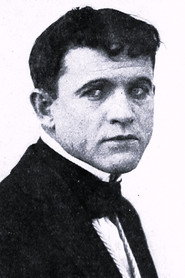 Elmer BoothThe Brother
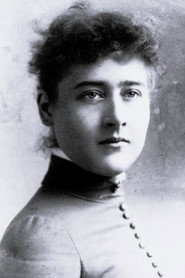 Grace HendersonThe Maid
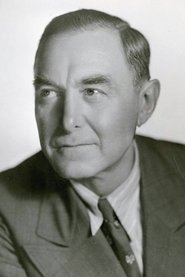 Harry CareyThe Safecracker
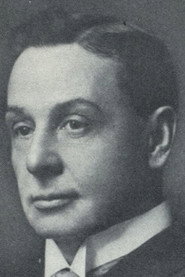 Adolph LestinaIn Boardinghouse (uncredited)
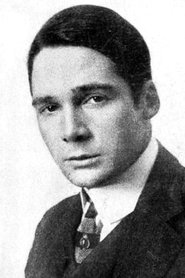 Walter MillerThe Brother's Friend (uncredited)
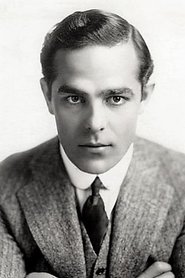 Antonio MorenoOn Bridge (uncredited)
Directing
- D.W. GriffithDirector
Writing
- Edward AckerScreenplay