
Film
The Lonedale Operator
A 1911 thriller where a young telegraph operator must defend a railway station from robbers. Silent cinema at its most ingenious: Griffith builds unbearable tension from a simple premise, cutting between peril and rescue with a rhythm that still works. Essential viewing for anyone who thinks suspense was invented later.
If you liked this
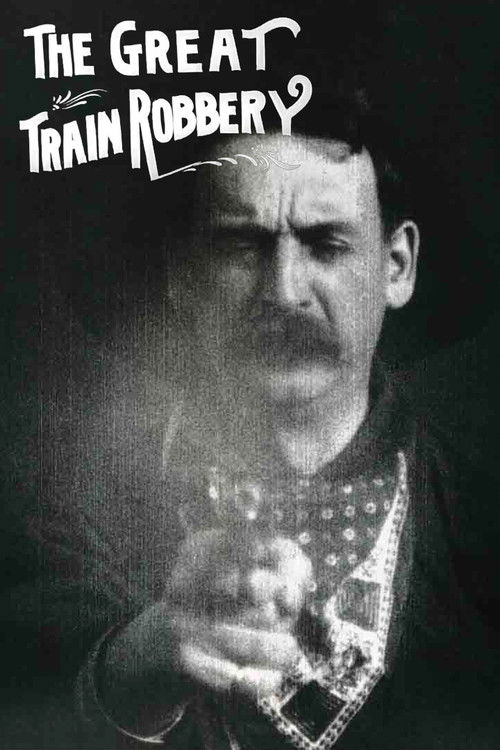
The Great Train Robbery1903
The film that invented the action movie. Ten minutes of direct, visceral storytelling—a robbery, a chase, gunfire. If you love how Griffith builds tension, this is where the grammar started.
But It moves at silent-film pace, and the violence is stylised rather than graphic. The novelty of cinema itself does half the work.
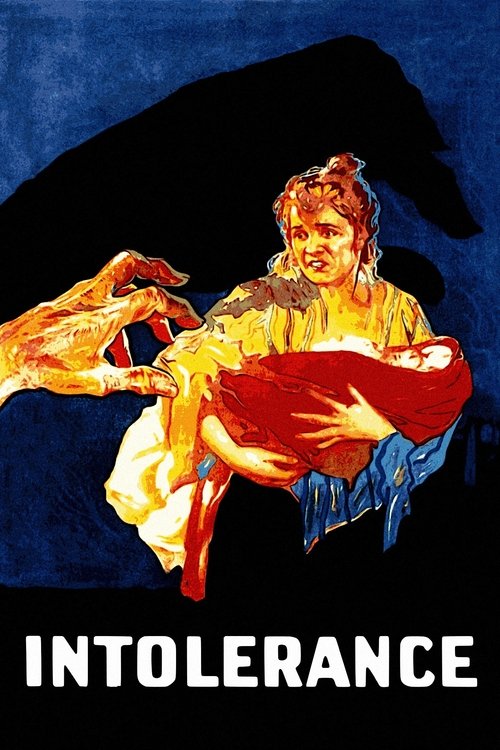
Intolerance: Love's Struggle Throughout the Ages1916
Griffith's masterpiece and the most ambitious film of the silent era. Four stories across centuries, each building to climax simultaneously. Visually staggering and emotionally overwhelming.
But At 187 minutes, it demands real commitment. The tinting, the scale, the melodrama—it can feel more like a museum piece than a movie.
Sunrise: A Song of Two Humans1927
The last gasp of silent cinema and the most beautiful. A man tempted to murder his wife finds redemption in the city. Murnau's camera moves in ways that feel modern now; the expressionist cityscape is hypnotic.
But No dialogue at all, and the emotional register is high tragedy. If you need plot to carry you, this will test your patience.

Not sure tonight? Get a pick in a minute, starting from The Lonedale Operator
The wildcard
Something you would not have found on your own.
Man with a Movie Camera1929
Both use the grammar of film—cross-cutting, climactic tension through editing—not to tell a conventional story but to construct pure suspense or pure movement. Vertov takes Griffith's technique and frees it from narrative.
Not a narrative at all, but a vision of Soviet daily life shot with dizzying formal invention. Montage, split-screens, time-lapse, animation—Vertov invents the visual language that *The Lonedale Operator* helps pioneer, then shatters it into pure cinema. A poem made of cuts.
But There is no plot, no characters, no conflict in the traditional sense. It demands you think about editing itself as an art form. Many find it exhausting.

More like this (8)
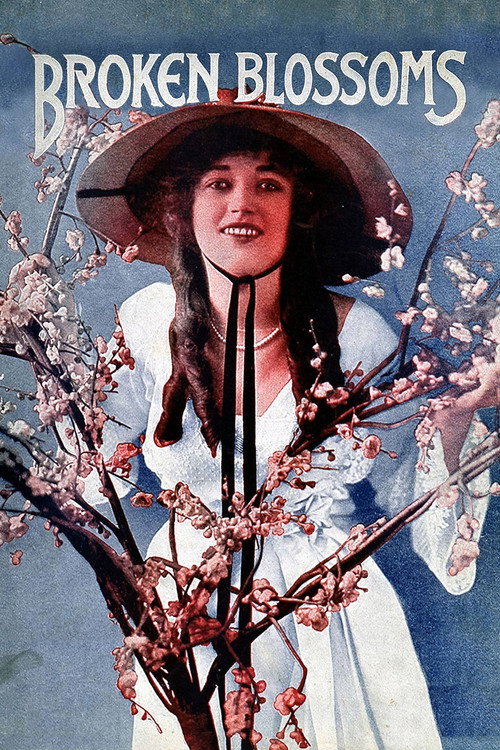
Broken Blossoms or The Yellow Man and the Girl1919
Griffith again, shorter and more intimate than his epics. A Chinese man falls for a brutalized English girl. Tender and shocking—it shattered racial taboos and invented close-up acting.
But The racial attitudes of the era seep through. It's progressive for 1919 and troubling now. Watching it means sitting with that tension.
The Phantom Carriage1921
A Swedish ghost story that influenced everything after. Double exposures, symbolism, formal beauty. It's a parable about redemption told through cinema itself—form and content perfectly married.
But It's slower than slower. The story is simple and takes a long time arriving. Patience is non-negotiable.

Nosferatu1922
German Expressionism perfected. A vampire film so visually nightmarish it redefined horror. Shadow and geometry do the actual scaring; the premise is almost secondary to how it looks.
But The pacing is glacial by modern standards, and the print quality can vary wildly. Some versions are clearer than others; seek a good restoration.

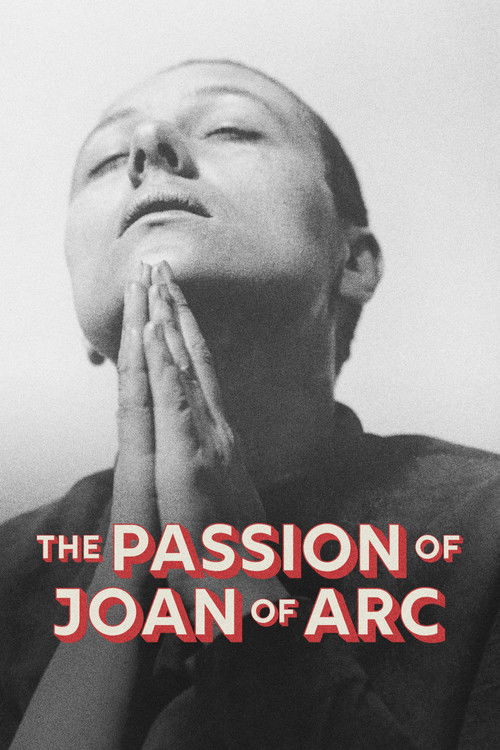
The Passion of Joan of Arc1928
Carl Theodor Dreyer's close-ups of Renée Jeanne Falconetti's face are the most powerful acting in silent cinema. Spiritual agony rendered in extreme facial detail. A trial, a heretic, and transcendence.
But Almost no plot momentum. It's an interrogation scene for ninety minutes. Hypnotic for some, claustrophobic for others.
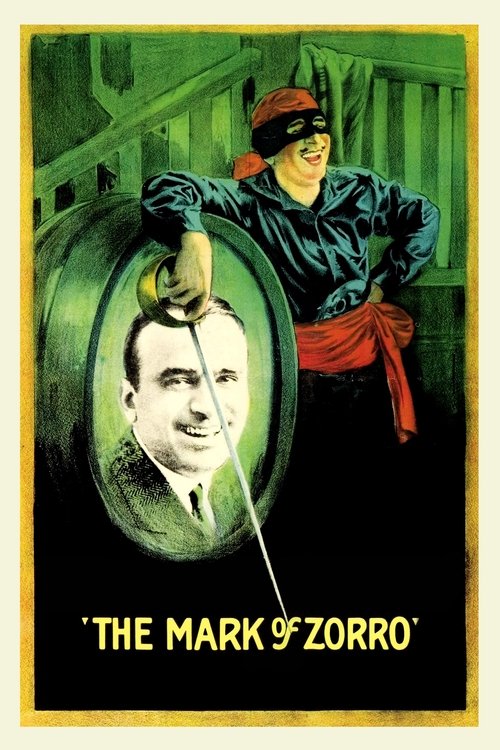
The Mark of Zorro1920
Douglas Fairbanks as a masked avenger in Old California. It's action comedy done right—witty, physical, joyful. The prototype for every swashbuckler and superhero after it.
But It's lighter than you might expect from a film this old. If you want historical weight, this trades it cheerfully for entertainment.
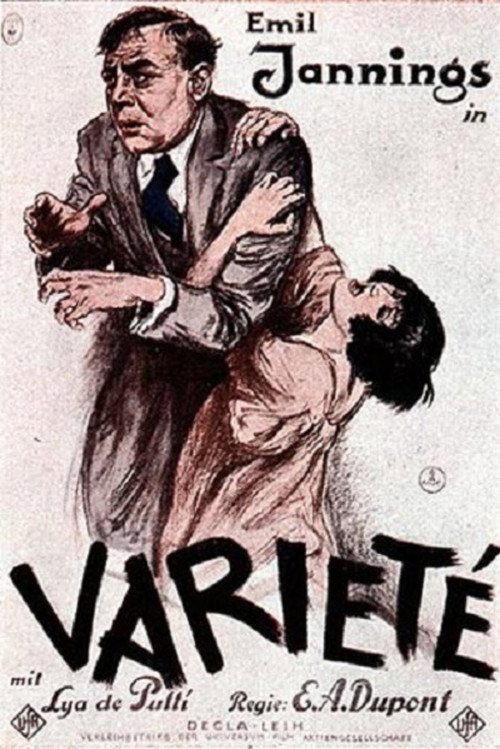
Variety1925
German cinema, a trapeze artist, jealousy, and murder. The camera work is dizzyingly inventive—circus acts filmed from impossible angles. Technical brilliance in service of passion and crime.
But The print is often degraded, the story is thin, and the melodrama sits uneasily with the formal experimentation. Beautiful but uneven.
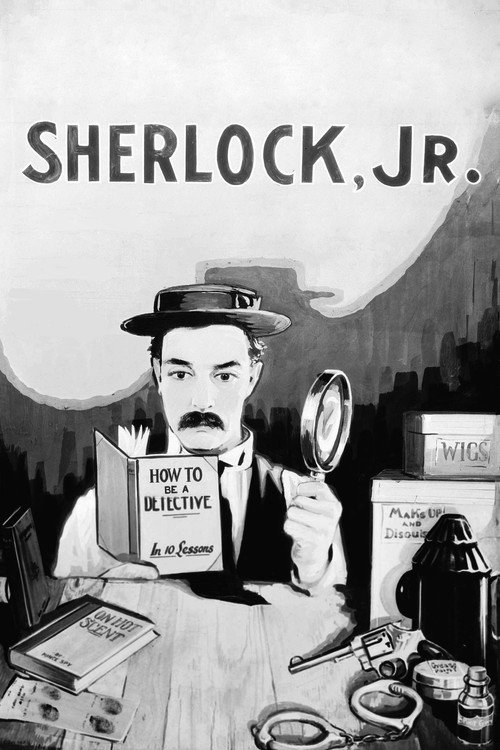
Sherlock Jr.1924
Like *The Lonedale Operator*, it's built on the principle that cinema can cut reality into pieces and reassemble it to make you feel exactly what it wants. One uses editing for thrills, one for comedy—same tool, different mood.
Buster Keaton as a projectionist who dreams himself into a film he's showing. Slapstick, but elevated—a love story and a mystery, but the real story is cinema's power to transform. Keaton's physical comedy is a language unto itself.
But If you hate silent comedy, the mugging will grate. Some jokes don't land across ninety years. The slapstick can feel repetitive if you're not in the mood.
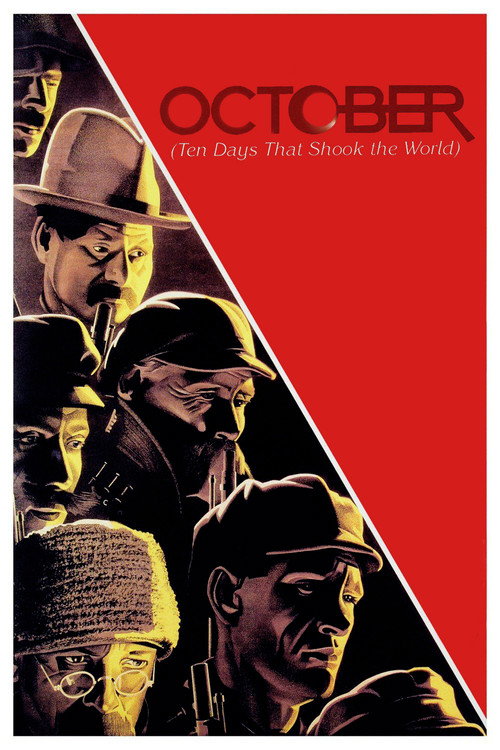
October (Ten Days that Shook the World)1928
Eisenstein and Griffith were in conversation about montage—how to build meaning from collisions of images. Griffith built suspense; Eisenstein built revolution. Same technology, opposite destinations.
Eisenstein's account of the Russian Revolution, filmed as a cascade of visual metaphors. Massive, poetic, overwhelming. Tractors become tanks become crowds; form becomes meaning. If *The Lonedale Operator* teaches you to read cuts, this is what cuts can do in the hands of a poet.
But It's three hours, in Russian, with propaganda woven through. The politics date it, and the scale is inhuman. You need to come to it ready to surrender.
People
Cast
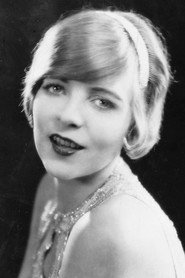 Blanche SweetDaughter of the Lonedale Operator
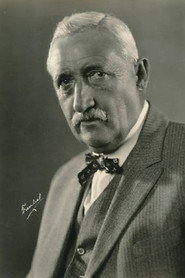 George NicholsThe Lonedale Operator
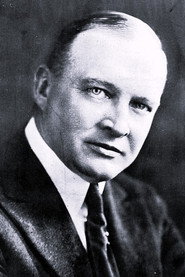 Francis J. GrandonThe Engineer
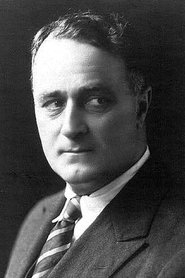 Wilfred LucasThe Fireman
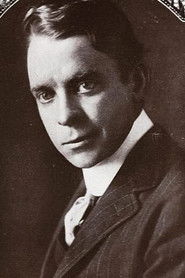 Edward DillonThe Telegrapher
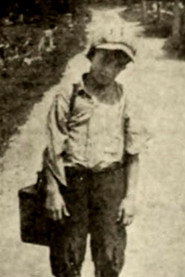 Edna FosterMessenger on Bicycle
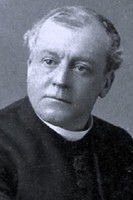 Verner ClargesIn Payroll Office
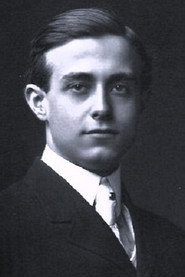 Joseph GraybillA Tramp
- Guy HedlundOn Train
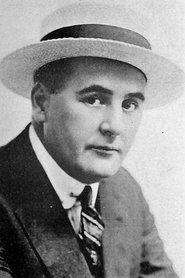 Dell HendersonA Tramp
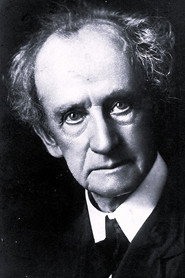 W. Chrystie MillerIn Station Lobby
- W.C. RobinsonIn Payroll Office