
Film
The Girl and Her Trust
A 1912 D.W. Griffith thriller about a telegraph operator who alerts the next station to bandits approaching by rail. In fifteen thrilling minutes, it manages real suspense, physical comedy, and genuine thrills. Essential viewing for anyone curious about how cinema learned to tell stories—and how to make your heart race with nothing but editing, performance, and a train.
If you liked this
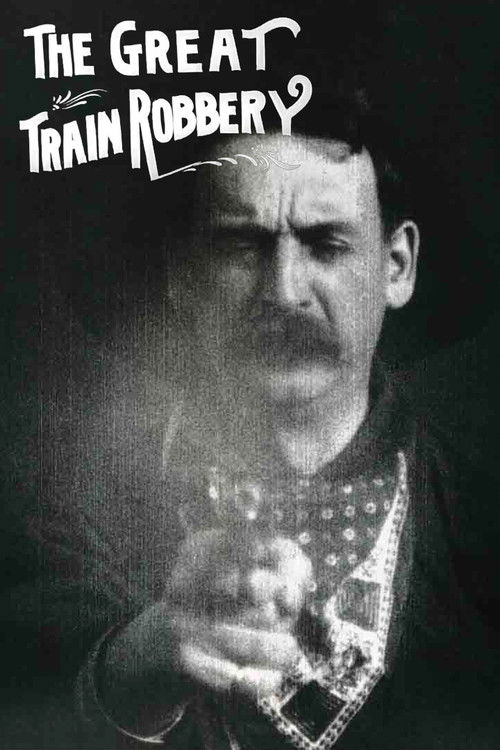
The Great Train Robbery1903
Edison's breakthrough: the film that proved cinema could tell a coherent story with action, suspense, and narrative momentum. It's where the language of film was born. Watching it now, you'll see why audiences were astonished.
But Nine minutes of jerky, hand-colored footage with no dialogue. If you need plot over pure cinematic innovation, this will test your patience.
Intolerance: Love's Struggle Throughout the Ages1916
Griffith's four-part epic that made The Girl and Her Trust look like a sketch. Sweeping in scope but also intimate—a genuine masterpiece about persecution across ages. Technically dazzling even now.
But Three hours, minimal dialogue, enormous historical ambitions. It's demanding. You will have to work.

Nosferatu1922
A vampire film made when cinema was still figuring out how to work. The shadow-play and composition are eerie in a way that modern horror, drowning in blood and jump-cuts, cannot touch. Genuinely unsettling.
But Silent, deliberately paced, relies entirely on mood and German Expressionist design. If you need plot momentum, you will be frustrated.

Not sure tonight? Get a pick in a minute, starting from The Girl and Her Trust
The wildcard
Something you would not have found on your own.
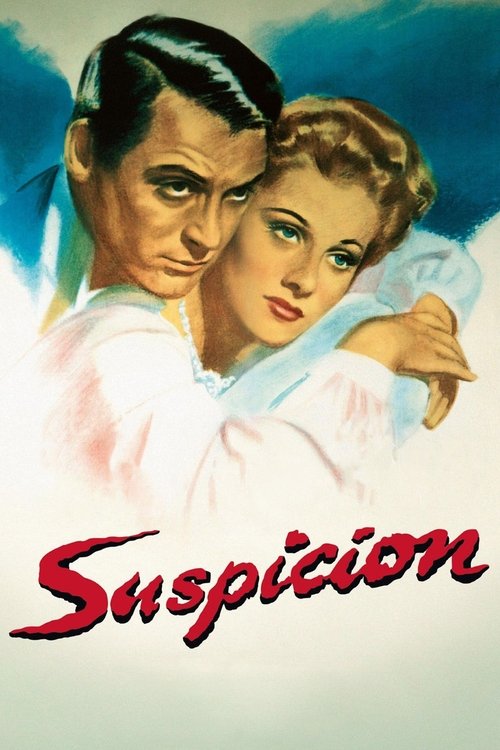
Suspicion1941
Both hinge on a woman recognizing danger through observation and communication—but Hitchcock had sound, color, and Cary Grant, and still found the uncertainty terrifying.
Hitchcock remakes the paranoia of early cinema for the studio era, but keeps what mattered: the close-up face of a woman slowly realizing she might be married to a murderer. Visual storytelling about uncertainty and trust, using every tool sound and color give him.
But The ending was re-shot under studio pressure and doesn't land as hard as it should. You'll feel the compromise.
More like this (8)
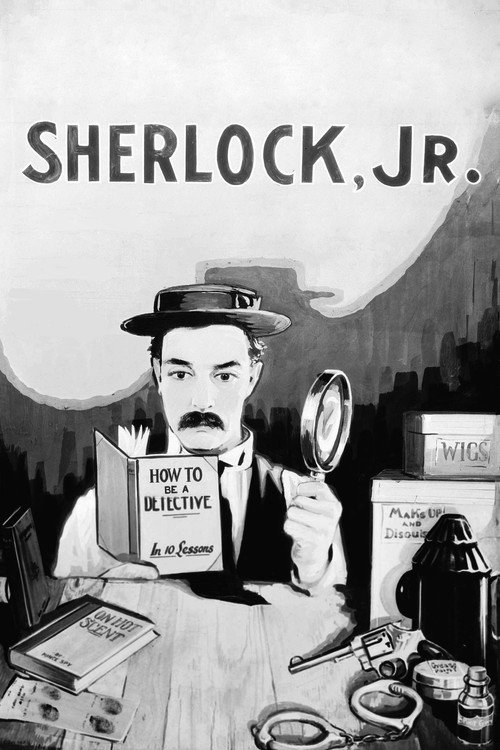
Sherlock Jr.1924
Buster Keaton as a projectionist dreaming himself into a detective story. It's funny, inventive, and technically breathtaking—proof that physical comedy and narrative sophistication are not opposites. Pure joy.
But The humor is visual and deadpan. If you need dialogue or sentiment, you'll miss what makes it brilliant.
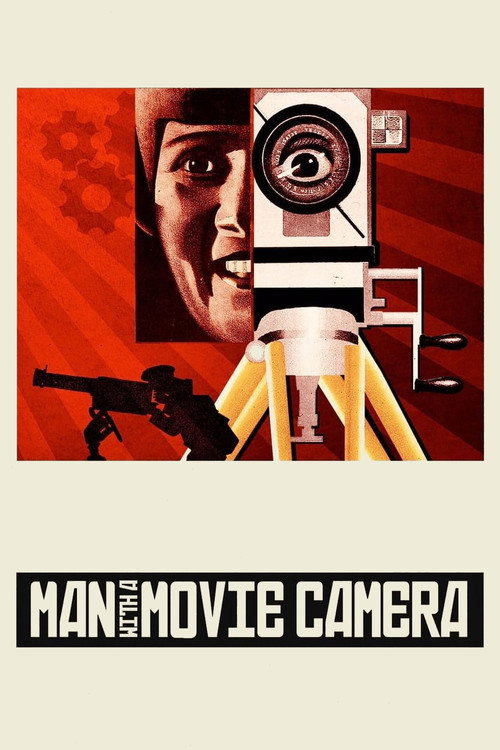
Man with a Movie Camera1929
Dziga Vertov's documentary symphony of Soviet life: no plot, no dialogue, just the city waking up, working, playing. Montage as pure cinema. Watching it is like discovering that editing itself is an art form.
But Abstract and structurally unconventional. It's not a story. If you're looking for narrative, you've come to the wrong place.
The Phantom Carriage1921
Swedish haunting film with ghost effects so clever they still work. A moral story about redemption and regret, genuinely moving beneath the supernatural machinery. Bergman called it one of the great films.
But The plot is sentimental by modern standards. The pace is glacial in places. You need patience and willingness to meet it on its terms.

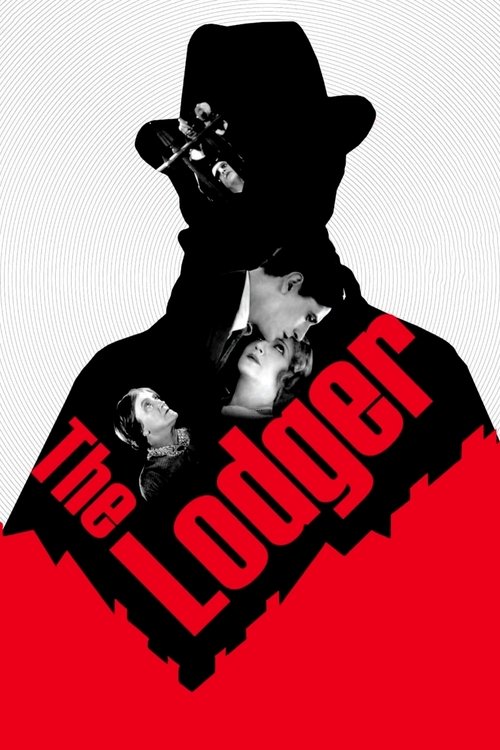
The Lodger: A Story of the London Fog1927
Hitchcock's first great thriller: paranoia, atmospheric London, a suspect whose guilt we can never quite determine. The visual language of suspicion is already fully formed here, decades before his Hollywood fame.
But Silent film conventions mean some exposition is clumsy. The pacing won't satisfy anyone used to modern thrillers.
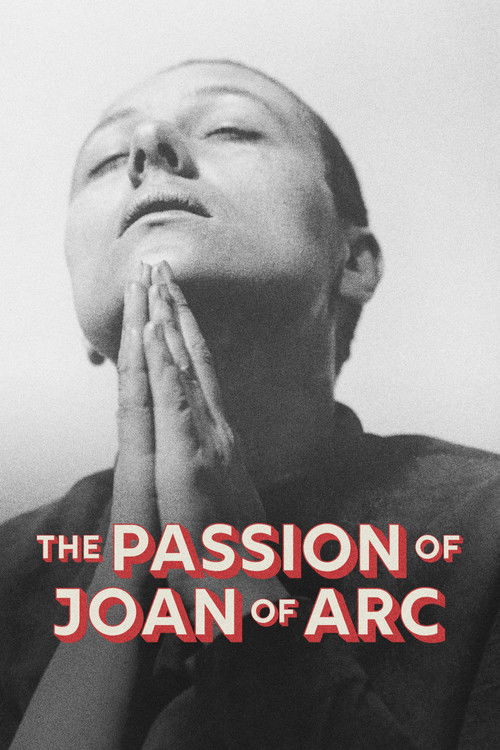
The Passion of Joan of Arc1928
Carl Theodor Dreyer's extreme close-ups of Renée Jeanne Falconetti's face as she's interrogated and condemned. It's almost unbearably intimate—less like a film, more like witnessing martyrdom. A spiritual experience.
But Deliberately austere and emotionally exhausting. The lack of visual variety means you are staring into one woman's suffering for ninety minutes.
The Cabinet of Dr. Caligari1920
German Expressionism unleashed: a asylum-set thriller with sets designed to make the mind itself look fractured. Unsettling, visually singular, a blueprint for every distorted psychological film since.
But The plot is thin and the pacing uneven. The distorted sets, brilliant as they are, can overwhelm the actual story being told.

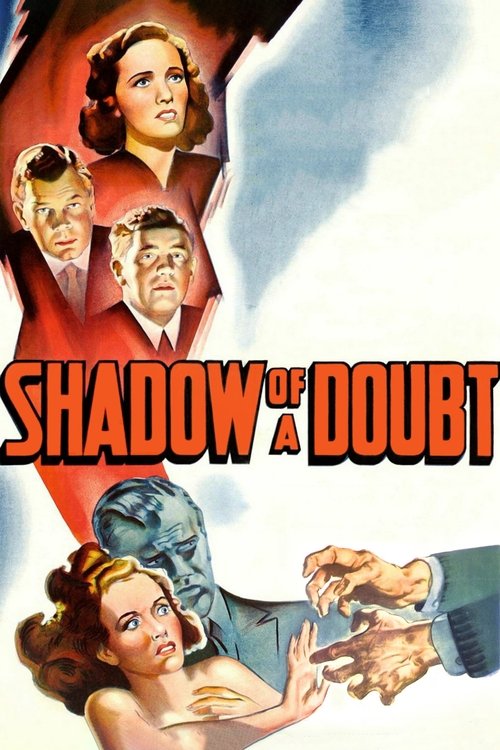
Shadow of a Doubt1943
Both trust ordinary people and ordinary spaces to generate terror. Neither needs spectacle.
A small American town discovers that its beloved uncle might be a serial killer. Thornton Wilder wrote it; Hitchcock directed it. It's a perfect small-town thriller that uses everyday life as its weapon, not train chases or special effects.
But Slower than you expect. The horror is ideological, not visceral—the corruption of innocence through knowledge. If you want action, look elsewhere.
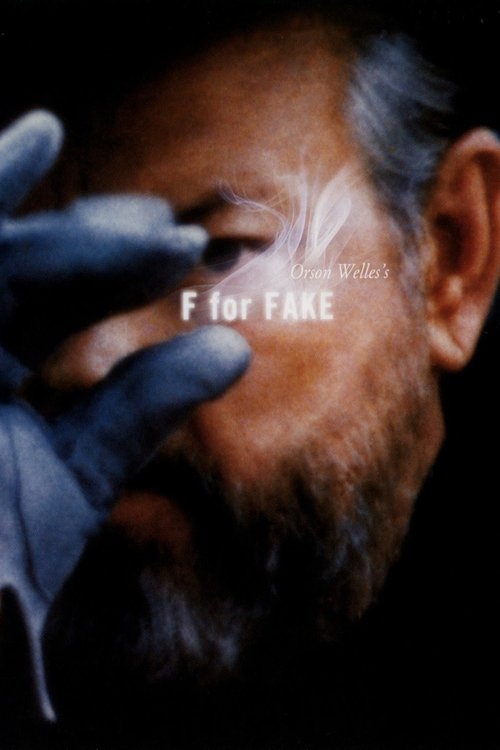
F for Fake1973
A telegram stops a theft; a film admission that theft and truth are tangled together. Both understand that what you see and what is real don't always align.
Orson Welles' essay-film about art forgery, deception, and whether truth matters at all—made by a forger about forgers, using film itself as a tool of misdirection. It's a magician's confession. Utterly original and you've never seen anything like it.
But It's not a narrative film. Welles digresses, plays games, breaks the fourth wall, and you're left uncertain what to believe about what you've been shown. If you need straightforward storytelling, don't watch this.
People
Cast
Directing
- D.W. GriffithDirector