
Film
Destiny
A silent German fantasy where Death abducts a young man, and his lover must prove love conquers mortality across three historical lives. Visually extraordinary—moving sets, symbolic staging, a palpable sense of fate pressing down. For anyone curious about cinema's visual language before sound, or who loves stories that treat love and death as cosmic forces.
Should you watch it?
Watch it if you love fairy-tale storytelling where stylised sets and a grim sense of fate feel like a dream you can't quite shake, and you're happy to let a fable unfold at its own pace.
Skip it if you want brisk pacing or naturalistic acting, since the silent-era performances are broad and the middle section stretches, so your patience may wear thin.
What it asks of you: Ninety-eight minutes of silent-era pacing, with intertitles to read and slow, deliberate scenes, so settle in and give it your full attention rather than half of it.
Not sure? Find tonight's pick in a minute.
If you liked this
The Phantom Carriage1921
Released the same year, this Swedish masterpiece also uses Death as a character and weaves multiple timelines to explore redemption and love's transformative power. Equally haunting and visually inventive.
But It's slow and heavily dependent on intertitles; the emotional payoff demands patience and surrender to the film's rhythm.

Nosferatu1922
Another German Expressionist treasure about supernatural forces and human vulnerability. The visual design—shadows, distorted architecture, dread—shares Destiny's sense that the world itself can betray you.
But The pacing feels glacial by modern standards, and the horror operates on mood rather than plot momentum.

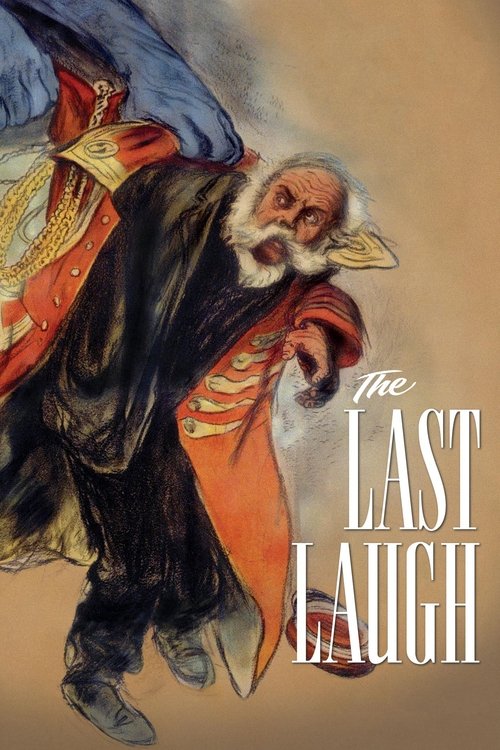
The Last Laugh1924
F.W. Murnau's German silent masterpiece proves that camera movement and composition alone can convey a man's entire emotional collapse. Shares Destiny's faith in pure cinema over dialogue.
But There are no intertitles at all—you must read every emotion from faces and bodies, which is taxing but also the entire point.
Not sure tonight? Get a pick in a minute, starting from Destiny
The wildcard
Something you would not have found on your own.
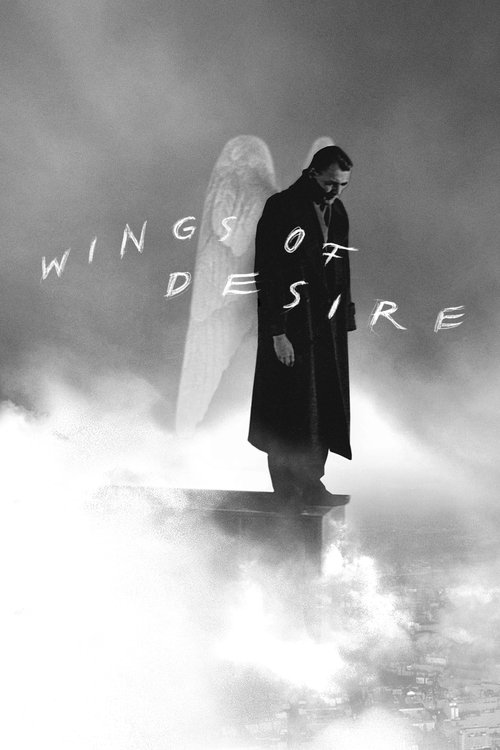
Wings of Desire1987
Both films make Death a witness to love, use multiple time periods or vantage points to explore eternity, and trust cinema's visual power to express what words cannot.
Wim Wenders' angels watch over Berlin, observing human love and mortality from a distance. Like Destiny, it treats Death and fate as characters in a cosmic story, but it's Romantic and melancholic rather than stark. The prose-poetry voice-over replaces intertitles; the visual language descends directly from German Expressionism.
But It's contemplative to the point of stasis; nothing happens in the way narrative usually demands. Long stretches are abstract meditation, not drama.
More like this (8)
The Seventh Seal1957
Bergman's knight plays chess with Death in broad daylight. It's essentially Destiny remade with sound, philosophy, and a different answer to whether love transcends mortality. Essential viewing after this.
But It's denser with ideas than plot; some find it ponderous rather than profound, especially on first viewing.

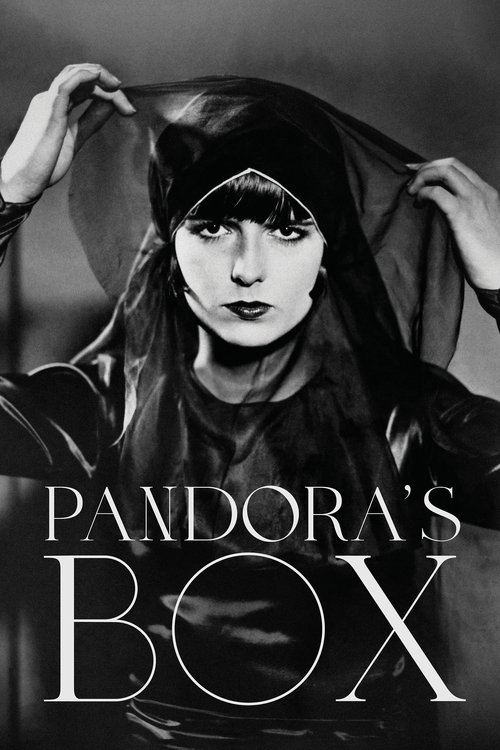
Pandora's Box1929
Another Lil Dagover film, this German silent is even more visually audacious—sexuality, desire, and fate collide. Shows how Destiny's star dominated Weimar cinema.
But It's fragmentary and deliberately refuses moral clarity; you may feel unsettled rather than satisfied by its ending.
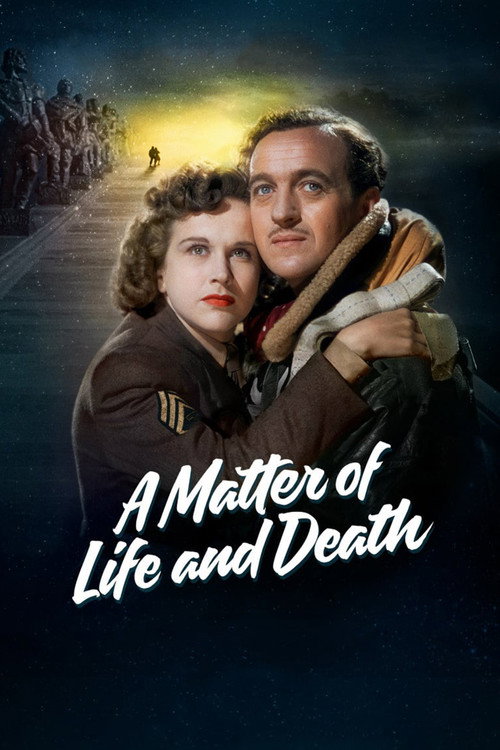
A Matter of Life and Death1946
Powell and Pressburger transplant the ghost-story-with-cosmic-stakes into Technicolor Britain. A wartime pilot argues for his life in an afterlife courtroom. Same DNA as Destiny, utterly different in register.
But The whimsy and colour can feel saccharine if you're not in the mood for British eccentricity wrapped around existential stakes.
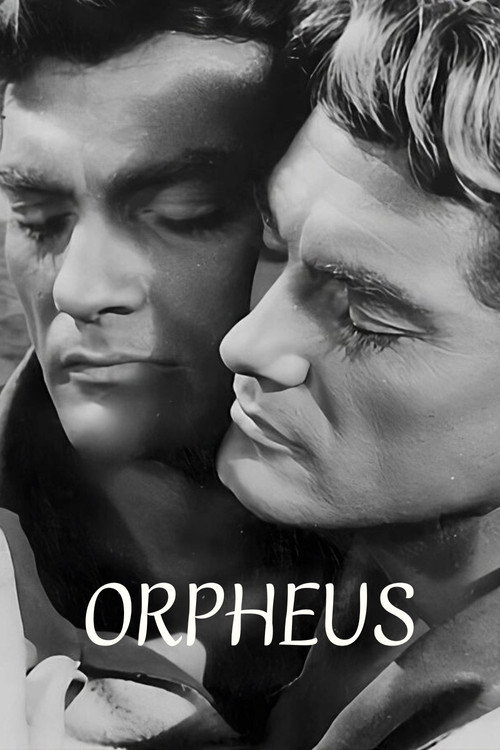
Orpheus1950
Cocteau's take on Orpheus and Eurydice uses car mirrors and radio broadcasts as portals to the underworld. Destiny's theme—art and love against death—filtered through French surrealism and modern machinery.
But It's mannered and precious; if you find Cocteau's aesthetic self-indulgent, this will feel like watching someone admire their own reflection for ninety minutes.
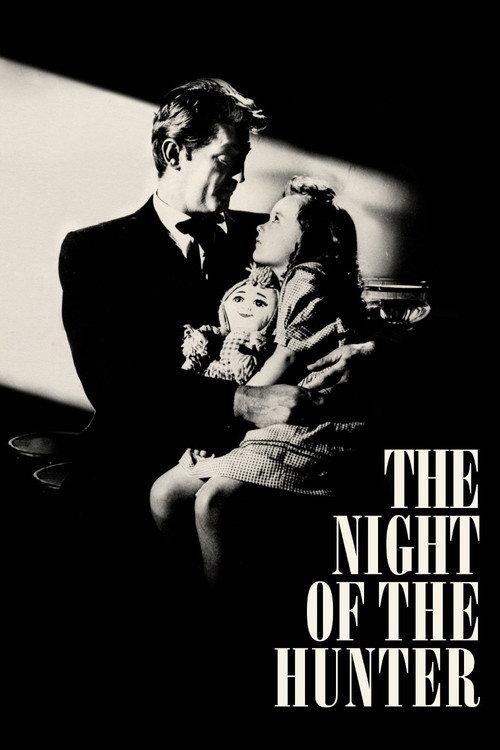
The Night of the Hunter1955
A nightmarish, poetic American noir about predation and innocence. Not about Death the character, but it has Destiny's quality of moral forces made tangible, shadows made meaningful.
But The tonal shifts between horror and dreamlike pastoral may feel jarring rather than intentional if you're watching passively.
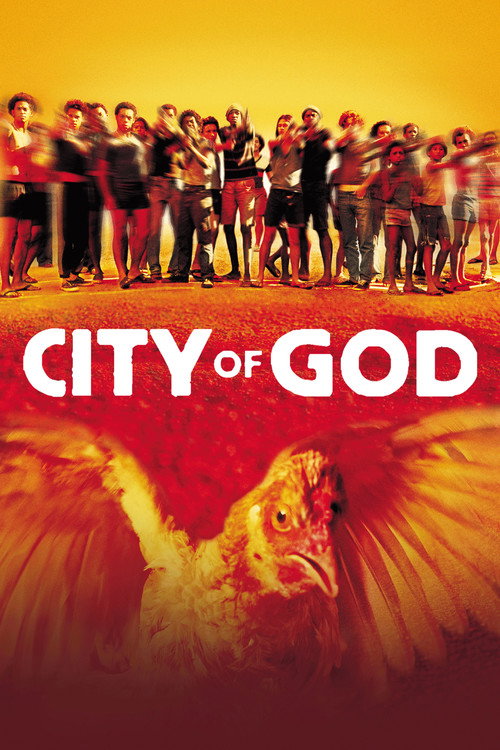
City of God2002
A more recent film about how fate and circumstance entrap people, shot with visual energy that recalls silent cinema's reliance on composition and movement over exposition.
But The violence is graphic and the narrative frantic; it's the furthest thing from Destiny's fatalistic remove, which may break the thematic spell.
Stalker1979
Both use journey and trial as the skeleton of philosophical inquiry. Both suggest that reaching what you desire might destroy you. Both are about whether love or truth wins when they collide.
Tarkovsky's Russian science-fiction film follows a guide leading two men through a mysterious zone to a room that grants wishes. Structurally and thematically it mirrors Destiny's three trials—each journey tests whether desire survives confrontation with truth. Visually hypnotic, philosophically merciless.
But It's nearly three hours of people walking and talking in empty spaces. If you need plot or conventional emotion, this will feel like punishment.

Synecdoche, New York2008
Both films collapse past, present, and possible futures into a single space. Both suggest that love, art, and death are not separate problems but versions of the same question. Both demand you accept ambiguity as the answer.
Charlie Kaufman's dizzyingly ambitious film about a theater director building a life-sized replica of New York inside a warehouse, blurring art, mortality, and love across multiple nested realities. Like Destiny, it uses multiple timelines and symbolic spaces to suggest that we're always living out other people's stories. Visually layered, emotionally raw.
But It's deliberately confusing and refuses to answer its own questions; it's as much about your frustration as its themes. Very possible to watch it and feel angry rather than moved.

People
Cast
 Lil DagoverYoung Woman / Zobeide / Mona Fiametta / Tiao Tsien
 Walter JanssenYoung Man / Frank / Gianfrancesco / Liang
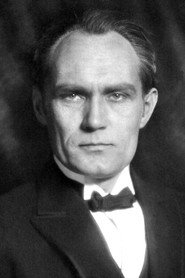 Bernhard GoetzkeDeath / El Mot / Archer
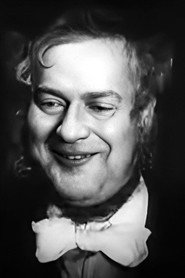 Hans SternbergMayor
- Karl RückertReverend
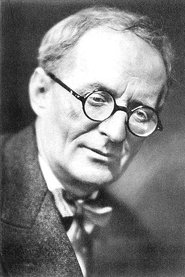 Max AdalbertNotary / Chancellor
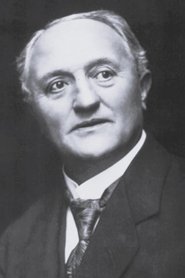 Wilhelm DiegelmannDoctor
- Erich PabstTeacher
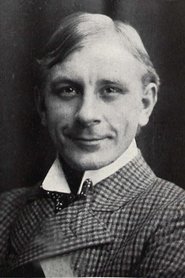 Karl PlatenPharmacist
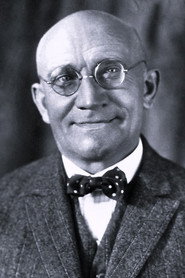 Hermann PichaTaylor
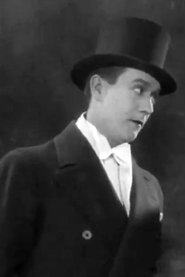 Paul RehkopfGravedigger
- Max PfeifferNight Watchman
Directing
- Fritz LangDirector
Writing
- Fritz LangWriter
- Thea von HarbouWriter