
Television series
Random Acts of Flyness
Terence Nance's late-night fever dream splices sketch comedy, documentary, music video and animation into something closer to a mixtape than a sitcom. Each episode riffs on race, desire, grief and American media without settling into one shape for long. It's funny, unsettling, occasionally baffling, and unlike almost anything else that's aired on HBO.
If you liked this
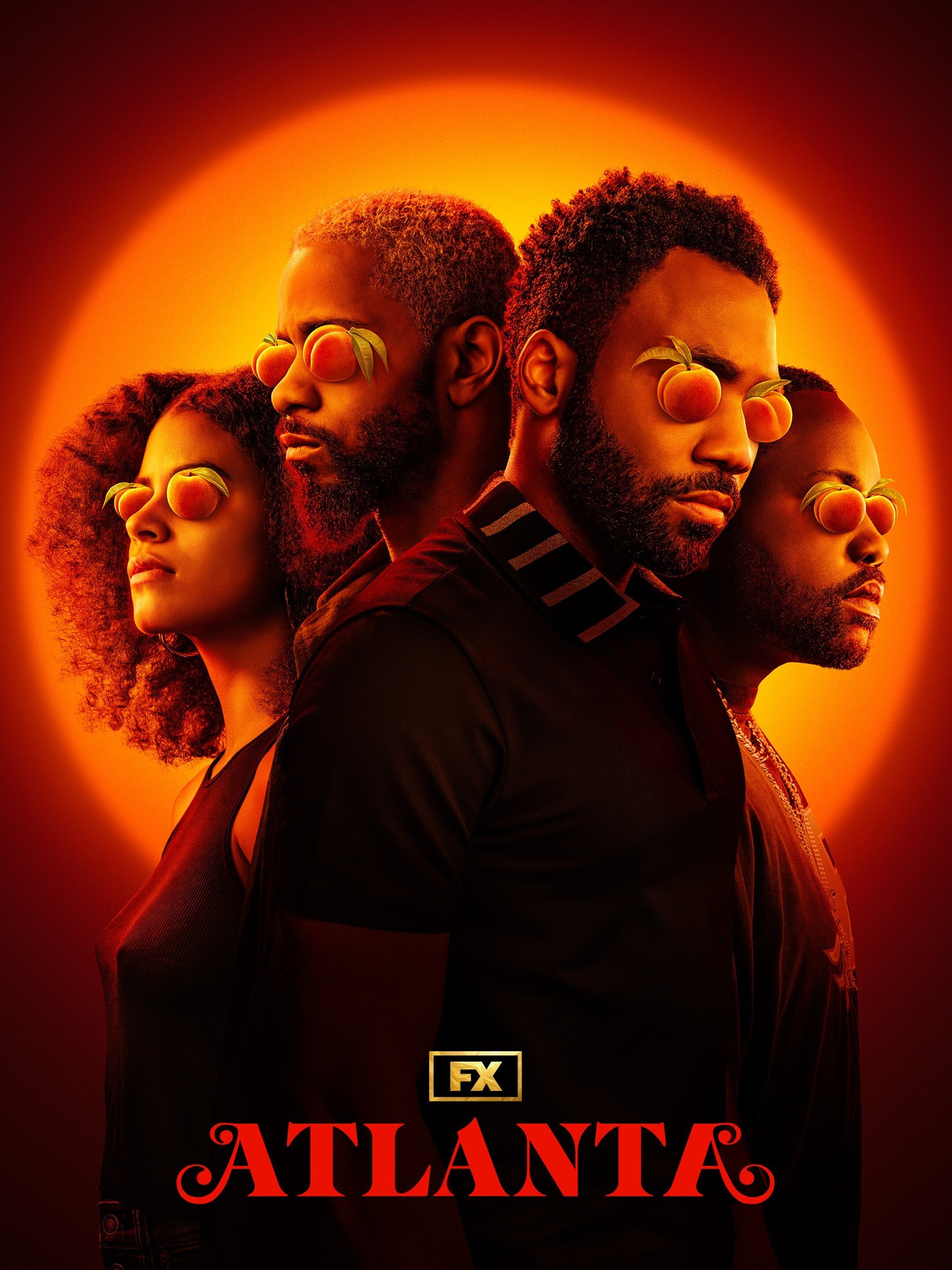
Atlanta2016
Donald Glover's show shares Nance's willingness to abandon plot for mood, swapping between surreal detour and street-level realism episode to episode. If Random Acts left you hungry for more genre-scrambling Black auteur TV, this is the obvious next stop.
But It's more patient and narrative-driven than Nance's show — less collage, more slow-burn character study.
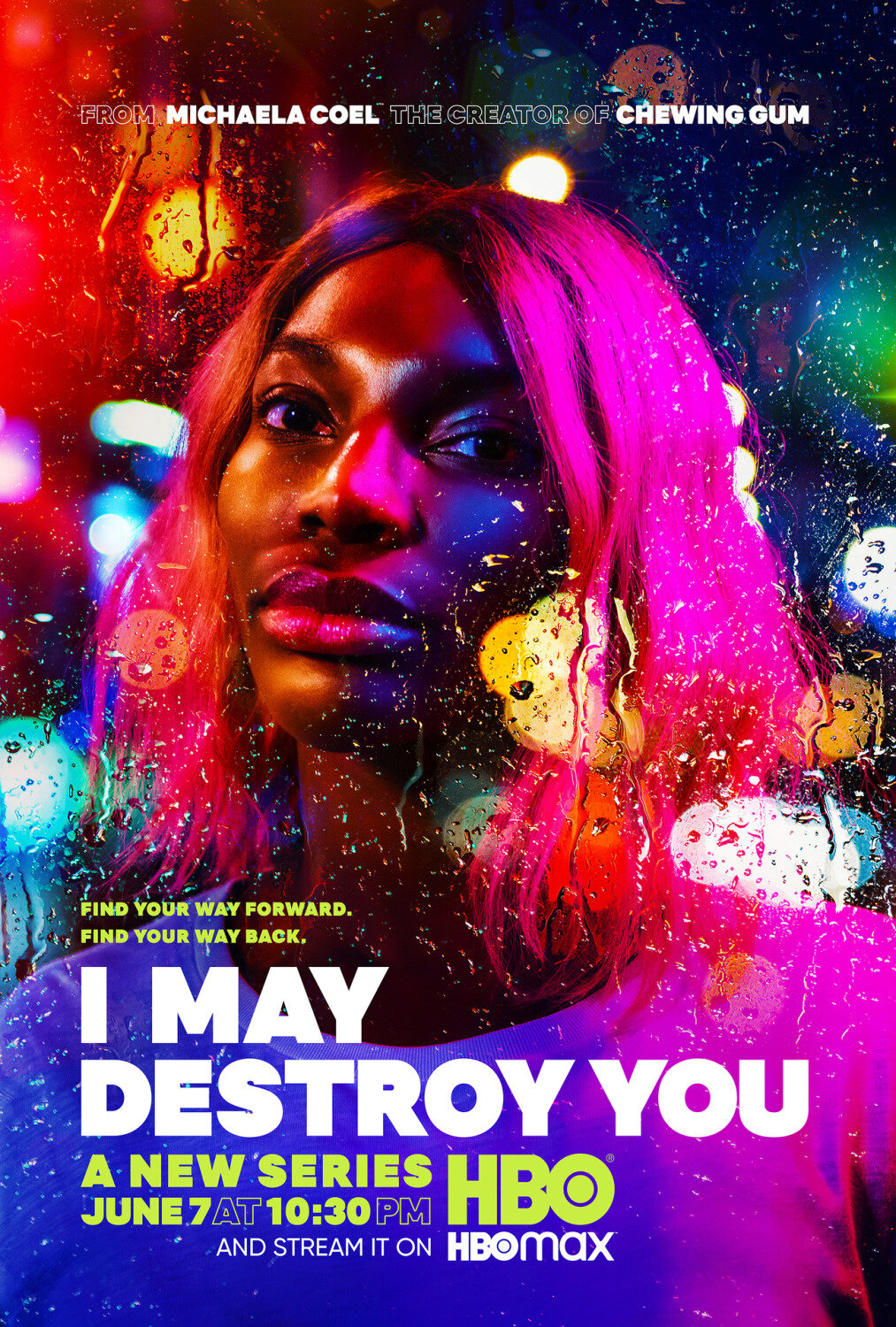
I May Destroy You2020
Michaela Coel bends format the way Nance does, mixing comedy, trauma and formal experiment inside a single half hour. It's raw where Nance is dreamlike, but the same refusal to be one genre runs through it.
But It's grounded in one woman's very specific, very painful story — less collage, more confession.
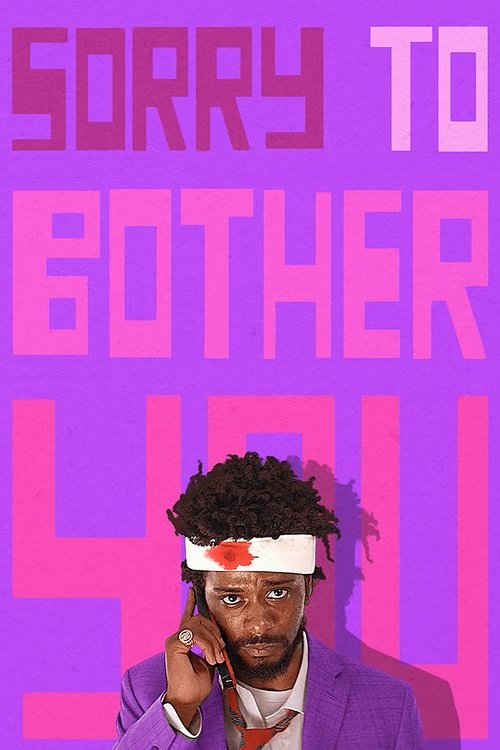
Sorry to Bother You2018
Boots Riley's satire starts as workplace comedy and detonates into absurdist science fiction, using surrealism the same way Nance does — to make racial and economic exploitation visible rather than just discussed.
But It's a single two-hour swing rather than an ongoing anthology, and the tonal whiplash in its final act isn't for everyone.
The wildcard
Something you would not have found on your own.
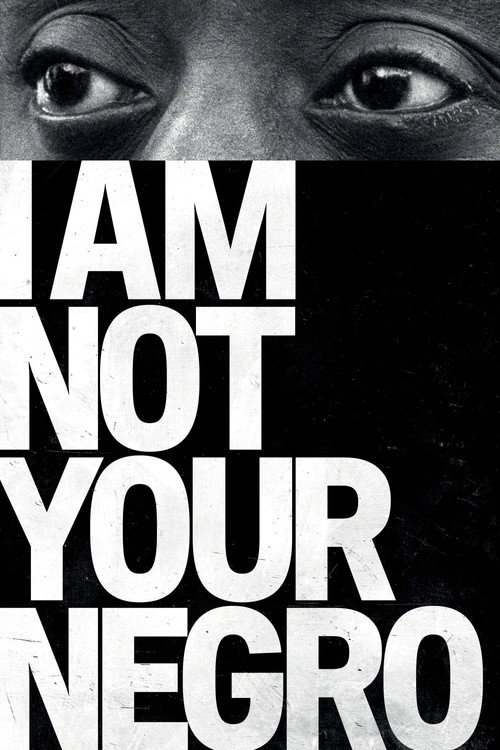
I Am Not Your Negro2017
Nance's show and this film share a method, not just a subject: both refuse linear argument in favor of assembled fragments — archive, voice, image — to make white supremacy and American media visible rather than explained.
James Baldwin's unfinished essay narrates archival footage of Malcolm X, Martin Luther King and network news, assembled by Raoul Peck into something as much collage as argument — fragments built into feeling instead of explanation.
But It's a documentary with zero jokes and no fictional frame — a far more sober register than Nance's playful surrealism.
More like this (8)
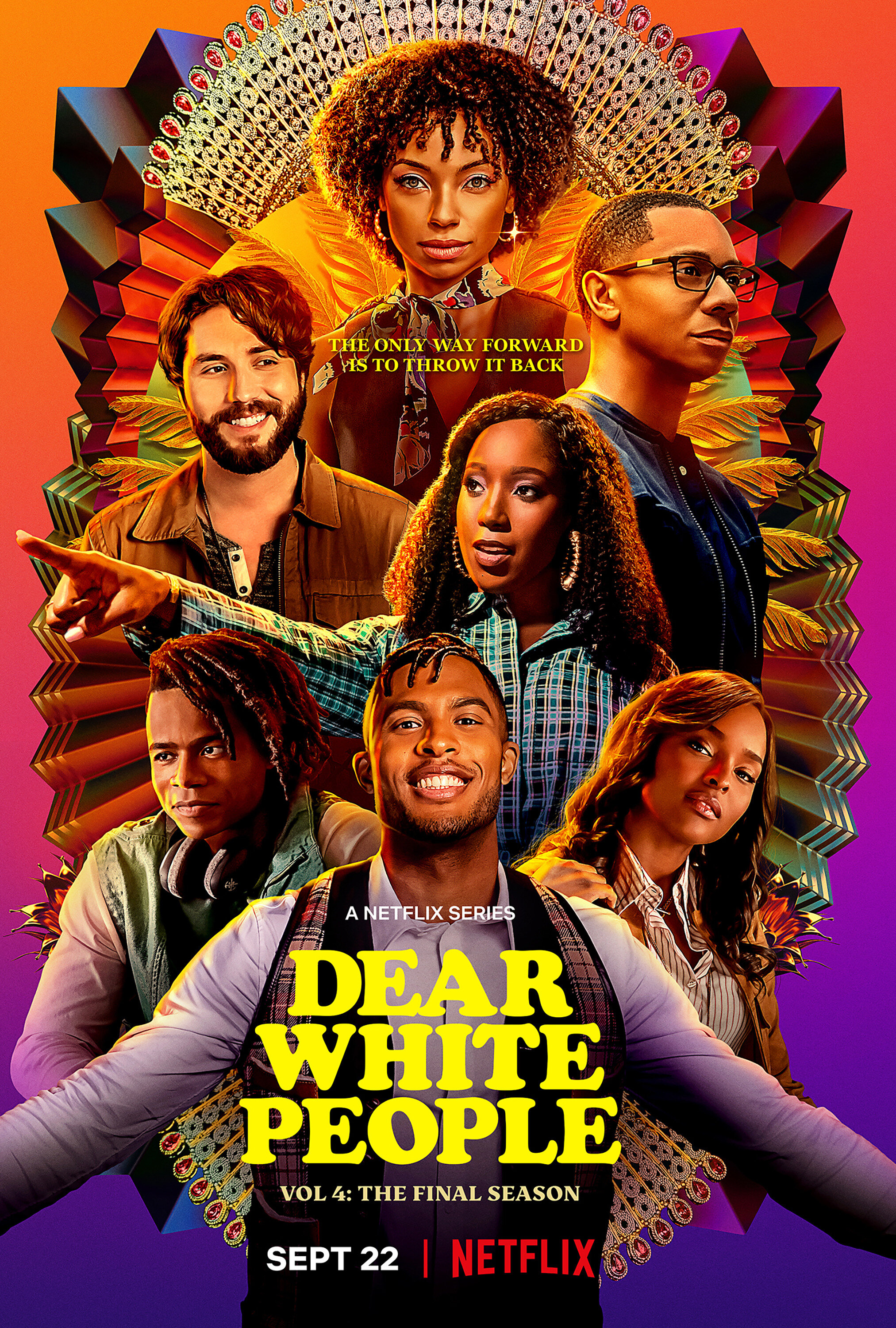
Dear White People2017
A sharper-edged, more plot-driven cousin, using a campus ensemble to skewer performative allyship, media narratives and Black identity from a rotating cast of perspectives each episode.
But It plays its satire mostly straight through conventional sitcom structure, without Nance's formal chaos or genre-hopping.
Woke2020no page yet
A Black cartoonist starts seeing his own drawings talk back to him about race in America — animated conscience colliding with live-action sitcom, in a spirit close to Nance's genre-blurring.
But Broader and gentler than Nance's show, aimed more at easy laughs than genuine formal disorientation.
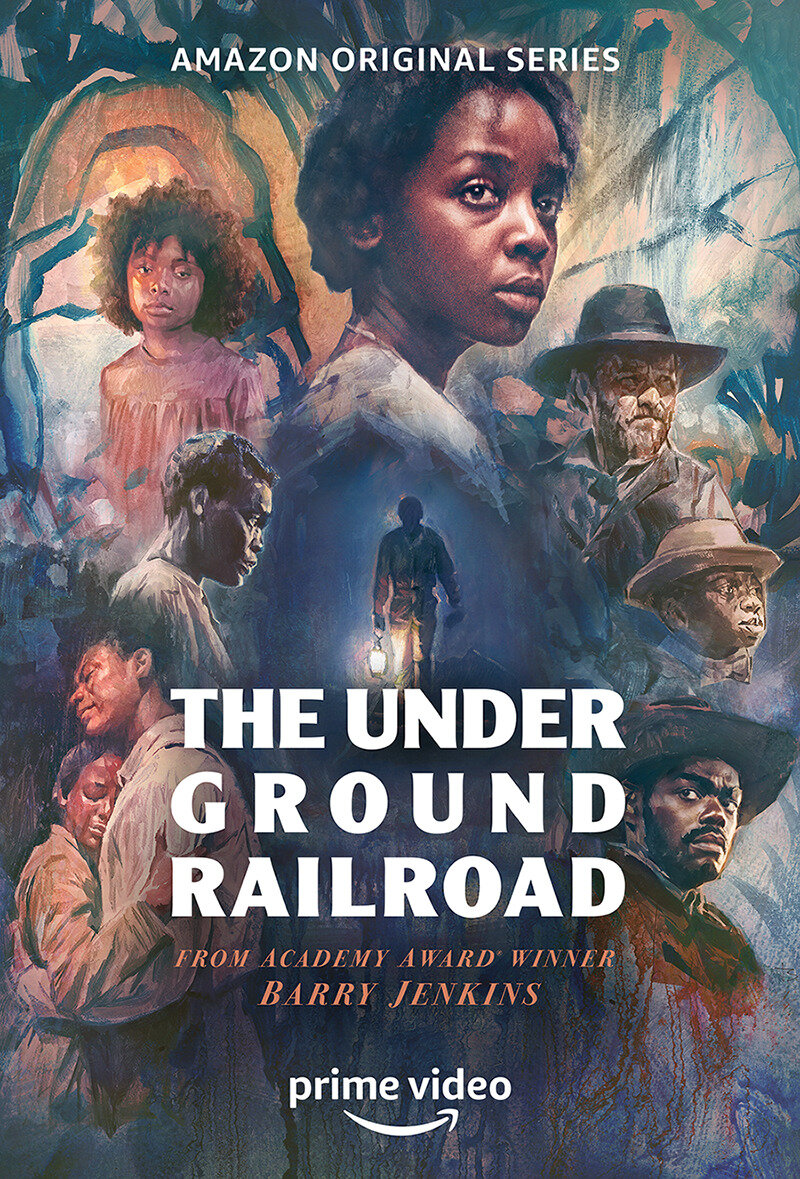
The Underground Railroad2021
Barry Jenkins turns Colson Whitehead's novel into hallucinatory, painterly television, treating ancestral trauma the way Nance does — as something that bleeds into the present rather than staying safely in the past.
But It's slow, heavy and unrelentingly serious — none of Random Acts' antic comic energy.
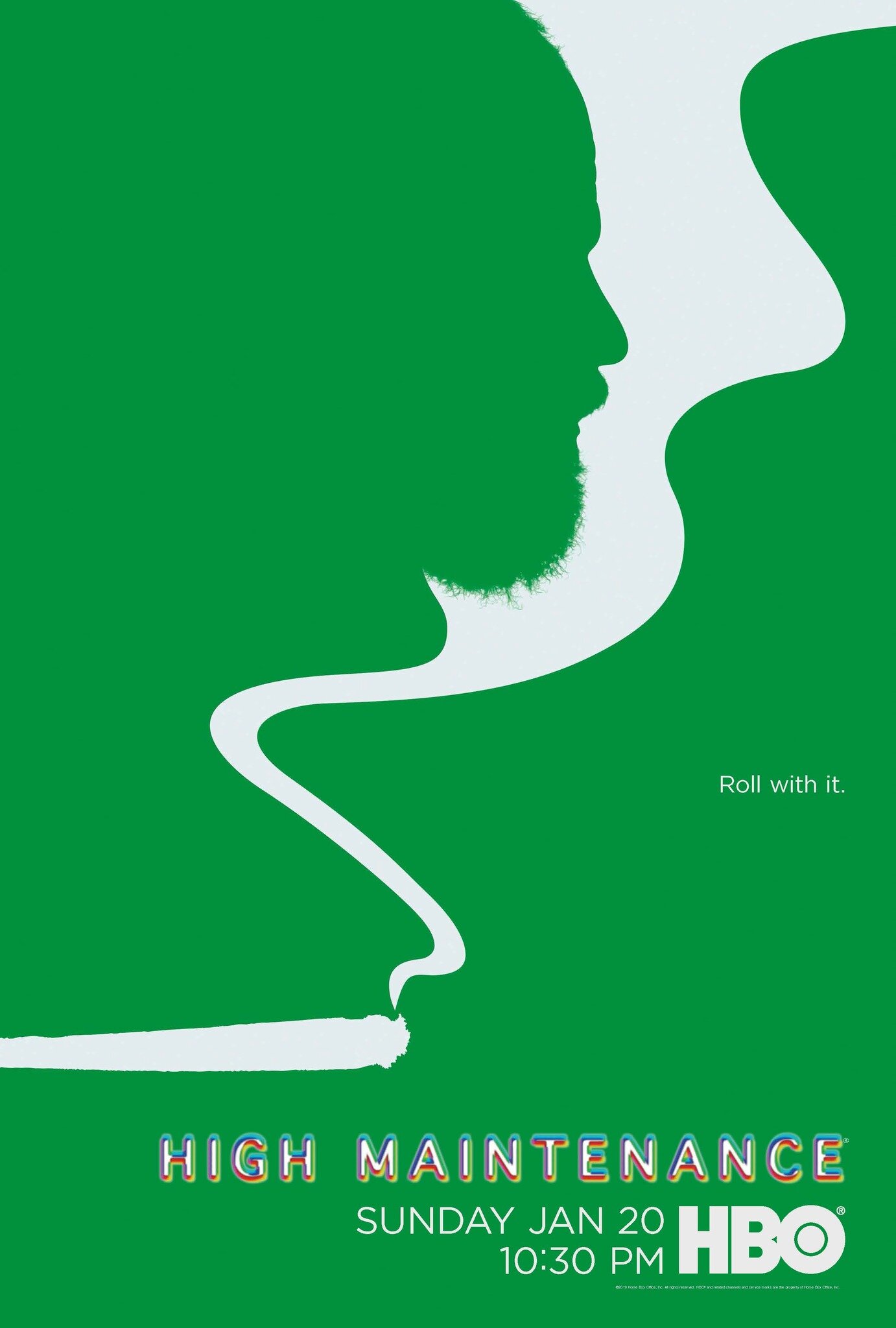
High Maintenance2016
Anthology vignettes stitched loosely together, hopping between New Yorkers' lives with the same mosaic structure Nance uses, if aimed at melancholy comedy rather than political provocation.
But It's gentler and whiter, more interested in wistful character sketches than confronting anything structural.
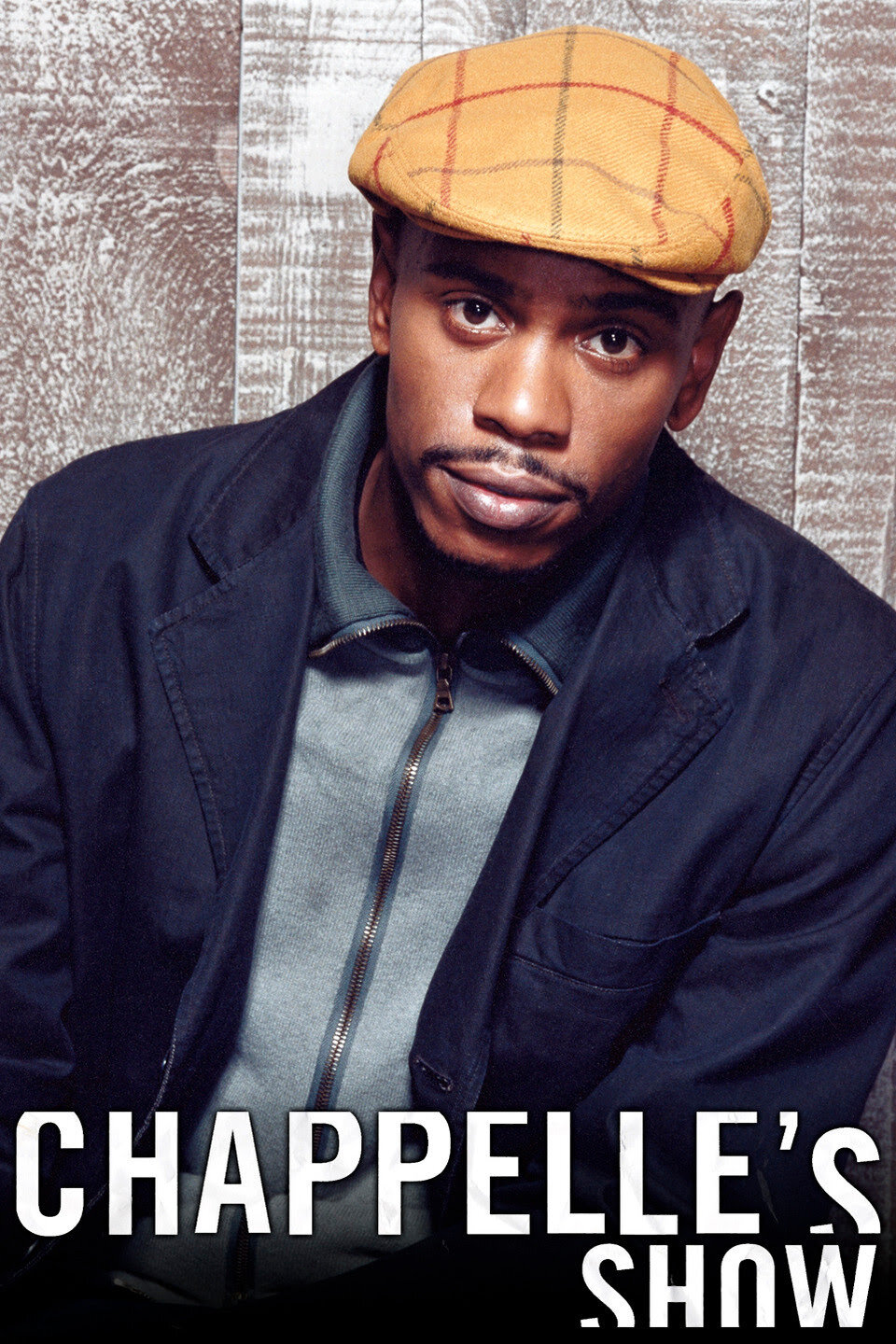
Chappelle's Show2003
The sketch-comedy ancestor — using outrageous scenarios and dead-on impressions to say things about race a straight sitcom couldn't touch, decades before Nance took the same idea somewhere stranger.
But Broader, cruder, more crowd-pleasing — built for big laughs rather than unsettling atmosphere.
Los Espookys2019no page yet
A deadpan, absurdist comedy about friends staging fake hauntings for money, proving strange half-hour comedy doesn't have to be about America to feel like nothing else on air.
But It's in Spanish with a much gentler target — horror-movie whimsy rather than social critique.
Ganja & Hess1973no page yet
Bill Gunn's film is the direct ancestor of the Afrosurrealist tradition Nance works in — trading plot for mood and metaphor to talk about Black identity, decades before the term existed.
A vampire art film that barely bothers with vampire-movie logic, using addiction and appetite as metaphors for colonialism and Black assimilation, decades before anyone called this kind of thing Afrosurrealism.
But Slow, dreamlike and deliberately confusing by design — it's arthouse horror, not entertainment in any conventional sense.
Undercover Brother2002no page yet
Same target — media stereotypes and white supremacy treated as absurd, satirizable systems — hit with a sledgehammer instead of Nance's scalpel; the register-swap version of the same joke.
A gloriously dumb blaxploitation spy spoof that uses cartoonish stereotypes and a secret white-supremacist conspiracy plot to say, loudly and stupidly, some of what Nance says quietly and strangely.
But It's a broad studio comedy built for laughs, with none of the formal ambition or melancholy underneath Nance's show.
People
Writing
- Terence NanceCreator
Production
- Chanelle Aponte PearsonExecutive Producer
- Jamund WashingtonExecutive Producer
- John HodgesExecutive Producer
- Kelley RobinsExecutive Producer
- Kishori RajanExecutive Producer
- Ravi NandanExecutive Producer
- Tamir MuhammadExecutive Producer
- Terence NanceExecutive Producer