
Film
Evil Dead Trap
- Horror
- Very dark
Evil Dead Trap is a fiercely inventive 1988 Japanese horror film that treats snuff-film mythology with genuine dread. It shifts restlessly between mystery and body horror, mixing the procedural momentum of a crime story with surreal, grotesque set pieces. The result is unsettling in ways that feel unpredictable—you're never quite sure what the film will do next. It's for horror fans who want craft, strangeness, and real menace.
Should you watch it?
Watch it if you relish a grimy, unapologetically nasty shocker where the set-piece gore and the queasy hunt for a rumoured film carry the momentum, and you enjoy horror that is more lurid than polished.
Skip it if you need a coherent plot or restrained scares, since this one trades logic and subtlety for relentless, often punishing violence and a lot of noise.
What it asks of you: Expect a short, sharp ride with little breathing room, where the dread builds in blunt bursts and you spend more time bracing than piecing things together.
Not sure? Find tonight's pick in a minute.
If you liked this
Suspiria1977
Dario Argento's masterpiece of pure visual and sonic horror—coloured lights, impossible geometry, a hypnotic score. It trusts atmosphere over explanation and rewards you for surrendering to its logic.
But It's slow, it's operatic, and the plot barely exists. If you need answers or conventional forward momentum, it will frustrate you.

Possession1981
Andrzej Żuławski's marriage-gone-apocalyptic nightmare is bizarre, visceral, and genuinely unhinged—anchored by Sam Neill's descent into madness. Every frame feels like it might explode.
But It's bewildering and hostile to the audience. The creature design is grotesque. Some find it more exhausting than entertaining.

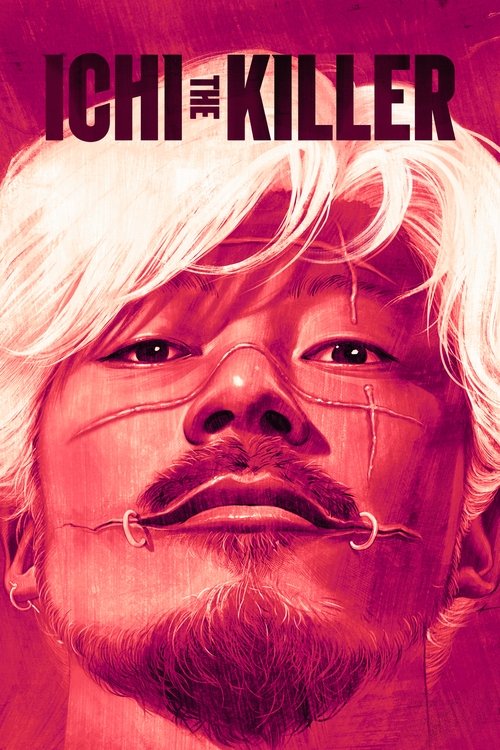
Ichi the Killer2001
Takashi Miike's yakuza-horror hybrid is graphically violent and visually baroque, with a structure that keeps dissolving under your feet. It's repulsive and magnetic in equal measure.
But The gore is explicit and sustained. The tone lurches unpredictably between comedy and brutality, which some find cheap or manipulative.
Not sure tonight? Get a pick in a minute, starting from Evil Dead Trap
The wildcard
Something you would not have found on your own.
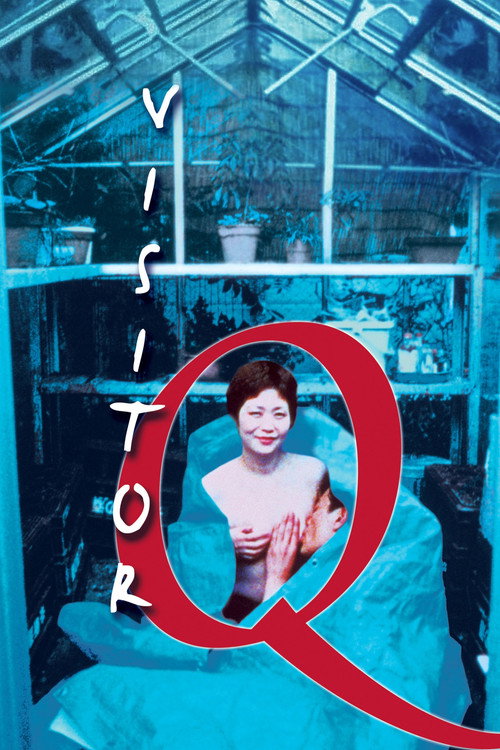
Visitor Q2001
Both use horror imagery and escalating violence to explore a breakdown of social order from within—not invasion from without, but collapse from the inside.
Takashi Miike's transgressive provocation disguised as family drama—a disintegrating household welcomes a mysterious guest. It's obscene and pitiful in equal measure, using shock as emotional archaeology.
But The content is explicitly scatological and sexual. It's designed to violate; many will find it indefensible rather than art.
More like this (8)
The Wailing2016
Na Hong-jin's layered police procedural spirals into theological horror. It's methodical, paranoid, and architecturally complex—each viewing reveals new angles and contradictions.
But It's nearly three hours and refuses to resolve cleanly. The ambiguity is the point, which some experience as frustration rather than art.

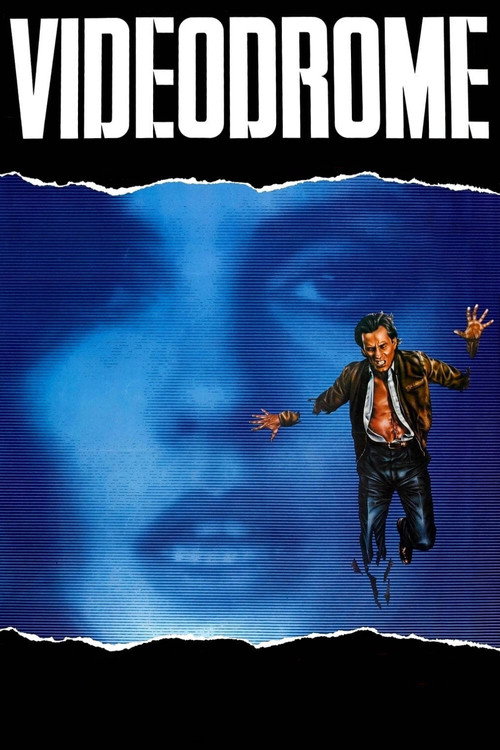
Videodrome1983
David Cronenberg's VHS-age fever dream about media corrosion and bodily mutation. It's grotesque and prescient, operating somewhere between conspiracy thriller and hallucinogenic nightmare.
But The body horror is relentless and unsettling. The narrative embraces confusion as a feature, not a bug.
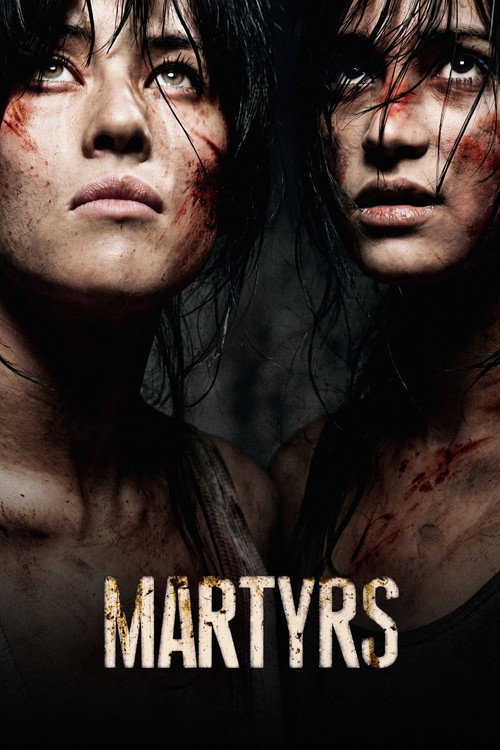
Martyrs2008
Pascal Laugier's French-Canadian extremity film uses suffering as a philosophical framework. It's formally controlled and intellectually merciless—horror with real stakes and real ideas.
But It depicts graphic torture and trauma. The bleakness is total. Many find it unwatchable, and that reaction is completely valid.
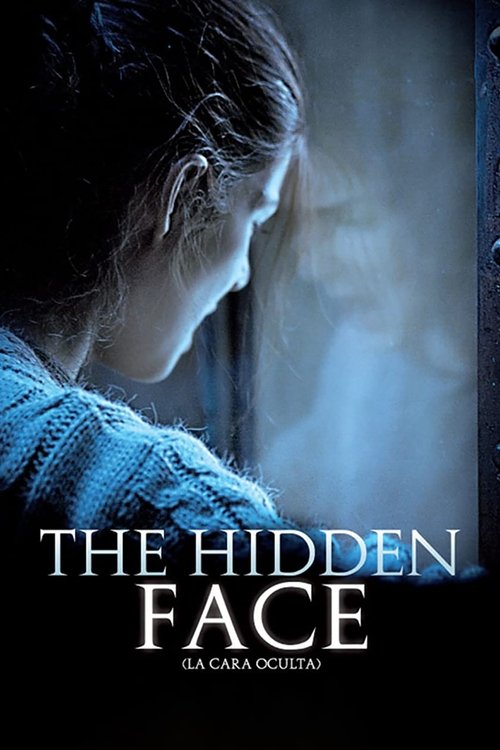
The Hidden Face2011
Andres Baiz's Colombian thriller is a locked-room mystery that hinges on a single, simple twist—but the way he builds to it is architectural precision and mounting dread.
But Once the reveal happens, the film asks you to rewatchit. Some feel the twist retroactively diminishes what came before.
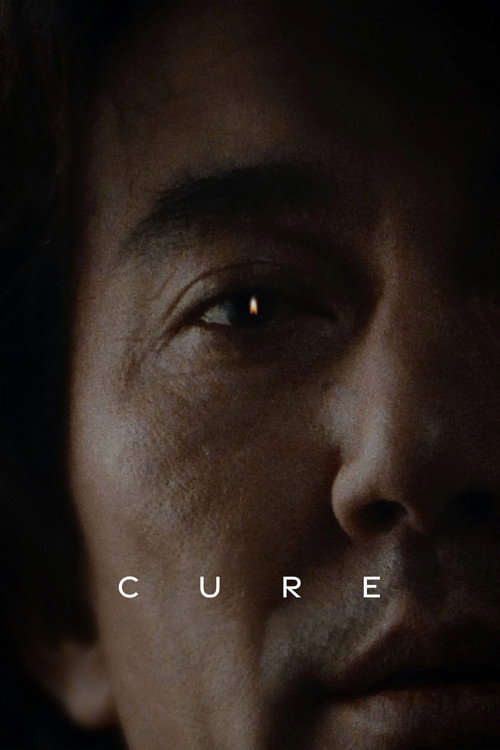
Cure1997
Kiyoshi Kurosawa's film about a series of copycat murders is minimalist and methodical, building psychological unease through repetition and implication. It's deeply unsettling despite restraint.
But Nothing explodes; dread accumulates slowly. If you want spectacle or momentum, you'll find it deliberately withheld.
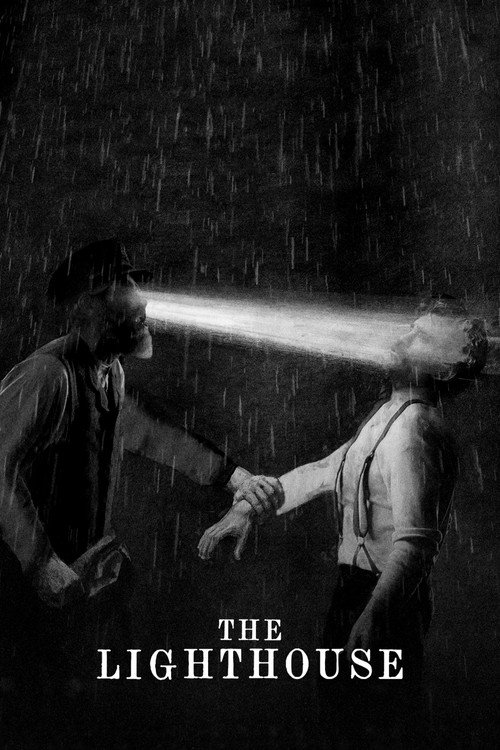
The Lighthouse2019
Robert Eggers' two-hander in black-and-white is a study in claustrophobia and obsession, with Pattinson and Dafoe as madness in a bottle. The sound design alone is worth the price of admission.
But It's deliberately theatrical and mannered. The accents are impenetrable. Pacing is glacial. If you want naturalism, you're in the wrong place.
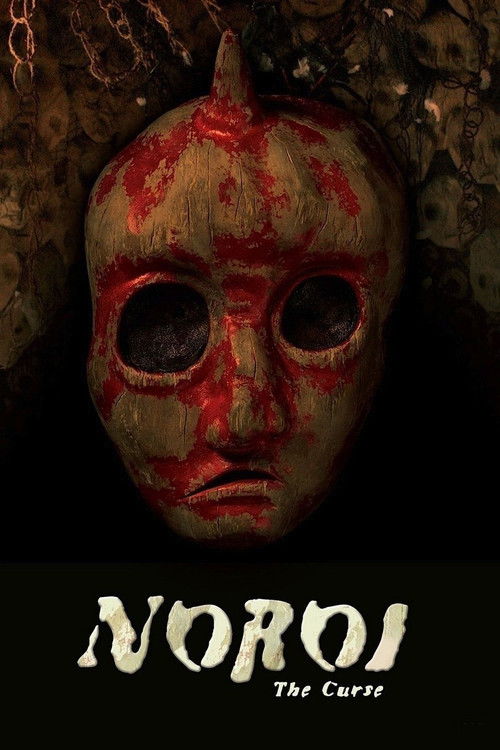
Noroi: The Curse2005
Both films treat their horror as investigative work—documentarians or journalists chasing something that destroys them. The camera becomes both witness and weapon.
Koji Shiraishi's found-footage occult investigation feels like documentary evidence of a real haunting. It's methodical and paranoid, building mythology through fragments and implication.
But It's shot on cheap video and moves at a glacial pace. The pay-off is subtle and philosophical, not cathartic. Many will think they wasted two hours.
Come and See1985
Both films treat horror as a process of unraveling—a spiral descent into a nightmare that the protagonist cannot escape or fully understand. The audience shares their helplessness.
Elem Klimov's Soviet war film watches a boy's soul obliterate across a single day. It's visceral and spiritual, using horror language to depict atrocity. One of cinema's most humanist films.
But It's bleak, relentless, and depicted with brutal clarity. The sound design includes real screams. This is not entertainment; it is endurance and witness.

People
Cast
 Miyuki OnoNami Tsuchiya
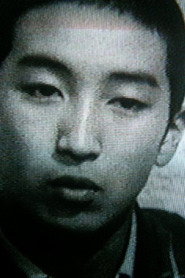 Yūji HonmaDaisuke Muraki
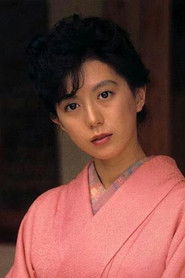 Hitomi KobayashiRei Sugiura
 Eriko NakagawaRie Kawamura
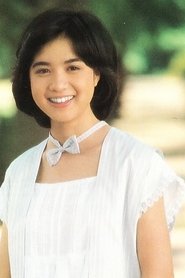 Aya KatsuragiMasako Abe
- Masahiko AbeAkio Kondo
 Hiroshi ShimizuMiddle-aged Man
- Yûko SuwanoTime Keeper
 Kyoko HashimotoYoung Woman

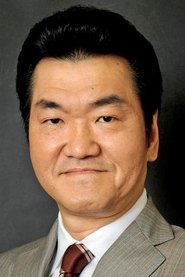 Shinsuke ShimadaTV Producer
 Mari ShimizuHideki (voice)
Directing
- Yota WatanabeAssistant Director
- Toshiharu IkedaDirector
- Yasuhiro HoriuchiSecond Unit Director
Writing
- Akane ShiratoriScript Editor
- Takashi IshiiWriter
Production
- Tadao MasumizuExecutive Producer
- Michio ÔtsukaProducer
- Satoshi JinnoProducer