
Film
The Last Broadcast
- Mystery
- Monster horror
- Very dark
A found-footage horror film that predates The Blair Witch Project, following a filmmaker investigating a livestreamed expedition into the New Jersey Pine Barrens that ended in murder. It's claustrophobic and paranoid, built from pixelated video, audio logs, and reconstructed scenes. For anyone who wants early-2000s internet aesthetics with genuine unease.
Should you watch it?
Watch it if you enjoy found-footage puzzles where the pleasure is piecing together contradictory interviews, tapes and talking heads, and you don't mind the scrappy video look.
Skip it if the low-budget video grain, the talking-head pacing and the deliberately murky evidence can feel like homework, and its middling audience score suggests plenty of viewers were not convinced.
What it asks of you: Expect an 87-minute run of patient, fragmented viewing where you assemble the story yourself from grainy footage and talking heads, with the unease building slowly.
Not sure? Find tonight's pick in a minute.
If you liked this
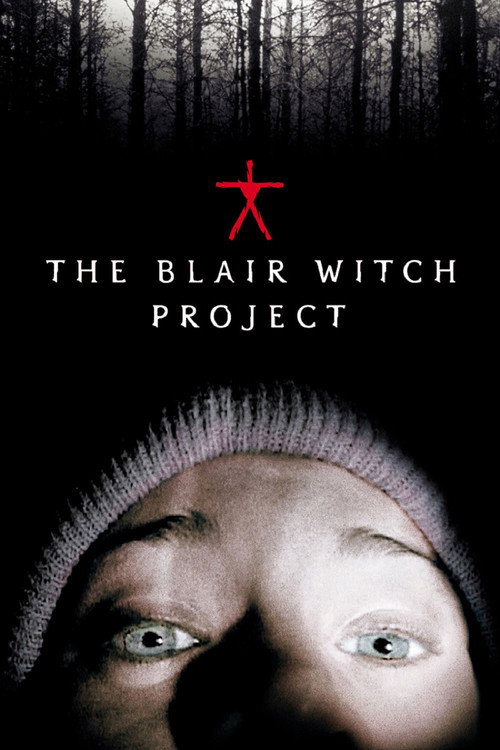
The Blair Witch Project1999
The direct heir to The Last Broadcast's playbook—found footage that lets suggestion do the heavy lifting. It became the blueprint, but this came first, so watching them back-to-back shows you the genealogy of modern horror.
But It moves slowly and relies entirely on mood and implication. If you need jump scares or clear answers, you'll find it frustratingly vague.
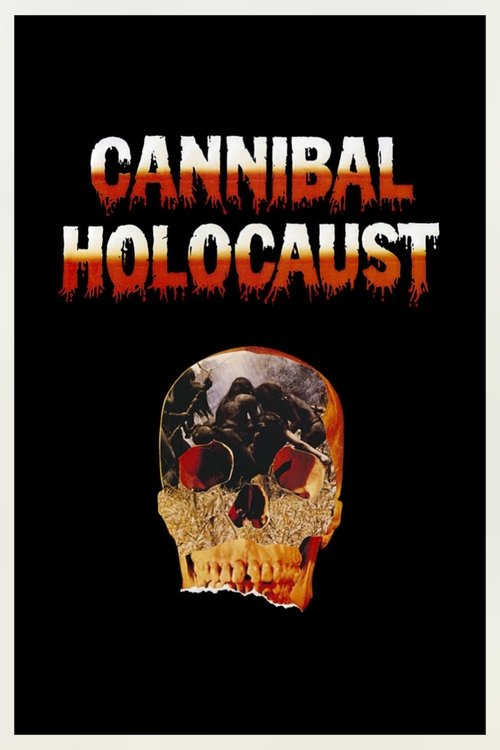
Cannibal Holocaust1980
Another found-footage horror that weaponizes the format itself. Brutal, morally complicated, and genuinely unsettling in ways that stick with you. It's the DNA in The Last Broadcast's veins.
But It's transgressive and graphic, depicting real animal deaths. The central moral ambiguity is the point, but that doesn't make it easier to stomach.
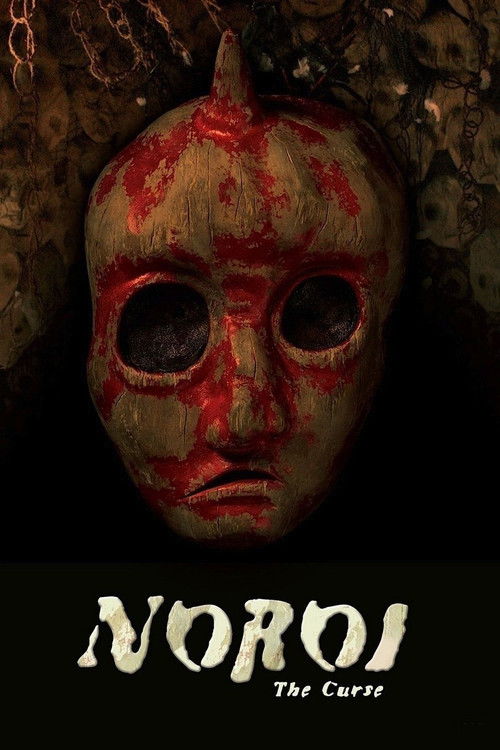
Noroi: The Curse2005
Japanese found-footage horror that takes the format completely seriously. It's a meticulously constructed mystery where every thread pulls tighter. The paranoia feels earned and the mythology is genuinely unsettling.
But It's slow-burn and methodical, and it's in Japanese with subtitles. You have to pay attention, and payoff is delayed.
Not sure tonight? Get a pick in a minute, starting from The Last Broadcast
The wildcard
Something you would not have found on your own.
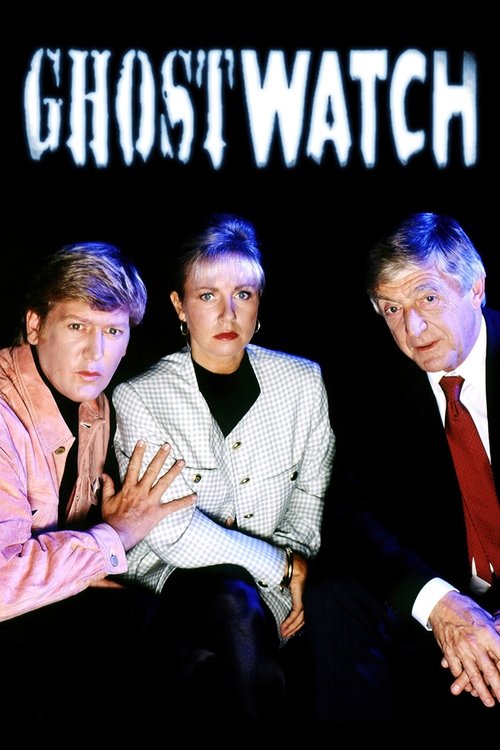
Ghostwatch1992
Both use the apparatus of broadcast and documentation as the actual mechanism of horror. The camera doesn't protect you; it's complicit.
British TV movie that poses as a live Halloween broadcast investigating a haunted house. It's a fake documentary that genuinely fooled viewers into thinking it was real. The format and the hoax are the horror—it's meta before found footage even existed.
But It's very British, very 1992, and the scares are psychological rather than visceral. The twist is partly that nothing you can film will prove anything.
More like this (8)
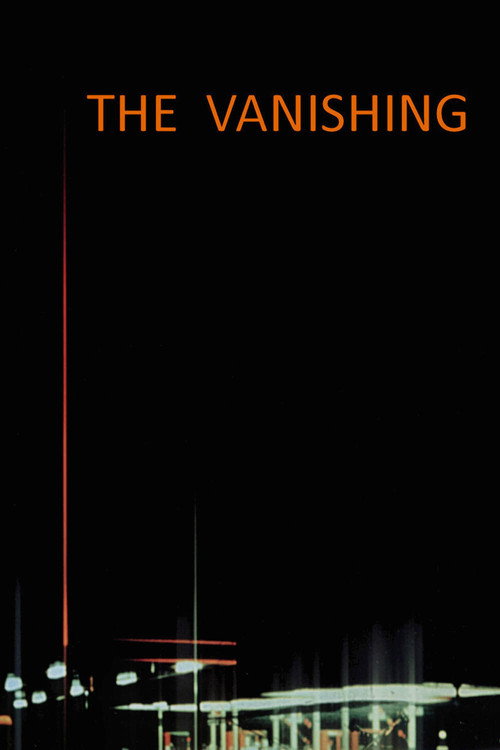
The Vanishing1988
Dutch psychological thriller about obsession and a real disappearance. It builds dread through character and structure rather than spectacle, and the ending is genuinely one of cinema's cruelest moments.
But It's ambiguous and morally dark in ways that don't resolve cleanly. Some people find it punishing rather than rewarding.
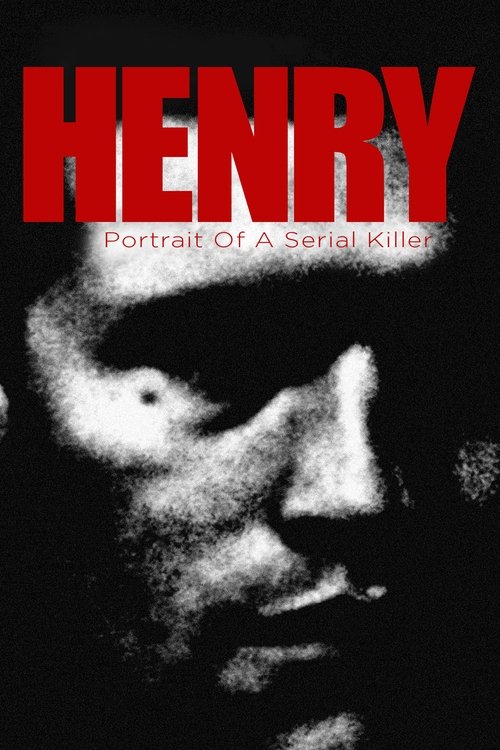
Henry: Portrait of a Serial Killer1986
Low-budget found-footage-adjacent horror that treats its subject with unflinching realism. The camera work is deliberately ugly and the mounting dread is suffocating. It feels like a document of something real.
But It's relentlessly grim and depicts graphic violence. There's no catharsis or justice, only degradation. It's a challenge, not entertainment.
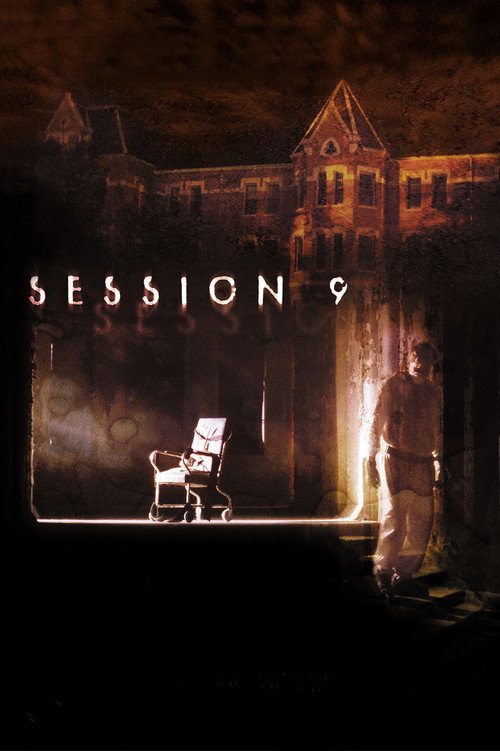
Session 92001
A crew films inside an abandoned psychiatric hospital and something goes wrong. It's shot with absolute naturalism, the location is genuinely eerie, and the paranoia is palpable. Slow-burn dread done perfectly.
But Plot is thin and it trusts the audience to find atmosphere scary. If you need plot momentum, you'll find it glacially paced.
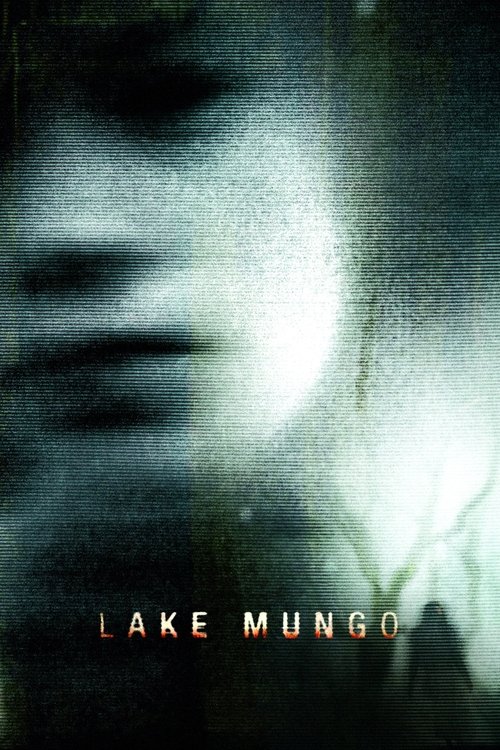
Lake Mungo2009
Australian mockumentary about a family investigating their daughter's drowning. It feels like a real documentary, and the twist genuinely recontextualizes everything you've seen. Elegantly constructed and deeply sad.
But It's a slow mystery that withholds information deliberately. Some shots are deliberately boring because that's what documentaries are like.
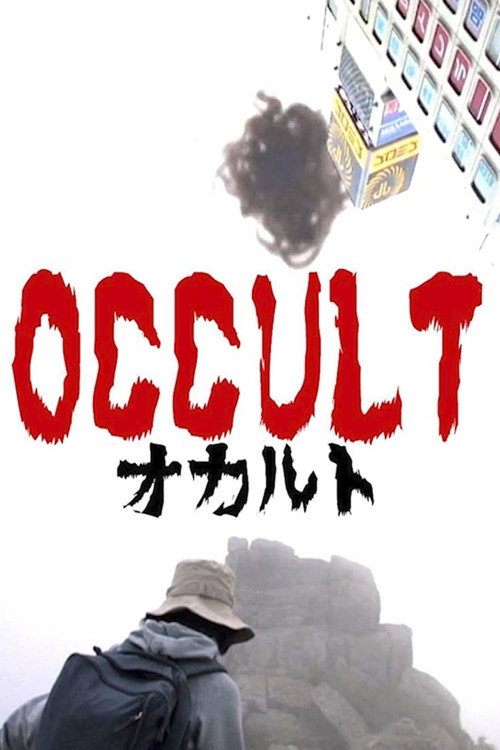
Occult2009
Japanese found-footage horror that captures genuine suburban creepiness. It's lo-fi but obsessively detailed, and the paranoia builds from small wrongnesses. Feels like something you weren't supposed to see.
But It's in Japanese, it's deliberately amateurish, and the plot is deliberately vague. You have to be okay with not getting clear answers.
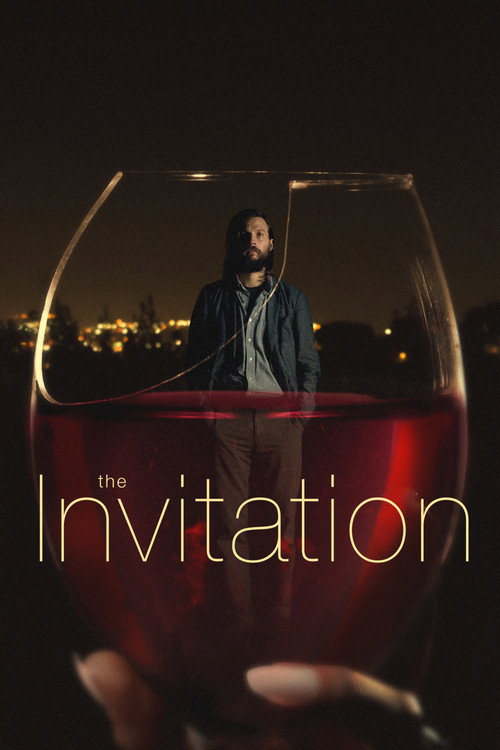
The Invitation2016
Dinner party thriller where paranoia and social anxiety become indistinguishable. It's intimate and claustrophobic, shot in real time, and the dread comes from not knowing who to trust. Exceptionally well-crafted.
But It's entirely set in one house with one group of people. If you need spectacle or external threats, this won't deliver them.
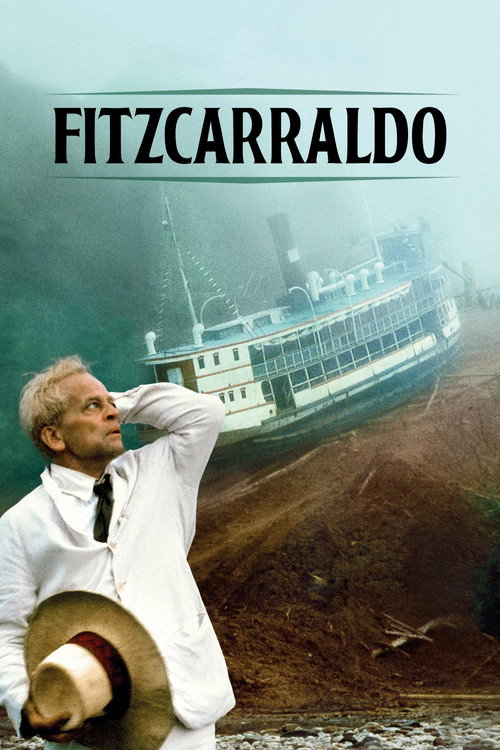
Fitzcarraldo1982
Both are about obsession spiraling into disaster, documented as it happens. The filmmaker's ambition becomes the horror. Both blur reality and reconstruction in ways that corrupt what they record.
Werner Herzog's madness: a man attempts to build an opera house in the Amazon jungle by hauling a steamship over a mountain. It's a found-footage adjacent document of obsession and delusion, shot in real chaos with real danger. Absolute commitment to vision.
But It's three hours of slow, difficult, sometimes incomprehensible grandeur. Herzog's whimsy can feel pretentious, and the production ethics are murky.
The Wailing2016
Both investigate a crime scene that refuses to cohere into a single story. Multiple witnesses, multiple truths, no final authority. The mystery might be less important than the paranoia it generates.
Korean horror-mystery that fractures into competing narratives and unreliable perspectives. Every character might be lying or possessed or right. It's formally ambitious, genuinely frightening, and mythologically dense. One of the best horror films of the decade.
But It's nearly three hours and deliberately refuses to settle into a single explanation. The ambiguity is the point, but it can feel frustratingly inconclusive.

People
Cast
- David BeardDavid Leigh, The Filmmaker
- Jim SewardJim Suerd, The Accused
- Stefan AvalosSteven Avkast, 'Fact or Fiction' Host
- Lance WeilerLocus Wheeler, 'Fact or Fiction' Host
- Rein ClabbersRein Clackin, Paranormal Sound Man
- Michele PulaskiMichelle Monarch, Data Retrieval Expert
- Tom BruntTom Branski, Technical Director of 'Fact or Fiction'
- Mark RubleeClair Deforest, Editor for the Prosecution
- A.D. RosoAnthony Rosi, Lead Investigator of Murders
- Dale WorstallDr. Dale Orstall, Jim's Child Psychologist
- Vann K. WellerDr. Vann Waller - Forensic Pathologist
- Sam WellsSam Woods - Television Soap Director
Directing
- Lance WeilerDirector
- Stefan AvalosDirector
Writing
- Lance WeilerWriter
- Stefan AvalosWriter
Production
- Lance WeilerProducer
- Stefan AvalosProducer