
Film
Occult
A found-footage horror film that treats the occult as a genuine investigative mystery. Director Koji Shiraishi builds dread through patient accumulation rather than jump scares, letting supernatural unease grow from mundane details. For viewers who find conventional horror dull and want something that feels genuinely unsettling rather than engineered for screams.
Should you watch it?
Watch it if you enjoy documentary-style horror that plays with whether the camera itself can be trusted, and you like a filmmaker dragging his own name into the mess.
Skip it if the long stretches of talking heads and slow investigation can feel like homework, and at 110 minutes the real scares take their time arriving.
What it asks of you: Its shape is patient and talky: close to two hours of interviews, grainy footage and deliberate pacing, rewarding close listening more than jolts.
Not sure? Find tonight's pick in a minute.
If you liked this
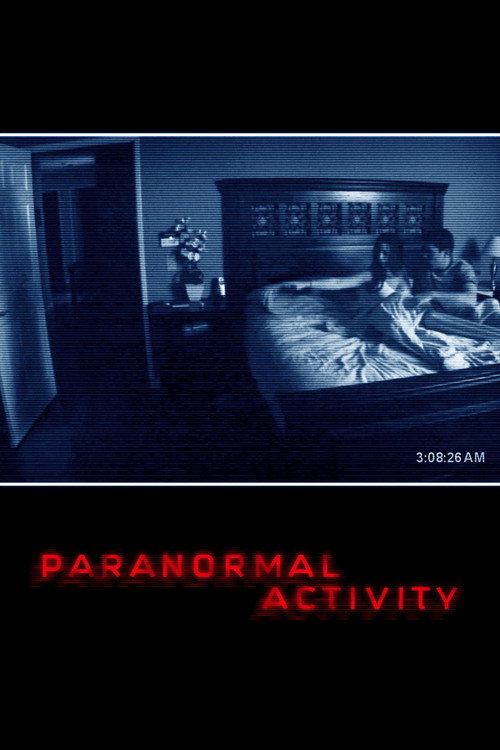
Paranormal Activity2007
Pioneering found-footage horror that proves minimal budget and maximum restraint can be scarier than spectacle. The slow-burn approach to mounting terror influenced a generation of indie horror.
But The acting feels amateurish by design, and patience is required—nothing major happens for the first 45 minutes. Some find it tedious rather than tense.
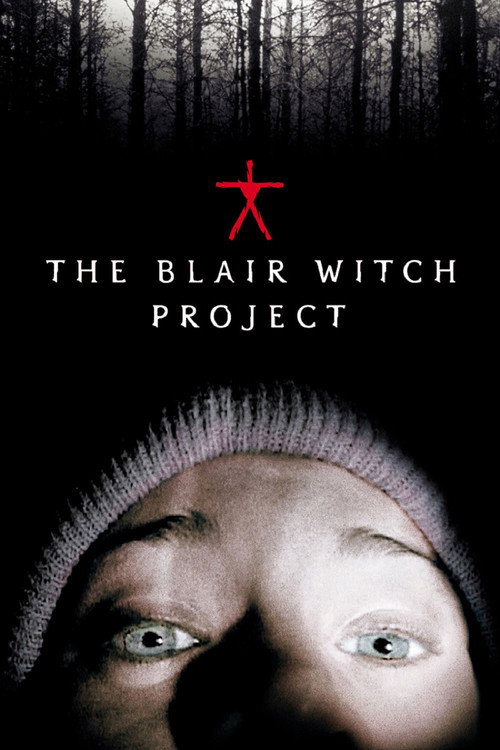
The Blair Witch Project1999
The film that invented found-footage horror as a legitimate form. Three people in the woods with handheld cameras, unseen threat, genuine dread. Still unmatched for psychological horror built on absence rather than presence.
But It's deliberately shapeless and anti-climactic. If you need a clear monster or traditional narrative payoff, this will frustrate you deeply.
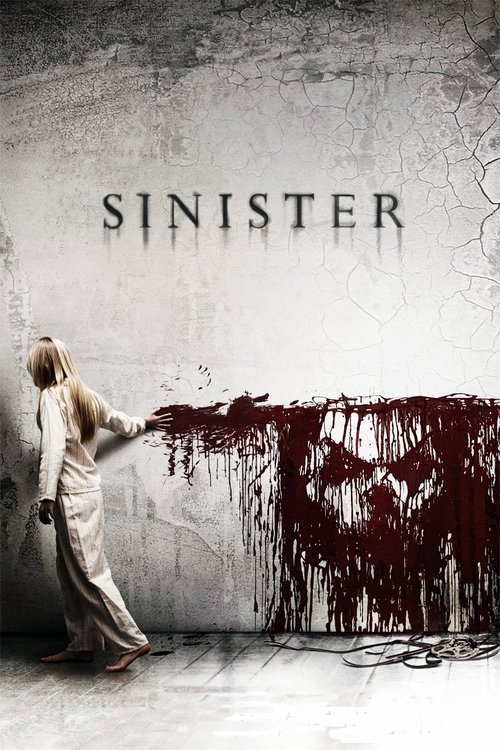
Sinister2012
A writer discovers a box of snuff films in his new house. Ethan Hawke carries the investigation with real vulnerability, and the film earns its scares through genuine craft rather than exploitation. Genuinely unsettling.
But It relies on graphic images of murdered families. The moral weight of what you're seeing can feel heavy in ways that aren't fun, even by horror standards.
Not sure tonight? Get a pick in a minute, starting from Occult
The wildcard
Something you would not have found on your own.
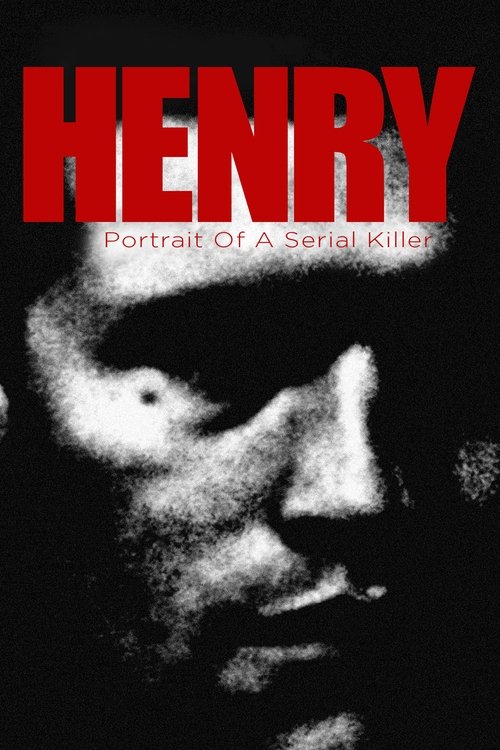
Henry: Portrait of a Serial Killer1986
Both use investigation and documentation as the machinery of horror, treating the occult and the criminal as puzzles that resist neat explanation.
Shot like a found-footage documentary before that format existed. Two men, a video camera, the mundane horror of proximity to evil. It treats serial killing as investigation rather than spectacle, with an ethnographic coldness that's deeply disturbing.
But It's grim and offers no catharsis or justice. You're left with the weight of witnessing without resolution, which some experience as nihilistic rather than artful.
More like this (7)
The Wailing2016
A Korean mystery-horror that unfolds like an investigation into inexplicable deaths in a small town. Layers of interpretation, genuine uncertainty about what's real, and a sense that you've only scratched the surface. Intellectually gripping.
But It's 156 minutes and deliberately opaque. The ending doesn't resolve neatly, and some viewers resent being left with more questions than answers.

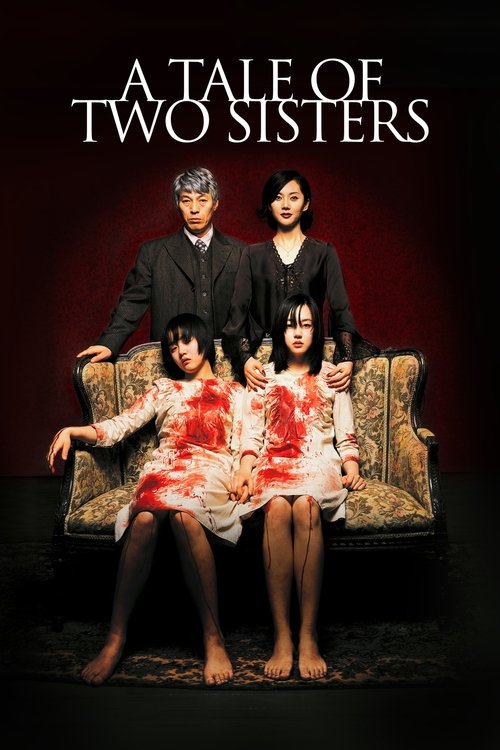
A Tale of Two Sisters2003
Korean horror that prioritizes atmosphere and visual storytelling over exposition. A fairy tale structure hiding something far stranger. Hypnotic cinematography and a willingness to let viewers piece things together themselves.
But Plot clarity takes a back seat to mood. The twist requires rethinking everything you've seen, and not everyone enjoys that kind of unmoored uncertainty.
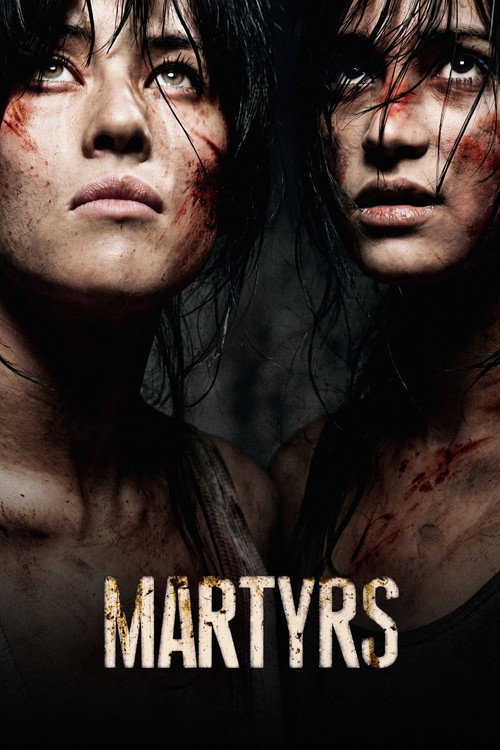
Martyrs2008
French extreme horror that functions as genuine philosophical inquiry alongside visceral dread. Two women pursue the people who tortured them, uncovering a conspiracy of nihilistic horror. Uncompromising and brilliant.
But It's graphically violent and explores suffering with unflinching intensity. Not escapism—watching it feels like endurance, which some find valuable and others find punishing.
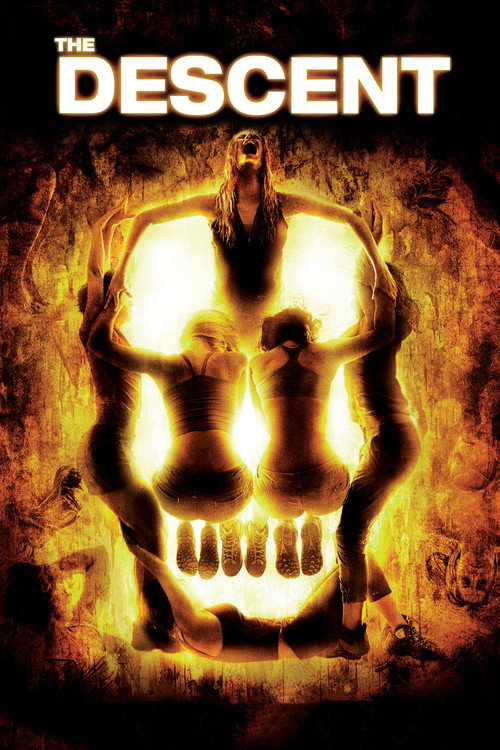
The Descent2005
Women trapped in an unmapped cave system. Claustrophobia, creature horror, and genuine character stakes combine for pure visceral panic. Excellent at making you feel physically trapped.
But It's relentless. If you don't enjoy being exhausted and panicked for ninety minutes, this will wear you down rather than entertain you.
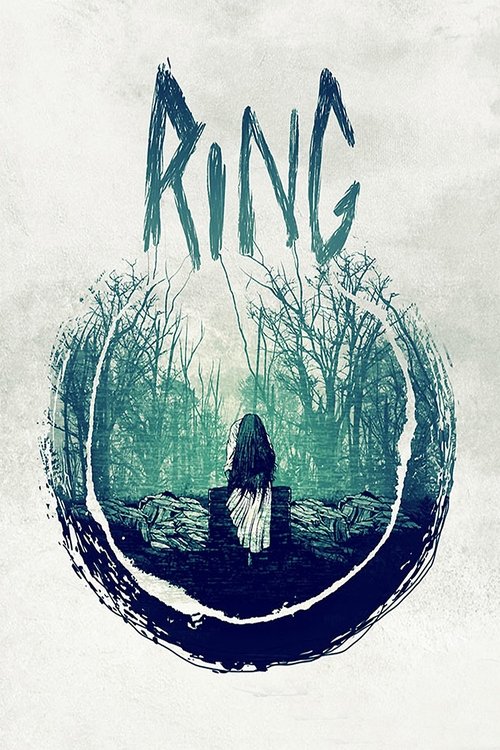
Ring1998
The Japanese film that defined modern horror's vocabulary. A videotape that kills. Slow accumulation of dread, mystery about causation, and a protagonist trying to break an incomprehensible curse. Elegantly constructed.
But The pacing feels glacial by modern standards. CGI effects have aged visibly, and knowing the twist in advance removes a lot of the engine.
The Killing of a Sacred Deer2017
Clinical psychological thriller about an ophthalmologist whose perfect life is infiltrated by a strange young man. Escalating unease built through deliberate dialogue and mounting moral ambiguity. Hypnotic and deeply uncomfortable.
But It's mannered to the point of artificiality. The stiff performances and static direction frustrate some viewers, and the plot's logic requires accepting some unsettling premises.

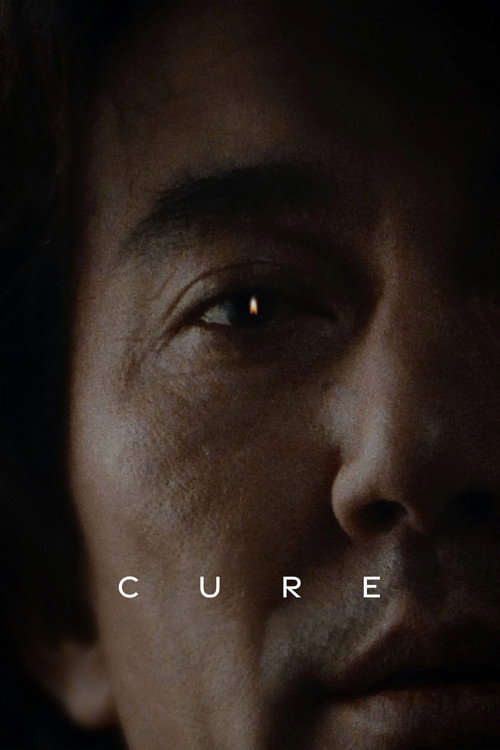
Cure1997
Both are investigations into phenomena that defy rational explanation, shot with patience and an assumption that audiences can sit with ambiguity.
Kiyoshi Kurosawa's masterpiece about a detective investigating identical murders committed by seemingly unrelated killers. The connection between cases suggests something non-rational spreading through society. Philosophical horror about contagion and free will.
But It's slow, meditative, and conceptual. If you're looking for thrills or clear answers, it offers neither—it's horror as existential dread rather than entertainment.
People
Cast
 Shohei UnoShohei Eno
 Koji ShiraishiSelf
 Akira TakatsukiSelf
 Takashi NomuraKen Matsuki
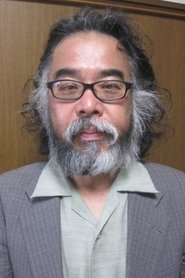 HorikenTatsukichi Matsuki
- Mika AzumaHaruko Toyoda
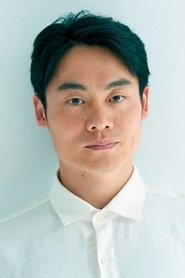 Koen KondoFutoshi Kondo
 Yumi YoshiyukiMiho Yonehara
 Yukiko ShinoharaNoriko Migita
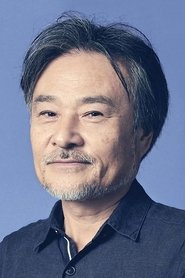 Kiyoshi KurosawaSelf
- Ôkura ShōHideki Taniguchi
Directing
- Shinobu KuribayashiAssistant Director
- Koji ShiraishiDirector
Writing
- Koji ShiraishiScreenplay
Production
- Tadashi YamamotoProducer
- Yukiyasu ShimadaProducer