
Film
The Devil’s Rain
- Supernatural horror
- Dark fantasy
- Very dark
A 1975 Satanic panic horror film where a burnt cult leader returns to hunt the descendants of those who betrayed him, seeking vengeance through a book of blood contracts. It's delightfully weird creature-feature hokum with practical effects that swing from creepy to gloriously unintentional comedy. Perfect for midnight screenings with friends who appreciate horror's campy, ambitious side.
Should you watch it?
Watch it if you enjoy seventies horror that leans on atmosphere, a dusty rural setting and a cast of old-school character actors chewing scenery under a sermon of damnation.
Skip it if you need a tight, scare-driven plot, since this one is more lurid than frightening and its pacing can feel loose.
What it asks of you: Its 85 minutes are modest, but it unfolds at a leisurely pace, asking for patience through talky standoffs before anything escalates, and it leans dark rather than light.
Not sure? Find tonight's pick in a minute.
If you liked this
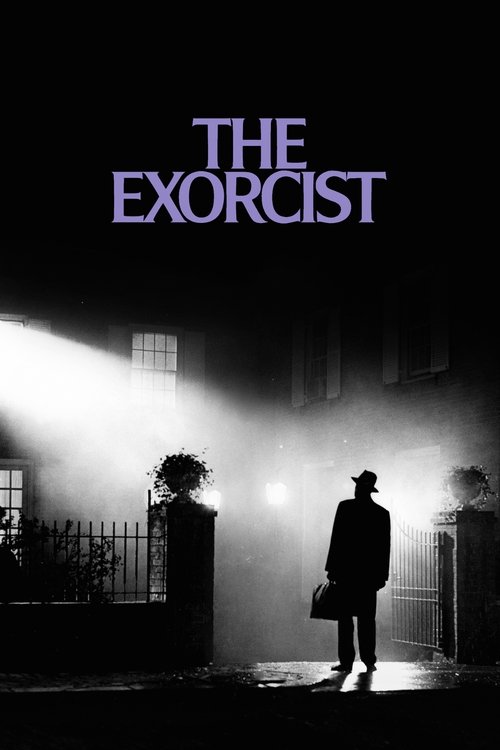
The Exorcist1973
The definitive supernatural horror that defined demonic possession for cinema. Genuinely unsettling, masterfully paced, and visually inventive in ways that still hold power. A masterpiece that justifies the entire genre.
But Slow-burn pacing will test patience; the shock value has been diluted by decades of imitation and reference. Requires surrendering to its rhythm.
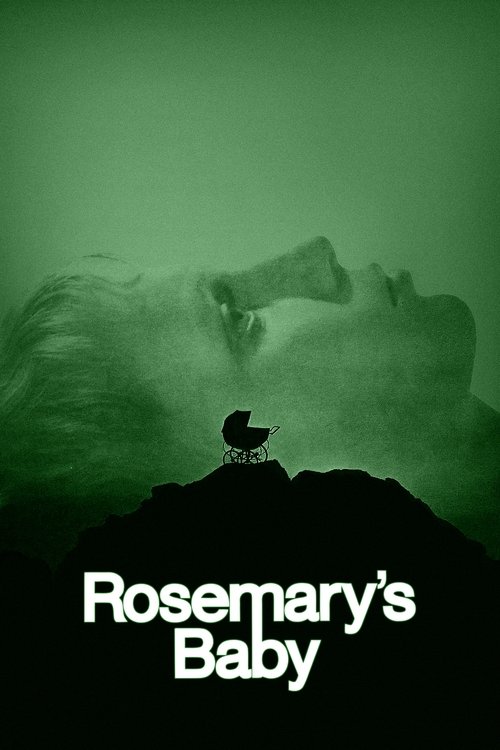
Rosemary's Baby1968
Paranoia, isolation, and creeping dread build to suffocating terror. Polanski's control is absolute, and the ambiguity about what's real cuts deeper than any jump scare ever could. Essential viewing.
But Deeply uncomfortable exploration of bodily autonomy and violation. The paranoia is relentless and offers no relief or catharsis.
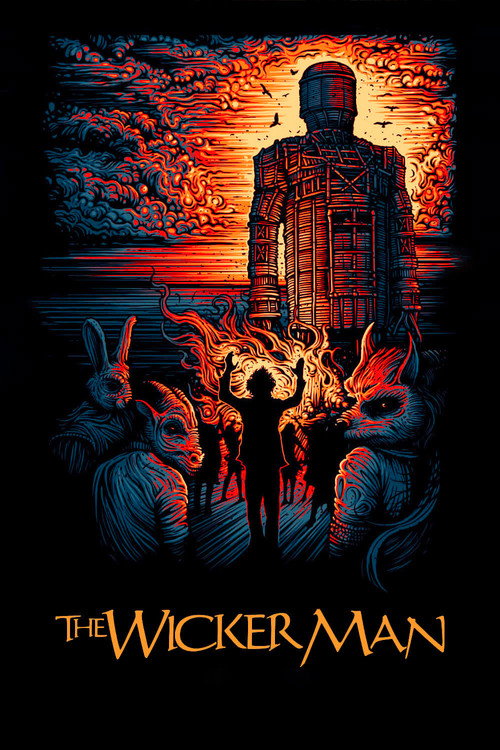
The Wicker Man1973
Folk-horror masterpiece with an entirely original mythology and a climax that lands like a punch. Edward Woodward's bewilderment grounds the weirdness perfectly. Endlessly quotable and genuinely unsettling.
But The pacing is deliberately slack; it builds through mood rather than incident. The ending can feel nihilistic in ways that linger uncomfortably.
Not sure tonight? Get a pick in a minute, starting from The Devil’s Rain
The wildcard
Something you would not have found on your own.
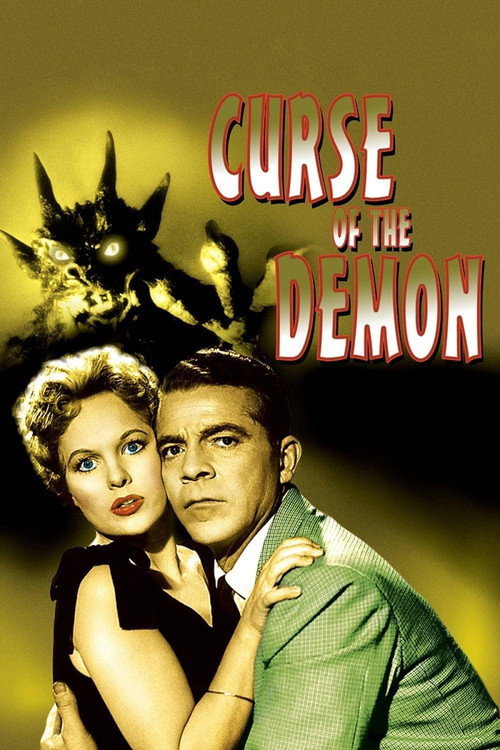
Night of the Demon1957
Both are revenge-from-beyond-the-grave narratives structured around a book of spiritual contracts and the hunt for those who wronged the Satanist. Night of the Demon is the ancestor; The Devil's Rain is the cheeky descendant with more budget and weirder effects.
A British horror film that predates The Devil's Rain by nearly two decades, executing a nearly identical plot—occult scholar hunted by supernatural vengeance—with far greater style and restraint. Cyril Cusack is magnetic as the antagonist. It's the template your title riffs on.
But Black-and-white British horror from the 1950s means sparse gore and slower pacing. The demon reveal is practical and quaint by modern standards, which undercuts the menace.
More like this (8)
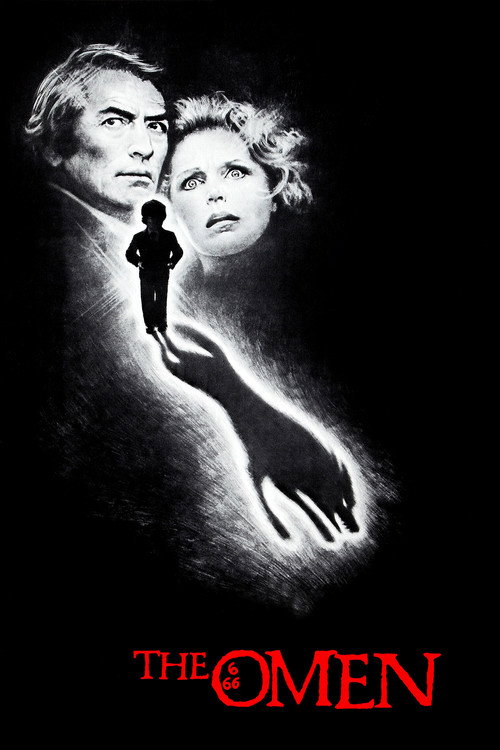
The Omen1976
Apocalyptic dread wrapped in a slick thriller package. Gregory Peck grounds the absurdity, and the set pieces are genuinely memorable. A film that knows exactly what it is and executes perfectly.
But By modern standards, the Satanic mythology feels quaint. The theology is window dressing for the spectacle rather than the substance.
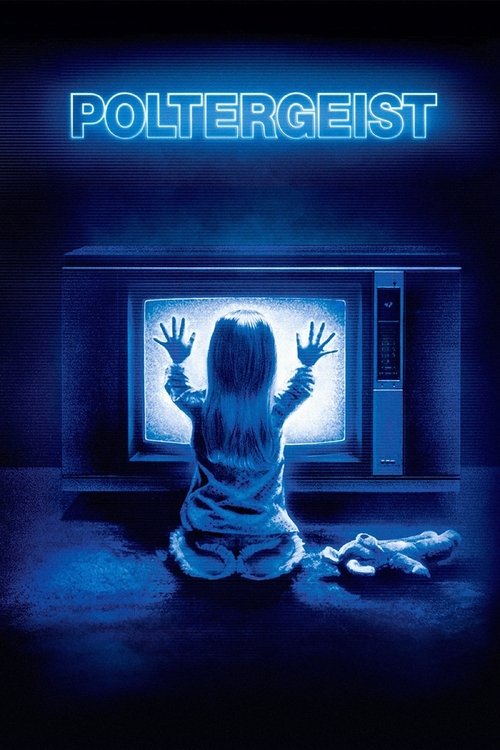
Poltergeist1982
Spielberg's touch transforms haunted-house tropes into genuine unease. The suburban setting makes the horror personal. Visual effects that still impress, and a family dynamic that feels earned rather than perfunctory.
But The tone wavers between genuine terror and lighter family-film moments. Some of the effects have dated more obviously than others.
Suspiria1977
Argento's fever dream of a film—pure atmosphere, nightmarish architecture, and a score that burrows into your skull. It's less about plot and more about creating an overwhelming sense of wrongness. Visually hypnotic.
But Plot is deliberately minimal; characterization takes a backseat to aesthetic. The logic is dream-logic, which frustrates viewers wanting coherence.

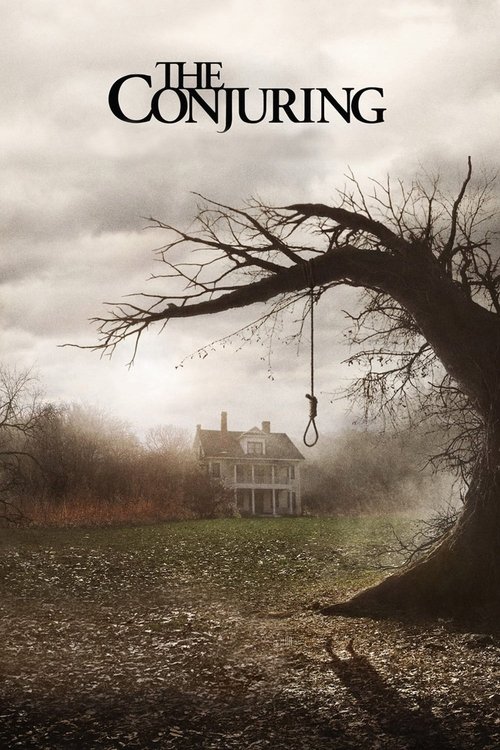
The Conjuring2013
James Wan revitalized supernatural horror with confident direction and genuine scares. The period setting feels lived-in, and the chemistry between the leads feels real. Proof that the genre had life left in it.
But Hits familiar beats in familiar ways. The jump scares, while effective, follow a predictable pattern once you see the machinery.
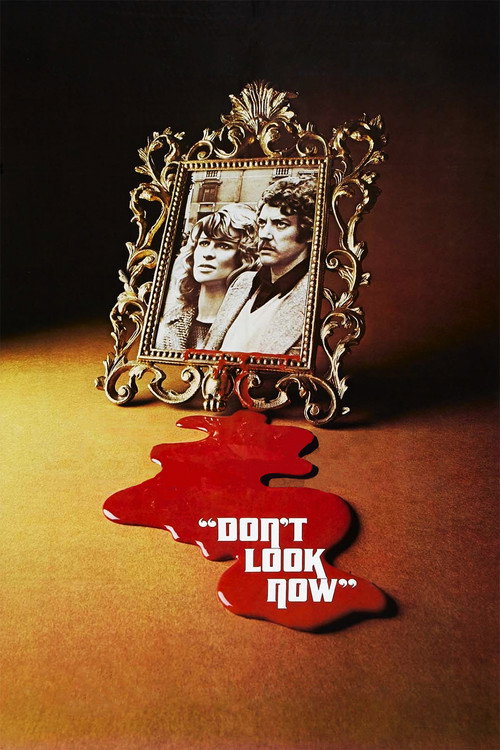
Don't Look Now1973
Roeg's Venice-set cryptic masterpiece where atmosphere becomes the protagonist. The red coat, the canals, the creeping wrongness—it accumulates into genuine dread. A film that rewards attention and rethinking.
But Deliberately obtuse; multiple viewings still don't resolve what it means. The pacing is glacial and the ending divides viewers sharply.
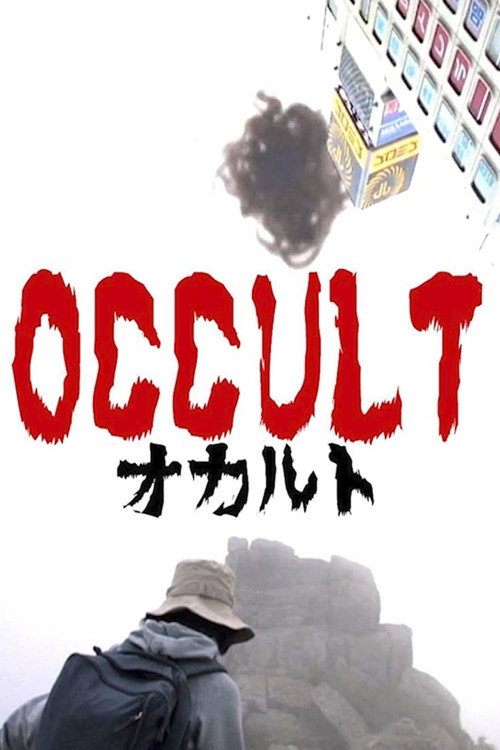
Occult2009
A found-footage film from Japan that actually justifies the format through mounting evidence and genuine occult inquiry. Unsettling and intelligent, avoiding the traps that sink most films of its kind.
But Shot with lo-fi cameras and minimal dialogue, which reads as slow to some. The payoff requires patience and willingness to parse ambiguous footage.
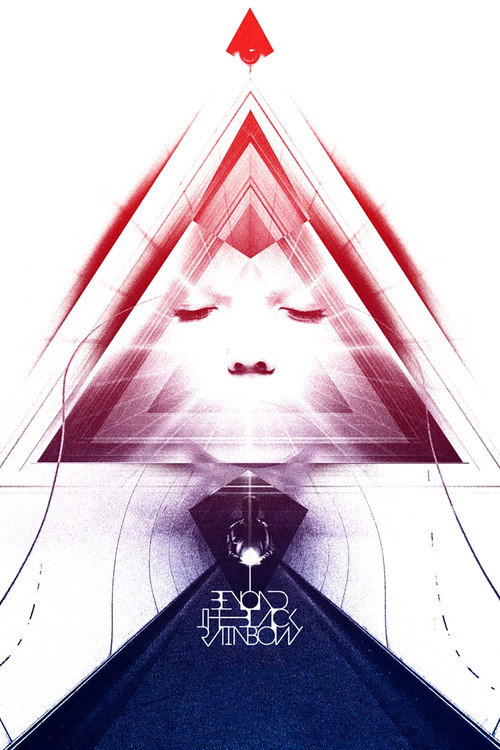
Beyond the Black Rainbow2010
Both are occult horror films that prioritize visual grotesquerie and practical effects over narrative momentum. Beyond the Black Rainbow takes that commitment to aesthetic extremes in a way that feels like a spiritual successor rather than a direct callback.
A synth-soaked fever dream of a film that uses 1970s and 80s aesthetics not for nostalgia but as a genuine visual language. Hypnotic, disturbing, and utterly committed to its own logic. It feels like The Devil's Rain's weirder cousin made with infinite patience.
But Deliberately paced like a nightmare rather than a thriller. There is almost no dialogue; meaning emerges from image and sound alone. This alienates viewers wanting plot clarity.
Mulholland Drive2001
Both films treat Satanism and occult contracts as metaphors for corruption and the selling of one's soul—one literal, one psychological. Mulholland Drive shows what happens when you stop taking the devil as supernatural and start seeing him as the ordinary machinery of ambition and compromise.
Lynch's Hollywood nightmare where reality splinters and reconstructs itself. The Satanic subtext is buried but potent—corruption, contracts, the price of ambition. It's terrifying in ways that build slowly and linger far longer than jump scares.
But Abstract structure that resists conventional plot. The two-act reversal confuses some viewers deliberately. Lynch requires surrender, not engagement. Some find it pretentious rather than profound.

People
Cast
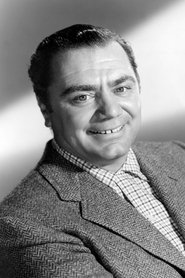 Ernest BorgnineJonathan Corbis
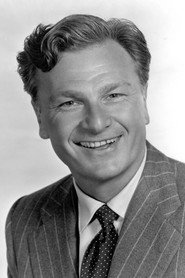 Eddie AlbertDr. Sam Richards
 Ida LupinoMrs. Preston
 William ShatnerMark Preston
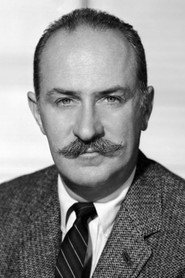 Keenan WynnSheriff Owens
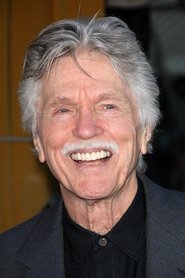 Tom SkerrittTom Preston
 Joan PratherJulie Preston
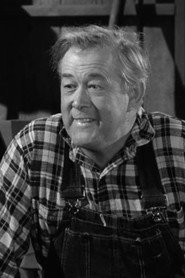 Woody ChamblissJohn
 John TravoltaDanny
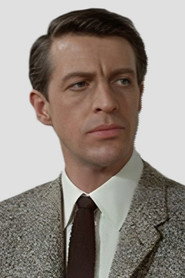 Claudio BrookPreacher
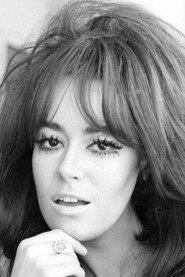 Lisa ToddLilith
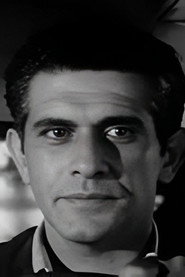 George SawayaSteve Preston
Directing
- Robert FuestDirector
- Mario CisnerosFirst Assistant Director
- Rafael PortilloSecond Unit Director
Writing
- Gabe EssoeWriter
- Gerald HopmanWriter
- James AshtonWriter
Production
- Gerald HopmanAssociate Producer
- Lea StalmasterCasting
- Terry Morse Jr.Executive In Charge Of Production
- Sandy HowardExecutive Producer
- Louis PerainoProducer
- Michael S. GlickProducer