
Film
We're All Going to the World's Fair
- Psychological horror
- Strange
A slow-burn horror film about a lonely teenage girl who joins an internet challenge and descends into a liminal space between game and reality. Shot in found-footage style with an unsettling atmosphere, it's hypnotic and deeply disquieting—for viewers who prize mood and dread over jump scares, and who don't need a film to explain itself.
Should you watch it?
Watch it if you like found-footage style unease that builds through a webcam, a lonely bedroom and a game whose rules get stranger the longer you sit with them.
Skip it if you need clear answers or brisk plotting, since it leans on ambiguity and slow, murky images that some viewers will find frustrating rather than eerie.
What it asks of you: Under ninety minutes, it asks you to stay patient through long stretches of quiet screen-watching and to accept that the unsettling mood matters more than explanations.
Not sure? Find tonight's pick in a minute.
If you liked this
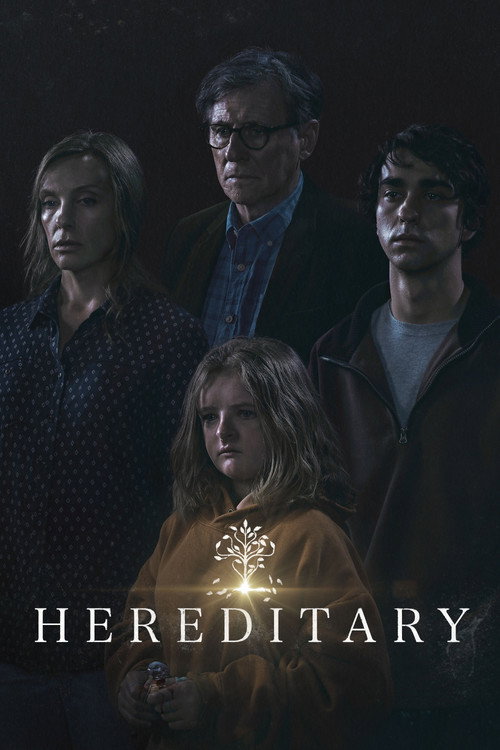
Hereditary2018
Ari Aster's masterclass in dread builds from intimate family trauma to cosmic horror. Like World's Fair, it prioritizes atmosphere and slow realization over spectacle, finding terror in the familiar.
But The pacing is glacial. If you need plot momentum or answers, you'll find it frustrating and deliberately opaque.
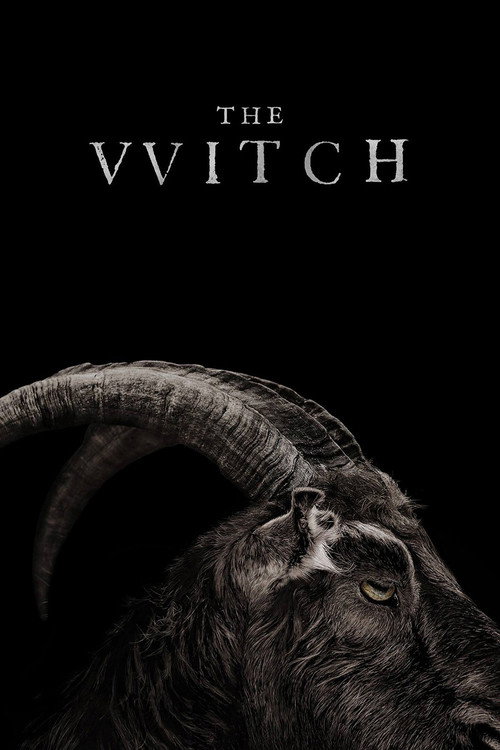
The Witch2016
Robert Eggers crafts a suffocating, paranoid horror grounded in isolation and belief. Both films trust silence and suggestion; both let dread accumulate rather than explode.
But It's aggressively austere and deliberately uncomfortable. The dialogue and pacing will feel arch or slow if you prefer conventional storytelling.
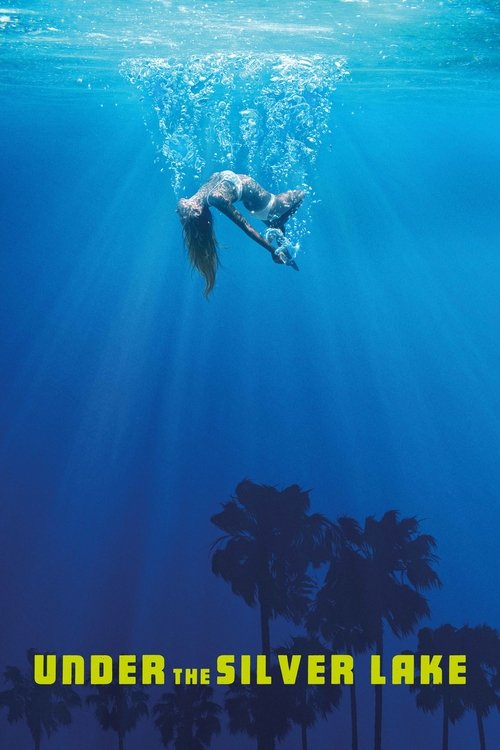
Under the Silver Lake2018
David Robert Mitchell's surreal mystery uses urban spaces and internet culture to explore obsession and fractured reality. Like World's Fair, it's cryptic, hypnotic, and refuses easy resolution.
But It's deliberately disjointed and three hours long. The plot goes nowhere intentional, which some read as pretentious rather than genuinely unsettling.
Not sure tonight? Get a pick in a minute, starting from We're All Going to the World's Fair
The wildcard
Something you would not have found on your own.
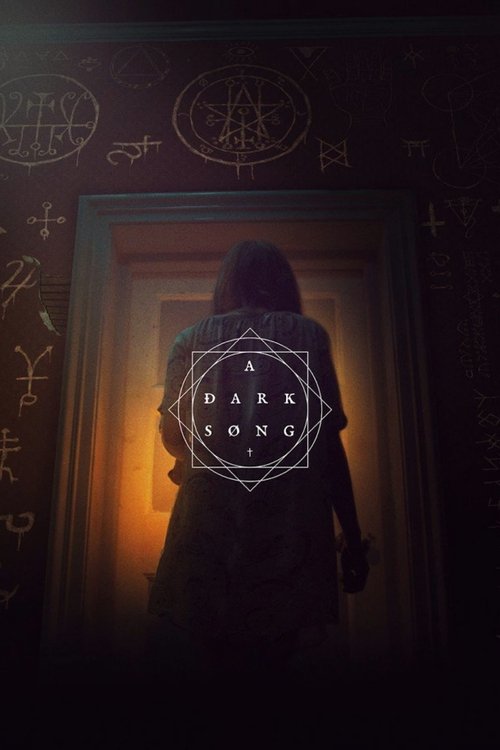
A Dark Song2016
Both use isolation and ritual (one digital, one spiritual) to dissolve the boundary between self-deception and genuine transformation. Both trust the viewer to find the horror in that blurred line.
Liam Gavin's Irish chamber piece—a woman and an occultist locked in a house for a ritualistic séance. Two-hander, austere, deeply strange. The internet-game descent of World's Fair becomes intimate spiritual desperation here; both explore obsession and the gap between what we're told and what we experience.
But Nothing visible happens for an hour. It's meditative bordering on static, and patience must be supernatural-grade.
More like this (7)
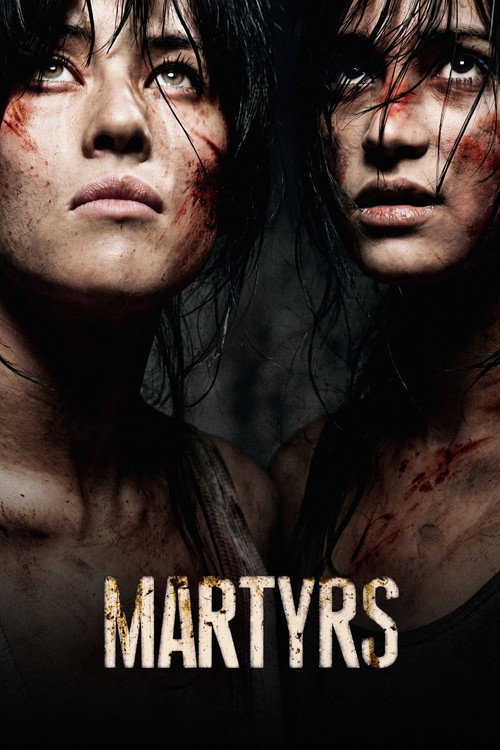
Martyrs2008
French extremity horror that unflinchingly explores suffering and belief systems. Both films share an unflinching eye and a refusal to provide comfort or clear meaning.
But It's graphically violent and nihilistic. This is not entertainment in the traditional sense; it's punishment.
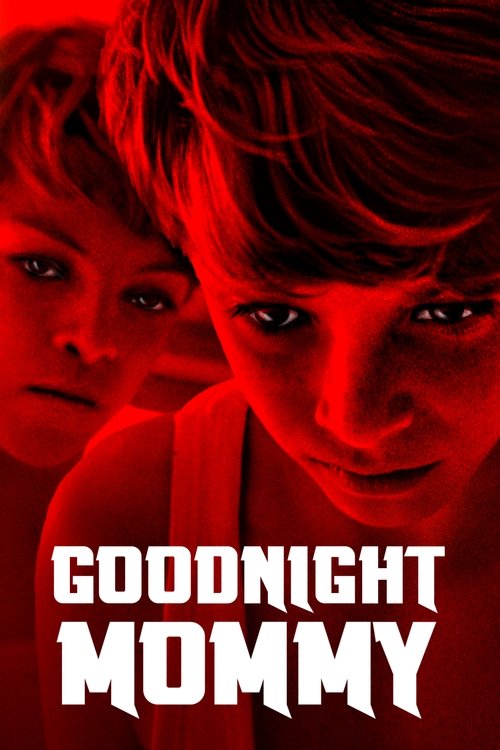
Goodnight Mommy2015
Austrian horror about a boy and his surgically altered mother. Shares World's Fair's interest in domestic unease, unreliable perception, and a child's fractured reality.
But The twist is polarizing and the emotional core hinges on violence against children. Some find it exploitative rather than meaningful.
Mulholland Drive2001
Lynch's fractured Los Angeles mystery explores identity and illusion. Like World's Fair, it collapses reality and fantasy; both reward close attention and resist singular interpretation.
But It's three hours, deliberately nonlinear, and offers no final truth. You'll either be entranced or feel time-wasted.

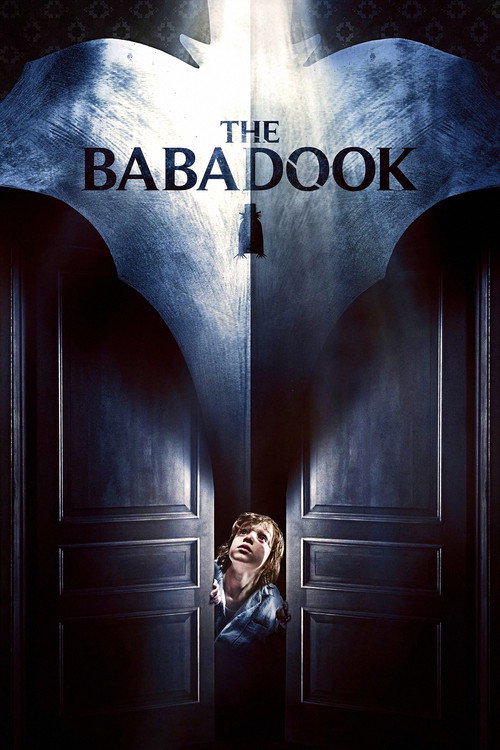
The Babadook2014
Jennifer Kent's Australian horror embeds grief and rage in domestic space. Both films use supernatural elements to explore isolation and what happens when you feed obsession.
But It's primarily psychological, not visceral. The creature is a metaphor, and if you're looking for scares, you'll find philosophy instead.
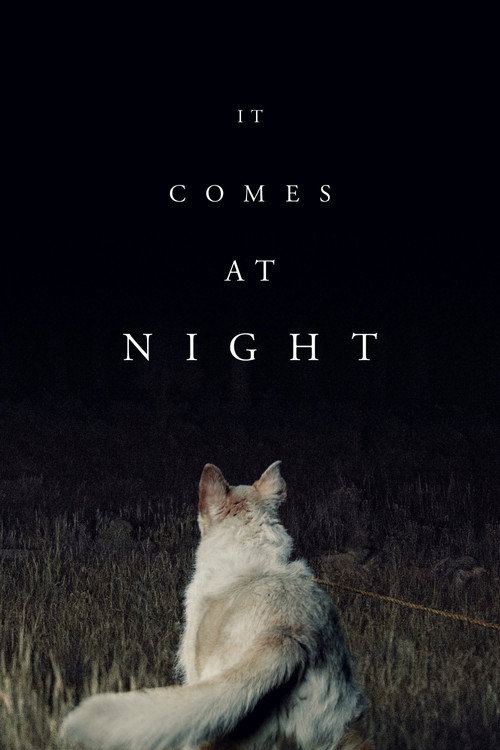
It Comes at Night2017
Trey Edward Shults creates paranoia from confinement and invisible threat. Both films generate dread from what's unseen and from characters' failure to communicate clearly.
But The slow-burn becomes oppressive. It's designed to frustrate, and some viewers will find that frustration unrewarded.
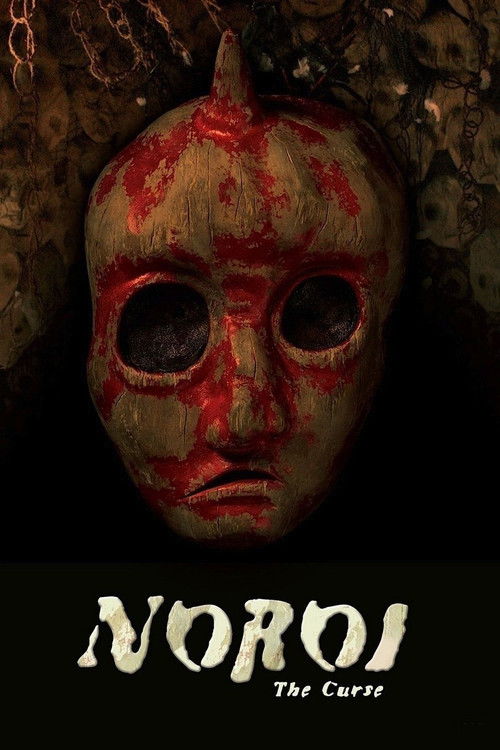
Noroi: The Curse2005
Masako Katsura's found-footage Japanese horror builds incrementally from internet oddities to genuine cosmic unease. Structurally similar to World's Fair; both use digital media to blur investigation and terror.
But It's over two hours of found footage in Japanese. Patience is non-negotiable, and the ending offers questions rather than answers.
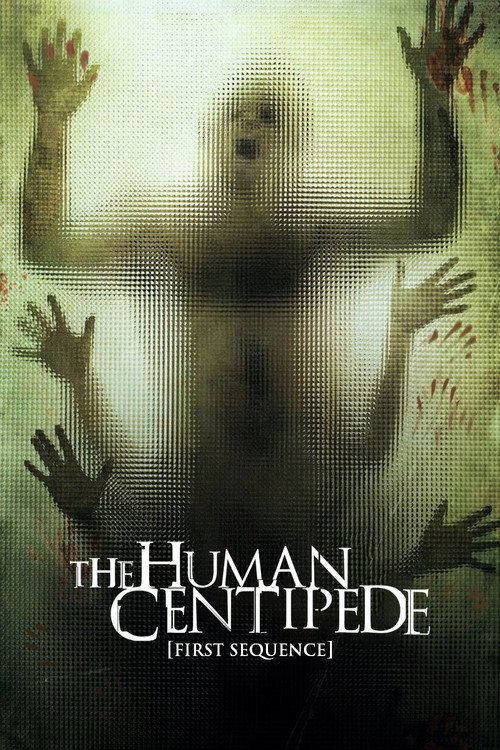
The Human Centipede (First Sequence)2009
Both understand that horror's deepest nerve is the loss of bodily/mental autonomy—the self no longer belonging to you. World's Fair does it through dissociation; this one does it through literal fusion. Same fear, opposite execution.
Tom Six's transgressive surgical-horror body-horror film. Completely different in tone—baroque, explicit, almost comedic in its brazenness—but shares World's Fair's willingness to make viewers viscerally uncomfortable by dissolving bodily autonomy. A palate cleanser that's still genuinely unsettling.
But It's explicit body horror, philosophically empty, and designed to disgust. Some viewers rightfully consider it exploitation with no substance.
People
Cast
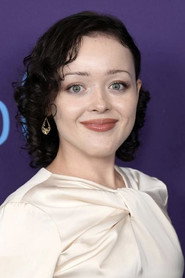 Anna CobbCasey
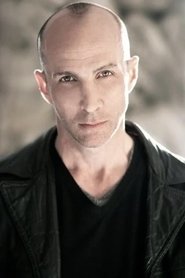
- May LeitzRebecca
 Theo AnthonyMan on Treadmill
- Turner GreavesAlex
 Holly Anne FrinkPlastic Girl
 Slight SoundsASMR Host
- Marc SantiagoMichael
- Karen CavanaughJLB's ???
- David BuzenCasey's Dad
- Ilan BarnoonPossessed Kid
Directing
- Jane SchoenbrunDirector
- Willy McGeeFirst Assistant Director
- Jeff PinedoSecond Assistant Director
Writing
- Jane SchoenbrunWriter
Production
- Mila MatveevaAssociate Producer
- Abby HarriCasting Director
- Abby HarriCo-Producer
- Daniel Patrick CarboneExecutive Producer
- David LoweryExecutive Producer
- Hannah DweckExecutive Producer
- Matt PetockExecutive Producer
- Matthew PetockExecutive Producer
- Theodore SchaeferExecutive Producer
- Zachary SheddExecutive Producer
- Carlos ZozayaProducer
- Sarah WinshallProducer
- Camila MoralesProduction Manager