
Film
Marebito
A cameraman descends into Tokyo's subway tunnels pursuing a documentary on pure fear, and finds something that might destroy him. Marebito is visually arresting, intellectually strange, and genuinely unsettling—a film that treats dread as a philosophical problem. For people who want horror that thinks as hard as it scares.
Should you watch it?
Watch it if you are drawn to horror that plays like a feverish dream shot on handheld video, where dread accumulates through images and sound rather than jump scares.
Skip it if the pacing is glacial and the grainy digital image can feel punishing, so if you need answers handed to you, this will frustrate rather than reward.
What it asks of you: Ninety-two minutes of patience, long static stretches and ambiguity; it rewards close attention in a dark room far more than half-watching on a phone.
Not sure? Find tonight's pick in a minute.
If you liked this
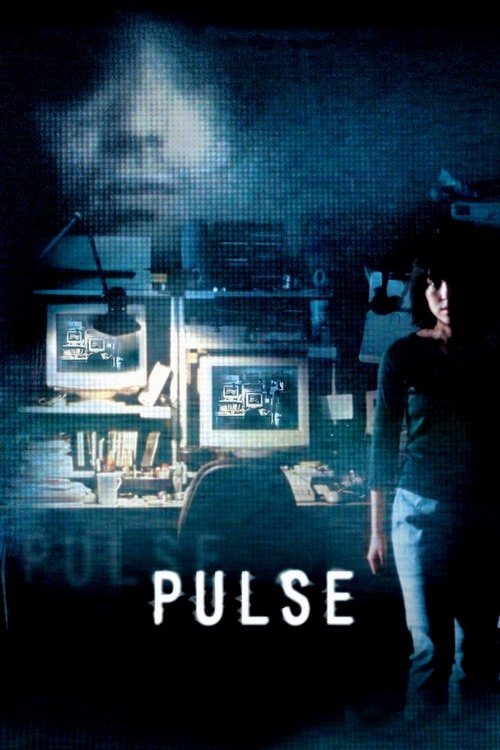
Pulse2001
A Japanese horror film about technology mediating terror, with the same dreamlike dread and sense of inevitable doom. Kurosawa's direction is hypnotic and the premise—ghosts using the internet—feels both dated and timeless.
But Slower and more contemplative than jump-scare horror; it sits with loneliness rather than resolving it, which some find depressing rather than thrilling.
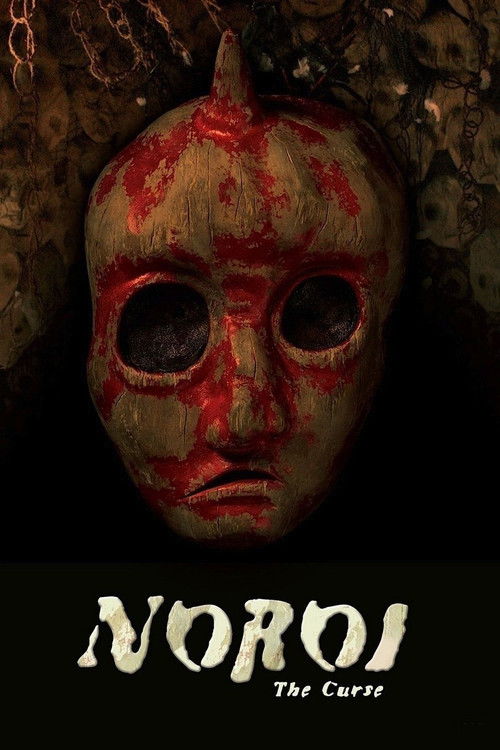
Noroi: The Curse2005
Another Japanese found-footage horror film about obsessive investigation into the supernatural. It builds genuinely nightmarish imagery through patient documentation rather than spectacle, and the ending is devastating.
But Shot through a deliberately ugly lens (literally), with long passages of mundane research footage before things become unsettling. Requires patience and tolerance for poor image quality as an aesthetic choice.
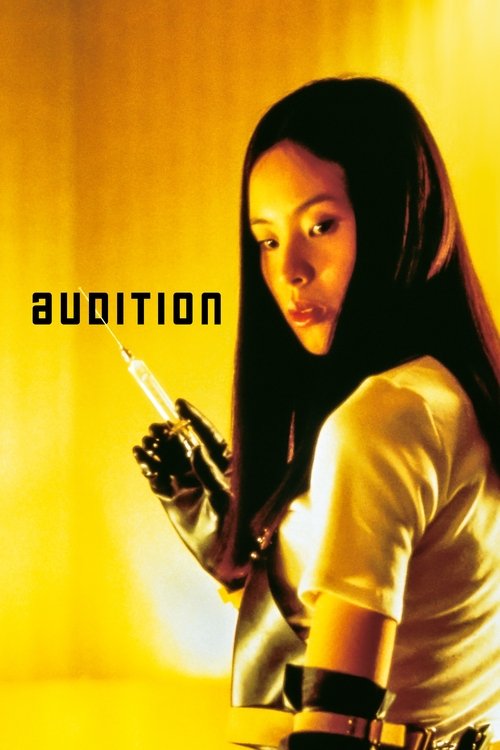
Audition2000
Takashi Miike's masterpiece about a man searching for love and finding horror instead. Like Marebito, it's about obsession consuming the protagonist, but where Marebito descends physically, this descends psychologically—both are pitiless.
But Contains sustained graphic violence that's presented without apology or catharsis. Not horror-movie violence; this is pain rendered seriously, which makes it harder to watch.
Not sure tonight? Get a pick in a minute, starting from Marebito
The wildcard
Something you would not have found on your own.
Come and See1985
Both use the camera as a tool to document descent into horror; both treat the act of witnessing as corrupting. Where Marebito goes into tunnels chasing spirits, Come and See stays above ground chasing documentary evidence of human evil. Same structure, opposite direction.
A Soviet film about a boy's descent into the horror of WWII, shot with the same visual intensity and commitment to rendering psychological disintegration that Tsukamoto uses. It's a descent film—the camera follows a consciousness breaking apart—which is the inverse of the genre.
But Not horror in any supernatural sense; it's the documentation of war crimes. Morally and physically brutal in a way that defeats enjoyment. Some will find it essential; others will find it unbearable and pointless.

More like this (8)
Mulholland Drive2001
A descent into a nightmare world made glamorous and seductive. Lynch shares Tsukamoto's interest in how obsession distorts reality, and both films reward rewatching—you're meant to feel disoriented and to like it.
But Deliberately plotless and elliptical; if you want narrative clarity or psychological realism, this will frustrate you. Some viewers find it pretentious rather than profound.

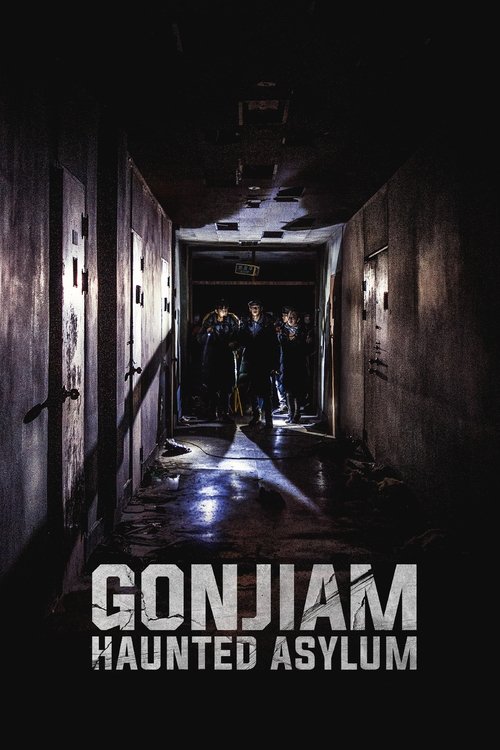
Gonjiam: Haunted Asylum2018
Found-footage horror from Korea that understands how to build atmosphere through persistent wrongness rather than jump scares. The haunted location becomes a character, and the investigation itself is what traps the investigators.
But The found-footage conceit means you're watching through screens within screens; if that formal choice bores you, the film won't overcome it. Also relies on very standard jump-scare beats in the second half.
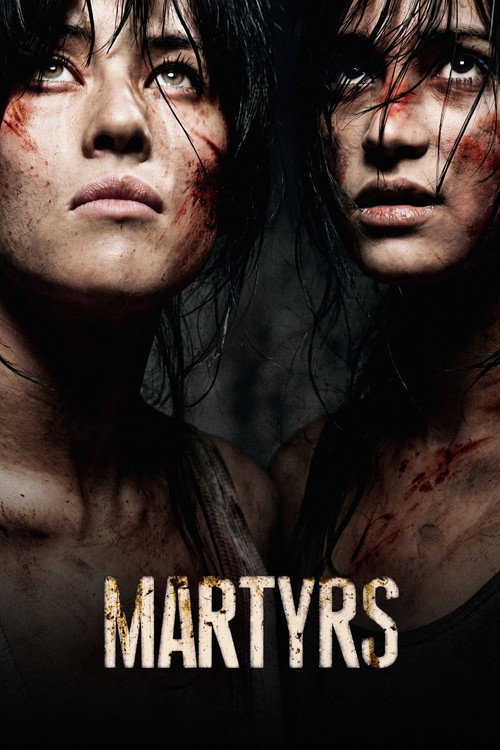
Martyrs2008
A French horror film that asks what happens when someone pursues an obsession into absolute horror. Like Marebito, it's philosophically serious about suffering and uses the genre to ask unanswerable questions about human experience.
But Extremely graphic violence used to explore metaphysical questions, not for entertainment. Some will see it as meaningful; others will see it as punishing the viewer unnecessarily. Genuinely difficult to watch.
The Wailing2016
A Korean horror-mystery that spirals outward into ambiguity and paranoia. The investigation itself becomes unreliable; like Marebito, it trusts the audience to sit with uncertainty and dread rather than providing answers.
But Two and a half hours of mounting confusion that never resolves—some viewers find this profound, others find it maddening. The ending will leave you debating what you actually saw.

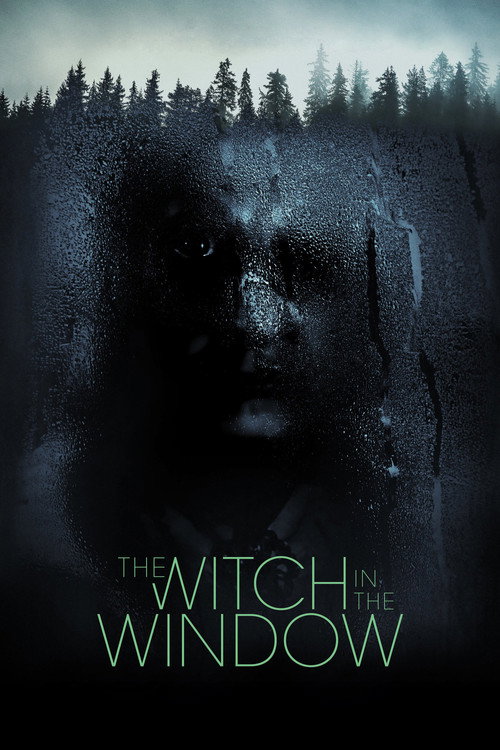
The Witch in the Window2018
A British folk-horror film about a man who investigates a haunted house and becomes complicit in something terrible. Smaller scale than Marebito but shares its sense that looking too hard damages the looker.
But Visually flat and deliberately uneventful for long stretches; you have to be engaged by mood and implication rather than incident. Won't satisfy anyone wanting a conventional horror narrative.
Antebellum2020
A horror film about obsession and the inescapability of trauma, told through a reality-bending narrative structure. It shares Marebito's formal ambition and willingness to treat genre as a vehicle for something deeper.
But The twist ending, while visually striking, hinges on a premise some find exploitative. Also, the film's politicism can feel heavy-handed—subtlety isn't its priority.

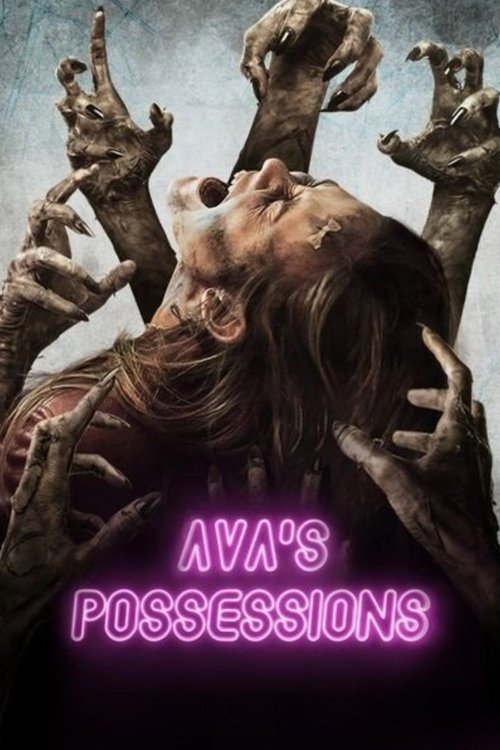
Ava's Possessions2015
Both treat the supernatural as a symptom of deeper psychological need. The protagonist in Possessions is investigating what Marebito's cameraman is chasing—but she's looking for explanations rather than sensations. One descends; one spirals outward.
A British television miniseries about a woman investigating supernatural phenomena tied to a house, but it's really about grief and how obsession with the supernatural can mask deeper trauma. Quieter and more psychologically focused than Marebito but shares the core insight about what drives investigation.
But Television pacing means it sometimes dilutes tension for narrative economy. Also leans into melodrama in ways that undercut the horror. Not as visually commanding as the film, despite trying to be.
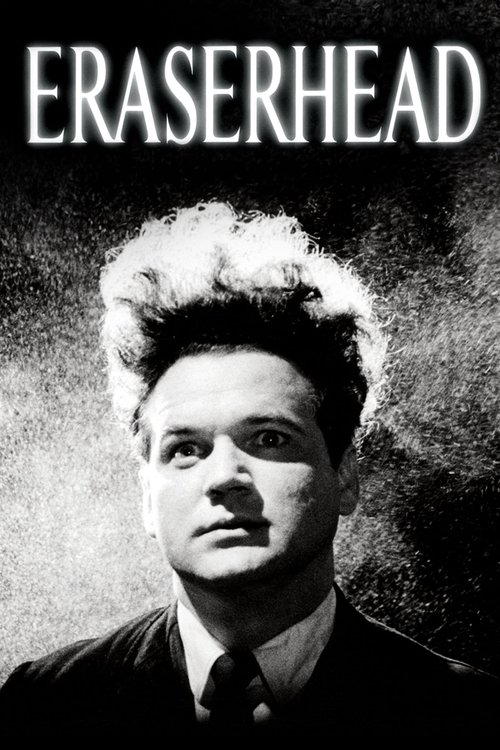
Eraserhead1977
Both are films about men trapped in their own obsessions, rendered through visual grotesque rather than exposition. Eraserhead shows entrapment as domestic and inescapable; Marebito shows it as chosen and addictive. Both suggest the real horror is internal.
David Lynch's black-and-white nightmare about anxiety and entrapment, shot in tactile grotesque. Like Marebito, it's more interested in mood and dread than plot; both films present worlds where normal rules don't apply and escape is impossible.
But Practically plotless and deliberately alienating—if you want narrative, characterization, or explanation, this will enrage you. Some viewers find it a masterpiece; others find it self-indulgent nonsense masquerading as profundity.
People
Cast
 Shinya TsukamotoMasuoka

 Kazuhiro NakaharaArei Furoki
 Miho NinagawaAya Fukumoto
 Shun SugataMIB
 Masayoshi HanedaCameraman in Park

 Kaori FujiiWoman in Window
- Junko AmagiMobile Shop Clerk
- Masaru EndôENG Director - Press
- Hideto KatsuyaKiller in snuff film
Directing
- Takashi ShimizuDirector
Writing
- Chiaki J. KonakaNovel
- Chiaki J. KonakaScreenplay