
Film
Housebound
A New Zealand horror-comedy about a surly young woman under house arrest in her childhood home, forced to contend with her well-meaning mother, her own terrible attitude, and what might be an actual ghost. It's genuinely funny and genuinely creepy, never letting one overwhelm the other. For people who like their scares served with a side-eye and a laugh.
Should you watch it?
Watch it if you enjoy horror that gets its scares from a sour, prickly heroine and a mother who won't stop talking, with the jokes landing as hard as the jump cuts.
Skip it if you want horror that stays grim and frightening from start to finish, since this one keeps undercutting its chills with bickering, mugging and family squabbles.
What it asks of you: It runs a brisk hour and fifty minutes, shifts between creeping unease and broad slapstick, and rewards you for keeping up with its quick changes of mood.
Not sure? Find tonight's pick in a minute.
If you liked this
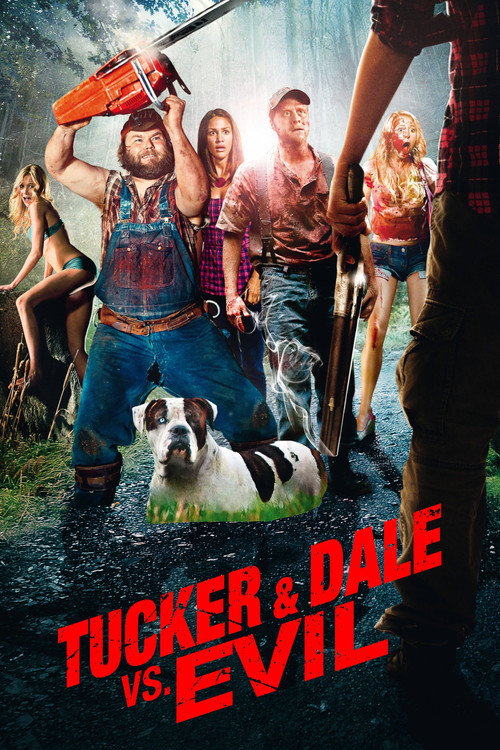
Tucker and Dale vs. Evil2010
A hillbilly horror-comedy that completely upends slasher tropes by making its apparent villains sympathetic and funny. Like Housebound, it finds real laughs in genre subversion without sacrificing genuine thrills.
But The premise is clever but familiar now, and some jokes land harder than others. It's a concept film that sometimes feels more pleased with itself than earned.
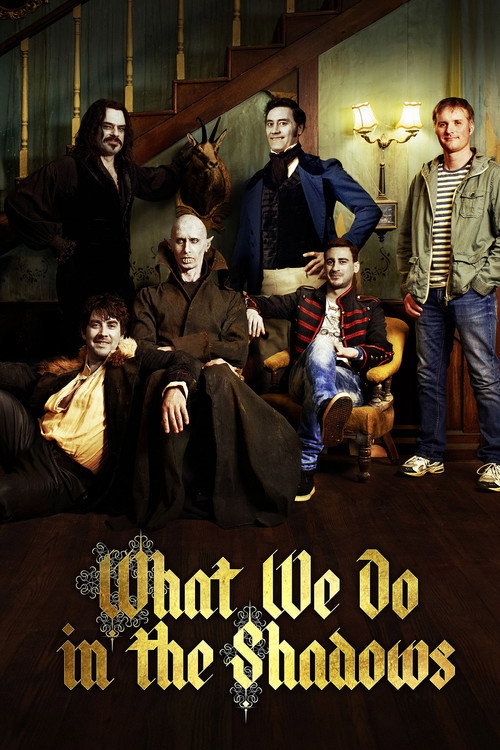
What We Do in the Shadows2014
Vampires dealing with mundane domesticity and their own ridiculousness. Shares Housebound's deadpan tone, found-family DNA, and willingness to let absurdity and actual dread coexist in the same room.
But The mockumentary format can feel mannered if you're not immediately into it. It's very New Zealand indie, which is either catnip or not your thing.
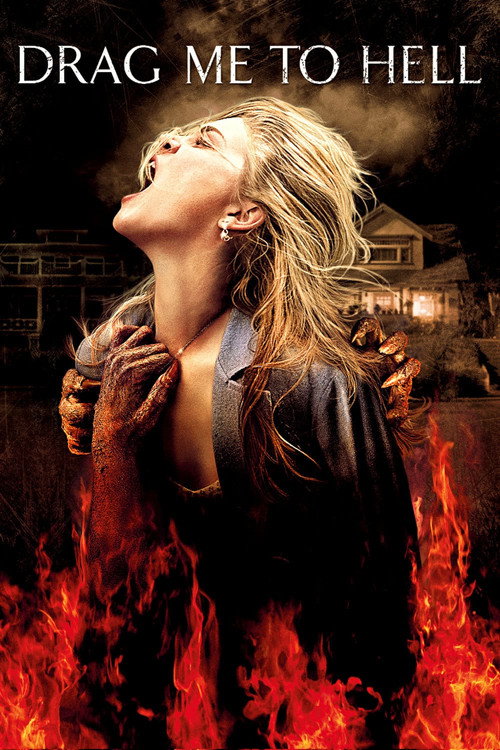
Drag Me to Hell2009
Sam Raimi revitalized horror-comedy here: genuinely upsetting scares that somehow make you laugh, a protagonist you root for despite her flaws, and a mother-daughter relationship that's both funny and painful. Same DNA as Housebound.
But It's louder and more visceral than Housebound, all shrieking violins and flying demons. If you prefer creeping dread to slapstick scares, this might overwhelm.
Not sure tonight? Get a pick in a minute, starting from Housebound
The wildcard
Something you would not have found on your own.
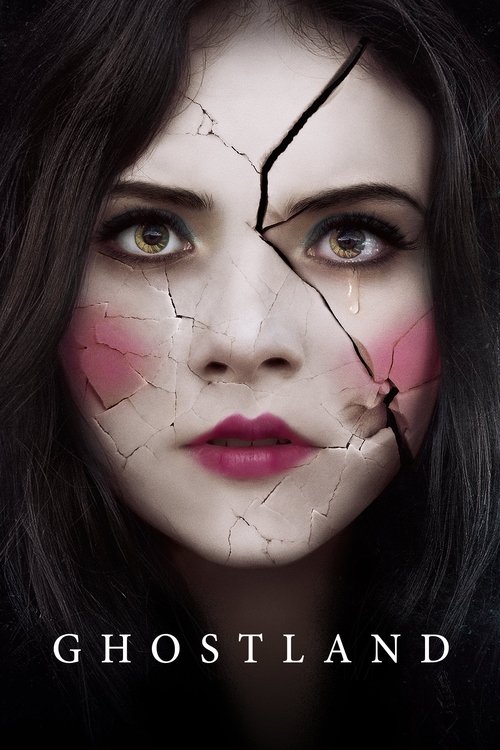
Ghostland2018
Both use a female protagonist returning to a haunted family home as a way to work through personal damage and complicity.
A French-Canadian horror film about a woman returning to the house where she and her sister survived a brutal attack—and finding it might be haunted. It's a fever dream that uses supernatural genre tropes to process childhood trauma. Both films use ghosts as metaphor for unresolved family damage.
But It's seriously distressing, with genuine body horror and violence. Housebound is dark but playful; this is dark and punishing. Some viewers may find it exploitative rather than cathartic.
More like this (8)
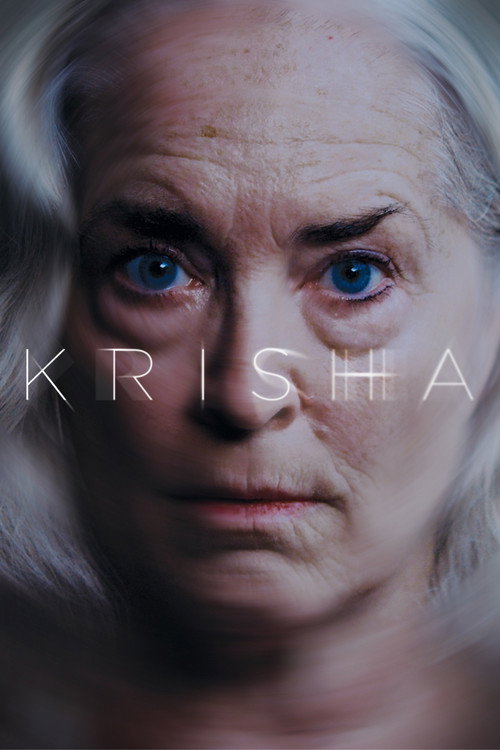
Krisha2016
A semi-autobiographical film about a chaotic family and a protagonist trapped in cycles of her own making. The horror here is domestic and psychological rather than supernatural, but the tonal control and dark humor parallel Housebound beautifully.
But It's deadpan to the point of requiring patience. Some viewers find it glacial, and it offers no catharsis, only recognition. Not a comfort watch.
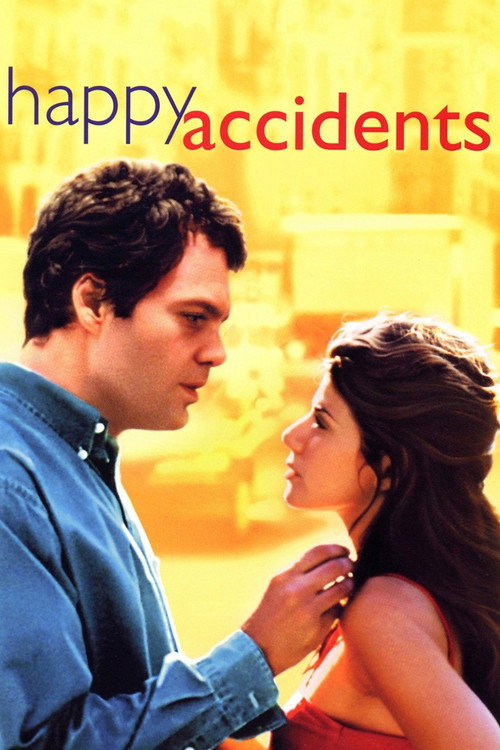
Happy Accidents2000
A New York romantic comedy that slowly reveals itself as science fiction, then as something darker. Uses genre confusion the way Housebound does—to wrong-foot you and make you complicit in not seeing what's in front of you.
But The tonal shifts can feel disjointed. It wasn't well-reviewed on release and has aged into cult status for good reason, but it's not immediately appealing.
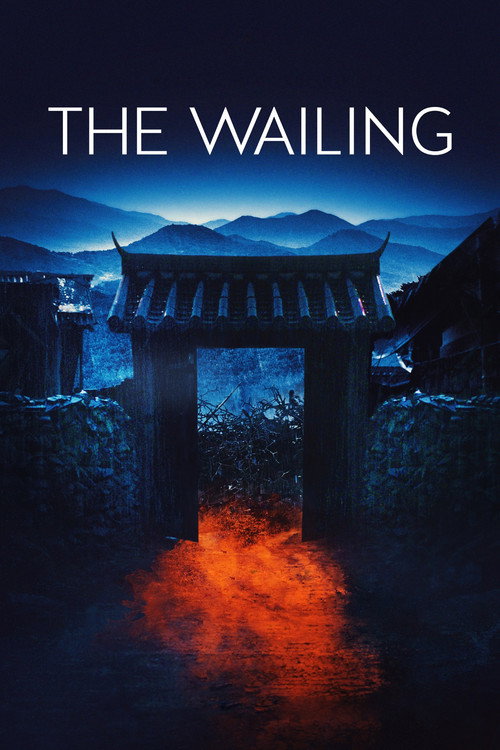
The Wailing2016
A South Korean horror film that blends comedy, mystery, and genuine scares while interrogating how much you actually understand what's happening. Like Housebound, it trusts the audience to hold contradictions.
But It's 156 minutes and demands attention. The genre-blending can feel messy, and the ending is deliberately ambiguous in ways that frustrate some viewers. Subtitled, too.
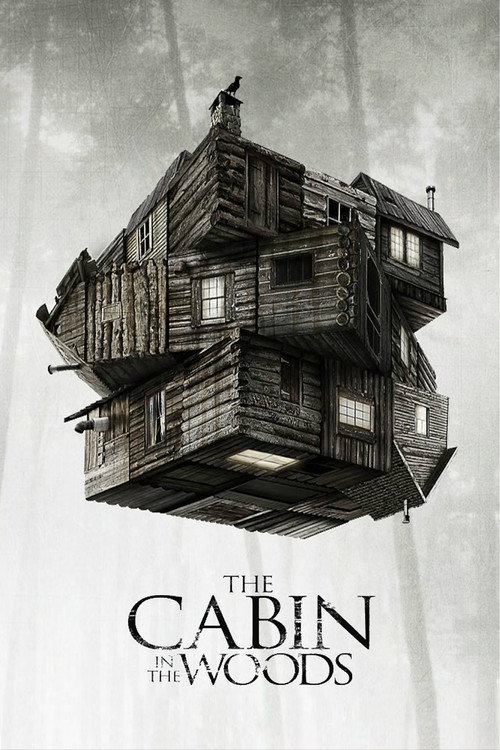
The Cabin in the Woods2012
A horror film that deconstructs horror films while still delivering actual scares and humor. Shares Housebound's interest in genre as a language game and its commitment to making you feel things even while it's winking at you.
But It's a premise film and a deconstruction, which means it works best if you're already steeped in horror. For casual viewers, it can feel smug and overstuffed.
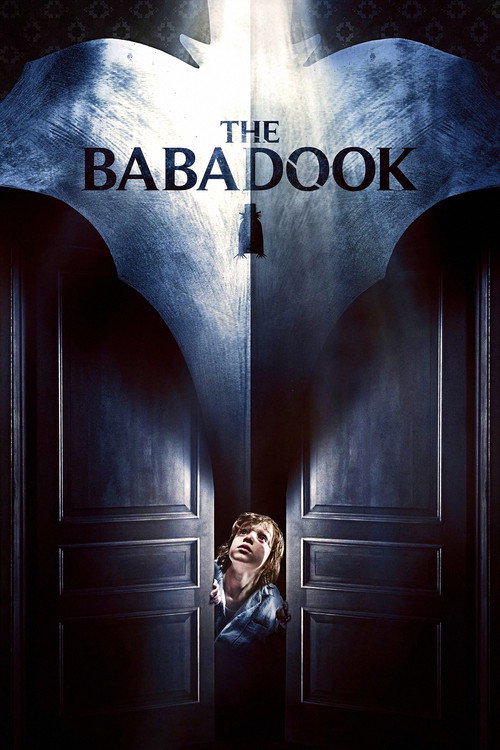
The Babadook2014
An Australian psychological horror about a mother and son trapped together after loss, where the real terror is domestic and emotional. It's controlled and assured in ways that echo Housebound's confidence.
But It's relentlessly bleak and offers no humor as relief. Where Housebound finds lightness, this descends deeper. It's also slower and will feel pretentious to some.
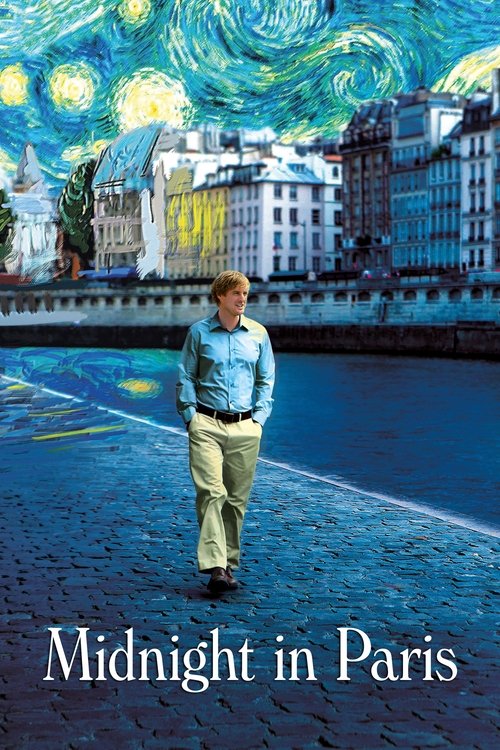
Midnight in Paris2011
A fantasy-romance where the protagonist is trapped in displacement of her own making and gradually learns to accept reality. Tonally lighter than Housebound but structurally similar: genre fantasy as emotional truth.
But It's a Woody Allen film and very earnest about nostalgia. If you find his sensibility grating, nothing here will change your mind. Also schmaltzy where Housebound is wry.
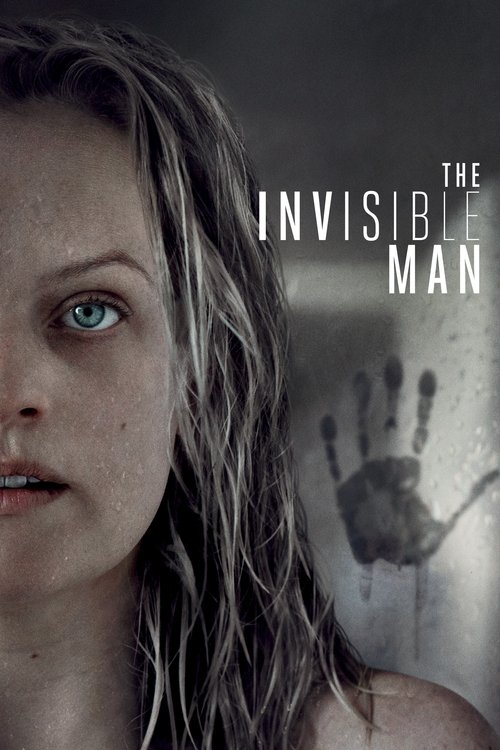
The Invisible Man2020
Both center a woman isolated in domestic space, doubted and gaslit, slowly discovering her own power and perception is reliable.
A modern sci-fi horror about gaslighting and invisible abuse. Leigh Whannell reimagines a classic monster movie as a contemporary thriller about a woman in her own home, unsure what's real, slowly reclaiming agency. Like Housebound, it's about a woman learning to trust herself in a space meant to control her.
But It's a social-issue film wearing a genre disguise, which some find heavy-handed. Also grimly serious where Housebound allows itself to be silly.
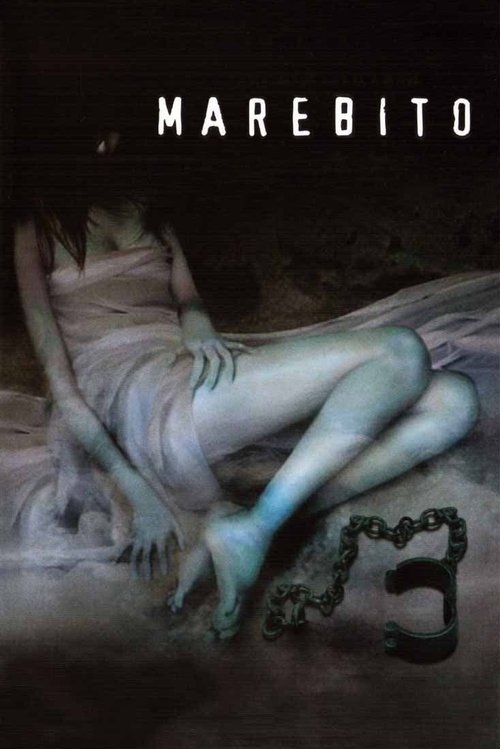
Marebito2004
Both films treat their genre—horror—not as a delivery system for scares but as a language for exploring psychological compulsion and self-isolation.
A Japanese horror film about a man descending into an underground realm in search of 'fear itself.' It's bizarre, visceral, and deeply human—a meditation on addiction and isolation. Utterly strange but shares Housebound's ability to be funny and disturbing simultaneously, and its interest in what we're really afraid of.
But It's visually grotesque and philosophically demanding. The pacing is deliberately sluggish. Subtitled, and will feel alienating if you need conventional narrative momentum.
People
Cast
 Morgana O'ReillyKylie Bucknell
 Rima Te WiataMiriam Bucknell
 Glen-Paul WaruAmos
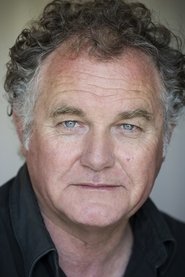 Ross HarperGraeme
 Cameron RhodesDennis
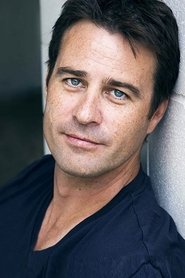 Millen BairdOfficer Grayson
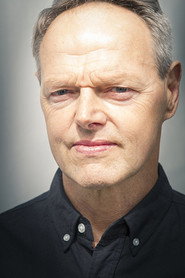 Bruce HopkinsOfficer Carson
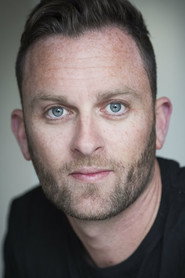 Ryan LamppEugene
 Ian MuneJudge
- Wallace ChapmanHollis
 Mick InnesKraglund
 David Van HornJustin
Directing
- Rose DamonContinuity
- Gerard JohnstoneDirector
- Craig WilsonFirst Assistant Director
- Fraser RossFirst Assistant Director
- Katie TateFirst Assistant Director
- Natasha RomaniukFirst Assistant Director
- Rose DamonScript Supervisor
- Luke SharpeSecond Unit Director
- Esther ClewlowThird Assistant Director
- Laurelle MayThird Assistant Director
- Rachael BristowThird Assistant Director
- Sarah HoughThird Assistant Director
Writing
- Gerard JohnstoneWriter
Production
- Ant TimpsonExecutive Producer
- Chris LambertExecutive Producer
- Daniel StoryExecutive Producer
- Michael KumerichExecutive Producer
- Garett MayowLine Producer
- Luke SharpeProducer
- Catherine MackProduction Assistant
- Joshua BanksProduction Assistant
- Lucina ParkProduction Assistant
- Samantha CaugheyProduction Assistant
- Zak WashProduction Assistant
- Ainsley AllenProduction Manager
Recommended by
Evil Dead Rise, Tucker and Dale vs. Evil, The Babysitter, Speak No Evil, Strangers in the Night, The Halfway House, Little Monsters, Let's Scare Julie, Obsess