
Film
Limbo
A haunted man in Alaska finds himself drawn into the lives of a wandering singer and her fractious daughter, leading them all toward danger on an ill-fated voyage. Meditative and atmospheric, it trades plot momentum for mood and character friction. For those who like their thrillers slow-burned and their landscapes as much a character as the people inhabiting them.
Should you watch it?
Watch it if you want slow-burning character drama where the danger sits under ordinary longing, with long Alaskan silences and people who talk around what they feel.
Skip it if you need fast plotting and clear motives, since much of the film is spent in mood, uneasy glances and tangled loyalties that refuse to resolve neatly.
What it asks of you: Over two hours of patience, a slow build that rewards attention more than anticipation; the mood stays cool and grey, and tension lives in pauses.
Not sure? Find tonight's pick in a minute.
If you liked this
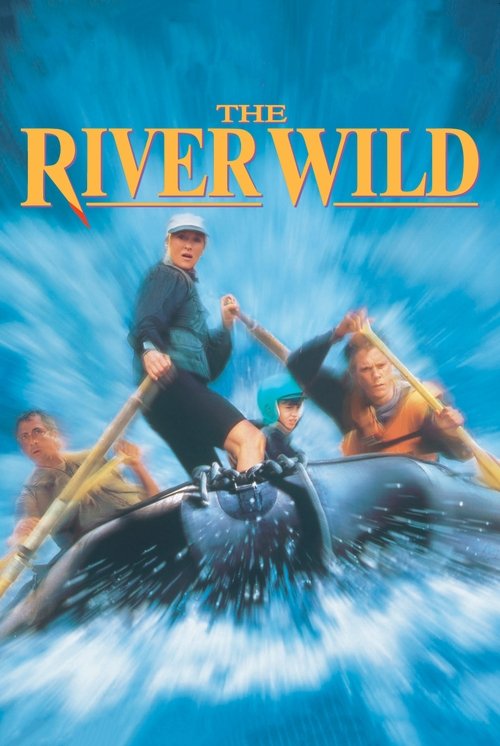
The River Wild1994
A river-bound adventure where family dynamics crackle alongside genuine peril. Meryl Streep and Kevin Bacon navigate both white water and emotional rapids in a film that knows how to build dread without rushing.
But It's more conventionally exciting than Limbo—if you want meditative over propulsive, this will feel slightly too eager to please.
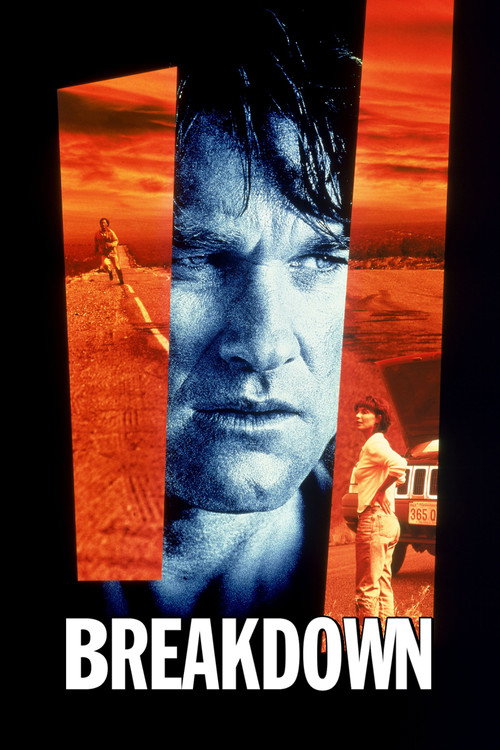
Breakdown1997
Kurt Russell in the desert, his marriage unraveling while a nightmare unfolds. Hitchcockian tension, a landscape that feels hostile, and a protagonist who must rely on instinct rather than heroics. Expertly paced.
But Darker and more brutally pragmatic about betrayal. Less poetic than Limbo, more visceral.
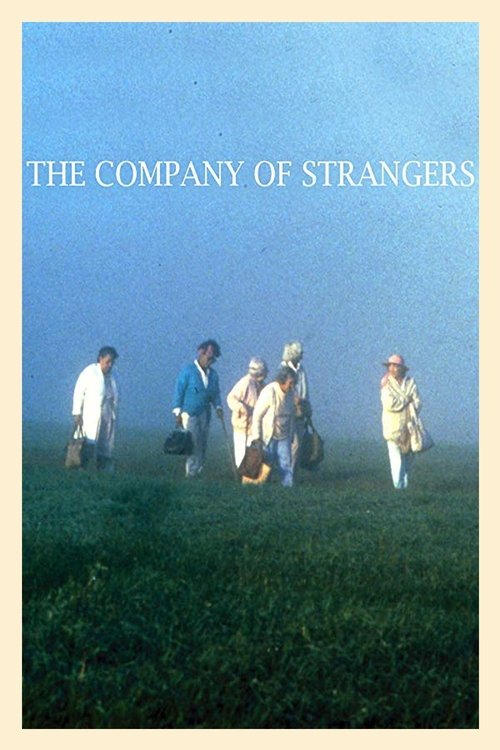
The Company of Strangers1990
A bus breaks down in the Canadian wilderness and seven older women navigate survival and connection. Gentle, character-led, with Celine Dion's voice haunting the margins. Pure ensemble warmth.
But Almost no plot; if you need narrative propulsion, this will feel like a pause button has been pressed.
Not sure tonight? Get a pick in a minute, starting from Limbo
The wildcard
Something you would not have found on your own.
Stalker1979
Both films treat landscape and psychological damage as inseparable; both refuse to resolve their central conflicts with action. The journey is the point, and the destination may bring only more questions.
Andrei Tarkovsky's men journey through a mysterious zone toward a room that may grant wishes. Shot in long, hypnotic takes, it's less about plot than the texture of longing and fear. A masterwork of atmospheric tension without melodrama.
But Nearly three hours of people walking and talking. No action, minimal dialogue sometimes, and the Russian metaphysical register will exclude those looking for conventional narrative. Requires patience as a prerequisite.

More like this (8)
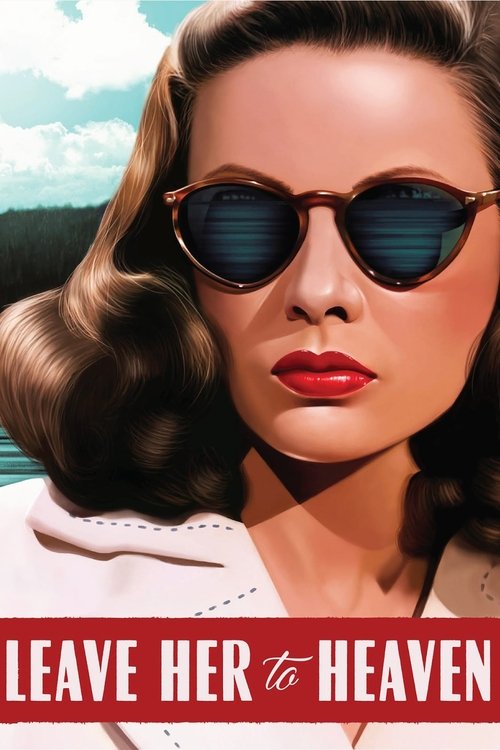
Leave Her to Heaven1945
A woman insinuates herself into a family's Alaskan retreat with devastating consequences. Gorgeously shot in Technicolor, sexually charged, with a moral complexity that refuses easy answers about who deserves what.
But Much more of a melodrama; the female lead is a villain in ways that might feel dated or arch depending on your tolerance for classic Hollywood psychology.
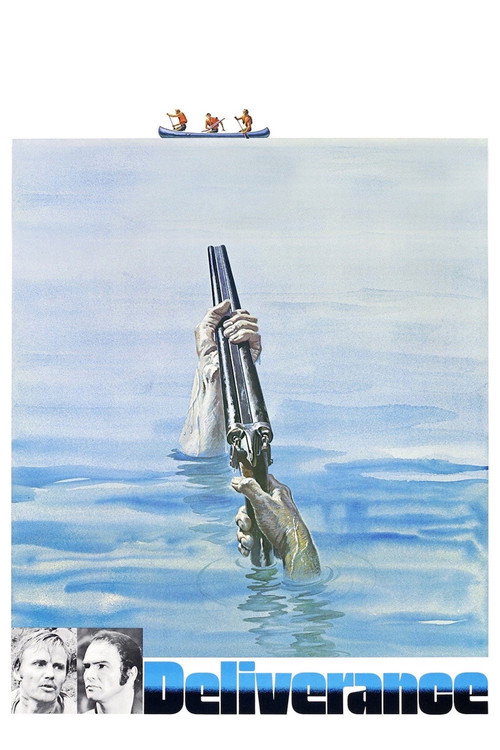
Deliverance1972
Four men, a river, a descent into chaos. Boesman and Neumann handle the brutality without sentimentality. The landscape becomes indifferent, and that indifference is the horror.
But Far more violent and sexually transgressive. Where Limbo broods, this explodes.
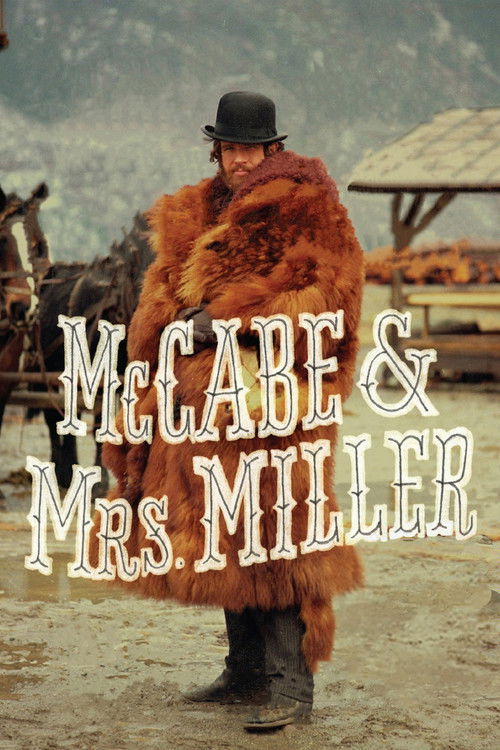
McCabe & Mrs. Miller1971
Two people trying to build something in an unforgiving frontier landscape, romance and practicality at war. Robert Altman's camera captures snow, mud, and the cost of wanting.
But Deliberately anti-mythic and slow; it actively resists narrative satisfaction. Some will find it quietly devastating; others will find it frustrating.
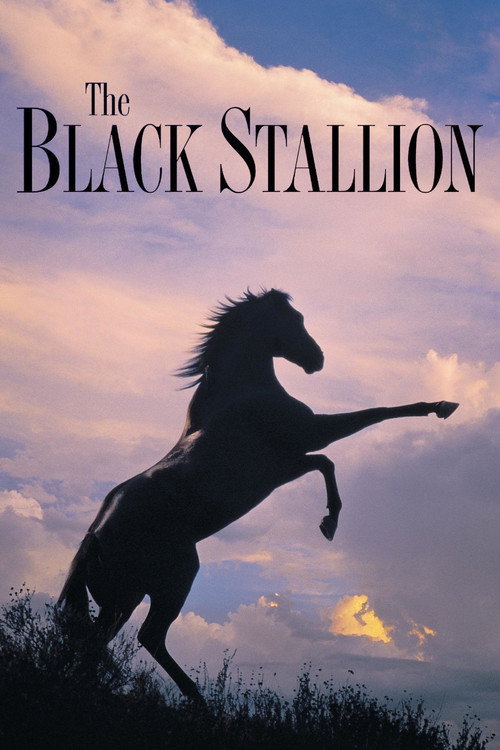
The Black Stallion1979
A boy and a wild horse stranded on an island. Adventure told with genuine wonder and almost no dialogue for long stretches. The landscape and the animals do the talking.
But It's a family film from the '70s with all the deliberate pacing that implies. If you're looking for stakes, they're emotional rather than life-or-death.
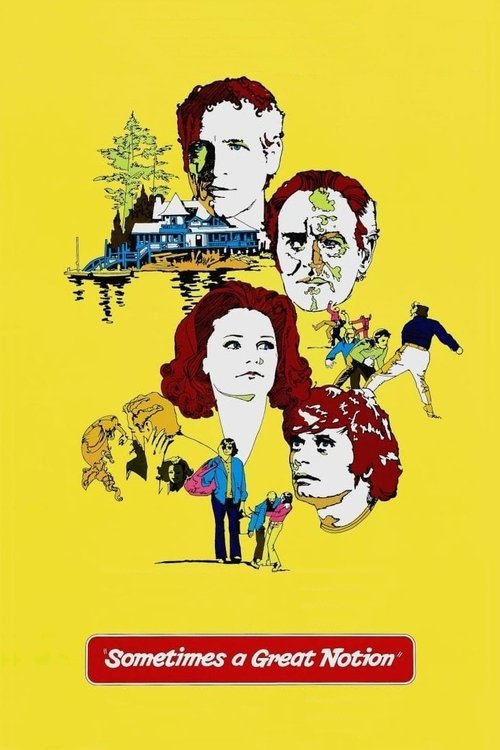
Sometimes a Great Notion1971
An Oregon logging family in winter, wrestling with loyalty, ambition, and the land itself. Paul Bunyan in color and conflict. Henry Fonda and Paul Newman at odds, with nature as the real antagonist.
But It's a sprawl—near three hours, sometimes repetitive, occasionally theatrically pitched. The '70s sensibility will not work for everyone.
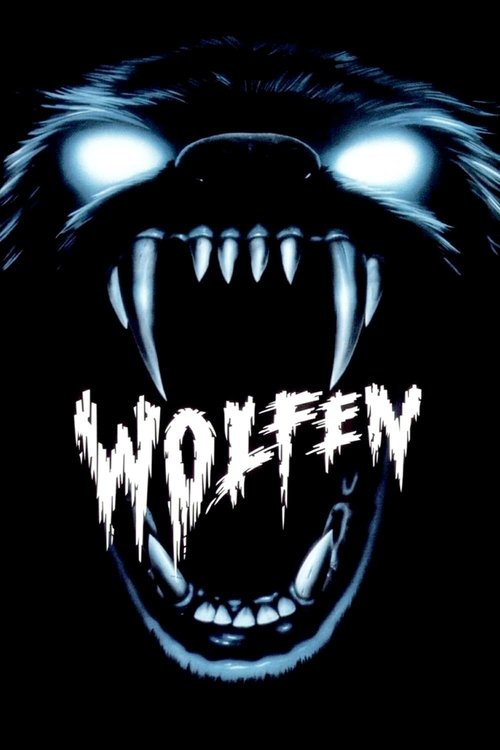
Wolfen1981
A detective investigates murders in Manhattan that might be wolves. Visually startling, with a score that unsettles. It mistakes atmosphere for plot but commits fully to the dread.
But The mystery dissolves into philosophy; the ending sacrifices tension for message. Some will find it profound; others will feel cheated.
The Ballad of Little Jo1993
Like Limbo, it's about outsiders trying to remake themselves in harsh terrain, and about how the landscape—and community—both shelter and condemn. Both resist plot in favor of the weight of living.
A woman in 1870s Wyoming poses as a man to survive, building a life of deliberate ambiguity. Maggie Greenwald's film is patient, morally complex, and gorgeously shot. It asks what belonging costs and who gets to decide identity.
But It's a feminist Western in the slowest registers. If you want action or catharsis, you won't find them. The ending refuses the comfortable resolution the genre usually demands.

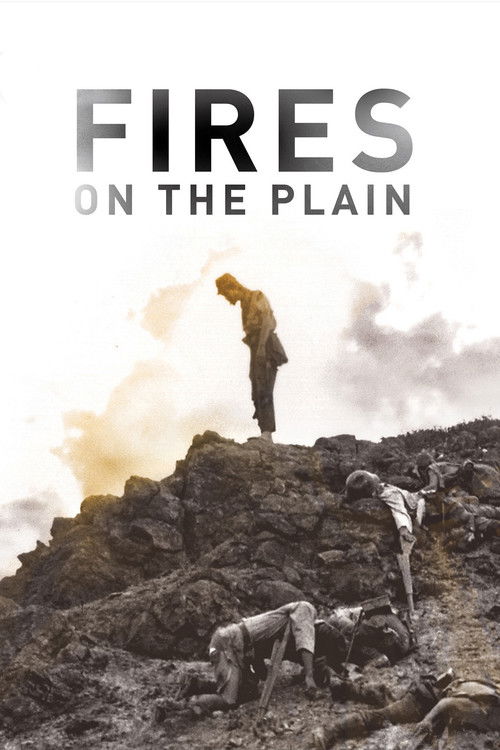
Fires on the Plain1959
Both films center a traumatized man trying to survive in landscape that seems indifferent to his suffering. Both use geography as a mirror for interior damage. Neither offers rescue as resolution.
A Japanese soldier abandoned in the Philippines during WWII wanders through jungle and moral collapse. Masaki Kobayashi's film is a fever dream—beautiful and grotesque, desperate and numbing. War as alienation rather than glory.
But Deeply unsettling. Body horror, psychological disintegration, and a protagonist whose suffering is not redeemed. Made in 1959 but feels bleaker than most modern cinema.
People
Cast
 Mary Elizabeth MastrantonioDonna De Angelo
 David StrathairnJoe Gastineau
 Vanessa MartinezNoelle De Angelo
 Kris KristoffersonSmilin' Jack
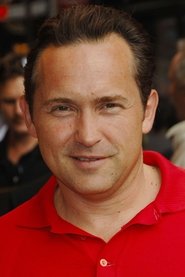 Casey SiemaszkoBobby Gastineau
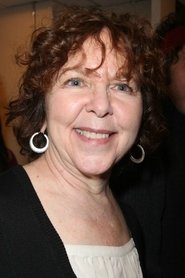 Kathryn GrodyFrankie
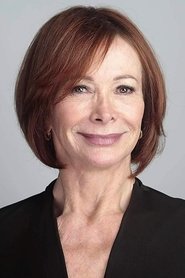 Rita TaggartLou
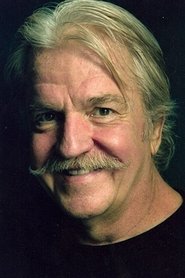 Leo BurmesterHarmon King
 Michael LaskinAlbright
- Hermínio RamosRicky
- Dawn McInturffAudrey
- Tom BissBaines
Directing
- John SaylesDirector
- Sandy McLeodSecond Unit Director
Writing
- John SaylesWriter
Production
- Sarah ConnorsAssociate Producer
- Lizzie Curry MartinezCasting
- Maggie RenziProducer