
Film
Manon of the Spring
The sequel to Jean de Florette finds Manon, now a beautiful shepherdess, discovering the truth about her father's death and the men who orchestrated it. A meditation on greed, revenge, and whether justice can ever truly balance the scales. Lush, patient, heartbreaking—a film that understands the cost of vengeance on everyone it touches.
Should you watch it?
Watch it if you love slow, sun-baked stories where rural land, old rivalries and patient scheming carry more weight than action, and you don't mind a film that lets a landscape and its people breathe.
Skip it if you need the plot to move briskly, since much of this runtime is spent on lingering scenes of work, weather and waiting, with a deliberate rhythm that some viewers will find heavy going.
What it asks of you: Settle in for just under two hours of unhurried pacing, with a serious, melancholy weight and close attention to who wants what and why.
Not sure? Find tonight's pick in a minute.
If you liked this
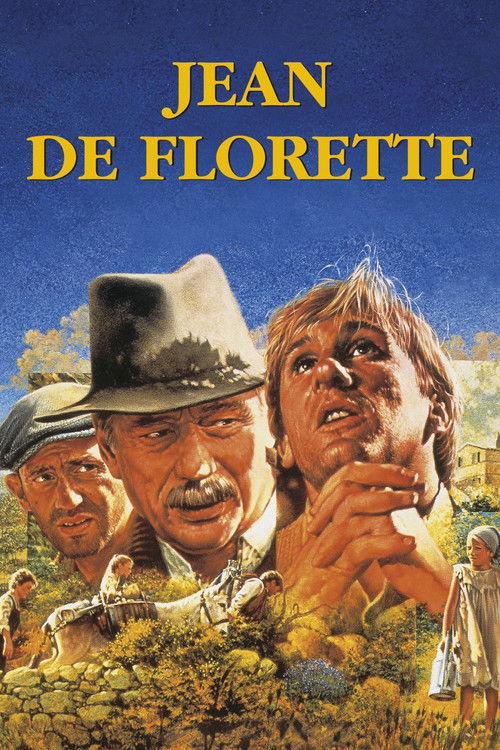
Jean de Florette1986
The first half of this story. You need to see the original scheme unfold—the desperation, the cruelty disguised as necessity—to feel the weight of what Manon discovers and does about it.
But Nearly three hours long, and deliberately paced. It moves at the speed of rural life, not plot. Patience required.
Cyrano de Bergerac1990
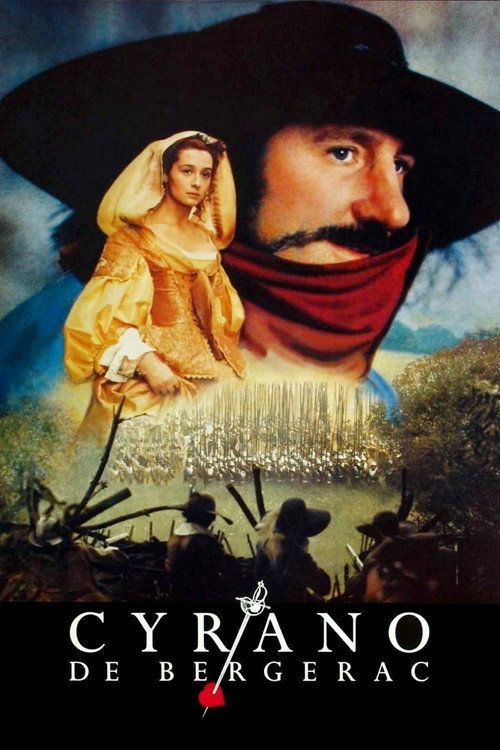
Another French period romance about outsiders and the gap between appearance and truth, with similar lushness and emotional depth. Daniel Auteuil is magnificent here too, in a role that couldn't be more different.
But Heavy on language and poetry; some might find the theatrical style precious. Subtitles, of course, if you need them.
The Horseman on the Roof1995
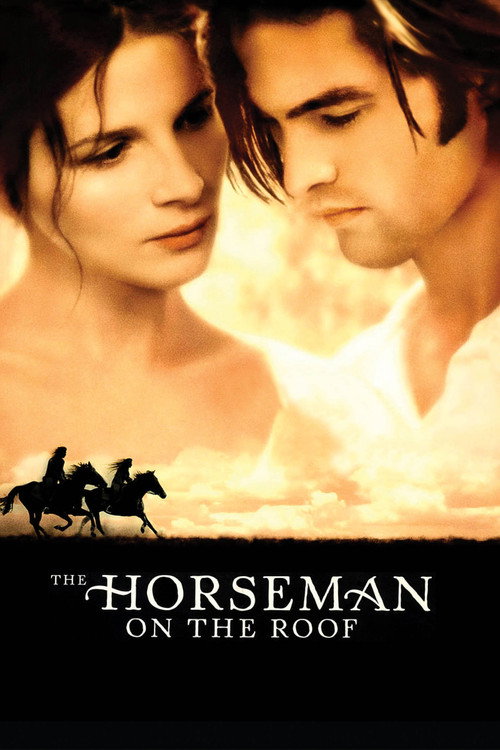
A sweeping Provençal adventure with genuine passion and stunning cinematography. It has the same sense of landscape as a character, the same way beauty and danger coexist.
But It's more conventional romance-adventure than Manon's moral complexity. The plot is simpler and the stakes are different.
Not sure tonight? Get a pick in a minute, starting from Manon of the Spring
The wildcard
Something you would not have found on your own.
Contempt1963
Both use Provençal and Mediterranean settings not as backdrop but as moral terrain; both are slow observations of how people damage each other and what beauty costs.
Godard's film about a marriage collapsing amid Mediterranean beauty. Like Manon, it observes how landscape can simultaneously reveal and conceal human feeling. Radically different in form—fractured, self-aware, alive with cinema language—but the same emotional precision.
But It's an art film that announces itself as one. No plot in the conventional sense. Colors and compositions matter as much as dialogue. Many find it cold or pretentious.

More like this (7)
The Leopard1963
A masterpiece about change and decay in aristocratic Sicily. Like Manon, it's haunted by history, gorgeously shot, and asks what we owe the past and when we should let it go.
But Three hours and fifteen minutes. Some find Visconti's pacing glacial; others find it transcendent. You have to surrender to it.

Under the Tuscan Sun2003
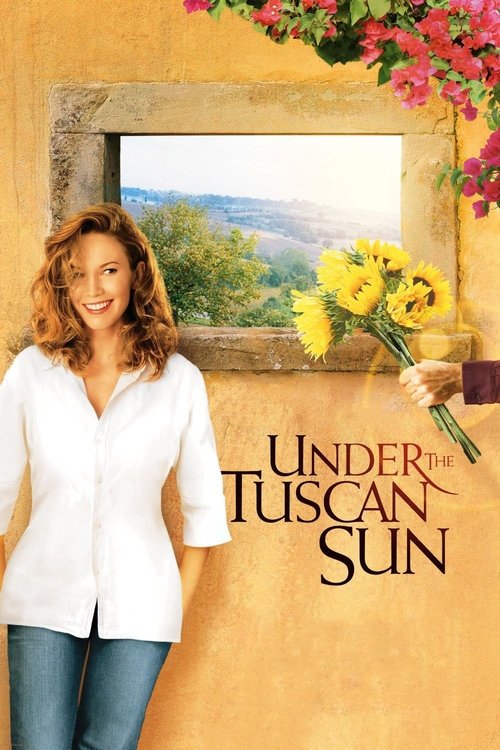
A lighter, more forgiving vision of rural Mediterranean life and second chances. The landscape is a character, like in Manon, but this one asks: what if you could just start over instead of seeking revenge?
But It's almost aggressively optimistic and sunny. If you're looking for moral ambiguity, you won't find it here.
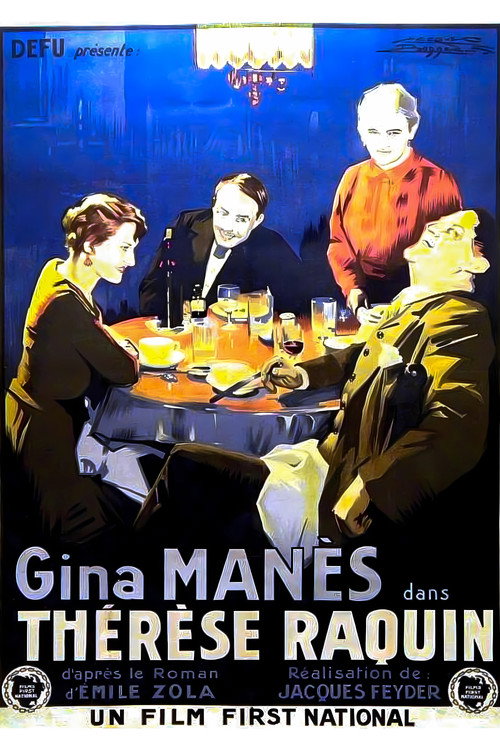
Thérèse Raquin1928
Silent cinema's take on passion, guilt, and the weight of a terrible secret. Two people bound together by what they've done. The emotional architecture mirrors Manon's tragedy in unexpected ways.
But It's silent, and it's 1928. Not everyone wants to meet cinema on those terms. The pacing and acting style feel archaic to modern eyes.
Rififi1955
A French noir about greed, planning, and consequences. Not about revenge like Manon, but about how wanting something badly enough can destroy you and everyone around you. The moral clarity is shattering.
But It's a heist film, darker and harder than Manon. If you're looking for beauty and landscape, this trades those for shadows and desperation.

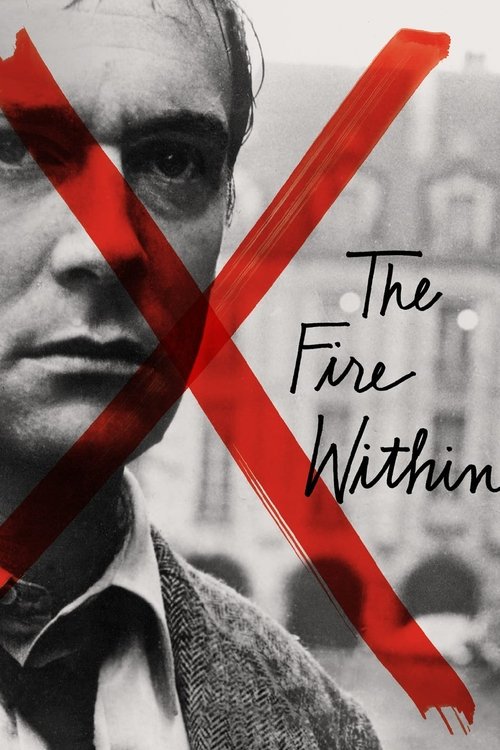
The Fire Within1963
Slow, attentive to mood and landscape, and devastatingly sad. It shares Manon's patience with emotional truth and refusal to look away from human damage. A film that respects your intelligence.
But It's a suicide note addressed to cinema. Profoundly depressing. Not cathartic—this is grief without resolution.
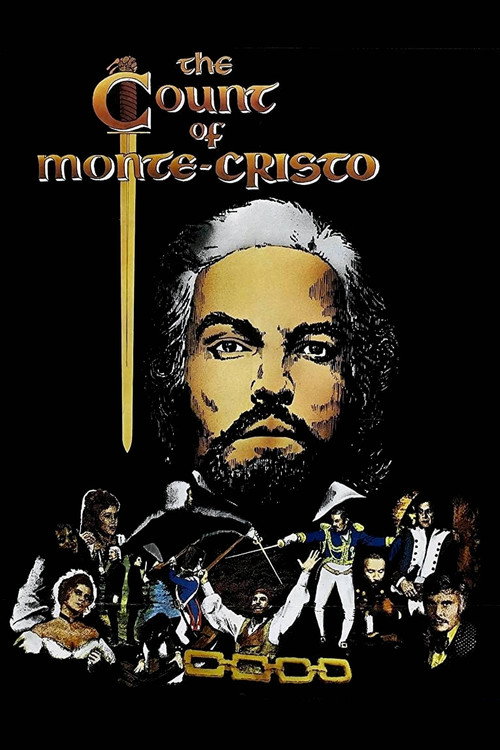
The Count of Monte-Cristo1975
The ultimate revenge fantasy, beautifully mounted, with a protagonist who methodically dismantles the lives of those who wronged him. It asks the same question Manon does: what does getting even actually cost?
But It's more adventure-romance than moral reckoning. The tone is often lighter. It's also nearly two hours and doesn't move as slowly as you might expect.
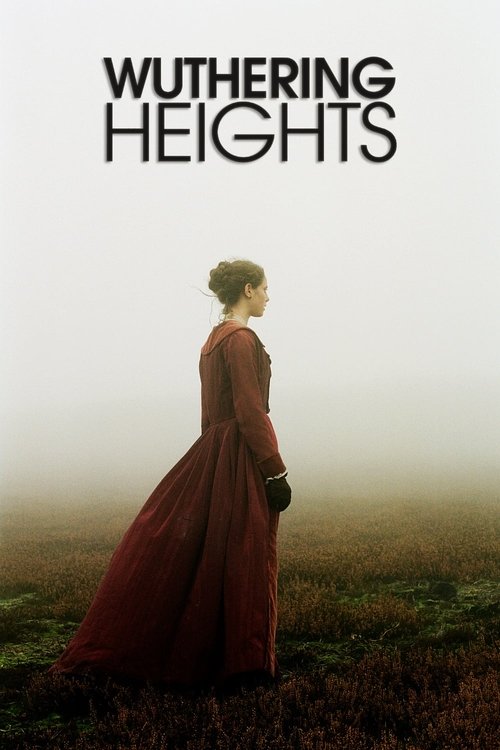
Wuthering Heights2011
Both are about homecoming as a form of reckoning; both know that returning to a place looking for justice is often the beginning of another kind of tragedy.
A Danish film about a man returning to his village, haunted by what he's done and what was done to him. Deliberately paced, visually spare, morally unforgiving. It has Manon's understanding that you cannot actually undo the past, only live with it.
But Very recent, may be hard to find. In Danish. Deeply bleak. There is no catharsis here, no moment where accounts are settled. It refuses easy answers.
People
Cast
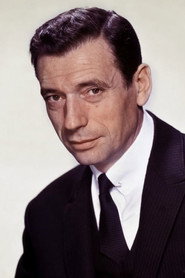 Yves MontandCésar Soubeyran, aka "le Papet"
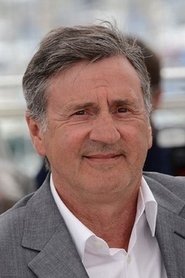 Daniel AuteuilUgolin Soubeyran, aka "Galinette"
 Emmanuelle BéartManon Cadoret
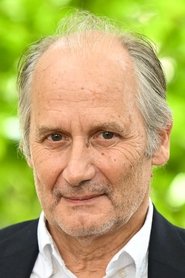 Hippolyte GirardotBernard Olivier, teacher
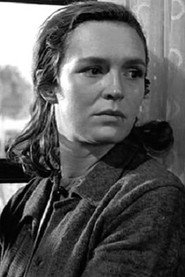 Margarita LozanoBaptistine
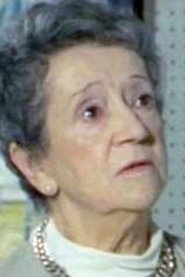 Yvonne GamyDelphine
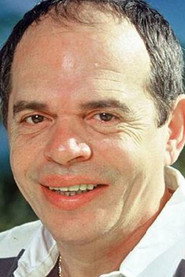 Ticky HolgadoRural engineering specialist
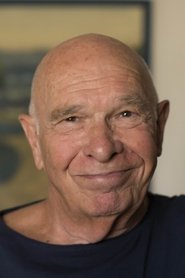 Jean BouchaudVicar
 Elisabeth DepardieuAimée Cadoret
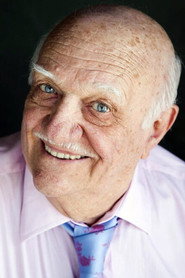 Gabriel BacquierVictor
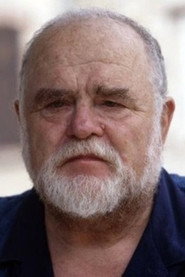 Armand MeffrePhiloxène
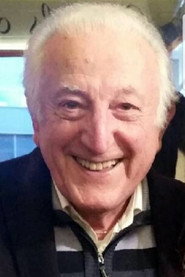 André DuponPamphile, joiner
Directing
- Isabelle HenryAssistant Director
- Pascal BaeumlerAssistant Director
- Xavier CastanoAssistant Director
- Claude BerriDirector
- Hélène SébillotteScript Supervisor
Writing
- Marcel PagnolNovel
- Claude BerriScreenplay
- Gérard BrachScreenplay
Production
- Alain PoiréAssociate Producer
- Marie-Christine LafosseCasting
- Pierre GrunsteinExecutive Producer
Recommended by
Jean de Florette, Mandy, My Mother's Castle, Madame Bovary, Harvest, Deathstroke: Knights & Dragons - The Movie, The Captain's Paradise, Puli