
Film
Jean de Florette
A masterpiece of slow-burn cruelty set in 1920s Provence. Two landowners sabotage their new neighbor's farm by blocking his water source, watching without mercy as he destroys himself trying to survive the drought. It's patient, beautifully shot, and morally devastating—for people who believe cinema can break your heart.
Should you watch it?
Watch it if you like slow, unhurried storytelling where a village's landscape, weather and small cruelties carry the weight, and you don't need a hero to root for.
Skip it if you want a brisk plot or a lot of dialogue; much of this is watching a man labour under the sun, and the wait can feel long.
What it asks of you: Settle in for a patient two hours, with long stretches of dry heat, slow lingering shots and a mood that stays bleak rather than lifting.
Not sure? Find tonight's pick in a minute.
If you liked this
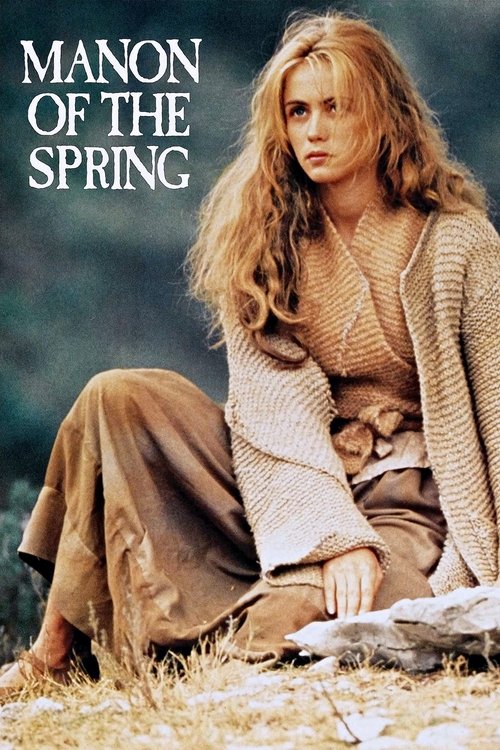
Manon of the Spring1986
The direct sequel completes the tragedy with gorgeous inevitability. You need to see what happens when the hunchback's daughter discovers the truth, and Provence has never looked more like Eden or Hell.
But It's a two-part commitment, and the second film operates on the same slow frequency. If you found the first one glacial, this won't convince you otherwise.
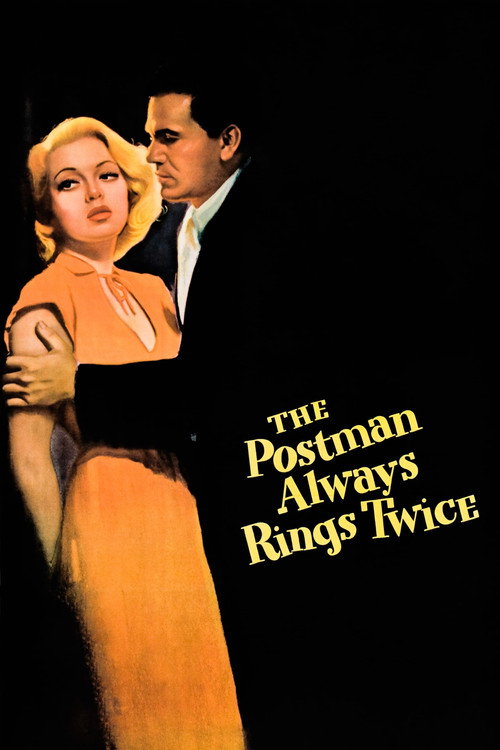
The Postman Always Rings Twice1946
Another story where greed and lust corrode decent people from within. Lana Turner and John Garfield's chemistry crackles with danger as they plot to murder her husband—morally complex noir that stays with you.
But The pacing is 1940s Hollywood, which means it moves faster and is less interested in the landscape of human ruin. Some find the melodrama dated.
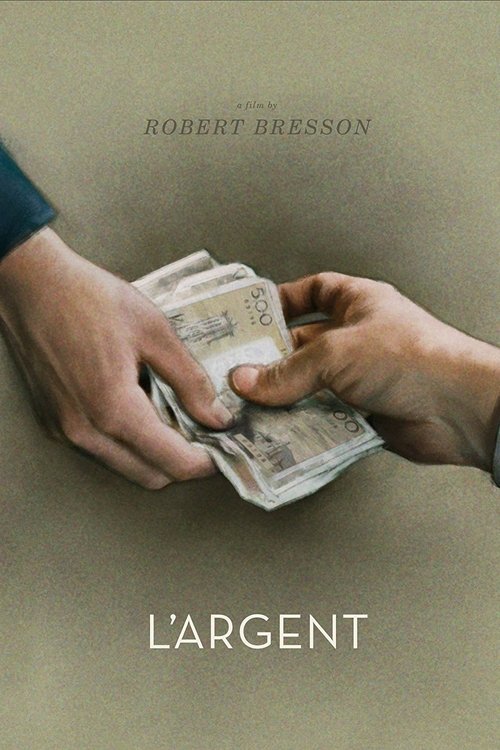
L'Argent1983
Bresson's final film traces how a counterfeit note destroys lives across society. Like Jean de Florette, it's about circumstance and cruelty, but colder and more metaphysical. Essential if you want to understand how tragedy can be both inevitable and senseless.
But Bresson is austere to the point of alienation. His actors don't emote; they endure. It can feel like watching suffering through thick glass.
Not sure tonight? Get a pick in a minute, starting from Jean de Florette
The wildcard
Something you would not have found on your own.
Stalker1979
Both films are built on the slow corruption of the human spirit by want. In Jean de Florette, greed poisons the land; in Stalker, desire poisons the journey itself. Neither film offers escape or redemption, only understanding.
Andrei Tarkovsky's philosophical science-fiction meditation on desire and obsession. A guide and two men journey through a mysterious zone toward a room that grants wishes—but the real drama is internal, watching how need and ambition warp the soul. Hypnotic and devastating.
But It's 163 minutes of philosophical science fiction that moves at meditation speed. If you expect plot momentum or answers, you'll feel adrift.

More like this (8)
Bitter Lake2015
A Soviet film about ambition and betrayal in the Caucasus. It shares Jean de Florette's patient observation of how good intentions curdle into greed, and the landscape becomes a character in the moral reckoning.
But It's less famous in the West and harder to find. The pacing is deliberate to the point where some viewers lose patience.
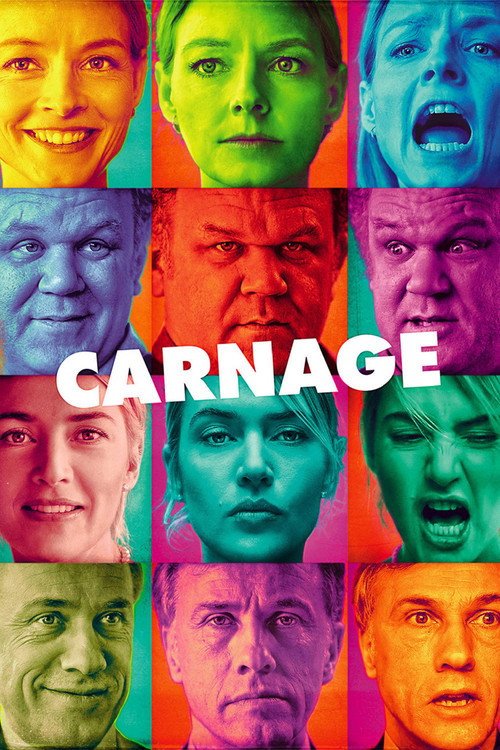
Carnage2011
Polanski adapts Yasmina Reza's play about two couples meeting after their sons fight. Like Jean de Florette, it peels back civility to expose the violence underneath ordinary people. Tightly wound and darkly funny.
But It's a chamber piece—four people in one apartment for ninety minutes. If you're hungry for landscapes and movement, it will feel claustrophobic.
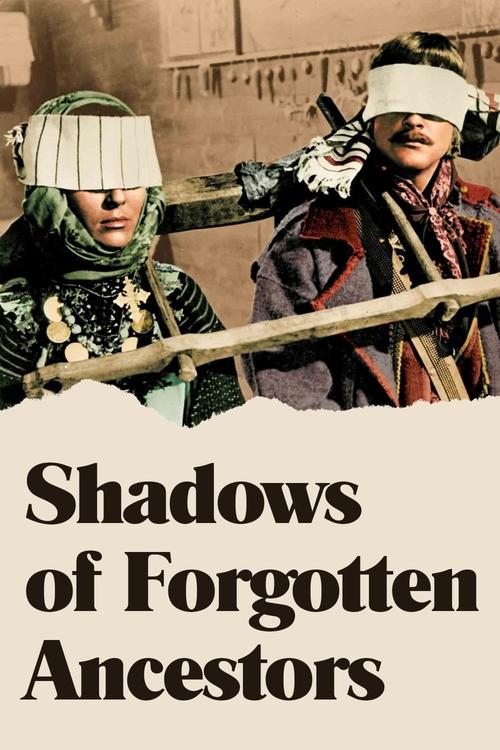
Shadows of Forgotten Ancestors1965
Sergei Parajanov's visual poem about love and fate in Ukrainian Carpathia. Stunning color and mythic intensity, but grounded in the same soil-deep tragedy as Jean de Florette. A film that feels carved from the earth.
But It's experimental and dreamlike. The narrative dissolves into symbol and ritual. If you want plot clarity, you'll be frustrated.
The Best Years of Our Lives1946
Three soldiers return from World War II and struggle to rebuild lives in small-town America. It's about the gap between expectations and reality, and how community can either sustain you or grind you down. Deeply humane.
But It's nearly four hours long and deeply anchored in post-war American optimism. The tone is warmer than Jean de Florette, which some may find less gripping.

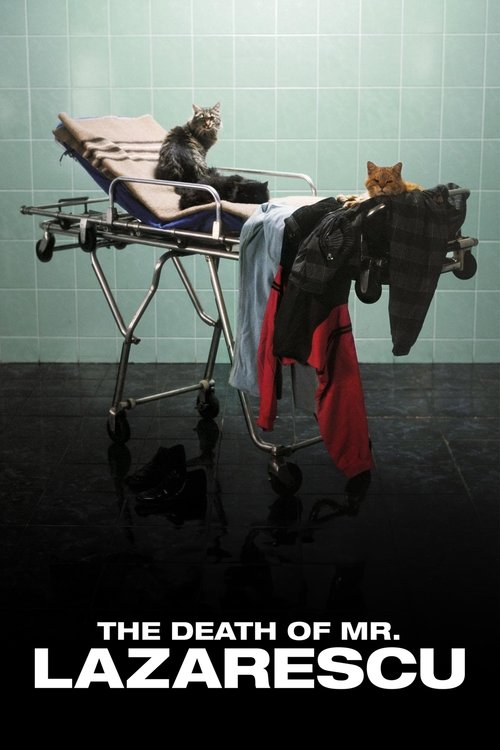
The Death of Mr. Lazarescu2005
A Romanian film following an elderly man's night in hospital. It's neither sentimental nor kind. Like Jean de Florette, it watches indifference and circumstance wear down a person without offering comfort. Unbearable and essential.
But At 160 minutes, it's a slow-motion catastrophe in fluorescent light. The accumulation of small cruelties can feel relentless to the point of punishment.
A Prophet2009
Jacques Audiard's masterpiece about a young man's rise in prison. Like Jean de Florette, it's about the machinery of circumstance that turns survival into complicity. Tense, intelligent, and morally complex.
But It's set largely in prison and doesn't offer much beauty or release. The intensity is uncompromising, and some viewers find it exhausting.

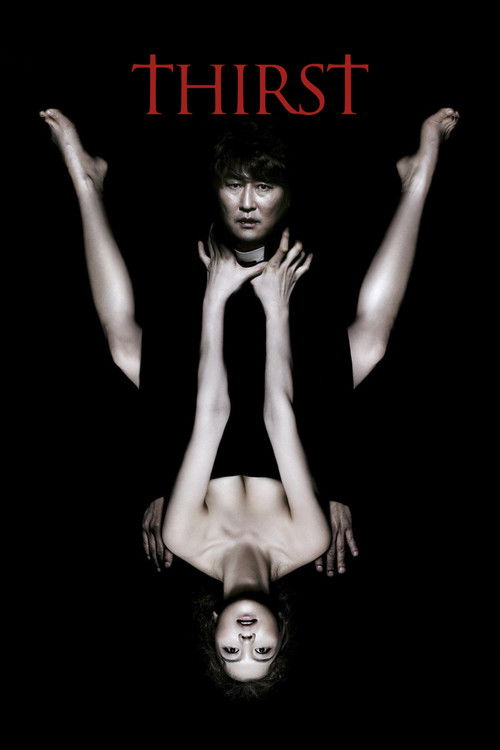
Thirst2009
Both use a protagonist's fatal flaw to set a tragedy in motion, then watch without judgment as circumstance amplifies it. One is rural Provence; the other is Gothic excess. Same architecture, wildly different clothes.
Park Chan-wook's operatic vampire film set in South Korea. A priest is transfused with infected blood and becomes a creature of hunger—it's lurid, sensual, and baroque. A completely different register from Jean de Florette, but the same question: what does wanting too much do to your soul?
But It's violent and sexually explicit in ways Jean de Florette is not. The tone is camp and heightened. Some find it overwrought; others find restraint boring.
The Turin Horse2011
Both films treat human effort as futile against forces larger than intention. Jean de Florette is about water; The Turin Horse is about the absence of redemption itself. One is tragedy; the other is philosophical noir. Both believe the world is harder than we are.
Béla Tarr's final film about a man and woman in a cottage at the end of the world. It's bleak, repetitive, and hypnotic—shot in black and white, everything erodes. If Jean de Florette showed you one man destroyed by circumstance, this shows you the slow heat death of everything.
But There is no plot, almost no dialogue, and the aesthetic is intentionally barren. It's a film that requires surrender to works at all. Watching it is an endurance test.

People
Cast
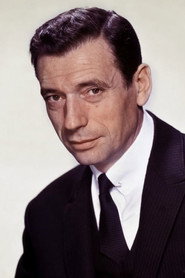 Yves MontandCésar Soubeyran, aka 'le Papet'
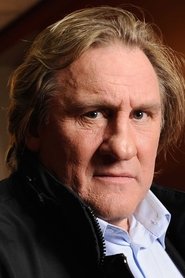 Gérard DepardieuJean Cadoret, hunchback, son of Florette
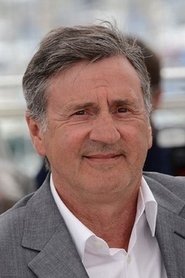 Daniel AuteuilUgolin Soubeyran, nephew of Papet
 Elisabeth DepardieuAimée Cadoret, wife of Jean
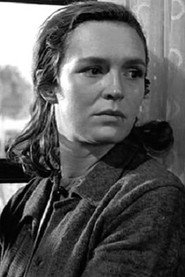 Margarita LozanoBaptistine, Piedmontese of the cave
 Ernestine MazurownaManon Cadoret, daughter of Jean & Aimée
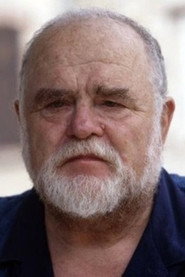 Armand MeffrePhiloxène, mayor
 André DuponPamphile, joiner
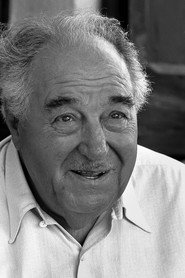 Pierre NougaroCasimir
 Jean MaurelAnglade, believer
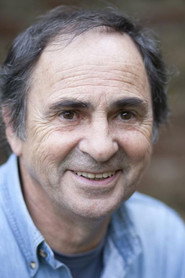 Roger SouzaAnge, hydrant man
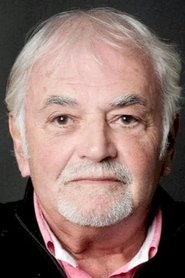 Didier PainEliacin
Directing
- Xavier CastanoAssistant Director
- Claude BerriDirector
- Hélène SébillotteScript Supervisor
Writing
- Marcel PagnolNovel
- Claude BerriScreenplay
- Gérard BrachScreenplay
Production
- Alain PoiréAssociate Producer
- Marie-Christine LafosseCasting
- Pierre GrunsteinExecutive Producer
Recommended by
Cyrano de Bergerac, Poldark, The Return of Martin Guerre, My Mother's Castle, Manon of the Spring, My Father's Glory