
Film
Climates
- Drama
- Slow-burning
Nuri Bilge Ceylan's austere examination of a marriage's collapse across Turkish landscapes. Two people orbit each other in silence, their alienation deepening through seasons and geography. It's quietly devastating—less about plot than the unbridgeable distances that open between people who share a bed. For those who find meaning in restraint and visual precision.
Should you watch it?
Watch it if you find the small silences between two people as revealing as the dialogue, and you're happy to sit with a painterly, patient camera that lets a mood settle.
Skip it if you need plot momentum or a clear sense of where things are heading, because very little here is driven by events and the mood can feel heavy going.
What it asks of you: Around ninety-eight minutes, but it moves at an unhurried pace with long, still takes and conversations that drift, so it wants patience more than close attention.
Not sure? Find tonight's pick in a minute.
If you liked this
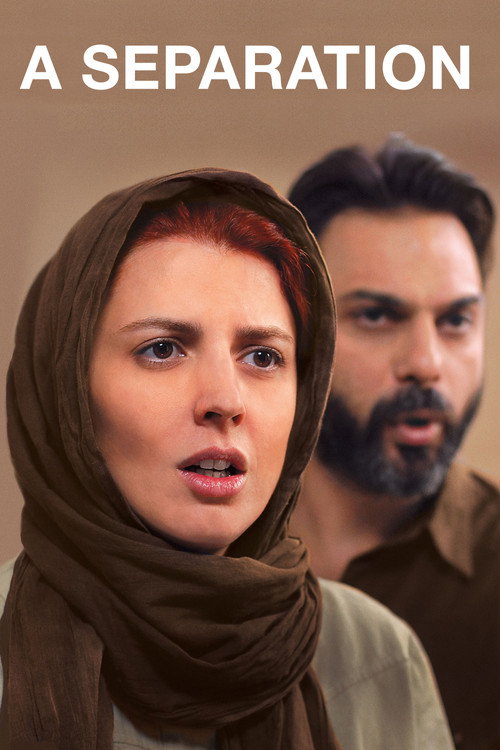
A Separation2011
A masterclass in how personal rupture radiates outward. Two people untangle their marriage through a Tehran apartment, with the same moral clarity and spatial intelligence Ceylan brings to *Climates*. Isabelle Huppert and Peyman Moaadi are superb.
But It's a family drama hinging on custody and lawyers—a shade more conventional than Ceylan's work, and some find it emotionally distant rather than poignant.
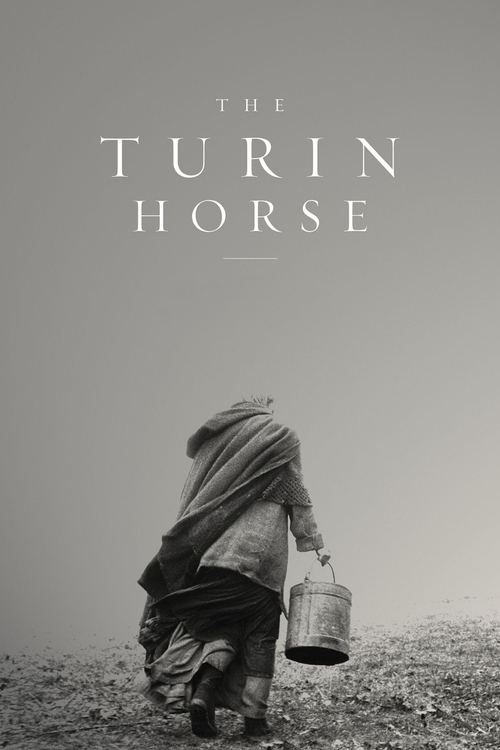
The Turin Horse2011
Béla Tarr's final film: a man, a woman, and a horse in a cottage as the world appears to end. Shot in black-and-white, glacially paced, obsessed with repetition and the exhaustion of being alive together. Extraordinarily bleak.
But It's 146 minutes of ritualistic silence and decay. If you need plot momentum or hope, this will feel like punishment dressed as cinema.
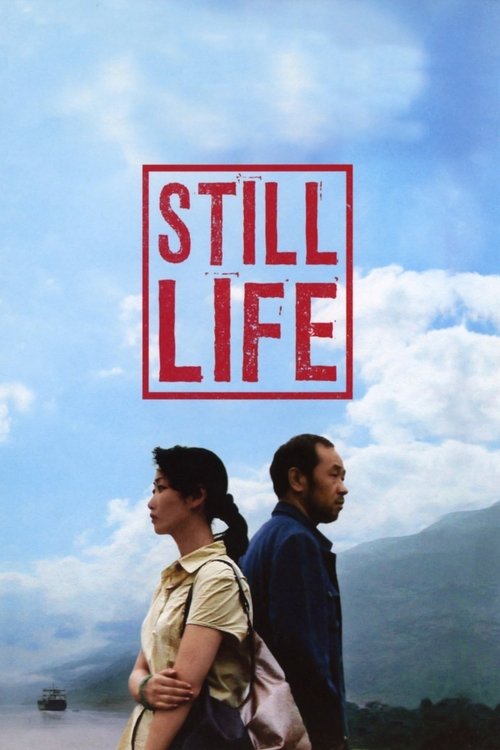
Still Life2006
Jia Zhangke captures a man returning to his flooded hometown before it vanishes underwater. Like *Climates*, it dwells on people adrift in their own country, in long takes that let landscape and absence do the talking. Hypnotic and mournful.
But Contemporary Chinese cinema at its most patient. Long stretches contain almost no dialogue. The emotional payoff is diffuse, not concentrated.
Not sure tonight? Get a pick in a minute, starting from Climates
The wildcard
Something you would not have found on your own.
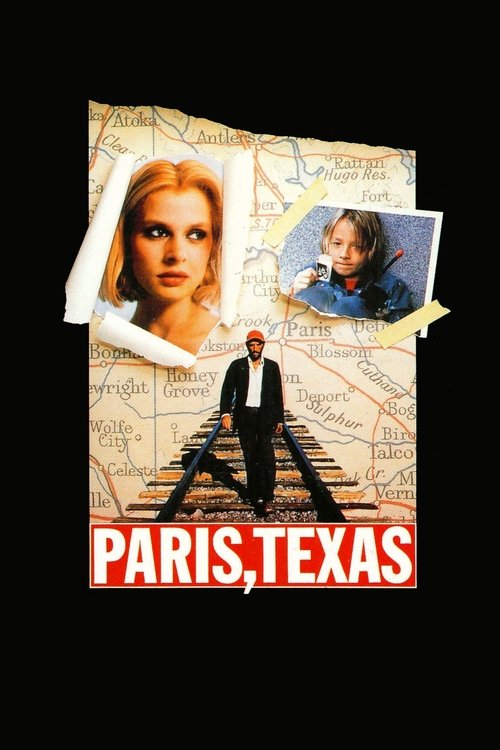
Paris, Texas1984
Both films use landscape and silence as primary emotional languages. Both centre on couples unable to reconnect despite proximity. Both believe the camera should linger on what characters cannot say.
Wim Wenders' ravishing meditation on a man returning from the desert to find his wife and child. Like *Climates*, it's fascinated by distance—emotional and literal—and the failure of words to bridge it. Ry Cooder's score haunts every frame. A masterpiece about the impossibility of going home.
But It's slow and requires patience. The emotional catharsis comes late and is ambiguous. Harry Dean Stanton's whisper-quiet performance offers no reassurance.
More like this (8)
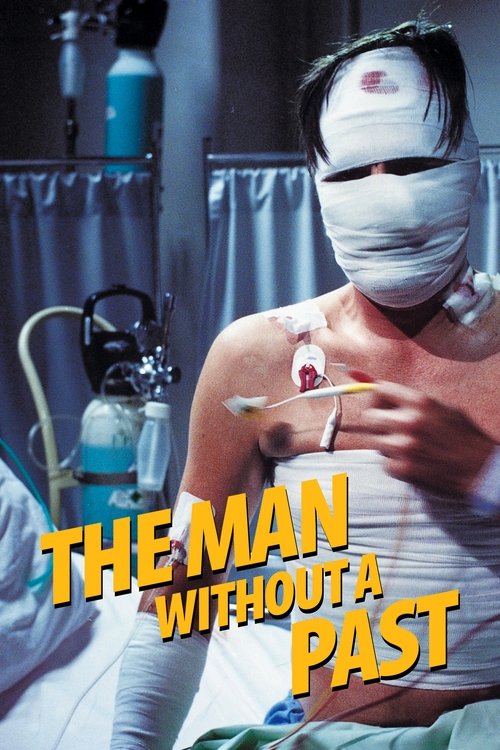
The Man Without a Past2002
Aki Kaurismäki's tender, deadpan portrait of a man with amnesia rebuilding life in Helsinki. It has *Climates*' interest in solitude and silence, but wraps it in dark comedy and unexpected kindness. A film that loves its damaged characters.
But The humour is bone-dry and understated. If you need warmth or catharsis, the emotional register stays deliberately cool throughout.
Synecdoche, New York2008
Philip Seymour Hoffman's theatre director builds a life-size replica of New York inside a warehouse as his marriage crumbles. Like *Climates*, it maps the distance between two people through physical space and time, but filtered through Kaufman's fractured, feverish logic.
But It's 124 minutes of escalating sadness and conceptual density. The structure is deliberately labyrinthine; some find it pretentious rather than profound.

Taste of Cherry1997
Abbas Kiarostami's Iranian masterpiece: a man drives through Tehran hills, picking up strangers, asking them to help him die. It's a conversation film about meaning and connection, shot with the same formal restraint as *Climates*. Quietly shattering.
But It circles around its subject rather than confronting it. The ending divides viewers—some find it transcendent, others feel cheated by its refusal to conclude.

Winter Light1963
Ingmar Bergman on faith, indifference, and the impossibility of reaching another person. A pastor and a woman sit in a chapel as their emotional chasm widens. It's Ceylan's spiritual ancestor—glacial, shot in pale winter light, preoccupied with silence.
But It's a 1963 Swedish film about theological despair. The pacing is glacial even for Bergman. This is not entertainment; it is endurance.

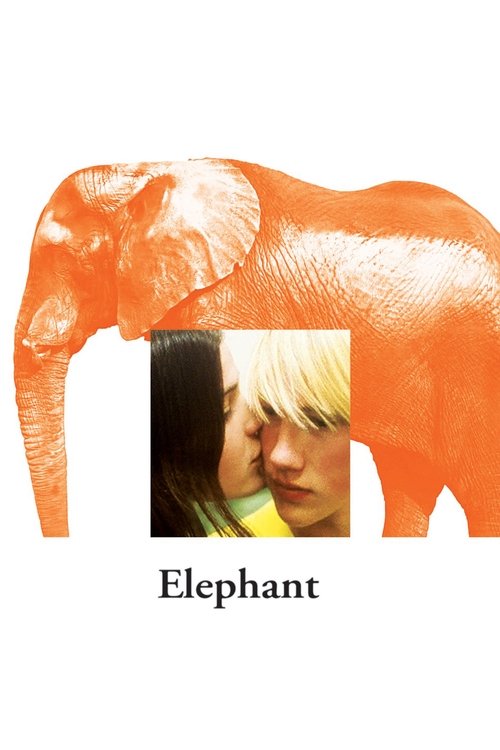
Elephant2003
Gus Van Sant's controlled, almost documentary-like vision of a school shooting's approach. Long, unbroken takes follow students through hallways. It shares *Climates*' visual patience and its belief that watching matters more than explaining.
But It's a film about a tragedy that ends in violence. The formal beauty of the cinematography can feel obscene to some viewers.
Mulholland Drive2001
David Lynch's Los Angeles nightmare about two women and the impossibility of love or identity. Fractured, baroque, it burrows into loneliness and desire. A different register from *Climates*, but equally convinced that happiness is fundamentally out of reach.
But It's deliberately confusing and doesn't resolve. The sexual violence and psychological horror aren't for everyone. You'll need to sit with uncertainty.

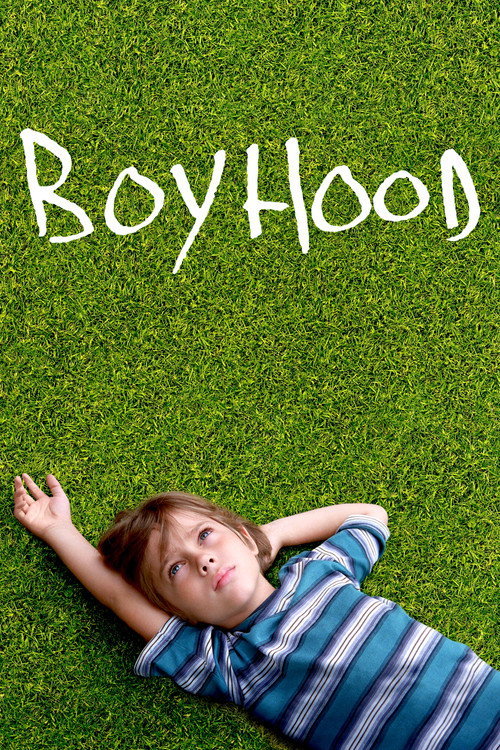
Boyhood2014
Both reject conventional narrative drama for observational accumulation. Both understand that people drift apart not through betrayal but through the simple passage of time. Both are formally ambitious in their refusal to dramatize.
Richard Linklater films the same actors across twelve years, watching a boy become a man. Like *Climates*, it's an investigation of time's passage and how people change without meaning to. It's tender where *Climates* is austere, but equally convinced that life happens in small, invisible increments.
But At 166 minutes, it demands a major time commitment. The lack of conventional plot can feel like watching paint dry to some. The gimmick occasionally overwhelms the humanity.
Woman in the Dunes1964
Both films use claustrophobic domestic space and repetitive labour as metaphors for emotional stagnation. Both watch couples perform the same gestures across time until those gestures hollow out. Both believe marriage can become a kind of beautiful trap.
Hiroshi Teshigahara's hallucinogenic Japanese film: a man trapped in a sand pit with a widow, digging endlessly to prevent collapse. It's an absurdist parable about routine, entrapment, and the slow erosion of identity within relationship. Hypnotic and unsettling.
But It's deliberately strange and metaphorical. The repetition and sense of being trapped are the point, which some find maddening rather than meaningful. Black-and-white, 1960s, in Japanese.

People
Cast
 Ebru CeylanBahar
 Nazan KesalSerap
- Mehmet EryılmazMehmet
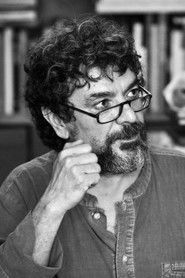 Arif AşçıArif
- Can ÖzbaturGuven
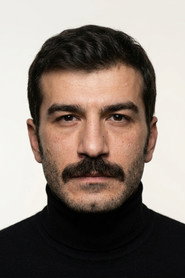 Ufuk BayraktarTaksici
 Fatma Ceylanİsa'nın Annesi
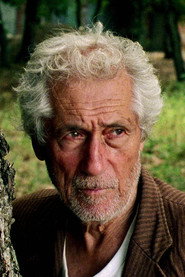 Mehmet Emin Ceylanİsa'nın Babası
- Apo DemirkubuzAktör
 Feridun KoçYönetmen
- Ceren OlcayAktris
Directing
- Nuri Bilge CeylanDirector
Writing
- Nuri Bilge CeylanWriter
Production
- Cemal NoyanCo-Producer
- Fabienne VonierCo-Producer
- Gülay RossetExecutive Producer
- Laurent ChampoussinExecutive Producer
- Nuri Bilge CeylanProducer
- Zeynep Ozbatur AtakanProducer