
Film
Sex and Lucía
- Drama
- Slow-burning
A formally inventive Spanish drama about a young woman fleeing to a Mediterranean island after her boyfriend vanishes. Writer-director Julio Medem weaves past and present into an intoxicating puzzle of memory, desire, and self-discovery. Sensual, occasionally explicit, deeply romantic but never safe. For viewers who want cinema to feel like something happening to them.
If you liked this
Mulholland Drive2001
Nabokov-like puzzle box about desire and identity in Los Angeles. Lynch mirrors Medem's interest in how memory reshapes truth, told through fractured timelines and gorgeous surfaces hiding darker currents underneath.
But Demands active interpretation rather than passive watching. Some find the non-linear structure frustrating rather than revelatory.

Y Tu Mamá También2001
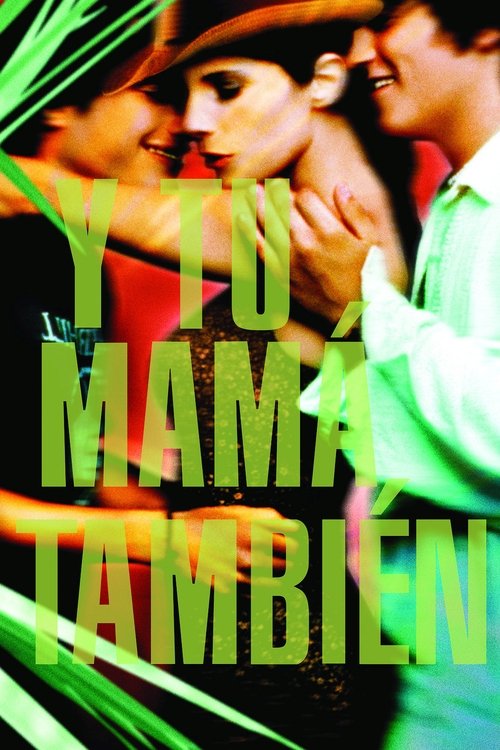
Fellow Spanish-language masterpiece released the same year. Cuarón captures the same intoxicating blend of sexual frankness, youthful intensity, and sudden emotional devastation that defines Medem's film.
But The sexual content is graphic and integral to the story, which won't be for everyone. Pacing shifts dramatically in the final act.
The Night of the Hunter1955
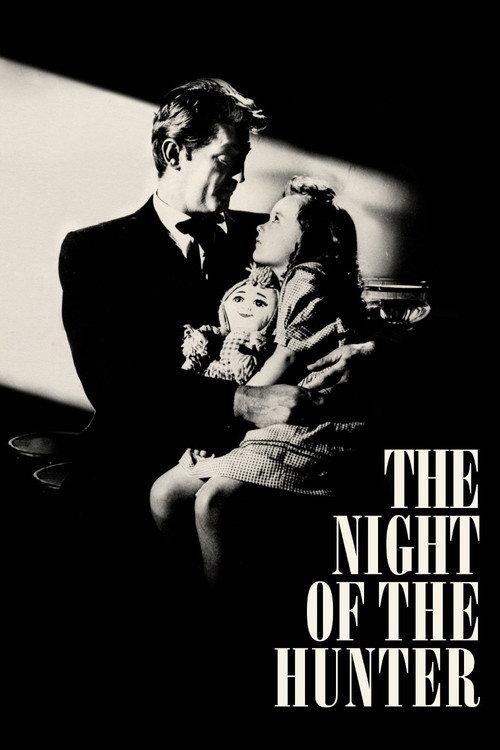
Charles Laughton's only film uses baroque visual language to explore memory and self-deception in a way that anticipates Medem. Both treat psychological breakdown as visual spectacle, not therapy-speak.
But Monochrome and expressionistic. The narrative drive is secondary to mood and composition, which will feel glacial if you're looking for plot momentum.
Not sure tonight? Get a pick in a minute, starting from Sex and Lucía
The wildcard
Something you would not have found on your own.
Synecdoche, New York2008
Both films treat the mind as a stage where past and present collapse, using visual sophistication to show how desire warps perception into unreliable narrative.
Kaufman's labyrinth about memory, performance, and the impossibility of distinguishing art from life. Like Medem, it uses fractured time and formal play to map the architecture of obsession and delusion.
But Deliberately bewildering and pessimistic. Some find the incomprehensibility rewarding; others feel it's self-indulgent abstraction.

More like this (8)
La Dolce Vita1960
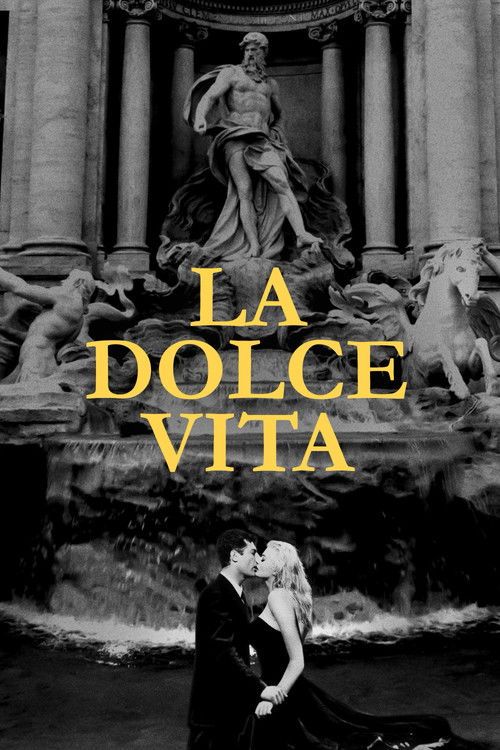
Fellini's meditation on desire, celebrity, and emptiness in a beautiful place. Like Medem, he photographs surfaces with such sensuality that their vacuousness becomes heartbreaking.
But Nearly three hours of episodic sequences with minimal conventional plot. Requires patience and surrender.
In the Mood for Love2000
Wong Kar-wai's chamber piece about two neighbours discovering their spouses' affair. Shares Medem's visual intoxication with gorgeous cinematography and fractured time to explore how desire distorts memory.
But Glacially slow. The minimal plot unfolds through repetition and visual rhyme rather than dramatic momentum.

Persona1966
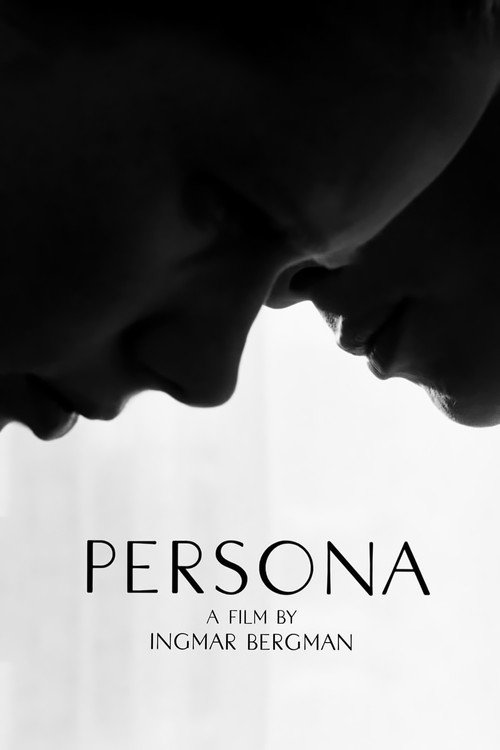
Bergman's two-hander about identity collapse and the mirrors we see in other people. The same formal restlessness as Medem—fragmented, visually acute about how consciousness works.
But Deliberately hermetic and abstract. If you need clarity and forward momentum, this will feel punishing.
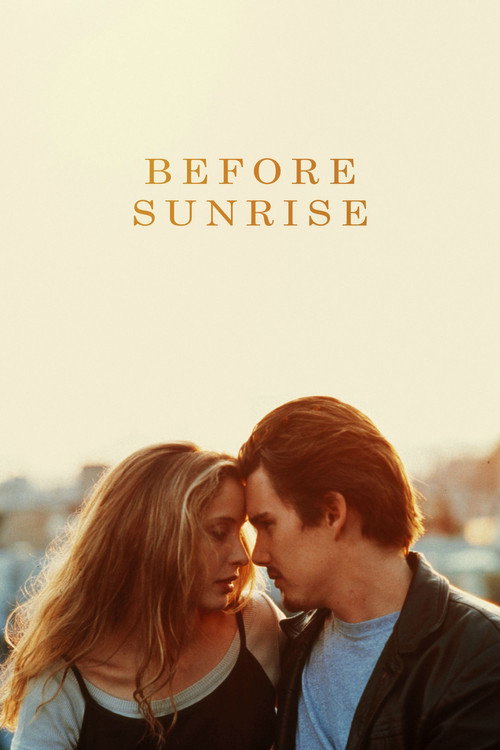
Before Sunrise1995
Linklater's long conversation between two strangers mirrors Medem's belief that desire lives in language and possibility rather than plot. Both are portraits of acute emotional vulnerability.
But One night, almost no external plot. If you need spectacle or dramatic turns, it's a close-up of a conversation.
The Skin I Live In2011
Spanish psychological thriller that shares Medem's interest in twisted memory and obsessive desire reshaping reality. Similar formal ingenuity and beautiful surfaces concealing psychological horror.
But The premise becomes troubling in ways the film doesn't fully interrogate. Some viewers find the manipulation of the audience's sympathy unethical.

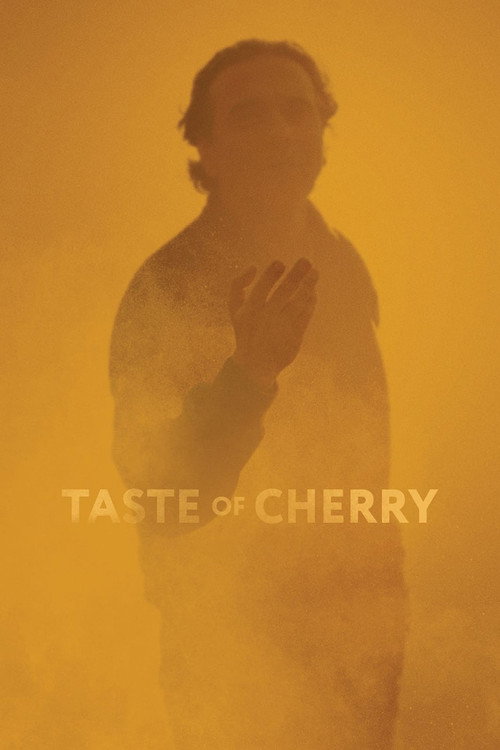
Taste of Cherry1997
Kiarostami's quiet Iranian film about a man driving through Tehran searching for someone to bury him. Like Medem, it's meditative rather than narrative; interested in solitude, mortality, and the stories we tell ourselves.
But Deceptively simple and very slow. The philosophical drift will feel aimless to those wanting dramatic resolution.
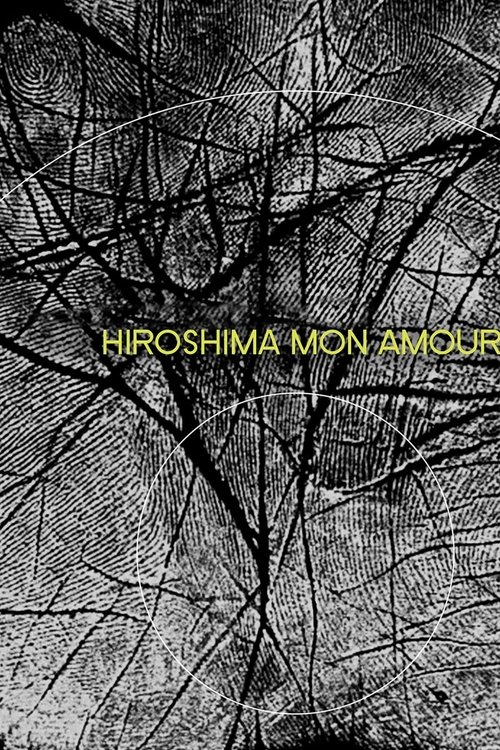
Hiroshima Mon Amour1959
Both films make the past physically present through formal innovation—jumping timelines not for suspense but to show how memory lives in the body and distorts present desire.
Resnais and Duras build an entire film from two lovers in a hotel room, layering past trauma and present passion through fragmented editing and philosophical dialogue. Prose-like cinema about how memory shapes love.
But Meditative and dense. The romantic content is secondary to formal and intellectual concerns; feels like watching someone think rather than watching a story.
A Prophet2009
Both use an isolated setting (island/prison) where the protagonist strips away false identity and confronts the truth of who they are. Both photograph surfaces with sensual intensity while exploring psychological rupture.
French prison drama that shares Medem's interest in beauty amid darkness and how institutional life forces radical self-reinvention. Gorgeously shot, sexually charged, formally bold in unexpected ways for its genre.
But Brutal violence and sexual assault are central. The beauty of the filmmaking doesn't soften the horror of what's depicted; some find that balance exploitative.

People
Cast
 Paz VegaLucía
 Tristán UlloaLorenzo
 Elena AnayaBelén
 Najwa NimriElena
 Daniel FreireCarlos/Antonio
 Silvia LlanosLuna
- Diana SuárezMadre de Belén
 Javier CámaraPepe
 Juan FernándezJefe
 María ÁlvarezNurse
- Alesandra ÁlvarezLuna (1 Year Old)
 Charo ZapardielComadrona
Directing
- Lucia CassaniAssistant Director
- Julio MedemDirector
- Txarly LlorenteFirst Assistant Director
- Almudena Martín de los SantosSecond Assistant Director
Writing
- Julio MedemScreenplay
Production
- Sara BilbatúaCasting
- Anna CassinaExecutive Producer
- Luis María ReyesExecutive Producer
- Enrique López LavigneProducer
- Fernando BovairaProducer