
Film
Museum Hours
- Drama
- Slow-burning
Museum Hours is a quietly meditative film about an unlikely friendship between a Vienna museum guard and a Canadian woman visiting her sick cousin. It moves at the pace of conversation and contemplation, letting small moments accumulate into something meaningful. For anyone who finds intimacy in art, architecture, and the company of thoughtful strangers.
Should you watch it?
Watch it if you find pleasure in slow, watchful films where small talk, city streets and long looks at paintings carry more weight than plot, and where ordinary attention feels like a kind of tenderness.
Skip it if you need a story that drives forward, since very little happens on purpose and the talk between strangers wanders in ways that can feel like waiting.
What it asks of you: Expect long unhurried takes, lots of silence, and a gentle, rambling rhythm across its 107 minutes; it wants you to settle and look rather than follow.
Not sure? Find tonight's pick in a minute.
If you liked this
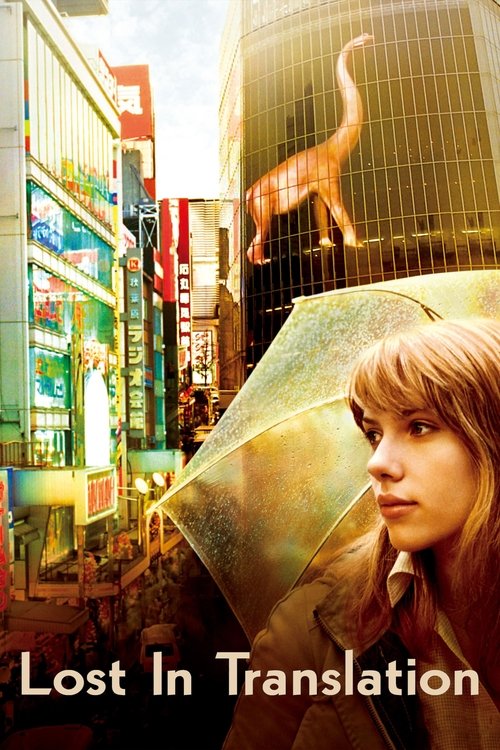
Lost in Translation2003
Sofia Coppola's portrait of two people finding unexpected solace in each other's presence across language and experience. Both films trust silence and let mood do the heavy lifting of emotional truth.
But It's deliberately paced and asks patience; if you need plot momentum or clear narrative arcs, this will feel like drift.
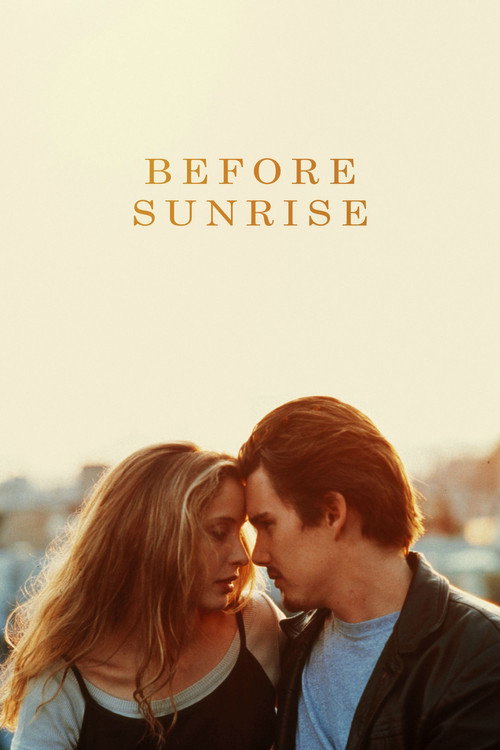
Before Sunrise1995
A film built almost entirely on conversation between two people discovering each other through talk. It shares Museum Hours' belief that watching people think and connect is inherently cinematic and affecting.
But The dialogue can feel theatrical; some find the philosophical tone precious rather than genuine. Depends entirely on your tolerance for ideas in film.
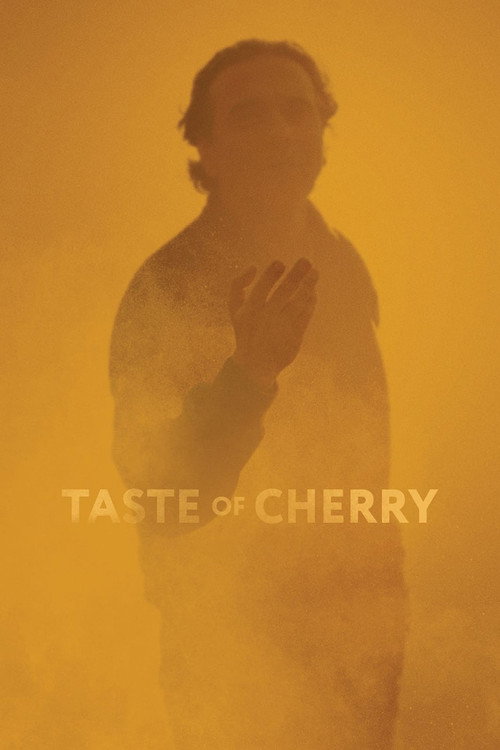
Taste of Cherry1997
Abbas Kiarostami's meditative film about a man and strangers sharing a car journey, talking about meaning and mortality. Like Museum Hours, it finds profound humanity in ordinary encounter and visual patience.
But It's Iranian cinema and operates on a very different narrative logic; Western audiences often find it slow or emotionally distant at first.
Not sure tonight? Get a pick in a minute, starting from Museum Hours
The wildcard
Something you would not have found on your own.
Synecdoche, New York2008
Both are about the philosophy of looking and being present in constructed spaces—museums, art, buildings—as a way to understand the self.
Charlie Kaufman's labyrinthine film about a theater director building a replica of New York inside a warehouse. Like Museum Hours, it's obsessed with how art and spaces contain emotional truth, and how we move through them seeking meaning. Both are fundamentally about attention.
But It's aggressively meta and narratively fractured; many viewers find it exhausting rather than illuminating. Requires genuine curiosity about formal experiment.

More like this (8)
Stalker1979
Andrei Tarkovsky's sci-fi meditation on desire, meaning, and the spaces we inhabit. Both films use location—museum, landscape—as a character that shapes how we think and feel.
But Nearly three hours of philosophical science fiction with minimal plot. Demands active attention; boredom is a real possibility if you're not in the mood.

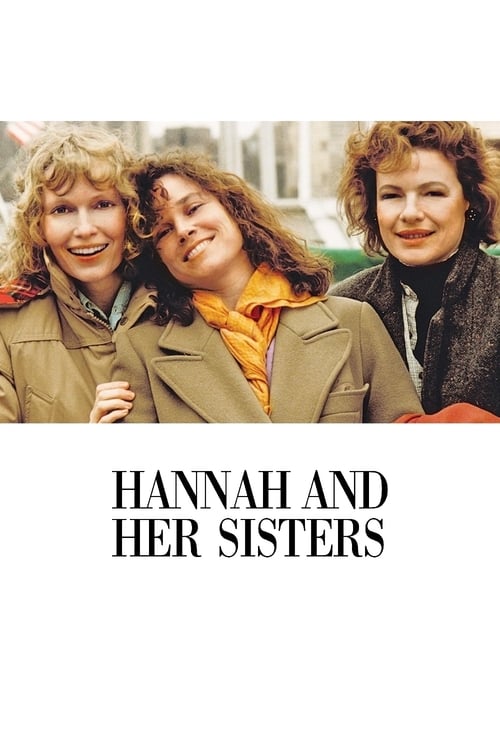
Hannah and Her Sisters1986
Woody Allen's ensemble film about art, mortality, relationships, and the passages of time. It has Museum Hours' gentle wisdom about how we find meaning through culture and connection.
But Allen's neurotic Manhattan sensibility is very much present; if you find his voice grating or self-indulgent, this won't convert you.
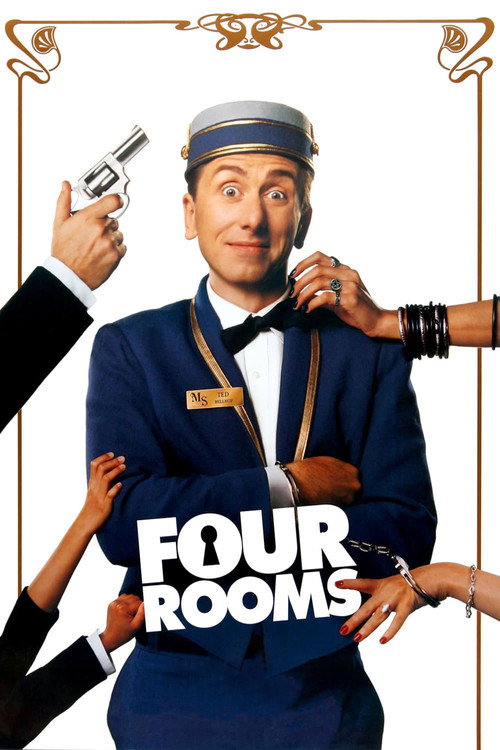
Four Rooms1995
Wim Wenders' documentary about encounters in a Berlin hotel. It shares the essayistic, observational quality of Museum Hours—the idea that human conversation and presence are enough.
But It's a documentary without narrative drive or clear subject; purely about watching people exist and talk. Very demands-based filmmaking.
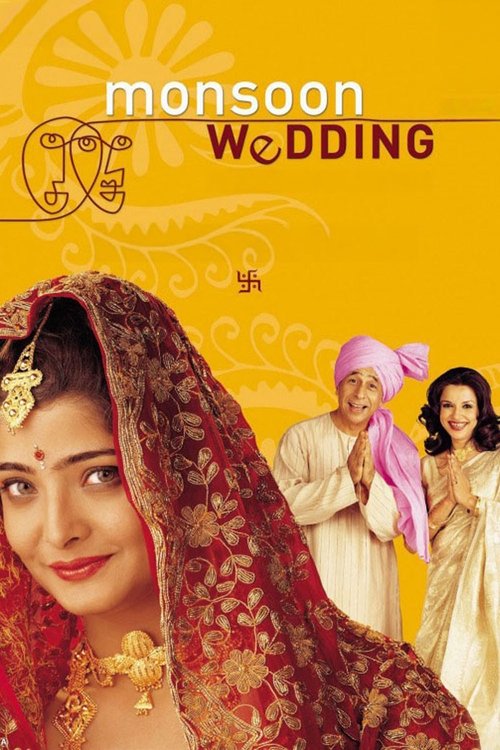
Monsoon Wedding2001
Mira Nair's warm, digressive film about family and connection. Though far more colorful and social than Museum Hours, it shares the faith that small human moments matter deeply.
But The tonal shifts can feel uneven; it moves between comedy, romance, and darker material in ways that don't always cohere smoothly.
The Turin Horse2011
Béla Tarr's final film, starring the horse that appeared in Nietzsche's breakdown. It's meditative, austere, and profoundly concerned with how we find meaning in repetition and presence.
But It's bleak, monochromatic, and circular. Most people find it beautiful; some find it punishing. No middle ground exists.

Jeanne Dielman, 23, quai du Commerce, 1080 Bruxelles1976
Chantal Akerman's three-hour observation of a woman's domestic routine. It's a radical act of cinema that finds profound meaning in simply watching someone exist and work through daily life.
But It's experimental and demands total reorientation of what cinema can do. Expecting plot or traditional drama will ensure misery.

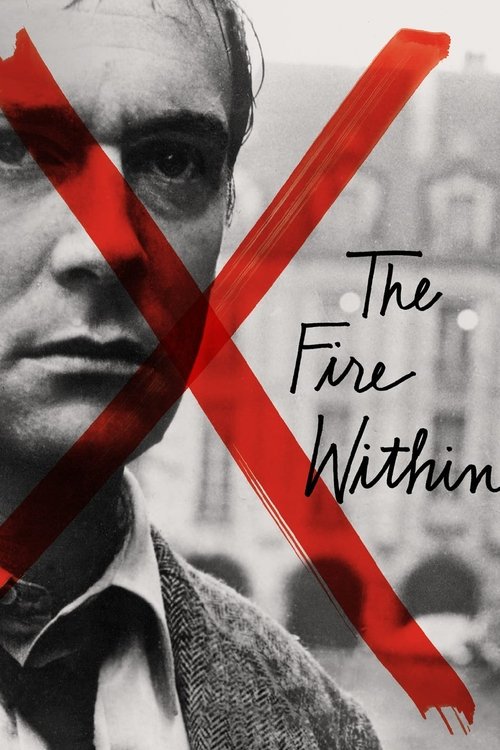
The Fire Within1963
Both use a city (Vienna, Paris) and encounters with strangers or distant friends as the texture of an inner emotional life. Both suggest that presence and attention are how we resist despair.
Louis Malle's devastating portrait of a man spending his last days visiting old friends in Paris, drifting through the city's streets and cafes. It shares Museum Hours' observational tenderness and belief that small encounters with beauty and people matter, especially when time is running short.
But It's a suicide film. Not ambiguously—it moves toward a predetermined tragic end. Harrowing rather than contemplative, despite its quiet style.
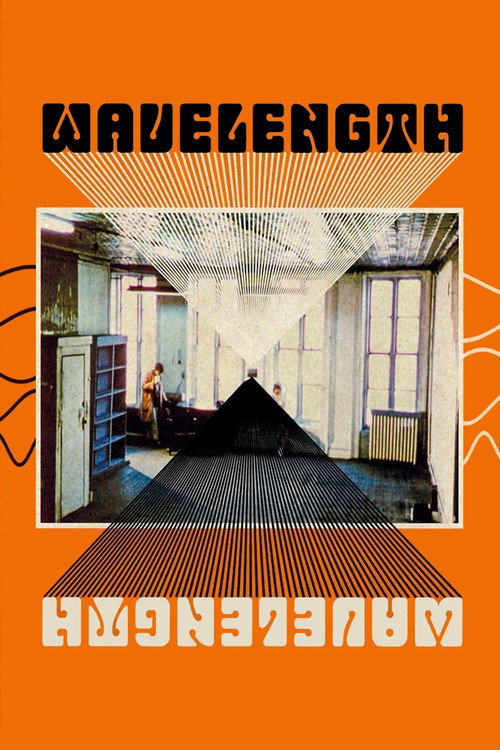
Wavelength1967
Both are about the phenomenology of viewing—how we perceive space and time, and what happens when cinema slows down enough to let us truly see.
Michael Snow's avant-garde 45-minute single-shot zoom across a New York loft. Radically experimental, yet deeply moving—it's a meditation on time, perception, and the act of looking itself that makes Museum Hours' quietness feel like an action film by comparison.
But It's essentially a single camera movement. If you expect narrative or conventional cinema, you'll find it unbearable. Requires openness to art film's most demanding experiments.
People
Cast
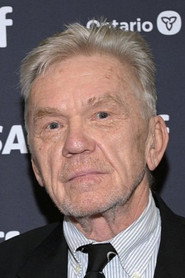 Bobby SommerJohann
- Ela PiplitsGerda Pachner
- Marcus O'HaraBruegel Tour Group
- Deborah GzeshBruegel Tour Group
- Marco CalamitaBruegel Tour Group
- Nina CalamitaBruegel Tour Group
- Sigrid MölgBruegel Tour Group
- Evelyne EgererBruegel Tour Group
- Gerda HartlMuseum Visitor
- Ivo HunekMuseum Visitor
- Anna Maria InnerhoferMuseum Visitor
Directing
- Jem CohenDirector
Writing
- Natalie LettnerDialogue
- Jem CohenWriter
Production
- Guy PicciottoExecutive Producer
- Patti SmithExecutive Producer
- Gabriele KranzelbinderProducer
- Jem CohenProducer
- Paolo CalamitaProducer