
Film
Ex Libris: The New York Public Library
Frederick Wiseman's epic portrait of the New York Public Library as a living, evolving institution. Across three hours, he observes readers, staff, patrons, and celebrated visitors navigating the library's transformation in the digital age. It's a love letter to public knowledge, community access, and the people who work to preserve both—thoughtful, unhurried, and deeply moving.
If you liked this
Grey Gardens1976
A foundational Wiseman documentary of intimate observation and unflinching human complexity. Shows his distinctive style—long, uncut scenes that reveal character through mundane moments. Essential viewing to understand what makes Ex Libris work.
But Even by Wiseman's standards, it's slow and deliberately paced. The subjects are deliberately eccentric, which some find exploitative in retrospect.
The Social Network2010
A propulsive counter-narrative about how the digital revolution displaced institutions like libraries. Sorkin's crackling dialogue and Fincher's direction make it compulsive viewing, and it's the perfect ideological partner to Ex Libris.
But It's a fiction shaped by Sorkin's prejudices. The portrait of Zuckerberg and early Facebook culture is seductive but incomplete.
The Salt of the Earth2014
A deeply felt documentary about public life, legacy, and how one person shapes culture across decades. Like Ex Libris, it believes in the weight of human presence and institutional memory.
But It's reverential in a way some find cloying. The subject—photographer Sebastião Salgado—is treated with almost saintly earnestness.
Not sure tonight? Get a pick in a minute, starting from Ex Libris: The New York Public Library
The wildcard
Something you would not have found on your own.
49 Up2006
Both work with time as their fundamental subject—institutions and people as processes, not finished objects. Both trust observation over judgment.
Michael Apted's astonishing longitudinal study of the same British children across fifty years. Like Ex Libris, it's about time, memory, institution (British society itself), and how human beings persist and change. Documentary as archaeology.
But You must commit to seven films across decades, and some episodes are more compelling than others. It's a lifetime project masquerading as a series.
More like this (6)
The Act of Killing2012
A radical documentary that makes its audience witnesses and participants. It forces you to sit with uncomfortable truths and human contradictions in ways that stay with you long after.
But It documents real violence and contains scenes of profound moral horror. Not an evening watch; it requires recovery time.

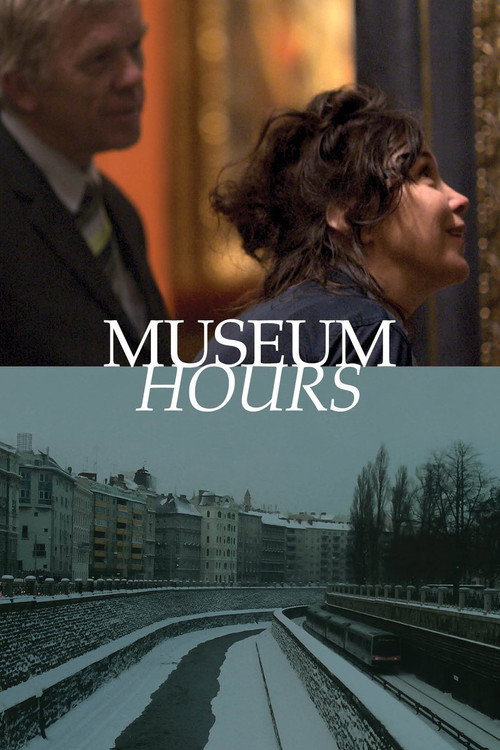
Museum Hours2012
A fiction film that captures the contemplative mood of Ex Libris perfectly. It's about a guard at an art museum, time, beauty, and what it means to tend to cultural spaces. Unexpectedly moving.
But Almost nothing happens in the conventional sense. If you need plot momentum or dramatic incident, you'll struggle.
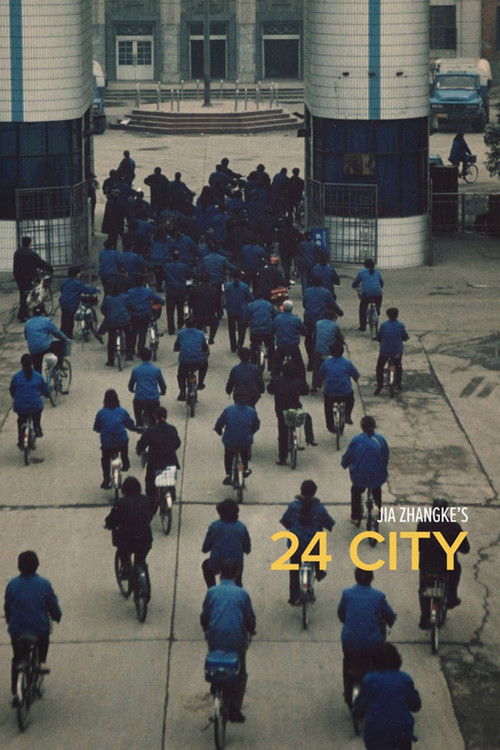
24 City2008
Jia Zhangke's hybrid documentary-fiction about a Beijing factory becoming a residential complex. It shares Ex Libris's fascination with institutions as repositories of memory and community.
But It's formally experimental in ways that demand active interpretation. The blend of documentary and staged material can feel deliberately obscure.
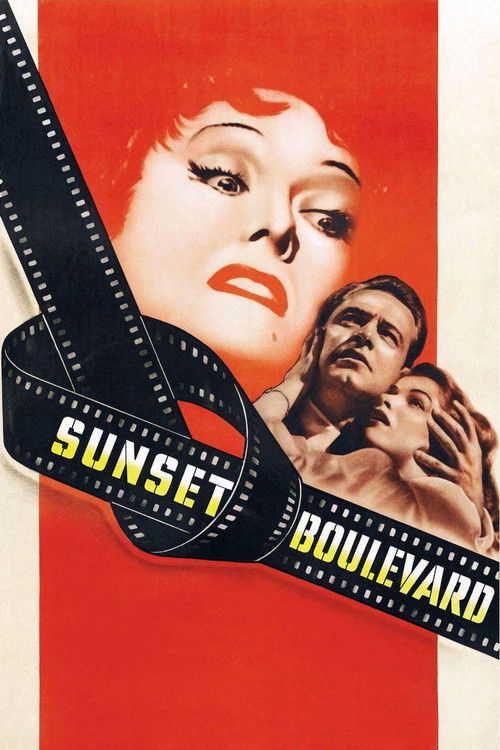
Sunset Boulevard1950
Billy Wilder's savage portrait of an institution—Hollywood—eating its own. It's a companion piece to Ex Libris's gentler meditation on how institutions survive by changing.
But It's a tragedy with cruel edges. The mood is cynicism and decay, which feels distant from Wiseman's humanism.
The Best Years of Our Lives1946
An American epic about returning to civic life after war. It believes deeply in institutions, community, and the slow work of rebuilding. A moral ancestor to Wiseman's vision.
But At three and a half hours, it's an investment. Some of the sentimentality feels dated now.

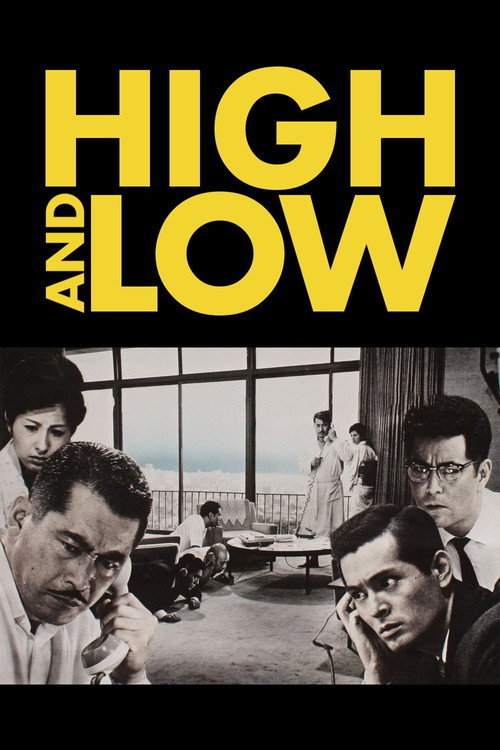
High and Low1963
Both are about how institutions—libraries, police, society itself—reveal character under pressure. Both trust the camera to see moral truth.
Kurosawa's masterpiece about class, institutional corruption, and the architecture of Japanese society. Like Wiseman, he finds philosophy in close observation of how systems really work. Visually and morally stunning.
But It's long, formally rigorous, and about crime and suffering. The mood is austere, not warm, and it doesn't offer easy comfort.
People
Cast
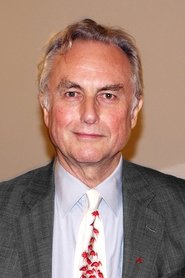 Richard DawkinsSelf
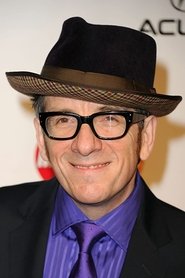 Elvis CostelloSelf
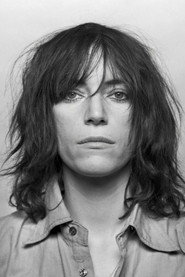 Patti SmithSelf
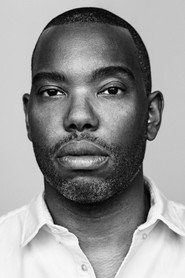 Ta-Nehisi CoatesSelf
- Edmund de WaalSelf
Directing
- Frederick WisemanDirector
Writing
- Frederick WisemanWriter
Production
- Karen KonicekExecutive Producer
- Frederick WisemanProducer