
Film
Time Indefinite
- Drama
- Slow-burning
Ross McElwee's personal documentary about grief, mortality, and the weight of accumulating loss. Shot with his characteristic wandering camera and conversational narration, it's tender and searching rather than polished—a filmmaker working through devastation by talking to people he loves. For anyone who's faced sudden death or wondered how to keep living after everything changes.
Should you watch it?
Watch it if you like personal documentaries that wander off the subject and let the filmmaker's own life, wry self-scrutiny and chance encounters carry the whole film.
Skip it if you want a tidy story with a clear arc, since this drifts, circles back and sometimes feels more like a diary than a film built to a point.
What it asks of you: Nearly two hours at an unhurried pace, mostly interviews, voiceover and wandering footage, with dry humor surfacing now and then amid long stretches of reflection.
Not sure? Find tonight's pick in a minute.
If you liked this
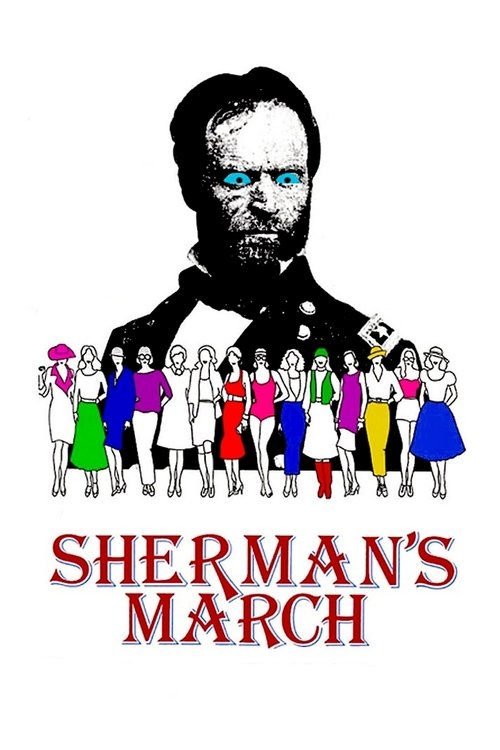
Sherman's March1986
McElwee's earlier masterpiece about searching for love across the American South, shot in the same intimate diary style. If you connect with his voice in Time Indefinite, this is essential—funny, digressive, deeply human.
But It's structurally loose and very long (2 hours 35 minutes), and the romantic quest can feel indulgent if you're not already charmed by McElwee's rambling method.
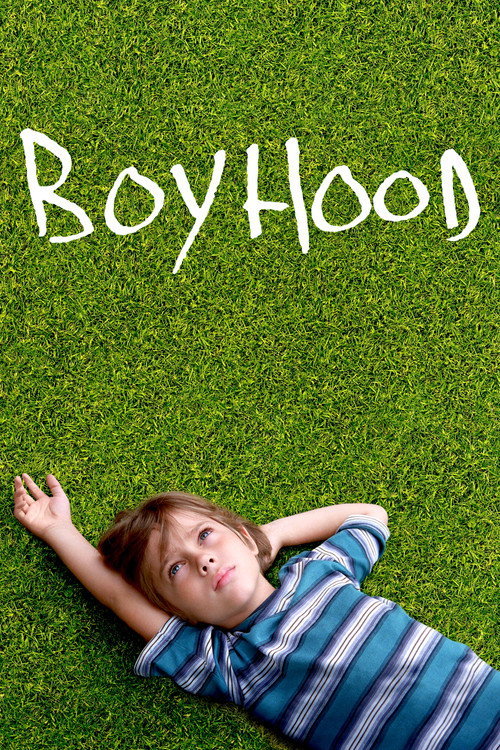
Boyhood2014
Richard Linklater's 12-year chronicle of a boy growing up, filmed in fragments across years. It captures the same sense of time's weight and change that McElwee pursues—the poetry of ordinary life lived forward.
But Some find the lack of plot frustrating. It requires patience and a willingness to sit with small moments rather than narrative arcs.
Man with a Movie Camera1929
Dziga Vertov's silent documentary poem about everyday urban life. Formally revolutionary and visually intoxicating, it shares McElwee's fascination with cinema as a way to examine existence itself.
But Purely visual, very fast-paced, and almost a century old. The editing can feel chaotic if you're expecting narrative or explanation.

Not sure tonight? Get a pick in a minute, starting from Time Indefinite
The wildcard
Something you would not have found on your own.
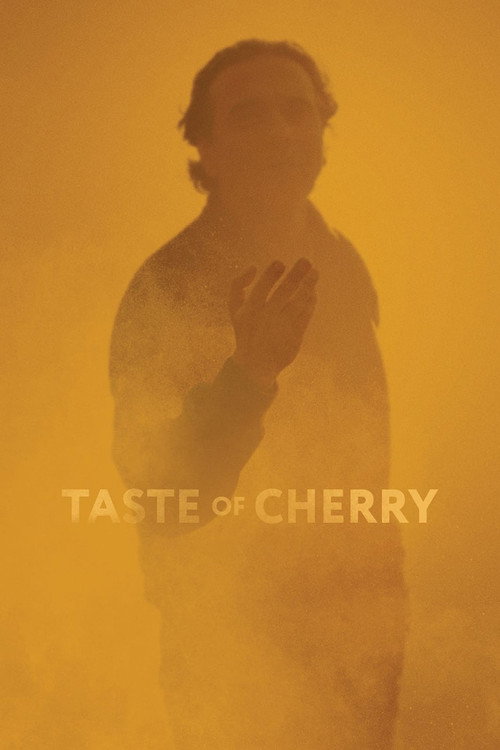
Taste of Cherry1997
Both films locate philosophy in conversation. McElwee and Kiarostami believe that talking to people—really listening—can shift the weight of existence. Both resist easy answers about how to survive grief and doubt.
Abbas Kiarostami's Iranian masterpiece is a quiet film about a man considering suicide and the strangers he picks up for conversation. It's formally austere—mostly a car driving through landscape—but morally and spiritually urgent, searching for reasons to live.
But Deliberately slow and meditative to the point of opacity. Little happens in the conventional sense, and the ending is ambiguous in ways some find frustrating or gimmicky.
More like this (5)
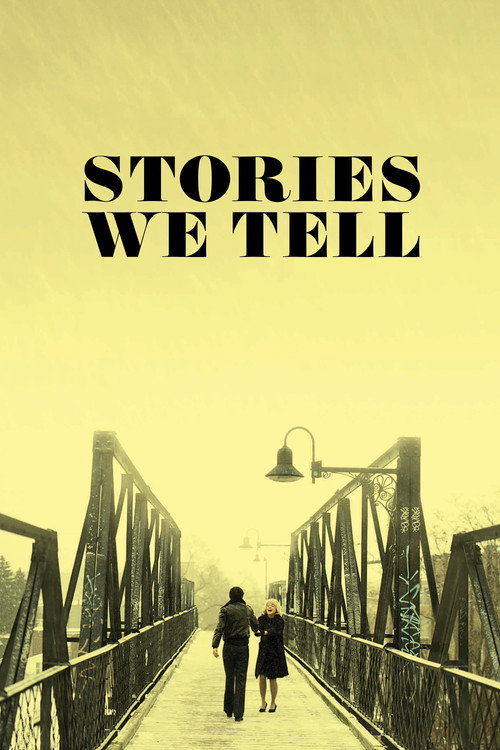
Stories We Tell2012
Michael Haneke's daughter Sarah makes a documentary about her mother's affair, using home video, interviews, and reconstructions. It's deeply personal, formally inventive, and asks how we construct truth from fragments and memory.
But The family subject matter is raw and sometimes claustrophobic. It requires emotional investment and accepts ambiguity over closure.
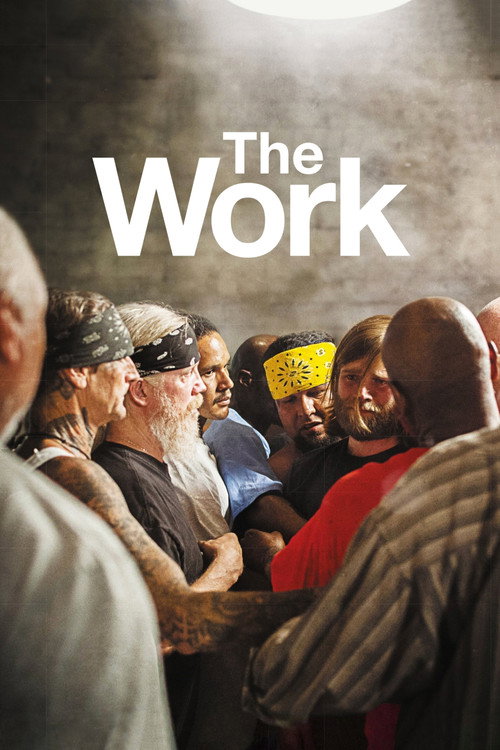
The Work2017
A raw look inside a prison therapy group where inmates confront their trauma and each other. It's unflinching about pain and vulnerability, and it genuinely moves toward healing—like McElwee, it trusts conversation to hold weight.
But It's emotionally exhausting and graphic about violence and suffering. The documentary doesn't soften its subjects or the cost of their past actions.
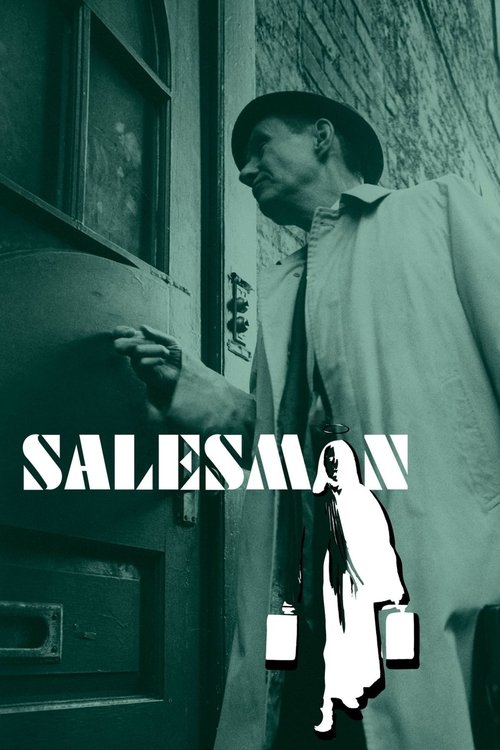
Salesman1969
Albert and David Maysles follow door-to-door Bible salesmen with clinical precision and unexpected empathy. It's observational cinema at its finest—watching people struggle, fail, and persist with dignity.
But It's deliberately unsentimental and can feel distancing. There's no narrator to guide you, just the quiet sting of watching ambition meet reality.
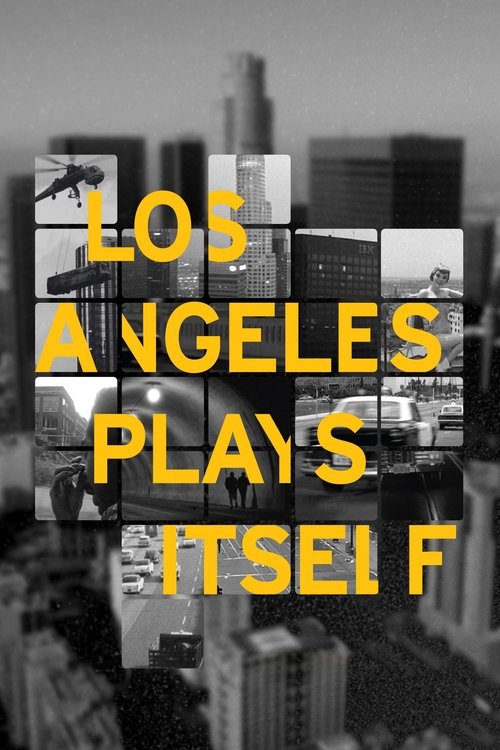
Los Angeles Plays Itself2004
Thom Andersen's three-hour essay on how cinema has depicted LA, mixing clips with philosophical narration. It's a film about cinema, history, and urban decay—intellectually rigorous but also deeply felt.
But It's dense and demanding, requires film literacy, and the essay format can feel academic. At nearly two hours of voiceover and montage, it's not a casual watch.
A Ghost Story2017
Both films wrestle with death as presence rather than absence—the way the dead stay with us, the way grief warps time, the way we search for meaning in a universe that offers none. Both trust visual language and silence to say what words cannot.
David Lowery's strange, affecting film about a dead man watching his living wife from a corner of their house, shrouded in a white sheet. It's a meditation on time, loss, and what haunts us—formally audacious, genuinely moving, and unlike anything else.
But The premise sounds gimmicky, the pacing is glacial, and there's a 5-minute monologue about entropy and human insignificance that could derail you entirely if you're not in the right headspace.

People
Cast
- Steve AscherHimself
- Michael BlumenthalHimself
 Robert GardnerHimself
- Natalie HawleyHerself
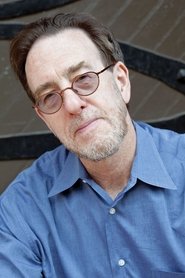 Ross McElweeHimself
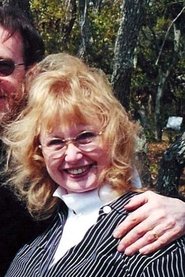 Charleen SwanseaHerself
- Marilyn LevineHerself
- Dede McElweeHerself
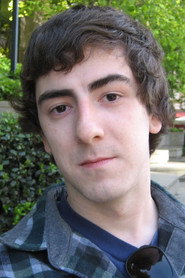 Adrian McElweeHimself
- John McElweeHimself
- Ross McElwee Jr.Himself
Directing
- Ross McElweeDirector
Writing
- Ross McElweeWriter