
Film
Ten
Ten is a formal experiment disguised as street cinema. A woman drives through Tehran, picking up hitchhikers and strangers; Kiarostami films ten conversations with minimal camera movement, no plot, just voices and faces revealing class, faith, loneliness and defiance. It's hypnotic and confrontational—a portrait of a city and its moral texture. Essential filmmaking.
If you liked this
A Prophet2009
Haneke-level precision about institutional power and moral compromise, built entirely from small interactions. Every scene earns its weight; nothing is wasted on spectacle. Utterly gripping.
But It's French, it's slow, and the first hour is relentlessly bleak. If you need plot momentum or uplift, this will feel like punishment.

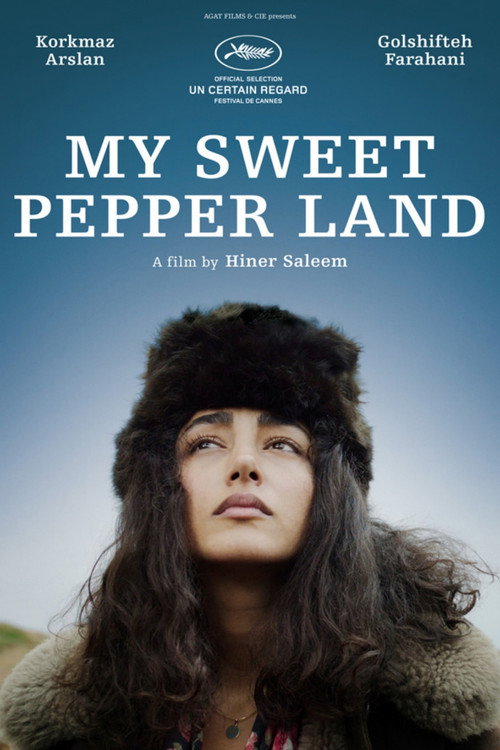
My Sweet Pepper Land2014
Kurdish cinema, female-centred, formally controlled: a woman police officer enforces law in rural territory while her own life fractures. Like Ten, it finds drama in constraint and quiet refusal.
But Very slow. Very sad. The political context requires some homework to fully land, and the pacing will lose anyone hunting for conventional narrative.
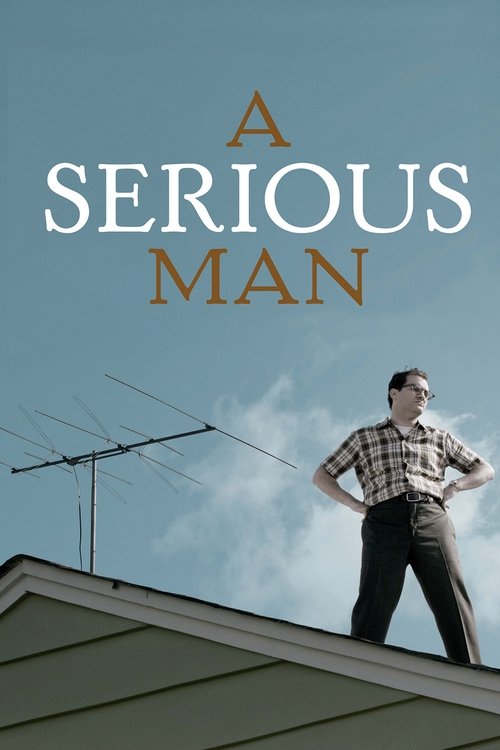
A Serious Man2009
Coen Brothers doing Kiarostami: a man encounters strangers and authority figures who reflect his crisis back at him. Darkly funny, formally precise, morally complex. Every scene contains a complete world.
But The humour is cruel and oblique. The ending refuses catharsis. If you want your protagonist to learn and grow, you'll be disappointed.
Not sure tonight? Get a pick in a minute, starting from Ten
The wildcard
Something you would not have found on your own.
Tokyo Story1953
Structural DNA: both films are conversations and moments of quiet, filmed with minimal camera movement, building a portrait of a place through accumulated small encounters rather than plot.
Ozu: not a plot, but an elderly couple's visit to their son in Tokyo, filmed in still frames, with long periods of empty rooms. Sound familiar? Ten is Ozu remade in Tehran, fifty years later. Essential viewing to see the lineage.
But 1953 Japanese cinema means silence, stillness, and zero dramatic movement. The emotional power lives in the spaces between words. If you need music or action, this will feel like watching furniture.

More like this (7)
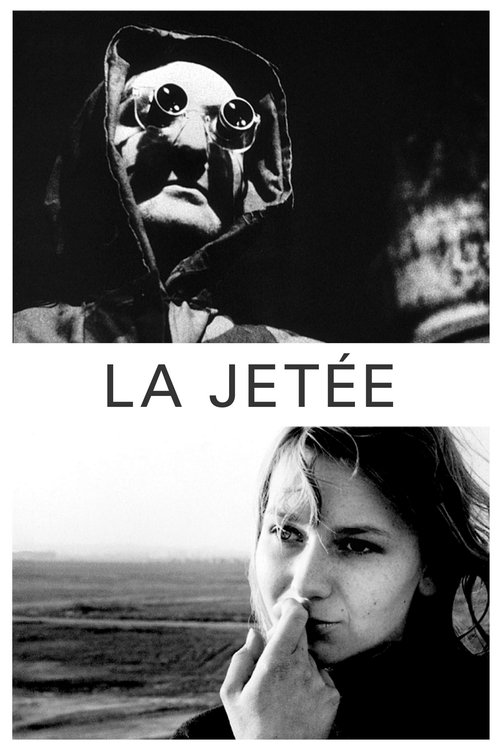
La Jetée1962
Experimental cinema that somehow devastates you emotionally. Shot almost entirely in still photographs with voiceover, it invents a grammar for cinema that feels entirely new. Thirty minutes of pure idea.
But If still images instead of motion make you restless, or if you need conventional narrative, this will feel like homework. The voice-over is hypnotic but demands patience.
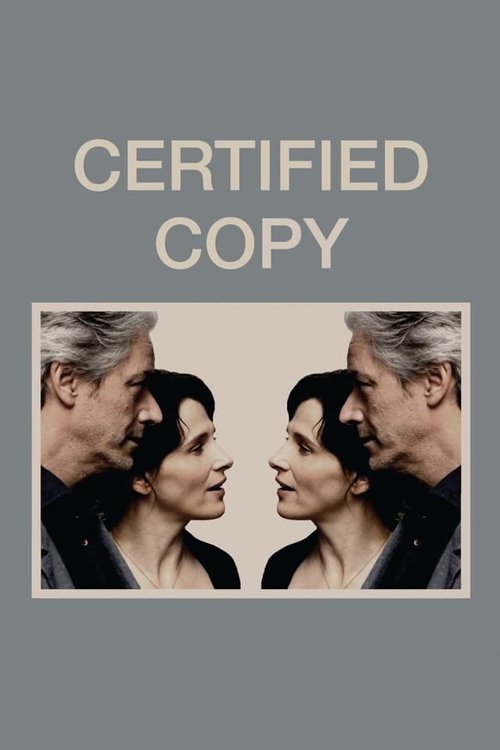
Certified Copy2010
Another Kiarostami film: a long conversation between two people in Italy that slowly reveals how little we understand each other. Formally daring, philosophically rich, thrillingly strange.
But The entire film is conversation and gesture. No plot, no external action. If you see Ten and want to explore Kiarostami further, this is the one—but it's not easier.
Winter Light1963
Bergman at his most austere: a pastor encounters parishioners in crisis and finds his own faith collapsing. Close-ups of faces, dialogue that cuts to bone, light as theology. Formally and morally severe.
But Seventy minutes of spiritual desolation. Bleak, monochrome, glacially paced. No warmth, no resolution. It's a masterpiece designed to unsettle, not comfort.

Stalker1979
Tarkovsky's film about a journey toward a room where desires are revealed. Shot like a documentary of the soul, formally hypnotic. Each frame could be a painting; every scene respects your intelligence.
But 163 minutes. Three long sequences separated by silence. If you need plot momentum or conventional beauty, this will feel like an endurance test, not cinema.

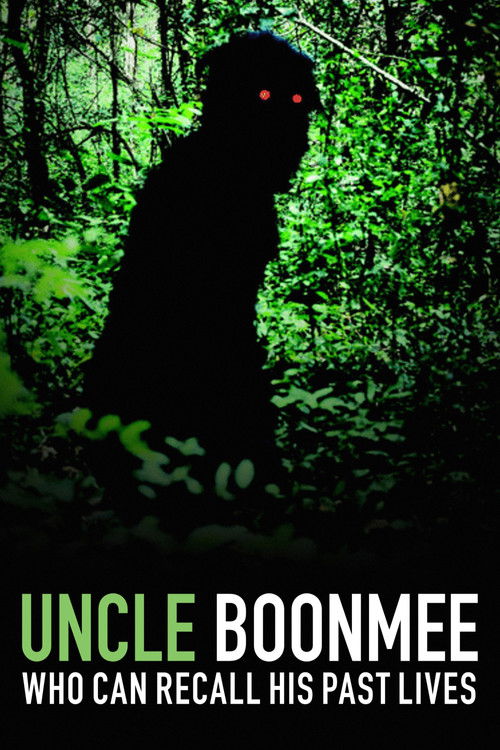
Uncle Boonmee Who Can Recall His Past Lives2010
Thai cinema of immense formal control: a dying man receives visitors, living and dead. Long static takes, minimal dialogue, maximum presence. Cinema as meditation on time, memory, and what persists.
But Nothing happens. No music, no dramatic arc, no payoff. Pure observation. The pacing is genuinely glacial, and many viewers will find it boring rather than contemplative.
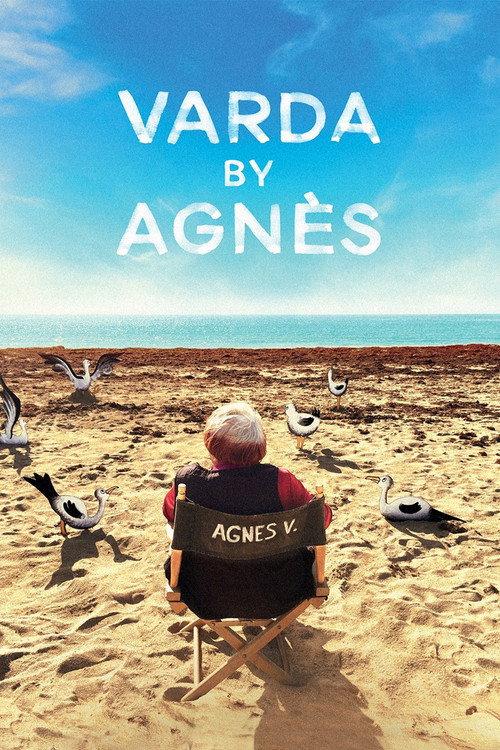
Varda by Agnès2019
Both abandon conventional dramatic structure to centre the human voice and face as enough. Both use restriction (Varda's static camera, Ten's car) as a tool for depth rather than limitation.
Documentary as pure essay: Agnès Varda talks directly to camera about cinema, memory, mortality, and collecting scraps. She's 89, brilliant, wry, utterly herself. Like Ten, it trusts speech and presence over spectacle.
But It's a lecture, essentially. An elderly woman talking on camera. No narrative, no drama, no music. Pure voice. If you need visual variety or plot, you'll be watching someone's home videos.
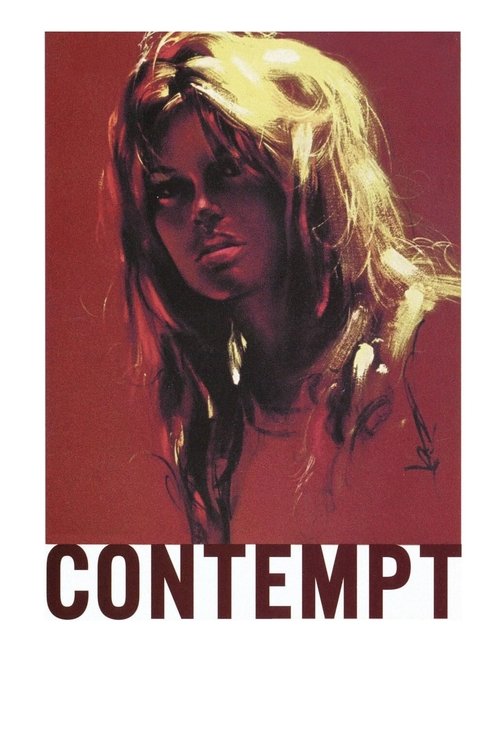
Contempt1963
Both are essentially about watching people in spaces, stripping away plot to examine what a camera can reveal about being human. Both respect silence and stillness as dramatic tools.
Godard's film about a marriage dying in real time, shot in long takes and bright colours on Capri. It's also about cinema itself—what we watch, why we watch, what we miss. Formally revolutionary and emotionally devastating.
But It's a Godard film about filmmaking made in 1963, which means it's self-conscious, sometimes cold, and contains real stretches of visual philosophy that feel like they're about cinema rather than people.
People
Cast
 Mania AkbariDriver
 Amina MaherAmin
- Roya ArabshahiProstitute
Directing
- Abbas KiarostamiDirector
Production
- Marin KarmitzProducer