
Film
Summer with Monika
Ingmar Bergman's stunning 1953 debut follows a young couple who abandon their ordinary lives for a summer of freedom on Stockholm's archipelago. It's tender and erotic, visually radiant, capturing the intoxicating rush of first love and its inevitable collision with reality. For anyone moved by youthful passion, beauty, and the price of growing up.
Should you watch it?
Watch it if you respond to restless, sun-warmed realism that lets a young couple's impulsiveness feel both thrilling and risky, and you don't need the story to be tidy.
Skip it if you need brisk plotting or a light touch; this is a slow, sometimes sulky portrait where long stretches drift on mood alone.
What it asks of you: Ninety-eight minutes, shot in black and white, with patient scenes that let silence and a summer's heat do much of the work.
Not sure? Find tonight's pick in a minute.
If you liked this
A Place in the Sun1951
Montgomery Clift and Elizabeth Taylor in a doomed love story across class lines. Like Monika, it's gorgeously shot, morally ambiguous, and ends where it must—not where you want it to.
But The pacing is deliberate; if you need constant plot momentum, it will feel slow.

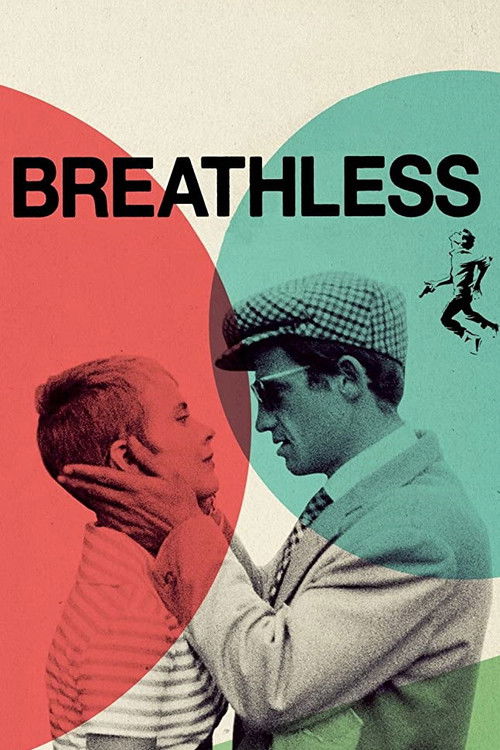
Breathless1960
Godard's reckless lovers on the run, capturing that same intoxication with freedom and each other. Formally inventive in ways that feel like watching the rules of cinema get rewritten.
But The jump cuts and self-conscious style will alienate you if you prefer classical narrative flow.
The Seventh Seal1957
Another Bergman masterpiece, equally haunted by mortality and meaning. If Monika moved you, this will devastate you—it's his most philosophically ambitious work.
But It's bleak and abstract in ways that can feel pretentious if you're not ready for existential dread.

Not sure tonight? Get a pick in a minute, starting from Summer with Monika
The wildcard
Something you would not have found on your own.
Godfather of Harlem2019
Both center a protagonist whose summer of freedom—literal or metaphorical—closes into a harder life, and both refuse to pretend that choice absolves consequences.
A limited series that does something Monika only hints at: explores what happens when a young woman chooses her own path and must live with that choice. Dramatically opposed in setting and tone, but structurally obsessed with the same questions about agency and consequence.
But It's violent, contemporary, and deeply American; the tonal and temporal distance from Bergman is vast.

More like this (8)
La Strada1954
Fellini's portrait of a woman trapped in a brutal relationship, beautifully shot and genuinely heartbreaking. Like Monika, it's about the gap between romantic fantasy and harsh reality.
But The masculinity on display is ugly and unresolved; some will find it hard to sit with.

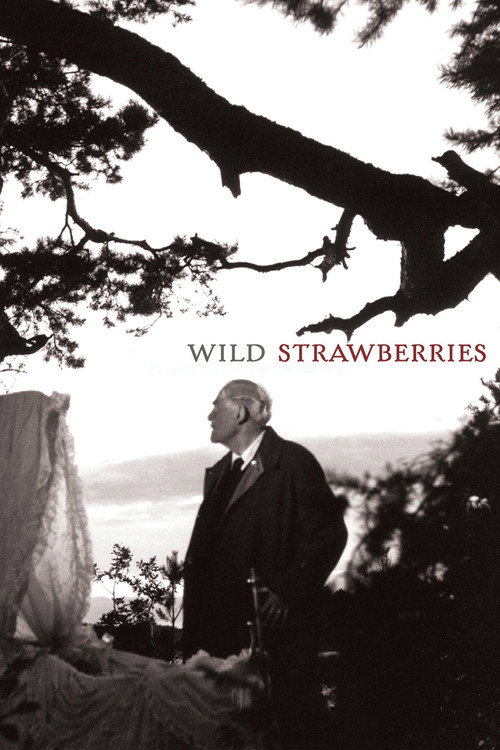
Wild Strawberries1957
Bergman again, this time looking backward at a life. More philosophical than Monika, but shares its visual poetry and its meditation on time, love, and what we lose.
But It's more cerebral than sensual; if you want feeling over thinking, you'll chafe.
Hiroshima Mon Amour1959
Resnais on two lovers meeting after the war, grappling with memory and desire. Structurally daring and emotionally raw—it captures that same sense of time running out.
But It's formally experimental and non-linear; conventional narrative is not the point here.
Vivre Sa Vie1962
Godard following a woman's unraveling across Paris, shot in crisp black and white. Like Monika, it's about a woman's agency and survival in a world that doesn't protect her.
But It's essayistic and philosophical rather than emotionally direct; distance is built in.

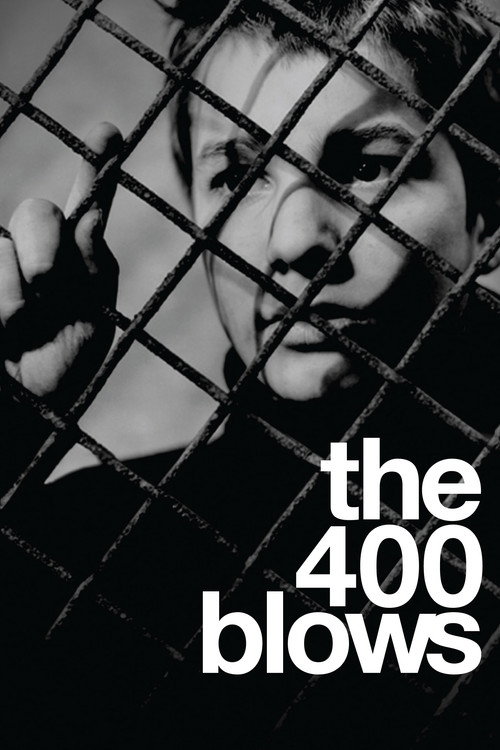
The 400 Blows1959
Truffaut's debut about a boy adrift. Not a love story, but it captures that same ache of youth, freedom, and the moment childhood ends—Monika's mirror image.
But It's about a child rather than lovers; the emotional register is more melancholic than romantic.
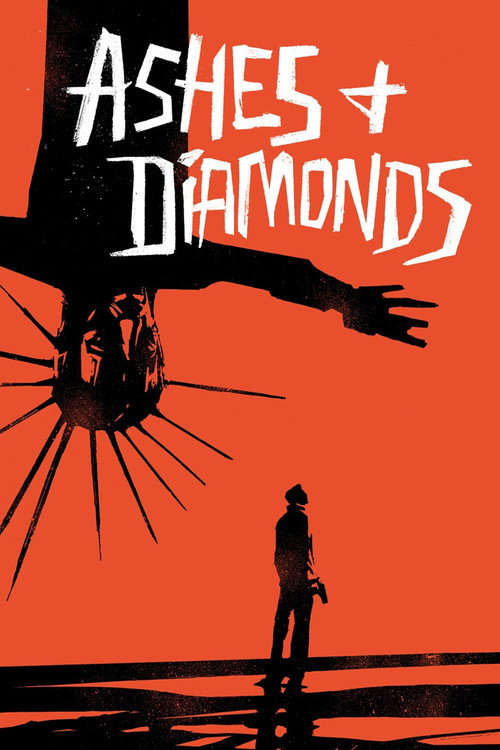
Ashes and Diamonds1958
Wajda's Polish masterpiece: young love against the backdrop of war and ideology. Visually ravishing, morally complex, it asks what love costs when history is pulling you apart.
But The historical context is essential; you'll need to lean in and pay attention to the political layers.
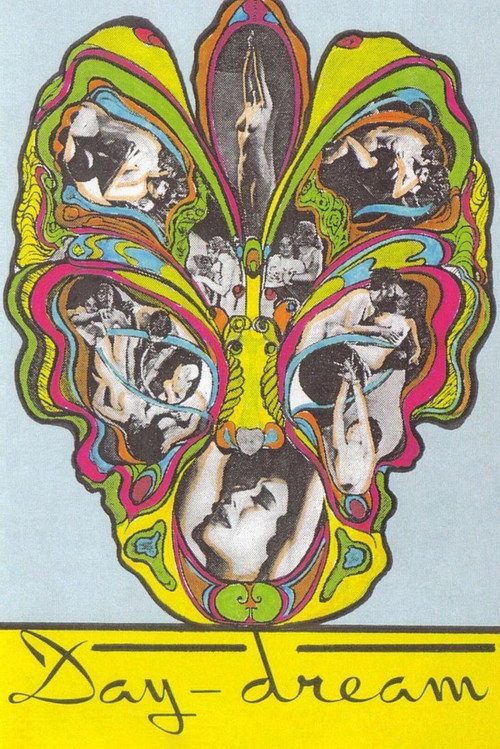
Daydream1964
Both are studies of female desire and autonomy shot in dazzling natural light, both make their heroines' interiority visible through framing and editing rather than dialogue.
Kawashima's Japanese feature is a quieter film about a young woman's interior life and desire. Silent for stretches, visually hypnotic, it's about the same summer-light yearning as Monika but filtered through a completely different culture and aesthetic.
But The pacing is glacial; if you need plot or dialogue to stay engaged, you will lose patience.
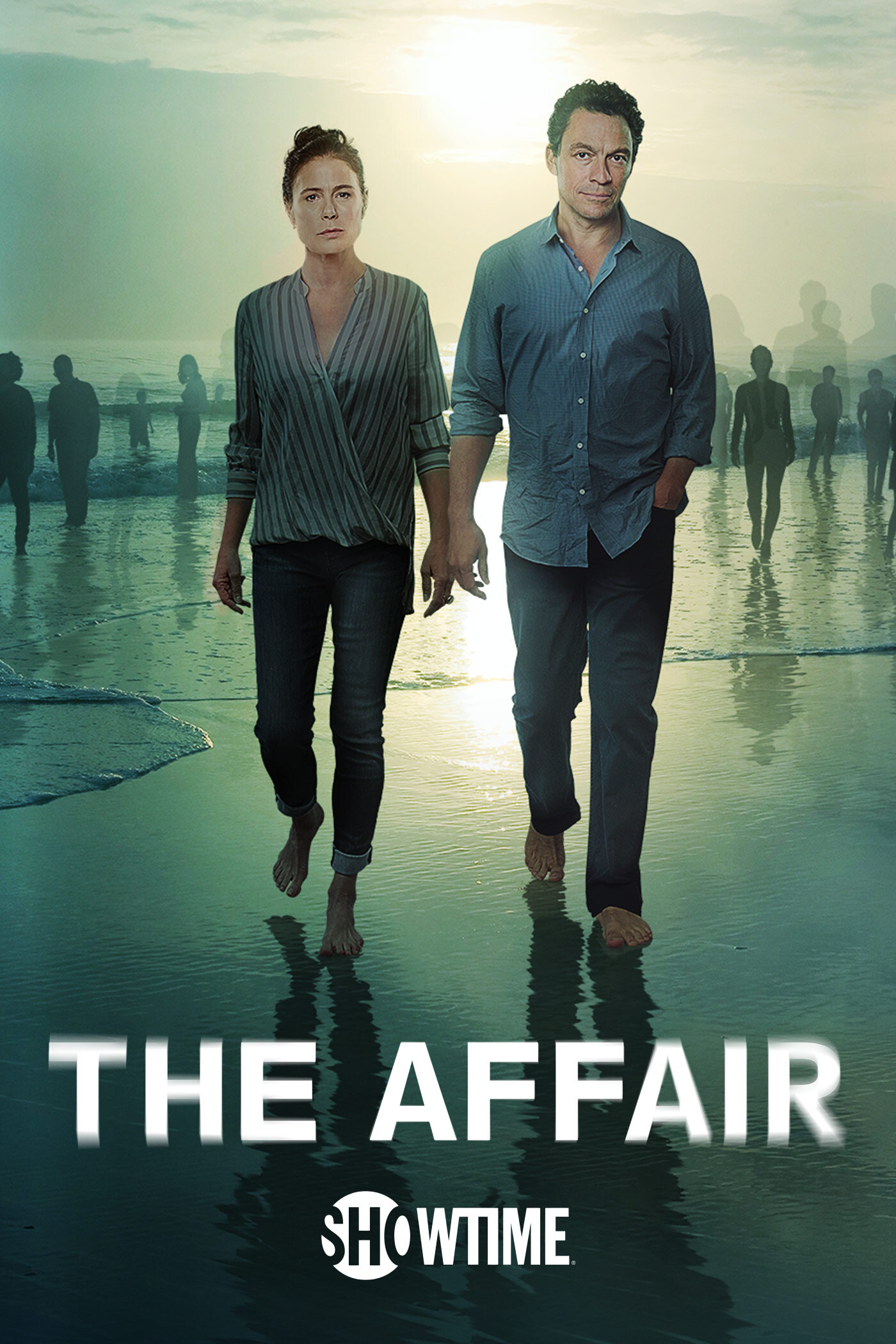
The Affair2014
Where Monika is luminous and compressed, The Affair is fragmented and expansive, but both are fascinated by how love looks different depending on who's looking and when.
A seven-season series that does the inverse: begins after the infidelity and traces backward and forward through the same events from different perspectives. Relentlessly modern and painful, it asks what Monika only glances at—what happens to love when it's seen from all angles?
But It's bleak, adultery-obsessed, and will test your patience with its characters; the pleasure is intellectual rather than romantic.
People
Cast
 Harriet AnderssonMonika Eriksson
 Lars EkborgHarry Lund
 Dagmar EbbesenMrs. Lindström
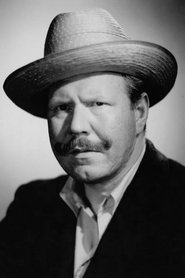 Åke FridellLudwig Eriksson
 Naemi BrieseMonika's Mother
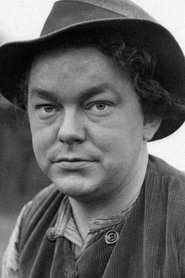 Åke GrönbergHarry's Friend at Work
 Sigge FürstJohan
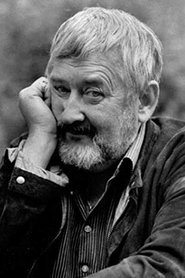 John HarrysonLelle
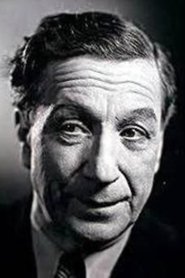 Georg SkarstedtHarry's Father
 Gösta EricssonForsberg
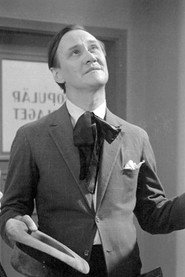 Gösta GustafsonForsberg's Accountant
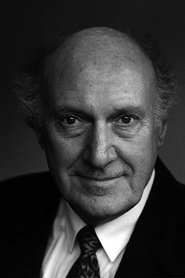 Gösta PrüzeliusSalesman at Forsbergs
Directing
- Ingmar BergmanDirector
Writing
- Per Anders FogelströmNovel
- Per Anders FogelströmScreenplay
- Ingmar BergmanWriter
Production
- Allan EkelundProducer