
Film
Daydream
- Fantasy
- Strange
A 1964 Japanese film that peers into the hallucinations of a sedated dental patient, blending erotic fantasy with psychological unease. It's formally playful—mixing live action with surrealist imagery—and deeply weird in the way only early '60s exploitation cinema dared to be. For viewers curious about cinema's stranger territories and comfortable with frank sexuality as artistic material.
If you liked this
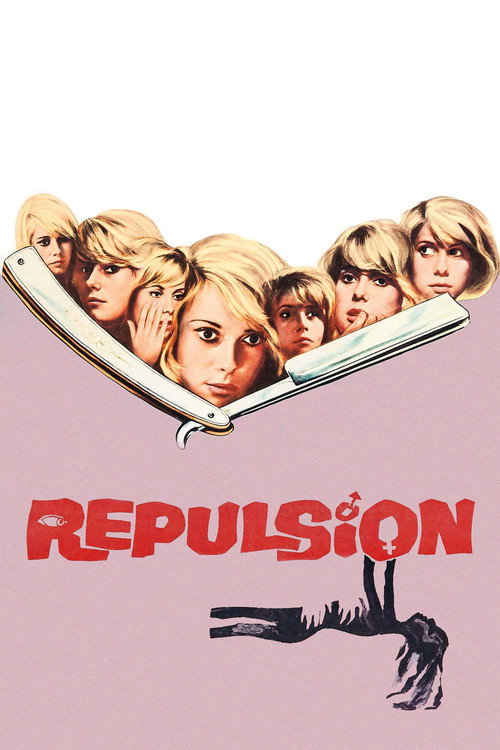
Repulsion1965
Polanski's debut channels similar psychological claustrophobia and sexual anxiety through a woman's mental unraveling. Visually inventive, disturbing without ever feeling cheap, and it interrogates desire from inside a fevered mind.
But Bleak and genuinely difficult to sit with; the body horror and psychological deterioration don't offer comfort or resolution.
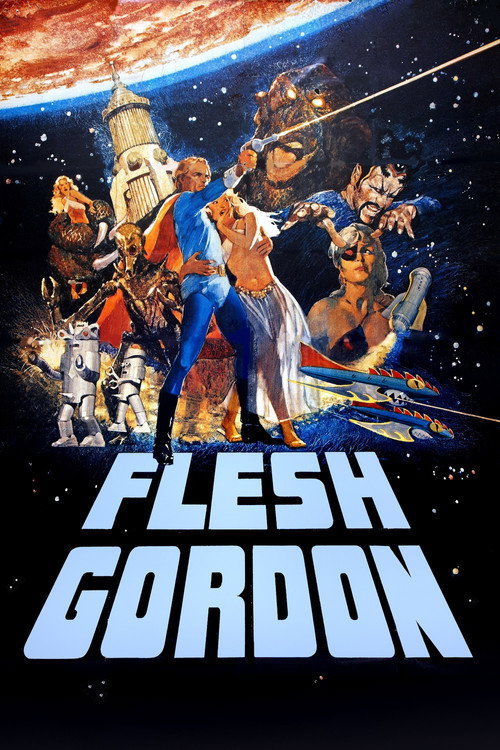
Flesh Gordon1974
Deliberately trashy sci-fi comedy that wears its low budget and explicit content as a badge of honor. It has the same anarchic energy and refusal to separate sex from narrative that makes Daydream so liberating.
But The humor is juvenile and deliberately stupid. If camp exploitation bores you, this will too—there's nothing beneath the surface winking.
Suspiria1977
Dario Argento's masterpiece of dream logic and visual excess. Like Daydream, it trusts images over exposition and creates a world where psychology and reality blur into something hypnotic.
But The plot is thin and sometimes nonsensical; if you need narrative clarity, you'll find this frustratingly vague.

Not sure tonight? Get a pick in a minute, starting from Daydream
The wildcard
Something you would not have found on your own.
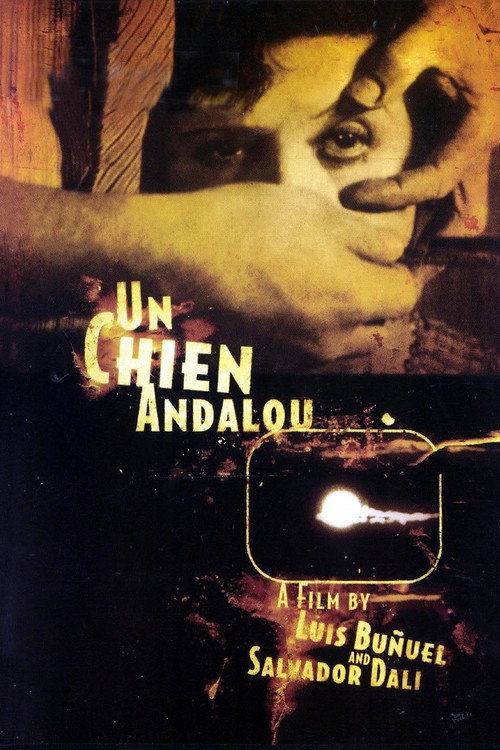
Un Chien Andalou1929
Both are artists staging the unconscious as cinema; both use visual transgression to bypass intellectual defenses and access something primal.
Buñuel and Dalí's surrealist landmark—15 minutes of pure visual assault designed to short-circuit rational thought. Daydream uses similar tactics (dissolves, illogic, sexual provocation) but adds narrative and medium specificity.
But Silent, aggressively abstract, and the infamous eye-slicing scene makes people walk out. No plot to hold onto, no payoff except the experience itself.
More like this (8)
Mulholland Drive2001
Lynch stages Hollywood as a fever dream where identity dissolves and fantasy overwhelms waking life. It's a feature-length exploration of the exact territory Daydream visits in 92 minutes.
But Three hours of deliberate ambiguity; some find it pretentious, and the non-linear structure actively resists conventional viewing pleasure.

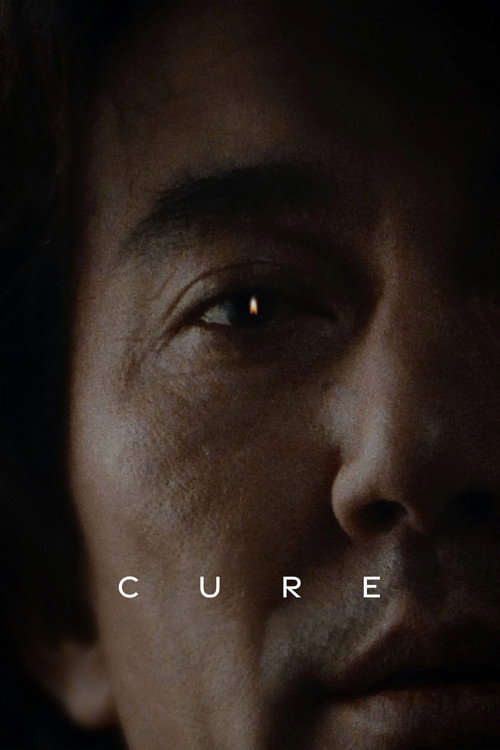
Cure1997
Kurosawa Kiyoshi's psychological thriller uses hypnosis and suggestion to unravel reality, with the same unsettling precision and refusal to explain its own strangeness.
But Japanese, slow-burn, and intentionally oblique. It withholds answers rather than providing catharsis.
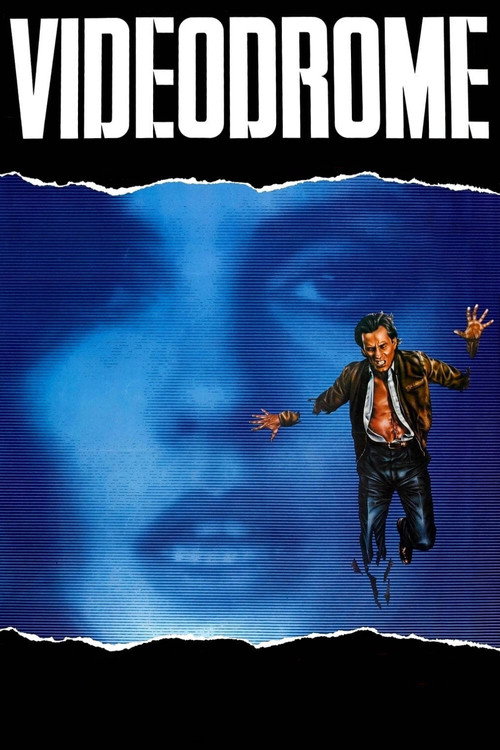
Videodrome1983
Cronenberg's hallucinatory thriller collapses the boundary between fantasy and broadcast media, using body horror to externalize a man's dissolving grip on reality.
But Genuinely grotesque and graphic; the visceral imagery exists to disturb, not titillate.
Black Sun2006
An experimental Japanese film that uses surrealism and sexual imagery to explore interiority and trauma. Formally challenging in ways that echo Daydream's willingness to abandon conventional narrative.
But Deliberately obscure and uninterested in accessibility; you're expected to meet it halfway or not at all.

Possession1981
Andrzej Żuławski's baroque nightmare of a marriage dissolving into hysteria and cosmic horror. Fever-dream cinematography and performances so unhinged they feel hallucinatory.
But Exhaustingly intense and sexually explicit in ways that feel chaotic rather than erotic; some find it self-indulgent rather than profound.

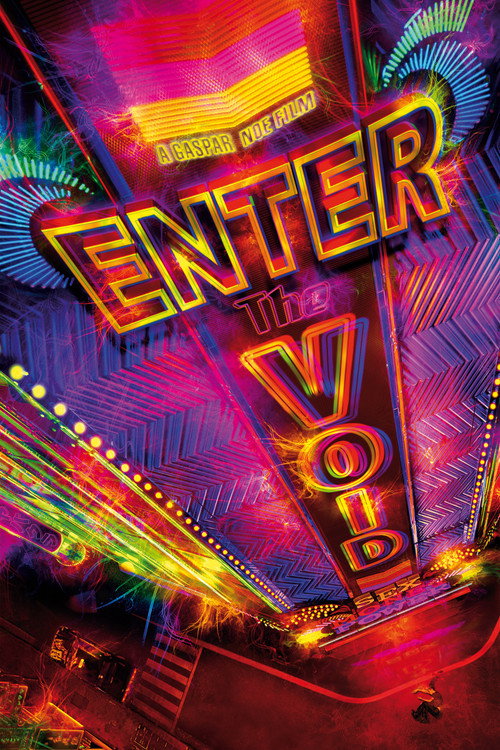
Enter the Void2010
A first-person POV journey through Tokyo's nightlife as seen through a dying consciousness. Uses rapid editing and psychedelic imagery to externalize interiority in ways Daydream pioneered.
But Two and a half hours of visual assault with minimal dialogue; can induce motion sickness, and many viewers find it more technique than substance.
Harakiri1962
Both are 1960s Japanese films that use formal innovation not for surface provocation but to interrogate the gap between appearance and reality, performance and truth.
Masaki Kobayashi's masterpiece about honor, delusion, and institutional cruelty uses extreme formal control to critique a feudal system that collapses under its own weight. It's Japan in the early '60s making radical art cinema.
But Monochrome, slow, and philosophically dense; the emotional devastation is real and unrelenting, not cathartic.

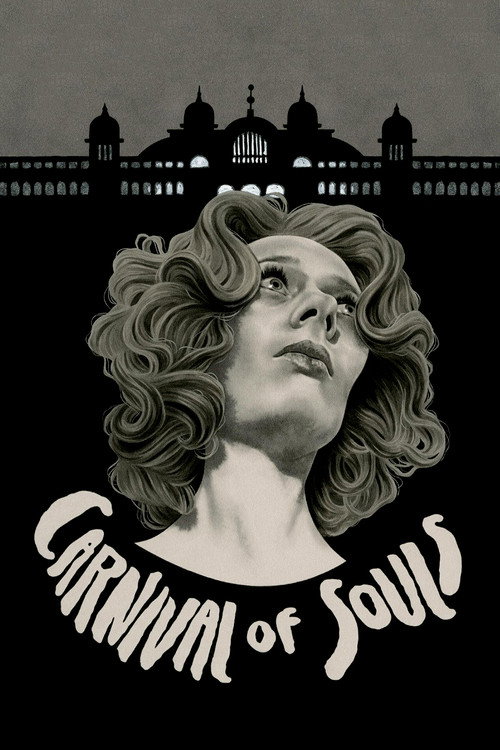
Carnival of Souls1962
Both are 1960s films where sex, death, and identity become indistinguishable; both use the formal properties of cinema itself to externalize psychological states rather than illustrate them.
A low-budget American horror film about a woman haunted by something she can't name or explain. Black and white, hallucinatory, using location and sound design to create mounting dread that feels like watching someone go mad.
But Ultra-low budget; the acting is often stilted, and if you're looking for scares, they're of the ambiguous, psychological sort.
People
Cast
 Kanako MichiCheiko
 Akira IshihamaKurahashi
- Chojuro HanakawaThe Dentist
 Yasuko MatsuiThe Nurse
- Michinori YoshidaBoy at the club
- Akemi NaraPatient (Young lady)
 Tokuji KobayashiOld patient
 Takeshi SakamotoDepartment store guard
- Kiyora MikiTobacco Shop Lady
- Shigemi OzawaBoy Patient
- Yônosuke MikiPasserby
Directing
- Tetsuji TakechiDirector
Writing
- Junichirō TanizakiAuthor
- Tetsuji TakechiWriter
Production
- Toyojirô NagashimaProducer