
Film
Escape Me Never
A 1935 romantic drama built on competing passions: two brothers, a composer and his sibling, entangled with a spirited heiress and a vulnerable waif. It's a film of elegant restraint and emotional complexity, where desire tangles with duty. For anyone drawn to pre-war British cinema and the intricate dance of who loves whom.
If you liked this
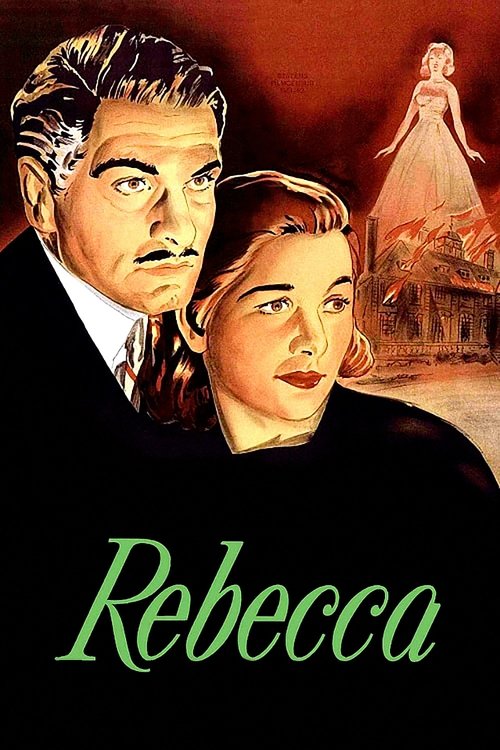
Rebecca1940
Hitchcock's masterpiece of psychological suspense wrapped in romance. A woman arrives at a grand estate haunted by her husband's first wife, and nothing is as it seems. Perfectly paced dread.
But The pacing can feel slow by modern standards, and the female lead is deliberately passive—which is the point, but not everyone's taste.
The Remains of the Day1993
Restrained British elegance meets devastating emotional revelation. A butler reflects on a lifetime of service, unspoken love, and moral compromise. Hopkins and Kline are magnificent.
But Very quiet. The drama lives entirely in what's unsaid, which demands patience and attention.

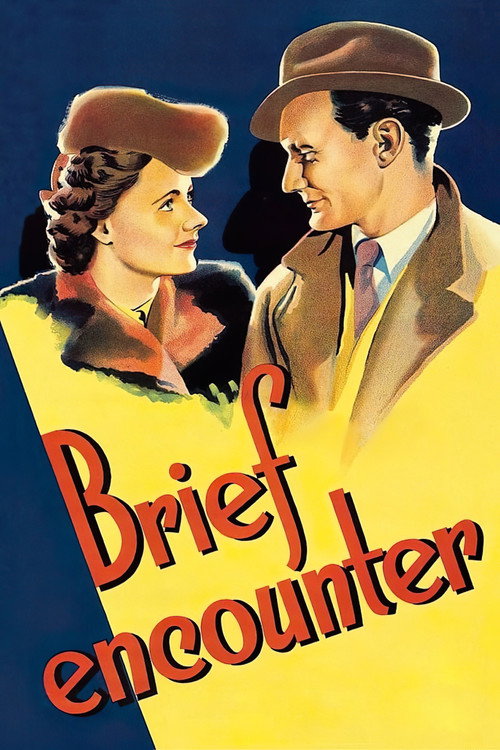
Brief Encounter1945
Two married strangers fall in love across chance meetings. Coward's screenplay crackles with wit and longing. It captures the ache of attraction you cannot act on.
But The moralizing frame around the affair may feel dated. Some find the ending sentimental rather than bittersweet.
Not sure tonight? Get a pick in a minute, starting from Escape Me Never
The wildcard
Something you would not have found on your own.
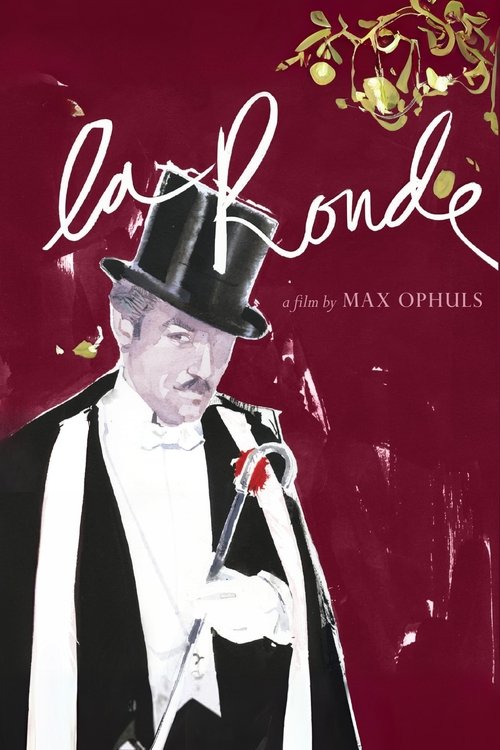
La Ronde1950
Both examine desire as a force that reshapes social hierarchies and leaves damage. Neither judges its characters harshly—both present passion as fundamentally human, even when it destroys.
Ten people, ten couplings, a carousel of desire. Each person from one affair partners with someone new, spreading lust and lies through Vienna. Ophüls' masterpiece of fluid, bitter wit about human connection.
But Episodic structure means no character gets time to breathe. If you need continuity or a clear protagonist, the form will frustrate you.
More like this (7)
Dangerous Liaisons1988
Aristocrats playing games of seduction and revenge in pre-revolutionary France. Malicious, gorgeous, morally rotten characters you cannot stop watching.
But The sexual politics are genuinely ugly and remain so. If that's unwatchable rather than interesting, skip it.

The Asphalt Jungle1950
Huston's heist blueprint. A jeweler, a driver, a safe-cracker, a hunchback—each with their own scheme and secret. Tense, human, and structurally brilliant.
But Crime and casual cruelty throughout. The female characters exist mainly to be threatened or betrayed.

Singin' in the Rain1952
Pure joy. A love triangle set against the birth of sound cinema, with three genuinely distinct lead performances and numbers that make you understand why people sing.
But If musicals feel indulgent or dated to you, even this one won't convert you. It's unapologetically theatrical.

A Place in the Sun1951
Montgomery Clift as a working-class man seduced by wealth and a rich girl's love, while entangled with a factory worker. Class, desire, and moral collapse.
But The ending is tragedy by design, which some experience as depressing rather than cathartic. Pacing drags in the second half.

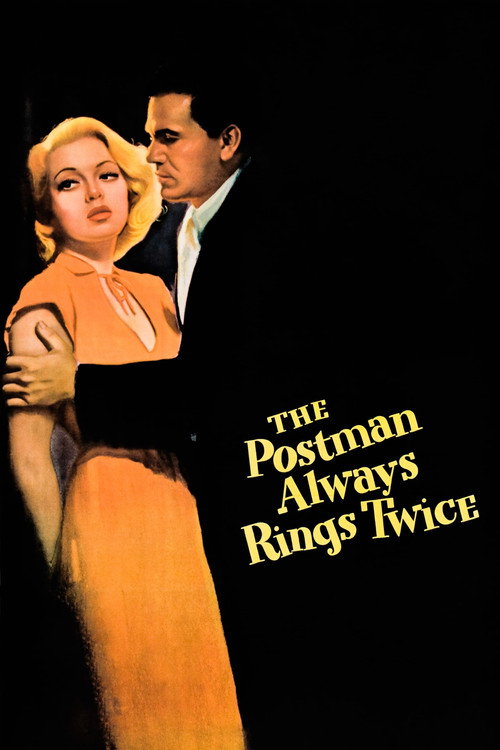
The Postman Always Rings Twice1946
Lana Turner and John Garfield ignite in this noir about adultery and murder. Steamy, morally corrupt, and genuinely dangerous feeling for 1946.
But The sexual politics are very much of their moment—predatory and exploitative. Some will find it uncomfortable rather than thrilling.
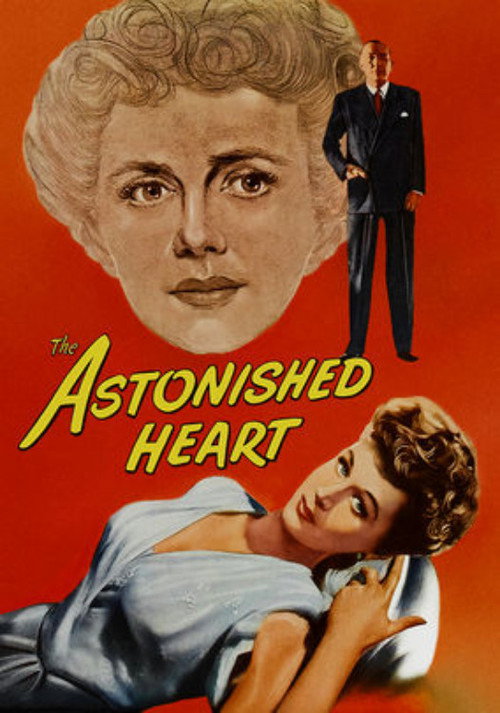
The Astonished Heart1950
Both foreground the inward damage of romantic entanglement. Both treat infidelity not as scandal but as the collision of different kinds of love, none of them quite wrong.
Coward himself stars as a psychiatrist who abandons his wife for a younger woman, watching his life collapse in real time. Melodrama, but with psychological precision and Coward's own ambivalence about desire.
But Coward is an odd leading man, mannered in a way that distances you. The film is slow and repetitive—watching him suffer the same regrets, over and over.
Summer with Monika1953
Both films pivot on the question of whether you can cage desire once you've let it out. Both suggest the answer is no, and that this is tragic.
Bergman's young lovers escape to an island for a summer of freedom and physical joy. Then they return to the city and marriage, and everything hardens. A film about how desire survives domesticity—and whether it should.
But Sexually explicit for 1953 (though chaste by today's standard). Bergman's judgment of Monika as selfish rather than free will anger viewers who see her differently.

People
Cast
 Elisabeth BergnerGemma Jones
 Hugh SinclairSebastian Sanger
 Griffith JonesCaryl Sanger
 Penelope Dudley-WardFenella McClean
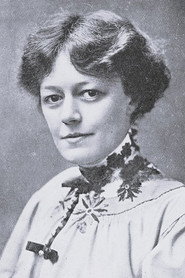 Irene VanbrughLady Helen McClean
- Leon QuartermaineSir Ivor McClean
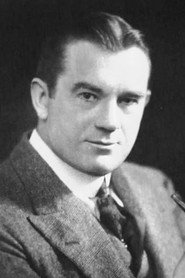 Lyn HardingHerr Heinrich
- Rosalinde FullerTeremtcherva
Directing
- Paul CzinnerDirector
Writing
- Carl ZuckermannScreenplay
- Robert CullenScreenplay
Production
- Herbert WilcoxProducer