
Film
Age of Uprising: The Legend of Michael Kohlhaas
- Period drama
- Very dark
A 16th-century horse dealer's pursuit of justice transforms him into a revolutionary leader in this Bresson-influenced study of righteous rage. Slow-burn, austere, and morally unsparing—Mads Mikkelsen embodies a man whose principled grievance metastasizes into something far uglier. For viewers who prize moral ambiguity and historical sweep over conventional drama.
Should you watch it?
Watch it if you want a slow-burning revenge story where a stubborn sense of justice keeps hardening into something frightening, told with austere, painterly images and a lead who makes righteousness look like a kind of fever.
Skip it if you need brisk momentum or lighter company, because this is deliberate, grim and often punishing to sit through, with long stretches of quiet brutality.
What it asks of you: Two hours at an unhurried, heavy pace, with scenes that linger and a tone that rarely lets up; it wants your full attention rather than background company.
Not sure? Find tonight's pick in a minute.
If you liked this
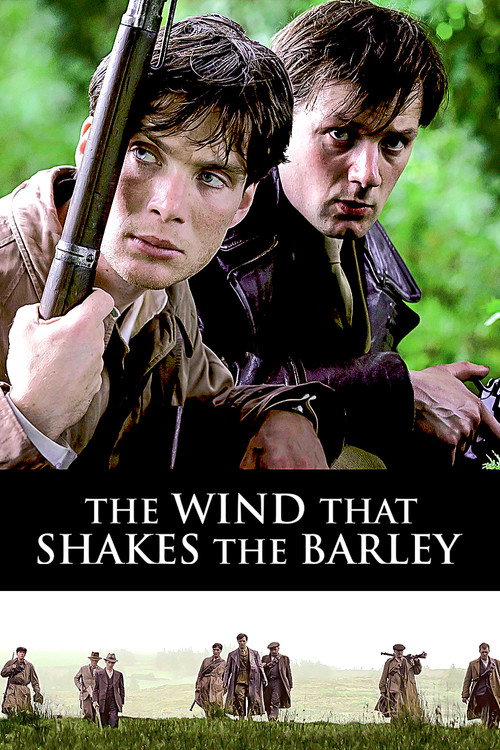
The Wind That Shakes the Barley2006
Ken Loach's examination of Irish independence fighters grappling with ideology versus survival mirrors Kohlhaas's journey from grievance to ruthlessness. Intimate yet sprawling, powered by conviction and doubt in equal measure.
But Deliberately paced, with long scenes of political argument rather than action. The politics are specific to 1920s Ireland, which may feel distant.
A Prophet2009
Jacques Audiard's masterwork about a young man's moral corruption through institutional brutality. Like Kohlhaas, it traces how justified resistance calcifies into something pitiless and inevitable. Visually stunning and psychologically precise.
But Set almost entirely in prison; claustrophobic rather than epic. French with subtitles. Some graphic violence that serves the story but doesn't soften it.

The Last Temptation of Christ1988
Scorsese's provocation about faith, doubt, and the cost of righteousness. Like Kohlhaas, Christ is tormented by the gap between moral clarity and the messy world. Argues theology through narrative rather than preaching.
But Deliberately inflammatory; many find it blasphemous. Slow and digressive. Scorsese's Christ is unsettling rather than comforting, which is precisely the point some object to.
Not sure tonight? Get a pick in a minute, starting from Age of Uprising: The Legend of Michael Kohlhaas
The wildcard
Something you would not have found on your own.
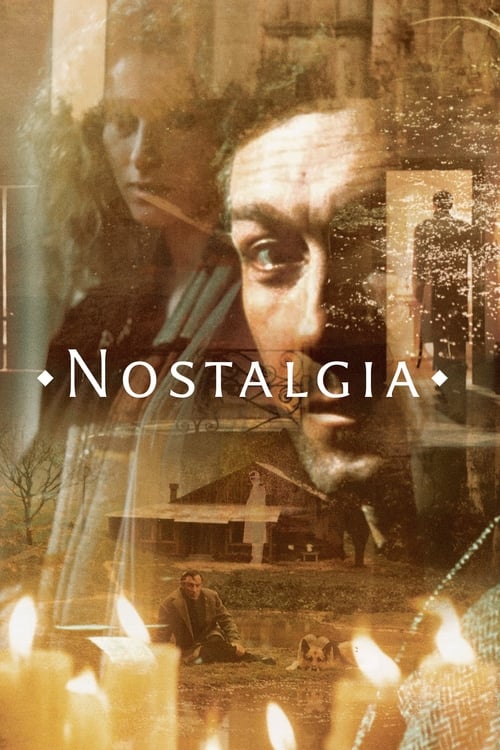
Nostalgia1983
Both protagonists are trapped by their own certainty; both films suggest that absolute conviction, however justified, corrodes the soul. Tarkovsky renders this spiritually; Kohlhaas renders it politically.
Andrei Tarkovsky's meditation on faith, memory, and the soul's hunger for meaning. Like Kohlhaas, it follows a man consumed by a single principle—here, spiritual restoration—as the world dissolves around him. A spiritual cousin rather than a narrative one.
But Nearly three hours, mostly the camera holding on landscape and interior. Minimal plot. In Russian with subtitles. Tests patience rather than rewards it passively. Tarkovsky is not for everyone.
More like this (8)
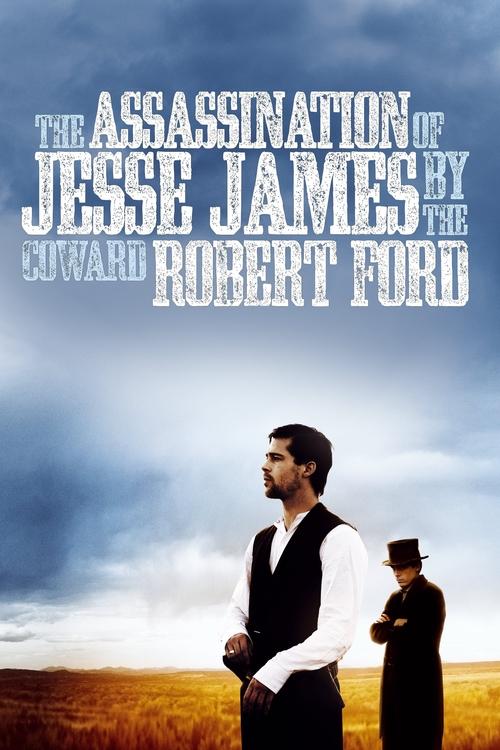
The Assassination of Jesse James by the Coward Robert Ford2007
Andrew Dominik's meditation on legends, resentment, and how justified grievances curdle into obsession. Formally beautiful, morally complex, with Brad Pitt as a man consumed by his own mythology—much like Kohlhaas.
But Nearly three hours of deliberate pacing and introspection. The violence, when it comes, is sudden and brutal rather than cathartic. Some find it glacial.
Under the Skin2014
Jonathan Glazer's alien fable uses abstraction and repetition to interrogate power and predation. Like Kohlhaas, it's concerned with how the wronged become wrongdoers, expressed through visual poetry rather than dialogue.
But Barely a plot; long, wordless sequences. Deliberately obscure about what it means. Shot mostly in Scotland and intensely cold. Not for viewers seeking clarity or catharsis.

Spotlight2015
Meticulous journalism as moral inquiry. While Kohlhaas uses violence, this traces how institutions systemically enable abuse and obstruct justice. Both ask: what does accountability actually require?
But Procedural and dialogue-heavy; the drama is in conversation and documentation, not action. The resolution is qualified, not victorious.

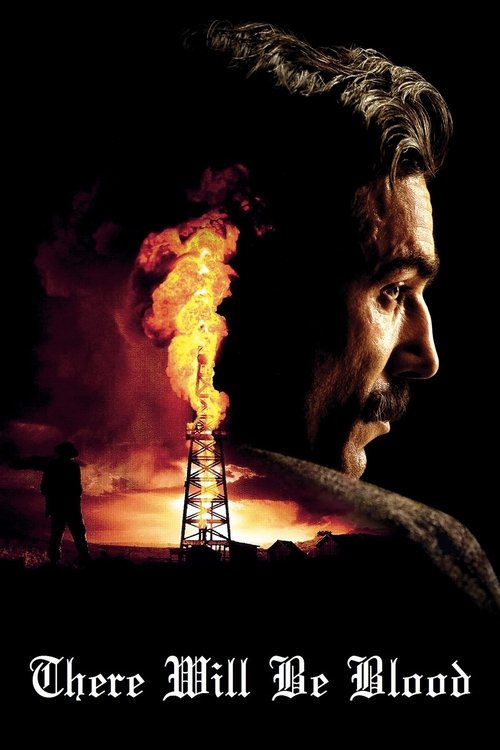
There Will Be Blood2007
Paul Thomas Anderson's portrait of ambition, resentment, and the intoxication of power. Daniel Day-Lewis as Daniel Plainview channels Kohlhaas's transformation from reasonable man to something terrible—righteous and utterly monstrous.
But Baroque and dense; the plotting is intentionally weird. Some scenes are nearly silent. Nearly three hours and demands active attention.
The Turin Horse2011
Béla Tarr's bleak final film examines faith crumbling into nihilism. Like Kohlhaas, it asks what happens when the world refuses to bend to your will and your righteousness becomes indistinguishable from madness.
But Black-and-white, repetitive, hypnotic in a way that reads as static to some. A film about entropy and the end of things. Offers no comfort or resolution.

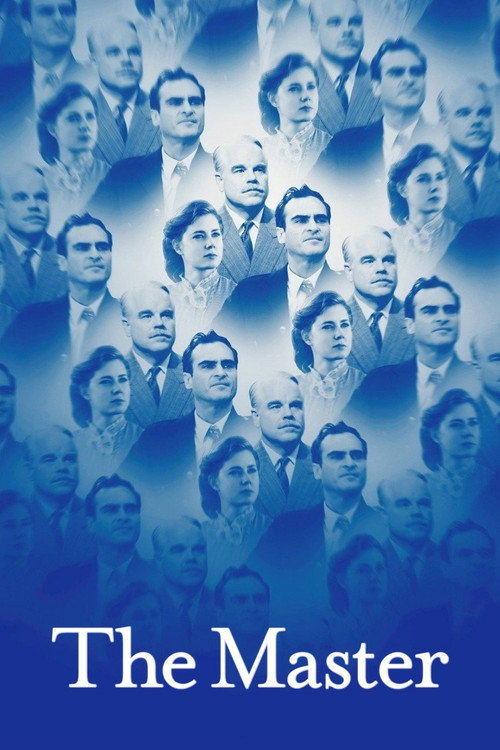
The Master2012
Paul Thomas Anderson again, this time on charisma, certainty, and the hunger to remake the world according to your vision. Joaquin Phoenix's raw performance embodies Kohlhaas's manic intensity and underlying fracture.
But Deliberately cryptic; resists easy interpretation. Shot in 65mm but feels claustrophobic and repetitive. Very long without clear narrative payoff.
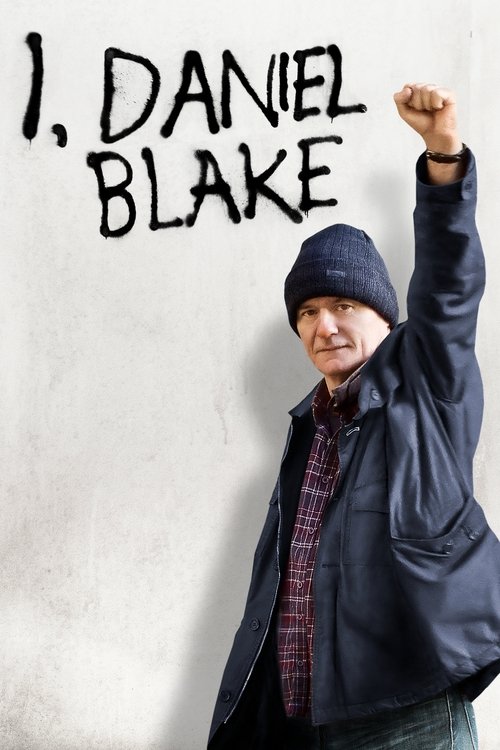
I, Daniel Blake2016
Both are about men whom the state has failed, and about how that failure either radicalizes or destroys. Kohlhaas chooses violence; Blake chooses to survive. Both explore the same question from opposite directions.
Ken Loach returns, this time to documentary-style realism about a man destroyed by bureaucratic injustice. Where Kohlhaas takes up arms, Daniel Blake has only his dignity—but the moral question is identical: what does the system owe the wronged?
But Furiously angry and offers no grand catharsis, only quiet devastation. Some find its politics didactic. Shot in the grey contemporary UK with no romanticism. Deliberately unglamorous.
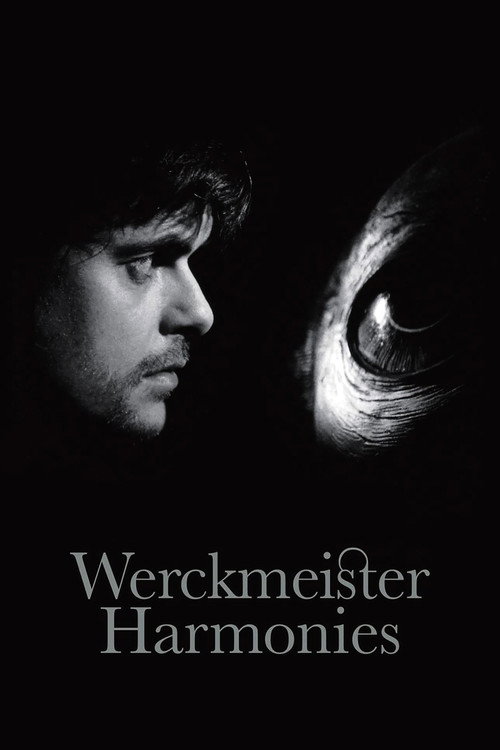
Werckmeister Harmonies2001
Both are about collective frenzy wearing the mask of righteousness; both suggest that when a community unites behind a principle—justice, order, spiritual purity—it becomes capable of terrible things. Tarr visualizes it as hysteria; Kohlhaas lives it as consequence.
Béla Tarr again, but earlier and stranger—a fever dream set in a Hungarian provincial town where a whale arrives and the social order begins to rot. Uses visual power and dread to ask how easily righteous communities become violent ones. Hypnotic and disturbing.
But Black-and-white, slow, built on mood and abstraction rather than plot. Surreal and pessimistic. Only six shots in 145 minutes. Demands patience and offers no answers, only unease.
People
Cast
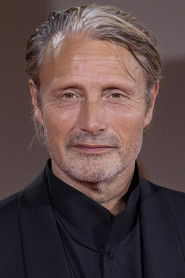 Mads MikkelsenMichael Kohlhaas
 Mélusine MayanceLisbeth
 Delphine ChuillotJudith
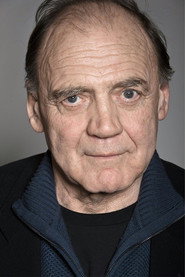 Bruno GanzThe Governor
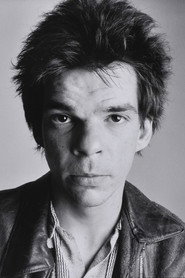 Denis LavantThe Theologist
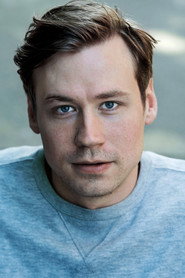 David KrossThe Preacher
 Roxane DuranThe Princess
 Paul BartelJérémie
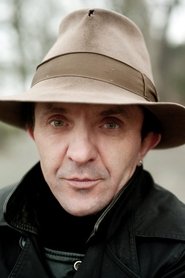 David BennentCésar
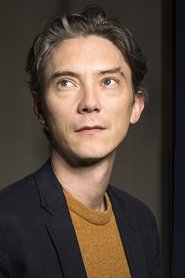 Swann ArlaudThe Baron
 Sergi LópezThe Armless
 Amira CasarThe Abbess
Directing
- Arnaud des PallièresDirector
Writing
- Heinrich von KleistOriginal Story
- Arnaud des PallièresScreenplay
- Christelle BerthevasScreenplay
Production
- Leïla FournierCasting
- Sarah TeperCasting
- Serge LalouProducer