
Film
Promises
Promises follows Israeli and Palestinian children aged 11-13 as they articulate their worlds—divided by occupation, shaped by violence, animated by prejudice and hope. Shot with remarkable intimacy, it lets kids speak without mediation or sentimentality. The film trusts its audience to sit with complexity and listen. Essential viewing for anyone who thinks understanding the conflict means understanding adults.
Should you watch it?
Watch it if you want to hear ordinary kids on both sides of a conflict in their own unvarnished words, and you're content to draw your own conclusions without a narrator steering you.
Skip it if you need a clear narrative arc or constant momentum; this is a patient, talking-heads piece where long interview stretches can feel repetitive and heavy.
What it asks of you: It asks for a little under two unhurried hours, mostly children speaking to the camera, with weight carried by what they leave unsaid as much as by what they say.
Not sure? Find tonight's pick in a minute.
If you liked this
My Octopus Teacher2020
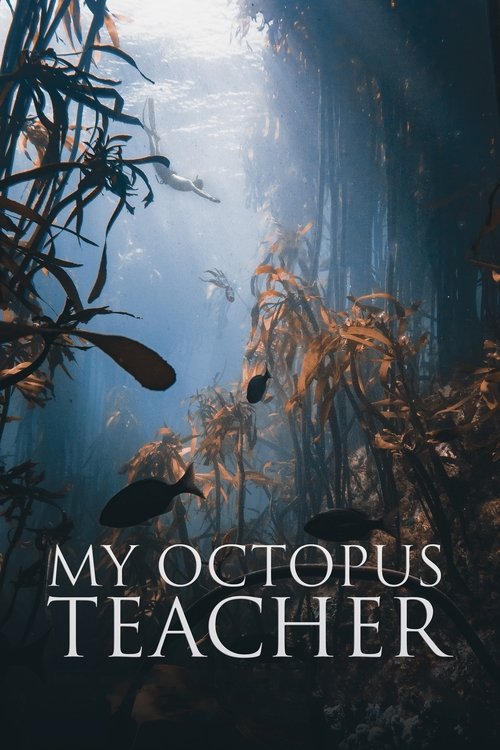
A filmmaker seeks wisdom from nature and finds unexpected grace. Like Promises, it's built on patient observation and genuine wonder—two people (one human, one cephalopod) learning to see each other across difference.
But Slow, meditative pacing. If you need plot momentum or neat resolutions, this will feel like waiting for paint to dry.
The Act of Killing2012
Indonesian death-squad perpetrators are asked to dramatize their own murders. Confronts evil without flinching, lets viewers grapple with moral vertigo. Like Promises, it trusts the audience to think, not to be told what to think.
But Deeply disturbing. The recreated violence is graphic and the emotional toll accumulates. Not cathartic—purposefully unresolved.

Bowling for Columbine2002
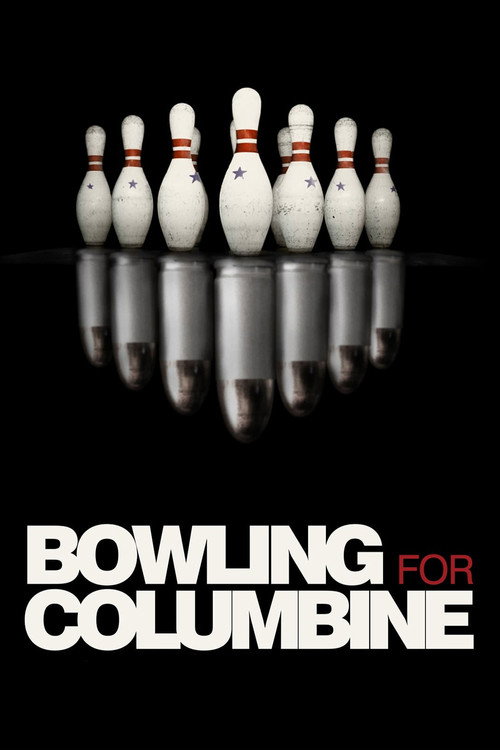
Michael Moore investigates gun violence in America by talking to ordinary people—asking hard questions without agenda. It's concerned with how ideology lives in regular citizens, just like Promises.
But Moore's style is heavy-handed and sometimes glib. The film's arguments can feel oversimplified, and his on-screen persona polarizes viewers.
Not sure tonight? Get a pick in a minute, starting from Promises
The wildcard
Something you would not have found on your own.
Come and See1985
Both center children as primary witnesses to conflict and refuse to soften what they see. Where Promises documents fractured identity, Come and See documents fractured humanity—the inverse witness.
A Soviet boy witnesses the annihilation of his village during WWII. Unlike Promises' measured observation, this is a descent into hell—but it's the only film that captures how childhood and atrocity collide with equal moral weight. Unflinching where Promises is patient.
But Devastatingly bleak and graphic. The violence is not contextualized or processed. Many viewers find it unwatchable, and that reaction is valid.

More like this (6)
Hoop Dreams1994
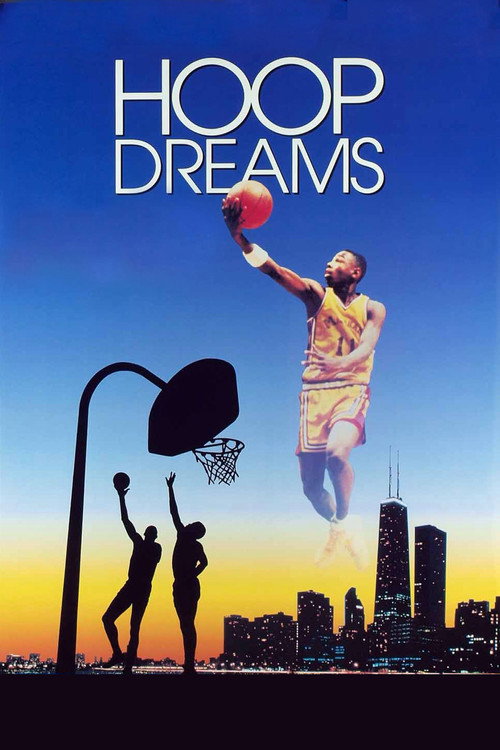
Two Black teenagers pursuing basketball glory are followed for five years. Intimate, unmanipulative portraiture that reveals systemic forces through lived experience—exactly what Promises achieves.
But At 171 minutes, it demands real commitment. The pace is observational, not narrative-driven, which tests patience.
The Land of Hope2012
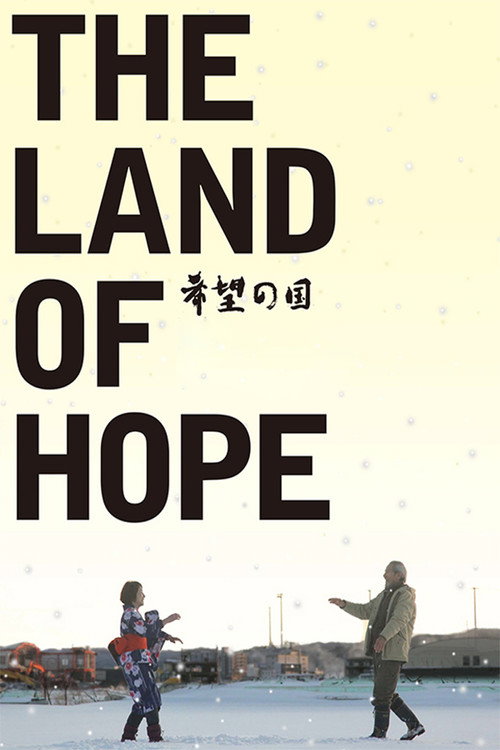
Japanese farmers resist corporate buyout; the film traces fracturing community bonds. Explores how ideology and survival clash in ordinary lives—the same engine as Promises, different context.
But Extremely quiet and formally austere. Dialogue is sparse; most communication happens in silence. Tests your tolerance for ambiguity.
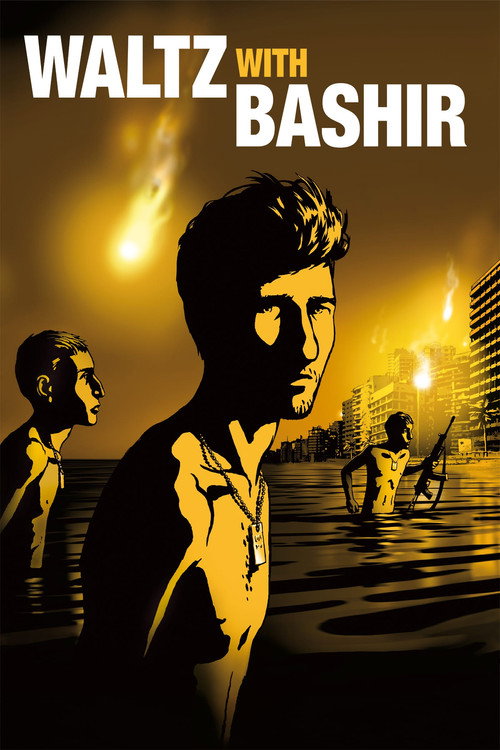
Waltz with Bashir2008
An Israeli animator investigates his own suppressed memories of the 1982 Lebanon War. Uses animation to probe trauma and collective forgetting—what Promises documents directly, this explores through the distortions of memory.
But Experimental form can feel self-conscious. Some scenes are deliberately fragmentary, which frustrates viewers wanting clarity.
Grey Gardens1976
Intimate documentary of two aging women in a decaying mansion reveals how isolation breeds obsession and strange grace. Like Promises, it's portraiture that refuses judgment and finds humanity in damaged lives.
But Claustrophobic and bleak. The subjects become objects of pity, which can feel exploitative depending on your tolerance for watching decline.

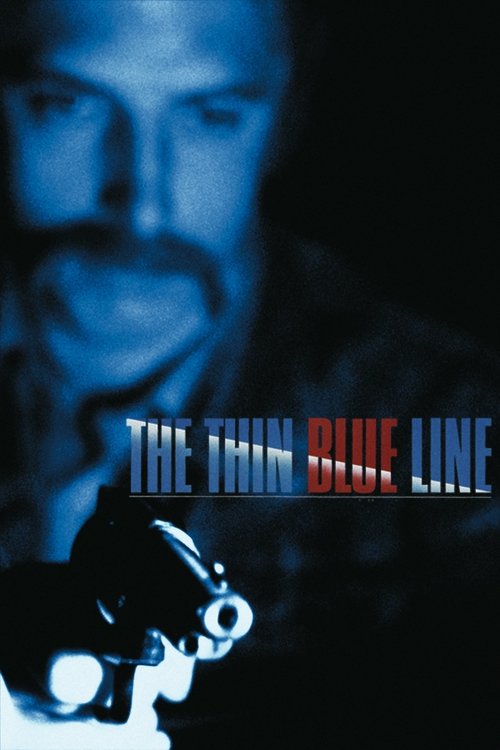
The Thin Blue Line1988
Errol Morris reconstructs a murder case and unmasks injustice through meticulous interrogation of perspective. Shares Promises' faith that truth emerges when you listen hard enough to competing narratives.
But Stylized and deliberate—some find the formal flourishes distracting from the human stakes. Also fairly dense; you have to pay attention.
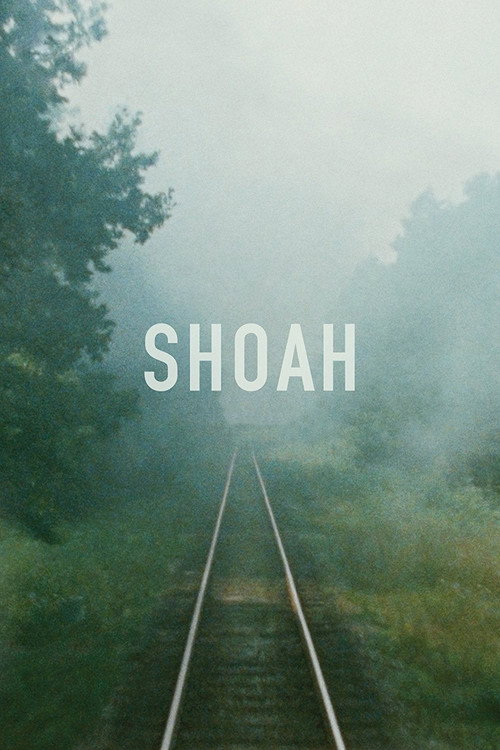
Shoah1985
Both insist that understanding atrocity requires sitting with discomfort and refusing easy narrative. Promises is 106 minutes; Shoah is 566. Same moral register, different scale.
Claude Lanzmann spent eleven years interviewing survivors and perpetrators of the Holocaust with no archival footage—only voices, faces, and landscape. At nine hours, it's exhausting by design. It shares Promises' conviction that testimony matters more than spectacle.
But Brutally long. Repetitive questions, long silences, minimal movement. Tests patience in ways few documentaries do. Also emotionally crushing.
People
Cast
- Moishe Bar AmSelf
- B. Z. GoldbergSelf
- Sanabel HassanSelf
Directing
- B. Z. GoldbergDirector
- Carlos BoladoDirector
- Justine ShapiroDirector
Writing
- B. Z. GoldbergWriter
- Justine ShapiroWriter
Production
- B. Z. GoldbergProducer
- Justine ShapiroProducer
- Stephen MostResearcher