
Film
Goodbye to Language
- Romantic drama
- Strange
Jean-Luc Godard's 3D essay-film collapses narrative into philosophical fragments. A married woman and single man orbit each other across seasons while a dog wanders between them, metaphor and bodies tangled. It's deliberately difficult—montage, digression, sudden shifts into abstraction—but also strangely tender. For viewers ready to let plot dissolve into mood and meaning.
If you liked this
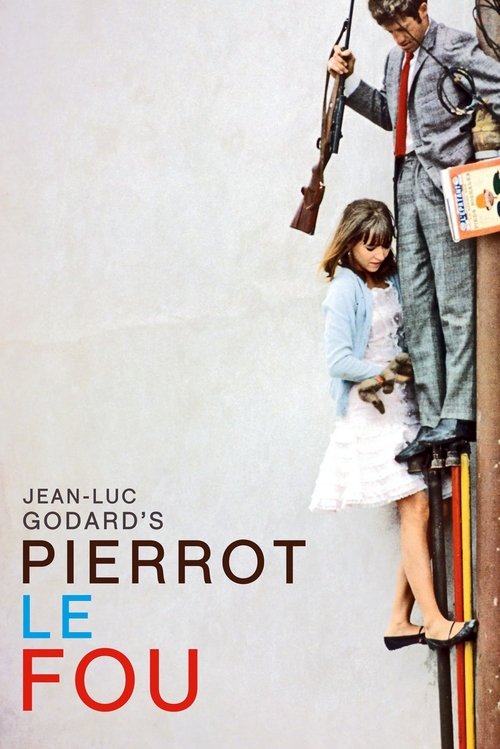
Pierrot le Fou1965
Godard at his most poetic and playful: a couple on the run, cinema as rebellion, the end of everything treated as both tragedy and game. If you want Godard with narrative momentum before attempting his later work.
But Starts as a thriller and becomes a meditation on color, death, and boredom. Patience required; conventional satisfaction withheld.
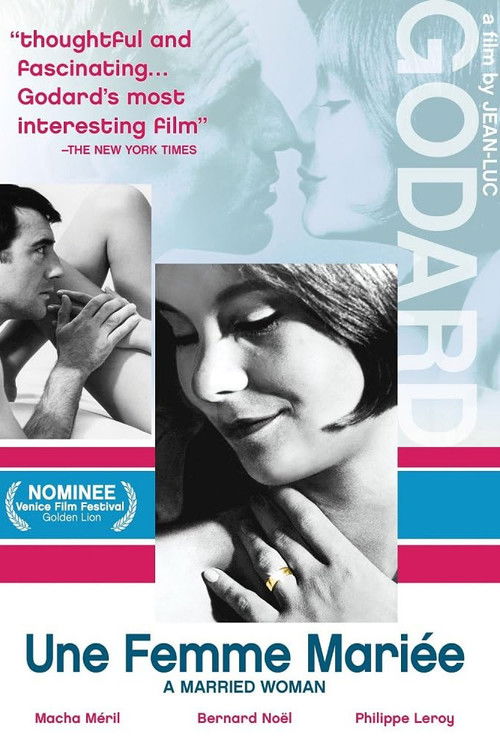
The Married Woman1964
Godard's clearest film about desire, fidelity, and the gap between bodies and language. Fragmentary but focused; infidelity as philosophical problem rather than melodrama. A gateway into his style.
But Shot in black-and-white with harsh cuts and non-sequiturs. The emotional beats you expect never quite land where you think they will.
In the Mood for Love2000
Wong Kar-wai's meditation on proximity and longing: two neighbors who might love each other, separated by walls, seasons, and the things they cannot say. Visual precision meeting emotional devastation.
But Nearly plotless. Its beauty is deliberate and glacial. If you need movement or revelation, you'll frustrate.

Not sure tonight? Get a pick in a minute, starting from Goodbye to Language
The wildcard
Something you would not have found on your own.
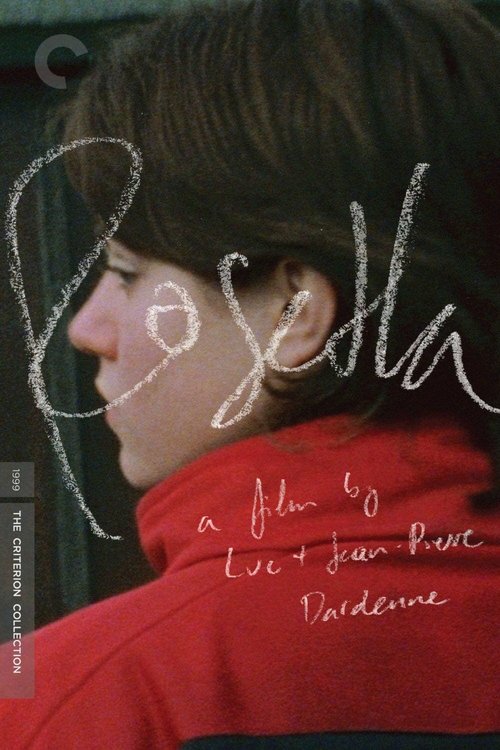
Rosetta1999
Both films use repetition and cyclical structure to ask what it means to persist. Godard abstracts; the Dardennes make it brutal and real.
The Dardenne brothers' handheld naturalism: a desperate teenage girl fights for work and dignity in rural Belgium. Visceral, furious, about bodies and survival. Structurally mirrors Godard's cyclical form—repetition as condition of life—but grounds it in documentary-like physical reality rather than abstraction.
But Relentlessly bleak. The camera clings to the character so closely it becomes claustrophobic. No redemption, no comfort, just the daily struggle to exist.
More like this (8)
Mulholland Drive2001
Lynch's Los Angeles dream-logic: two women, Hollywood, love that might not be real, narrative that folds back on itself. Haunting and hypnotic; rewards multiple viewings and theories.
But Three hours of mounting unease that resolves into ambiguity rather than answers. Some find it pretentious; some find it perfect.

Contempt1963
Godard's most accessible masterpiece: a marriage collapses on a film set while making a film. Brigitte Bardot, primary colors, Morricone's score, and the death of cinema observed in real time.
But A Godard film about making a film, so it's self-reflexive and theoretical. The drama is intimate but the medium is constantly asserting itself.

Tokyo Story1953
Ozu's masterpiece: an elderly couple visits their son's family in postwar Tokyo. Formally perfect, emotionally devastating, about time passing and people changing without drama needing to announce it.
But Minimal plot. Long static shots. The camera rarely moves. If cinema for you means momentum, this will feel like watching grass grow.

Stalker1979
Tarkovsky's meditative science-fiction: a guide leads two men through a mysterious zone toward a room that grants wishes. Philosophical, hypnotic, about desire and the spaces between people.
But 163 minutes of slow pacing, philosophical digression, and metaphor. The science-fiction elements are window dressing for thoughts about meaning and death.

The Seventh Seal1957
Bergman's knight plays chess with Death during plague. Existential, visually stunning, about meaning in a meaningless world. A film that asks the same questions Godard will later worry into fragments.
But Heavy with symbolism and allegory. Some scenes feel overwrought. The 1950s earnestness about big ideas can feel dated.

Jeanne Dielman, 23, quai du Commerce, 1080 Bruxelles1976
Chantal Akerman's three-hour portrait of a woman's domestic routine: shopping, cooking, sex, routine. Radically patient cinema that finds philosophy in the everyday and the body's small rituals.
But Three hours of a woman doing housework with minimal dialogue or music. Most audiences will find it tedious or punishing rather than revelatory.

A Ghost Story2017
Both are about a third presence—dog, ghost—that mediates between people who cannot quite touch. Both compress time and dissolve narrative into something more like a poem about longing.
David Lowery's supernatural meditation on time, love, and the spaces we haunt. A sheet-covered ghost watches the world change around the house where he died. Simple premise, devastating execution—about presence and absence, what remains.
But A ghost in a sheet. A long scene of a woman eating pie. Pretentious and slow, designed to either move you deeply or make you feel the filmmaker's self-regard.

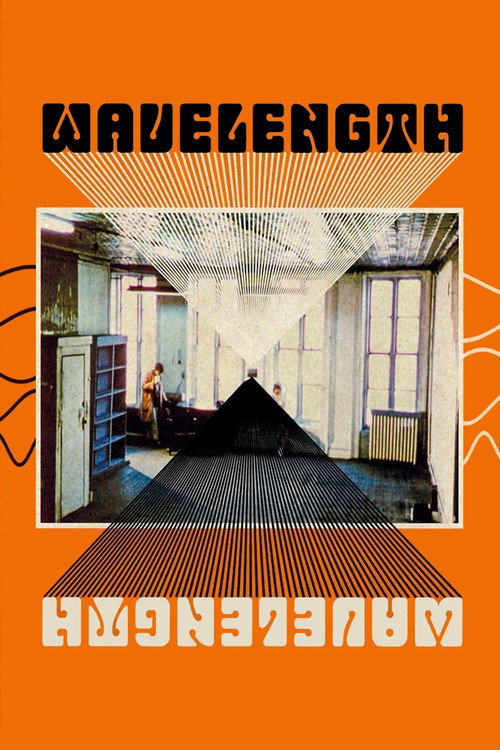
Wavelength1967
Like Godard, Snow treats the apparatus of cinema—duration, the image, the frame—as the real subject. Both ask what film can be when it stops pretending to be theater.
Michael Snow's experimental 45-minute zoom into a loft wall with minimal incident. Cinema as pure form: time, perception, sound becoming the content. A corrective to narrative; proof that film can be about itself and still move something.
But Nothing happens. It's a zoom. If you think cinema is about story or character, this will feel like a prank or a waste of time.
People
Cast
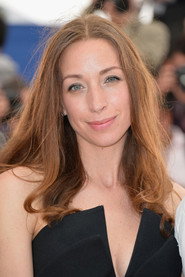 Jessica EricksonMary Shelley
 Héloïse GodetJosette
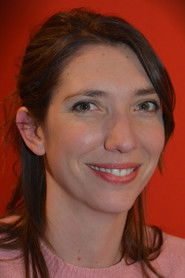 Zoé BruneauIvitch
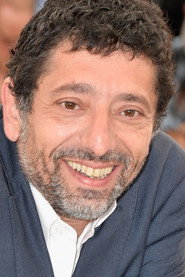 Kamel AbdeliGédéon
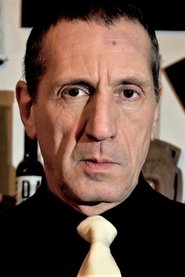 Richard ChevallierMarcus
 Christian GregoriDavidson


 Jean-Luc GodardNarrator (voice)
Directing
- Fabrice AragnoAssistant Director
- Jean-Paul BattaggiaAssistant Director
- Jean-Luc GodardDirector
Writing
- Jean-Luc GodardWriter
Production
- Phill ZagajewskiAssistant Production Manager
- Fabiano D'AmatoLocation Manager
- Alain SardeProducer
- Brahim ChiouaProducer
- Vincent MaravalProducer