
Film
Mississippi Mermaid
Truffaut's elegant con-artist romance: a lonely tobacco planter on Réunion marries a woman who isn't who she claimed, and finds himself entangled with a beautiful stranger in a spiral of deception and genuine passion. It's a film about the stories we tell ourselves, shot in saturated colour against tropical backdrops. For anyone who loves cinema that makes the dishonest feel romantic.
If you liked this
Breathless1960
Godard's febrile love story between a car thief and an American girl. Like Mississippi Mermaid, it's built on false fronts and attraction that doesn't care about truth. Both films make recklessness look beautiful.
But The pacing is deliberately fractured and the ending won't satisfy you the way a conventional thriller would. It's more interested in mood than plot.

Contempt1963
Godard again, but this time about a marriage coming apart over secrets and ego. The central couple's relationship mirrors the film's own instability. It shares Mississippi Mermaid's fascination with how love survives dishonesty.
But It's as much about filmmaking as it is about the couple. If you want straightforward emotional drama, the meta-commentary will feel like a wall between you and the story.

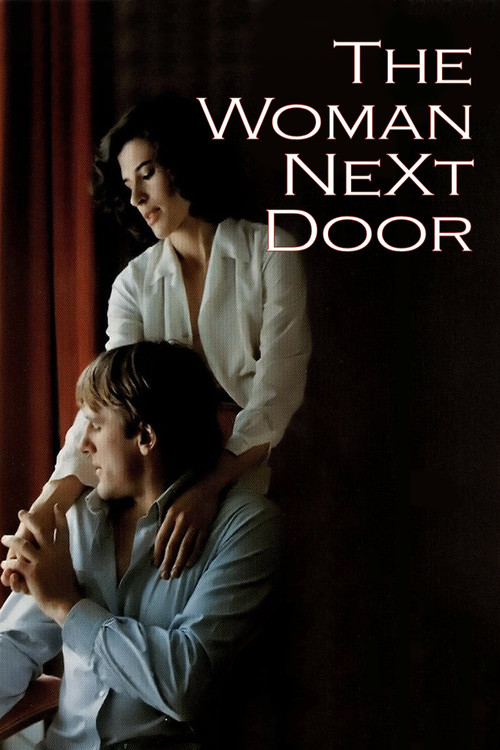
The Woman Next Door1981
Truffaut again, and just as much about adults doing foolish things for passion. Two former lovers reignite when they become neighbours. The tone is wry and tender and completely unsentimental about desire.
But It's fundamentally sad, even when it's funny. There's no triumph here, just a quiet recognition of how we trap ourselves.
Not sure tonight? Get a pick in a minute, starting from Mississippi Mermaid
The wildcard
Something you would not have found on your own.
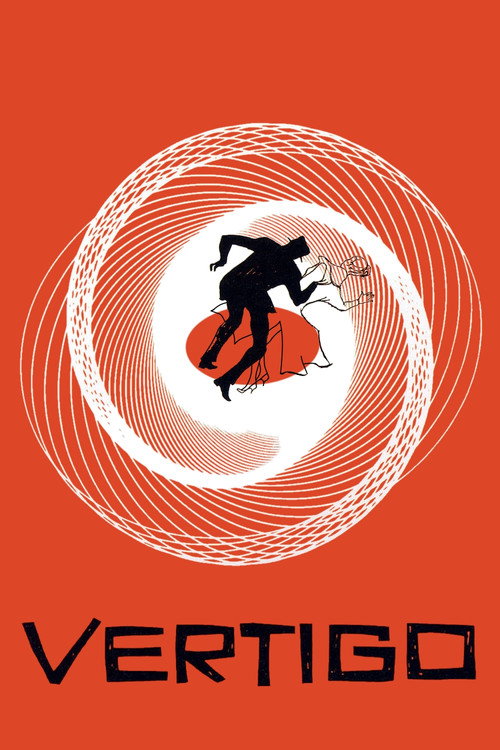
Vertigo1958
Both films are about men in love with an image, chasing it past the point of reason. Both are scored lushly to make that self-destruction feel exquisite.
Hitchcock's masterpiece about obsession and the woman who isn't quite herself. Like Mississippi Mermaid, it's a love story where identity is a costume and desire is more important than truth. The visual language is almost identical in its preoccupation.
But It's deeply misogynistic, built on the idea that women are things to mould. That's part of what it means, but it doesn't make it comfortable to watch now.
More like this (8)
Hiroshima Mon Amour1959
Resnais builds something equally intoxicating: strangers in a hotel, one night, the past bleeding into the present. Like Mississippi Mermaid, it's more interested in the texture of attraction than the facts of identity.
But The form is experimental—overlapping dialogue, fragmented structure. It demands active viewing and rewards it, but if you want clarity, you won't find it.

A Woman Is a Woman1961
Godard's most playful film, full of colour and music and a love triangle that doesn't feel like one. The romance is lightly held, almost as important as the conversation happening around it. Pure pleasure.
But It's deliberately shallow about plot. The emotional stakes are gossamer-thin, which is the point, but that point doesn't work for everyone.

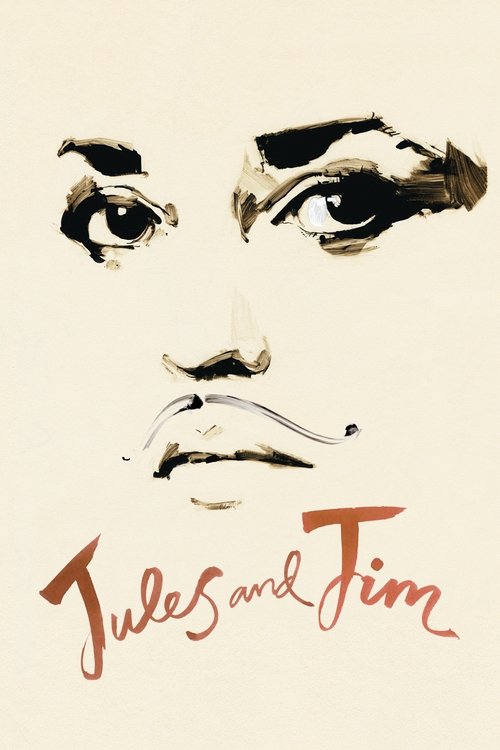
Jules and Jim1962
Truffaut's most famous film for good reason: three people, twenty years, passion that outlives everything including good sense. The romantic recklessness that defines Mississippi Mermaid lived its longest here.
But It's sentimental about its own tragedy in a way that can feel dated. The framing of the woman character, especially, belongs firmly to its time.
The 400 Blows1959
Truffaut's debut, about a boy adrift in Paris. It has the same affection for flawed people and the same belief that cinema can make sadness look beautiful. The composition is luminous.
But It's a slow film about a slow unravelling. Nothing dramatic happens. If you need plot momentum, you'll feel it dragging.

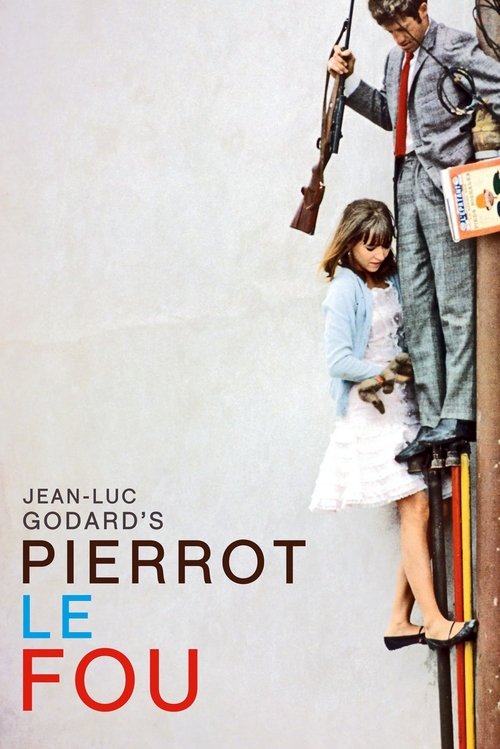
Pierrot le Fou1965
Godard's road movie with Belmondo himself, zigzagging through France with a woman he barely knows. It's Mississippi Mermaid's spiritual cousin—lovers on the run, constantly creating new versions of themselves.
But It's deliberately incoherent, jumping between genres and moods without warning. The film works against your desire for stability or logic.
Last Year at Marienbad1961
Resnais and Robbe-Grillet craft a mystery that may not have an answer. Two people negotiate the truth about a meeting that may or may not have happened. It's hypnotic, like Mississippi Mermaid, but stranger.
But It's a puzzle box with no guarantee of a solution. If you watch it waiting for clarity, you'll leave frustrated. That might be what Resnais wants.

Pickup on South Street1953
Both believe that love can exist in the spaces between lies. Both make that paradox their entire subject. One is coloured light and island heat; the other is urban grit and shadow.
Fuller's lean noir about petty thieves and big lies, shot in black-and-white with the energy of a punch. It shares Mississippi Mermaid's conviction that you can fall in love with someone you don't trust, and that matters more than you'd think.
But It's much harder and meaner than Mississippi Mermaid—morally crueller, visually harsh. The romantic elements are embedded in violence and corruption, not luxury.

The Fire Within1963
Both are films about people in motion—constantly moving, never really arriving. Both understand that attraction and deception are sometimes the same thing, and that love doesn't change that.
Malle's portrait of a man at the end of his rope, spending his last weeks with friends and lovers who can't quite reach him. It shares Mississippi Mermaid's attention to the texture of intimacy—the small moments between people, the unbridgeable distances.
But It's unsparing about depression and ends in suicide. There's no redemption and no escape. It's serious in a way that can feel airless.

People
Cast
 Jean-Paul BelmondoLouis Mahé
 Catherine DeneuveJulie Roussel
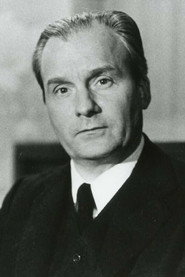 Michel BouquetComolli
 Nelly BorgeaudBerthe
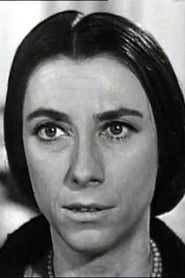 Martine FerrièreLandlady
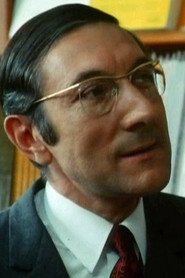 Marcel BerbertJardine
- Yves DrouhetDetective
- Roland ThénotRichard
Directing
- Jean-José RicherAssistant Director
- François TruffautDirector
- Suzanne SchiffmanScript Supervisor
Writing
- François TruffautAdaptation
- Cornell WoolrichNovel
Production
- Marcel BerbertExecutive Producer
- François TruffautProducer
- Claude MillerProduction Manager
- François MennyUnit Production Manager
- Roland ThénotUnit Production Manager