
Film
Boyfriends and Girlfriends
Eric Rohmer's fizzy comedy of romantic musical chairs among Parisian twentysomethings. Four friends orbit each other's hearts in a suburban apartment complex, swapping crushes and confidences with the precision of a Restoration comedy. It's all talk and longing—funny, tender, deeply human. For people who believe conversation can be sexy.
If you liked this
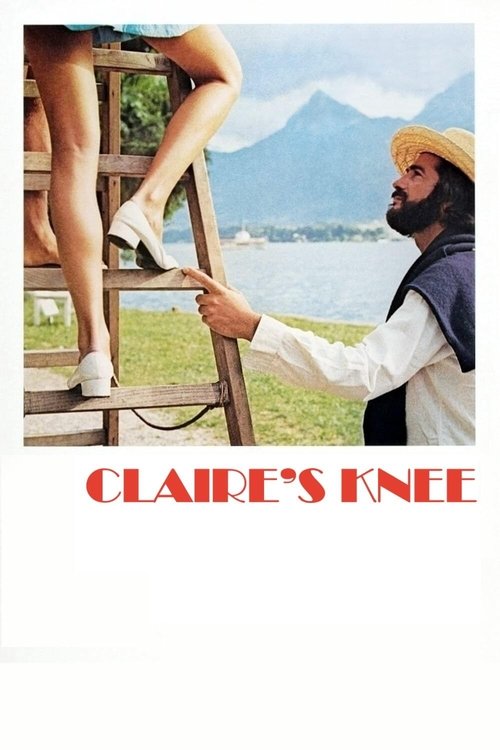
Claire's Knee1970
Rohmer at his philosophical best: a man about to marry becomes obsessed with touching a stranger's knee. Pure intellectual seduction, delicate and hypnotic, proof that Rohmer's cinema is about desire as a puzzle to solve.
But It moves at the pace of thought, not plot. If you need things to happen rather than be examined, this will feel like eavesdropping on someone's boring inner monologue.
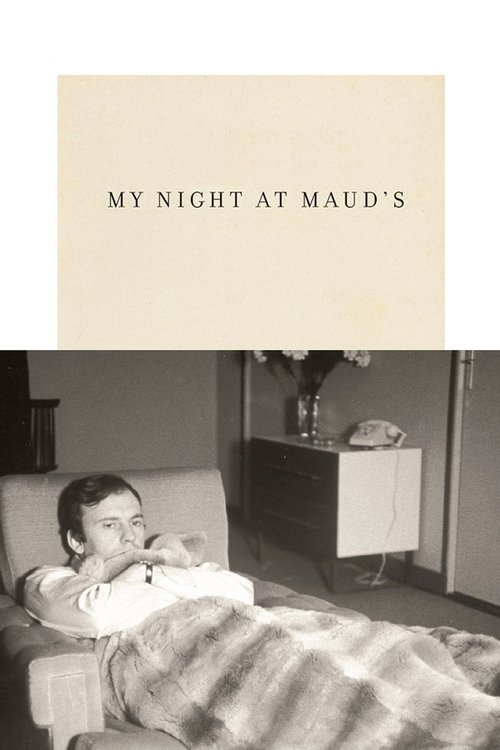
My Night at Maud's1969
A man encounters an old flame on New Year's Eve and spends the night debating faith, desire, and choice while snow falls outside. Achingly intelligent and mordantly funny, Rohmer's masterpiece about how we rationalize what we want.
But Three people talking in a room for most of the runtime. The plot isn't what matters, and that will frustrate you if you came for something to follow.
Cléo from 5 to 71962
A woman waits for cancer test results as Paris swirls around her. Agnès Varda captures real time, anxiety, and the strange comedy of seeing the world when you might not have much longer. Intimate, surprising, utterly alive.
But It's a real-time film—very little happens. The pacing is glacial by conventional standards, which some find meditative and others find frustrating.

Not sure tonight? Get a pick in a minute, starting from Boyfriends and Girlfriends
The wildcard
Something you would not have found on your own.
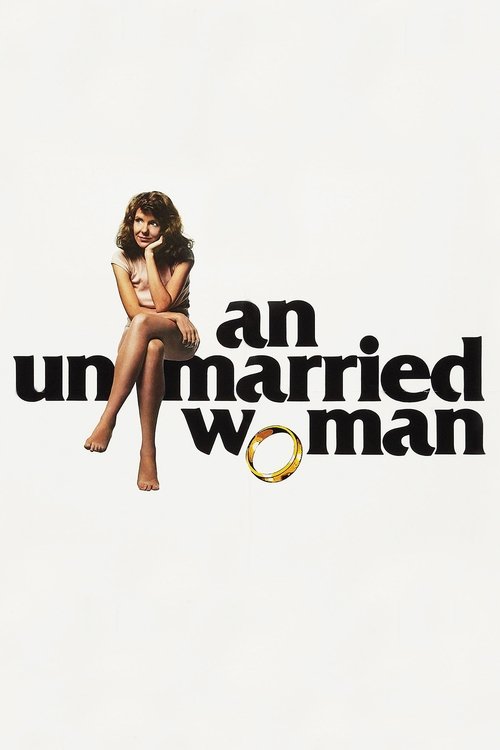
An Unmarried Woman1978
Both films find comedy and grace in the small negotiations between friends around desire, treating romantic uncertainty not as a problem to solve but as the substance of life itself.
A woman's marriage ends; she moves through New York discovering desire, art, and friendship on her own terms. Mazursky treats adult female sexuality—not conquest, but exploration—with humor and respect. Blanche's spiritual ancestor.
But The pacing is deliberately loose; it's more interested in texture than plot. The ending refuses to resolve things neatly, which some experience as unsatisfying rather than realistic.
More like this (8)
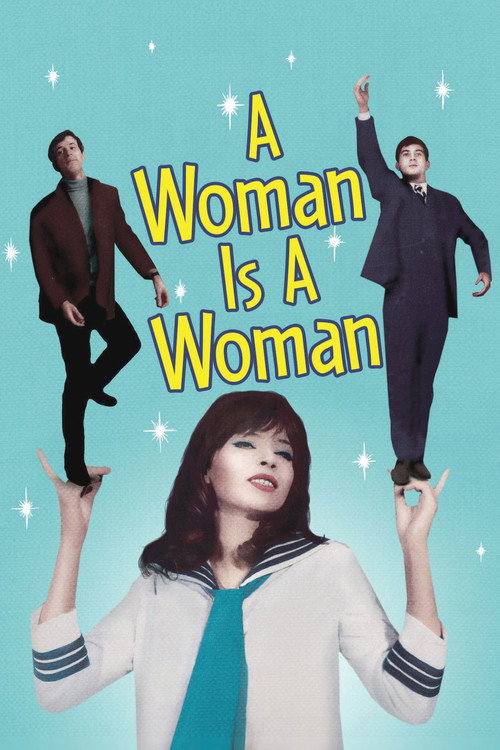
A Woman Is a Woman1961
Godard's love letter to Paris, desire, and Brialy. A woman wants a baby; her boyfriend doesn't. They argue through color and music and sudden musical numbers. Joyous and anarchic, proof that romance can be cinema's most daring register.
But The stylistic flourishes—Godard's constant technique-flexing—can feel mannered. If you want a clean story, the jump-cuts and theatrical asides will annoy you.
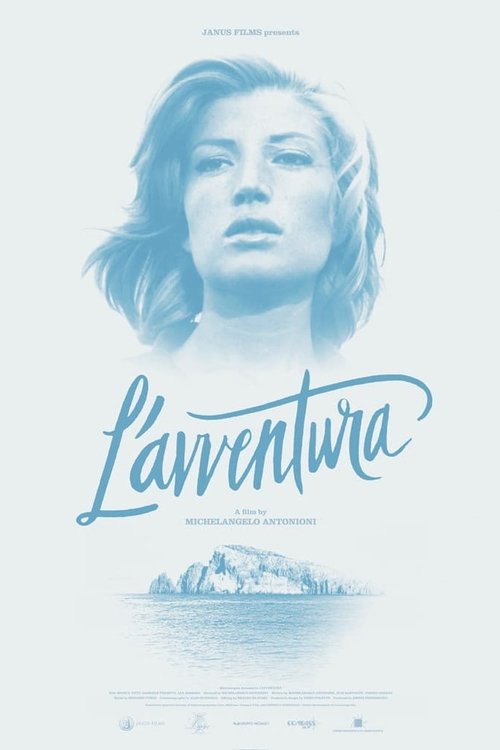
L'Avventura1960
A woman vanishes on an island and her lover searches for her—or does he? Antonioni's slow-burn masterpice about desire, indifference, and how we fail each other. Hypnotic, strange, utterly original in its refusal to comfort you.
But Long takes of characters moving through space; the woman disappears halfway through. If you prefer plot momentum and quick payoffs, this will feel like waiting for something that never comes.
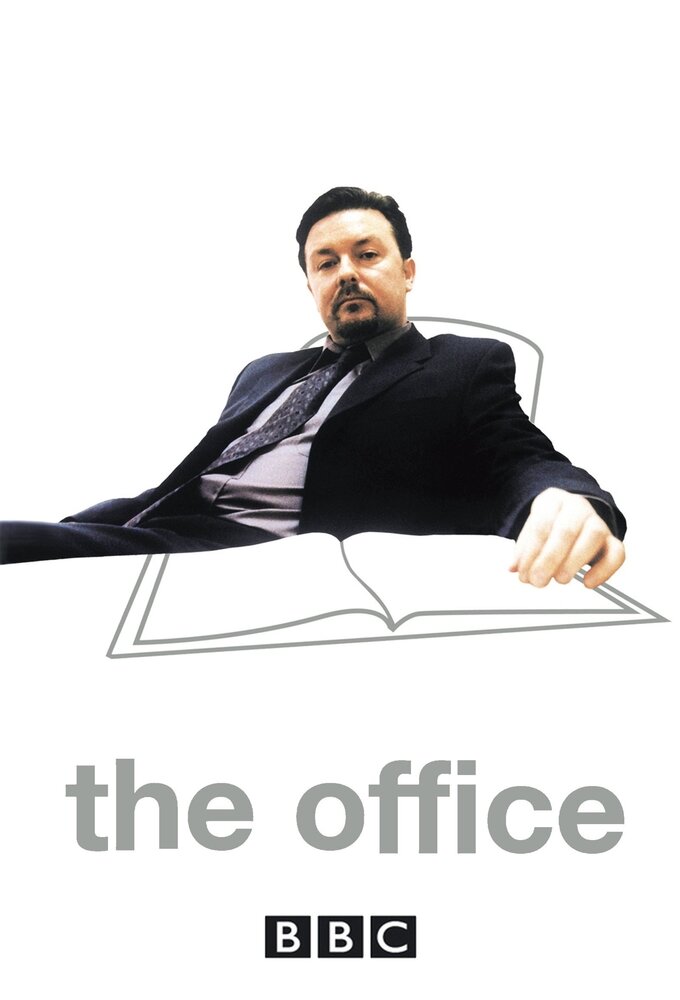
The Office2001
British sitcom about ordinary people in fluorescent hell, finding moments of connection between spreadsheets. Like Boyfriends in its gift for observing how we actually talk, flirt, and deflect. Cringe comedy born from genuine feeling.
But The first two seasons are almost painful to watch—the discomfort is intentional. It takes a while to warm to characters designed to embarrass themselves.
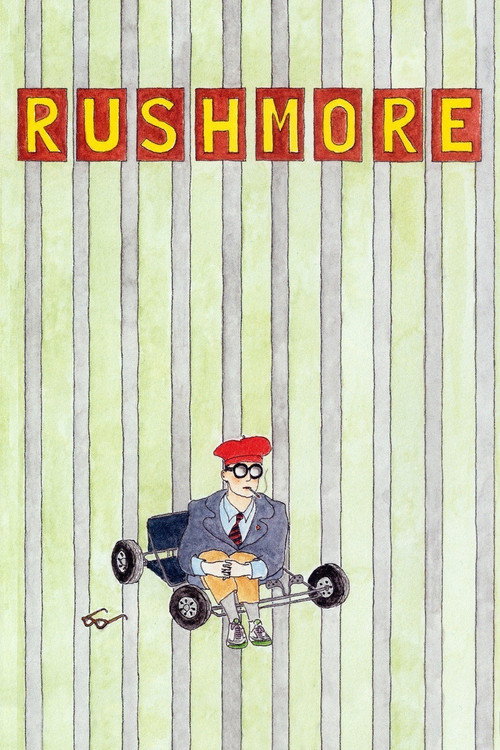
Rushmore1998
A teenager, a teacher, and an industrialist form a love triangle on school grounds. Wes Anderson finds genuine longing beneath the deadpan: about wanting to be seen, to matter, to connect. Funny and genuinely moving in equal measure.
But The stylization can feel precious. If you don't find the deliberate artifice charming, it reads as trying too hard to be clever.
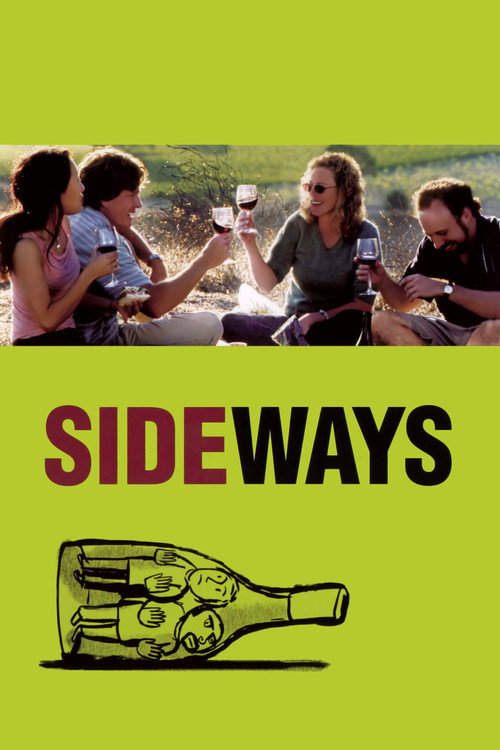
Sideways2004
Two middle-aged men drive through California wine country; one's marriage is ending, the other's about to start. What emerges is a story about desire, self-deception, and how we comfort each other. Warm, funny, achingly human.
But It's a hang-out movie, not a plot machine. If you need propulsion and resolution, it meanders when you want it to accelerate.
Moonlight2016
A Black boy grows up in Miami, moving through three chapters of connection and desire. Poetic, visually gorgeous, tender about touch and longing. Cinema at its most emotionally sophisticated and formally daring.
But Dialogue is spare; mood and image do the heavy lifting. Dialogue-driven viewers may feel adrift without constant explanation of what characters feel.

Jeanne Dielman, 23, quai du Commerce, 1080 Bruxelles1976
Where Boyfriends is comedy of talk and connection, Jeanne Dielman is its opposite: a meditation on solitude and routine. But both films trust the viewer to find profound humanity in the supposedly mundane—domestic life, ordinary bodies, what we do when no one's watching.
Three days of a widow's routine: shopping, cooking, an afternoon client, preparing dinner. Chantal Akerman's three-hour formal experiment turns domestic life into philosophy. It's hypnotic if you let it be; about time, labor, solitude, and how women move through the world.
But Three hours, minimal dialogue, shots of someone peeling potatoes. This is maximalist cinema about minimalism. Patience is not optional; it's the entire point. Most people will find it exhausting.

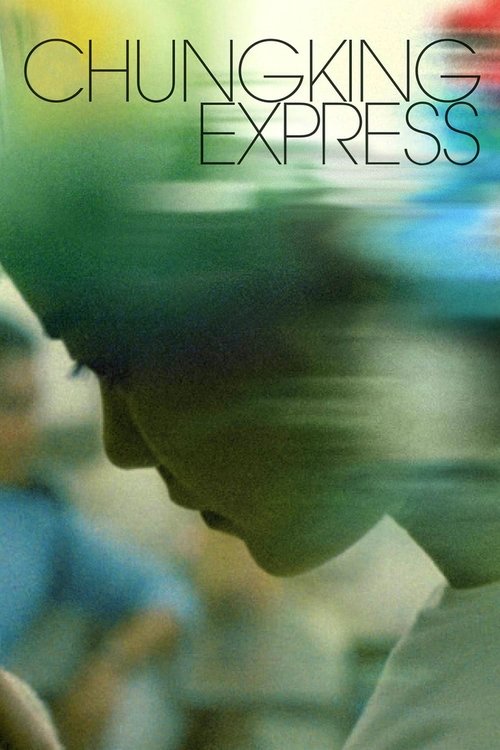
Chungking Express1994
Like Boyfriends, it understands that love is mostly about orbiting each other and wondering what someone else thinks. But where Rohmer's characters argue and confess, Wong's barely speak—the whole film is about what goes unsaid, creating intimacy through style rather than dialogue.
Two Hong Kong cops, two women, one apartment, no plot. Wong Kar-wai films desire as neon, longing as visual texture. A film that moves like a music video—impossible to describe, necessary to experience. It rewires how you see romance.
But The narrative is deliberately scattered; information is withheld. The film privileges mood and color over coherence. If you need clarity and forward motion, it's genuinely frustrating.
People
Cast
 Emmanuelle ChauletBlanche

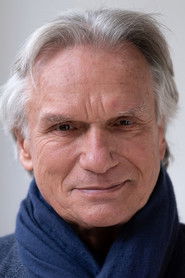 François-Eric GendronAlexandre
 Éric ViellardFabien
 Anne-Laure MeuryAdrienne
Directing
- Éric RohmerDirector
Writing
- Éric RohmerWriter
Production
- Margaret MénégozProducer
- Françoise EtchegarayProduction Manager