
Film
Les Bonnes Femmes
Chabrol's debut follows four shop girls in 1960s Paris with candour and dark humour, watching them navigate romance, boredom, and the gap between their dreams and reality. It's intimate and unsentimental, interested in the texture of ordinary disappointment. For anyone drawn to character-driven European cinema that sees women's lives as worthy of serious attention.
Should you watch it?
Watch it if you enjoy deadpan, observational comedy about ordinary boredom, where the humour sits in small gestures and the camera simply watches young women wait for life to start.
Skip it if you need plot momentum; little happens on purpose, and the drift of the days can feel thin for viewers wanting a clear through-line.
What it asks of you: Just a hundred minutes, but unhurried; scenes linger past their punchlines, and the sadness and comedy arrive quietly, so you must catch them yourself.
Not sure? Find tonight's pick in a minute.
If you liked this
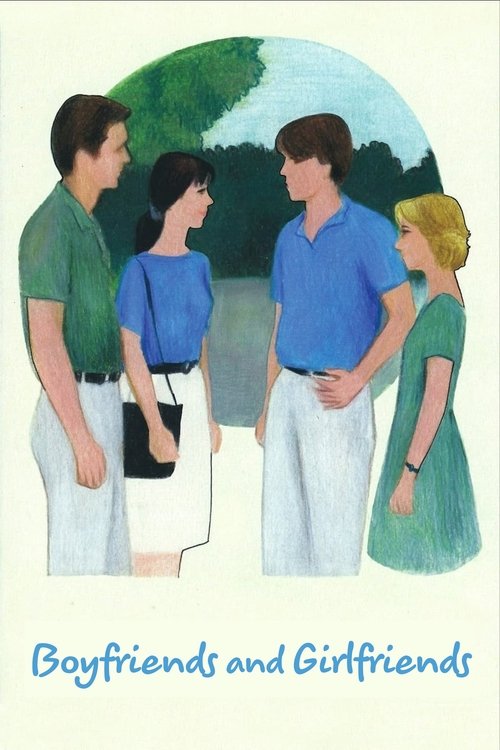
Boyfriends and Girlfriends1987
Rohmer captures the same Paris milieu—young people in love, making small mistakes, talking endlessly about feelings. Light where Chabrol is darker, but equally precise about desire and self-deception.
But Rohmer's films move at conversational pace. If you need plot momentum, this will feel like watching paint dry.
A Woman's Life2016
Charline Bourgeois-Tacquet traces the quiet unravelling of a woman's hopes across decades with the same sharp eye for how life narrows. Formally inventive where Les Bonnes Femmes is naturalistic, but the same moral clarity.
But It's bleak in a way that doesn't offer consolation. The film knows exactly what it's doing and refuses to look away.

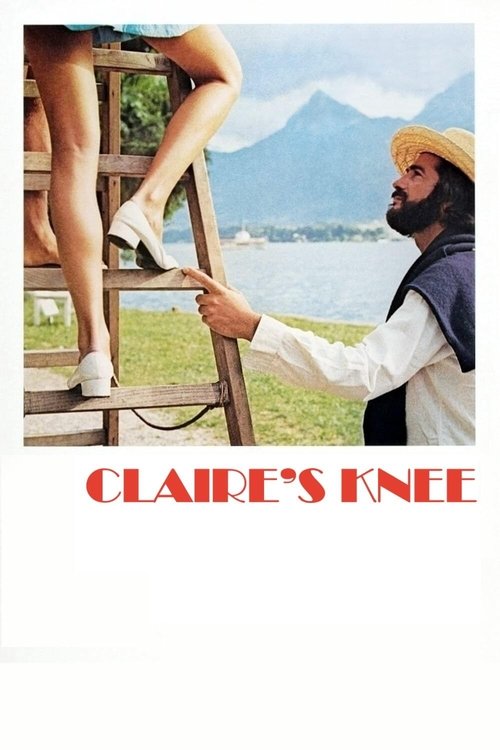
Claire's Knee1970
Another Rohmer study of desire and small betrayals, this time hinging on a man's obsession with a girl's knee. Funny and morally searching in equal measure, and utterly French in its refusal to judge.
But The premise sounds farcical. Getting past that takes patience, and not everyone will think the payoff justifies it.
Not sure tonight? Get a pick in a minute, starting from Les Bonnes Femmes
The wildcard
Something you would not have found on your own.
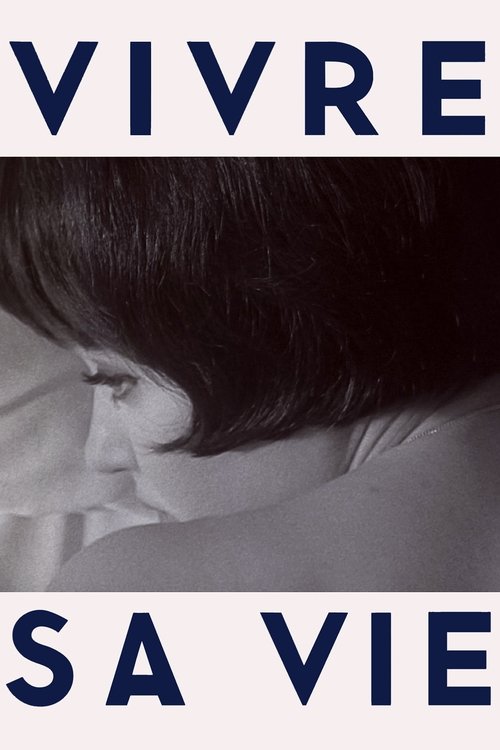
Vivre Sa Vie1962
Both films follow young Parisian women with unsentimental clarity, refusing to make their suffering romantic. Both ask what agency looks like when options are this thin.
Godard's film about a Parisian woman turning to sex work is formally radical—shot in tableaux, almost like a modern dance—but asking the same question as Les Bonnes Femmes: what happens when you have no choices? Absolutely essential.
But It's experimental in a way that can feel like punishment. Long takes of Nana's face, minimal narrative momentum. Godard doesn't make it easy.
More like this (7)
Contempt1963
Godard's film about a marriage collapsing while a film gets made. Like Chabrol, it's interested in what happens between people when desire dies—and in cinema's complicity in selling us lies about love.
But Godard's formal experimentation can feel like showing off. The colours are stunning but sometimes the technique distances you from the emotion.

Hiroshima Mon Amour1959
Resnais and Duras explore the impossibility of connection between two people, layers of memory and forgetting. Poetic where Chabrol is blunt, but asking the same questions about what we can truly know of each other.
But The non-linear structure and abstract screenplay demand active attention. It's not a film you can half-watch.
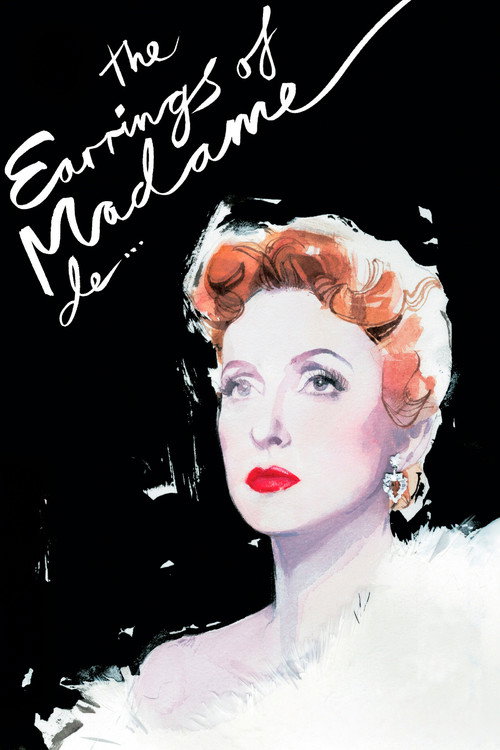
The Earrings of Madame de...1953
Ophüls traces how a small object—earrings—spirals through the lives of a Paris couple, revealing class, desire, and the machinery of social pretence. Gorgeous and heartbreaking about the things we can't say.
But It's in black and white and feels like a period piece despite being recent. The pace is formal and the emotional register is restraint.
La Haine1995
Mathieu Kassovitz's three-act study of friendship in the Paris suburbs—a different Paris than Chabrol's, but the same interest in how class and geography shape what's possible for young people. Urgent and alive.
But It's much more overtly political and formally aggressive. If you're looking for the same intimate, observational tone, this will feel loud.

Moonlight2016
Barry Jenkins traces a man's life in three acts, each a portrait of intimacy and longing. Like Chabrol, it trusts you to find meaning in silences and small gestures. Formally stunning and achingly human.
But The deliberate pacing and emphasis on mood over plot can feel static. Some find it more beautiful than moving.

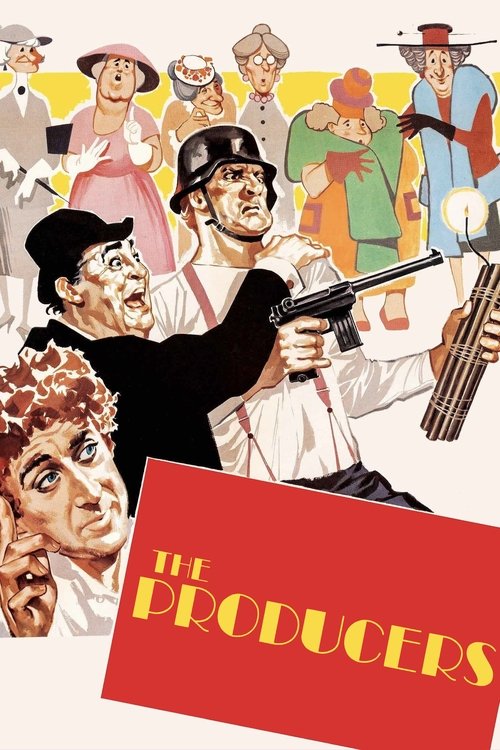
The Producers1968
Mel Brooks' debut is also about four characters navigating ambition and delusion in a specific place and time. Broader in tone, but the same dark comedy about the gap between what we want and what we get.
But It's a satire that relies on specific 1967 references. The humour can feel dated, and the sensibility is American where Chabrol is coolly French.
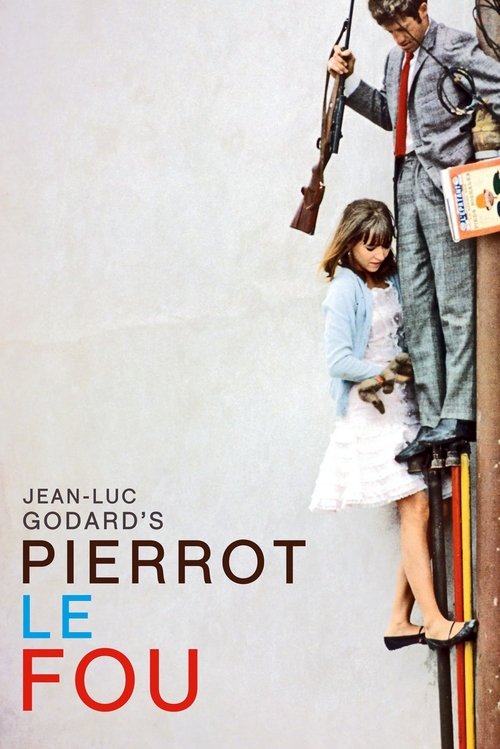
Pierrot le Fou1965
Where Les Bonnes Femmes is restrained observation, Pierrot is ecstatic excess—but both are about people whose desires collide with a world that cannot contain them, and both end badly.
Godard's wild, gorgeous, anarchic film about a man and woman running away from Paris into colour and chaos. It's the opposite mode—transgressive, ecstatic, violent—but about the same fundamental question: what do we want, and can we get it?
But It's baroque and self-consciously arty. The narrative collapses halfway through. Some see genius; others see someone showing off while the film falls apart.
People
Cast

 Clotilde JoanoJacqueline
 Stéphane AudranGinette

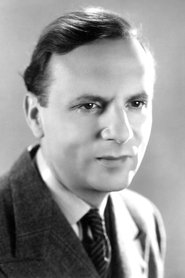 Pierre BertinMonsieur Belin
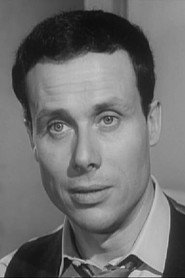 Jean-Louis MauryMarcel
- Albert DinanAlbert
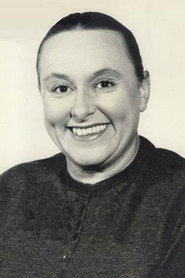 Ave NinchiMadame Louise
 Sacha BriquetHenri, Rita's Fiancé
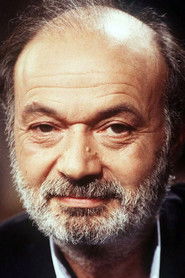 Claude BerriAndré, Young Soldier
- Jean BarclayLouis, Poet
- Rossana RossanigoPolly Cartoon
Directing
- Charles L. BitschAssistant Director
- Claude ChabrolDirector
- Jacqueline PareyScript Supervisor
Writing
- Paul GégauffDialogue
- Claude ChabrolScreenplay
- Paul GégauffScreenplay
Production
- Raymond HakimProducer
- Robert HakimProducer
- Ralph BaumProduction Manager
- Jean LavieUnit Manager