
Film
The Bachelor Party
A 1957 ensemble drama about five office workers spending one night before one of them marries. As the evening dissolves into drink and honesty, their facades crack to reveal anxieties about love, masculinity, and adulthood. Intimate without being sentimental, funny without winking at the audience. For anyone who's felt the strange vertigo of watching friends settle into their lives.
Should you watch it?
Watch it if you enjoy quiet, talky character studies where a single night of drinking slowly strips men of their small pretenses, and you like dialogue that feels overheard rather than staged.
Skip it if you want a plot that builds toward a clear event, since much of this 92-minute film is men talking in bars and apartments with little forward momentum.
What it asks of you: It asks for patience with a slow, conversational rhythm, and it stays in one loose, rain-soaked evening rather than sweeping outward, so attention to what people say matters more than action.
Not sure? Find tonight's pick in a minute.
If you liked this
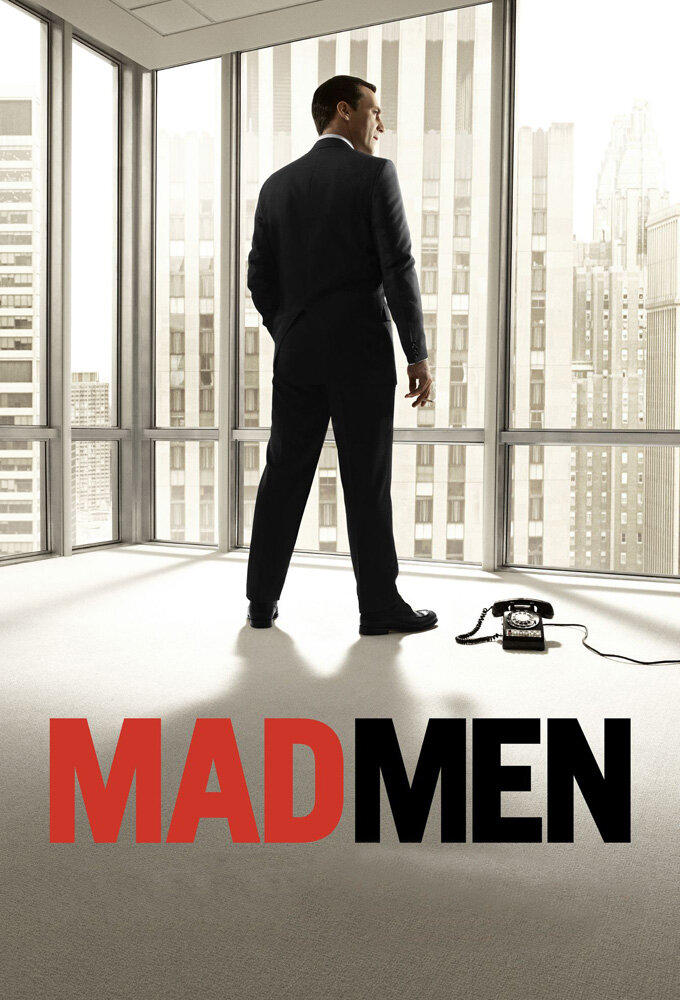
Mad Men2007
Same era obsession with male performance and the gap between public confidence and private terror. Office workers performing versions of themselves while wrestling with desire, ambition, and the cost of conformity.
But Sixty hours is a commitment. The first season moves slowly, and if you're allergic to cigarette smoke and period detail, you'll struggle.
American Beauty1999
Both burrow into suburban masculine crisis through a precise, almost anthropological eye. Neighbors and colleagues revealed as strangers to themselves. A single night (or season) as pressure cooker.
But It's aged into self-importance. The film believes its own diagnosis more than *Bachelor Party* does, which can feel airless.

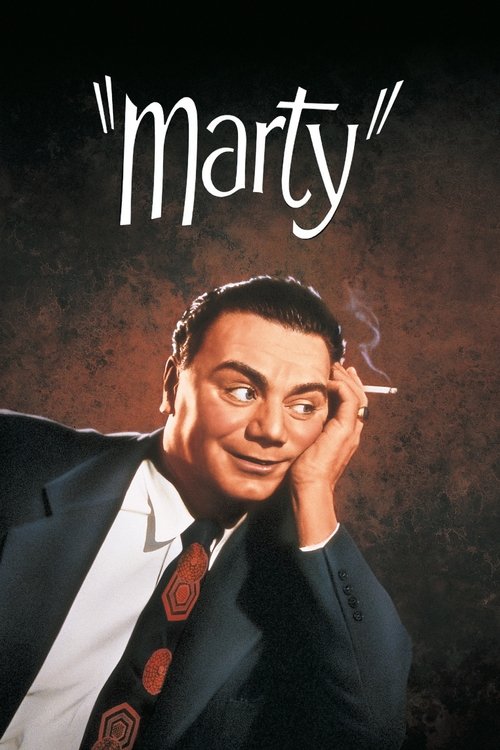
Marty1955
Contemporary portrait of ordinary men wrestling with expectation and loneliness. Shot in grainy black-and-white, deeply kind to its characters without condescending. The spiritual cousin to *Bachelor Party*.
But No plot mechanics to drive it forward. If you need narrative momentum, it will feel static and small.
Not sure tonight? Get a pick in a minute, starting from The Bachelor Party
The wildcard
Something you would not have found on your own.
In the Mood for Love2000
Both films know that what people don't say matters more than what they do. The emotional truth lives in hesitation, in the spaces between words.
Wong Kar-wai's film about longing expressed through restraint and repeated gestures. Like *Bachelor Party*, it understands that the most intimate moments are the confessions barely spoken. Alcohol becomes yearning; cigarettes become time passing; a single night contains everything unspoken in a marriage.
But It's hyperstylized and slow. If you want realism or plot momentum, the formal beauty will feel like decoration. Some find it precious.

More like this (7)
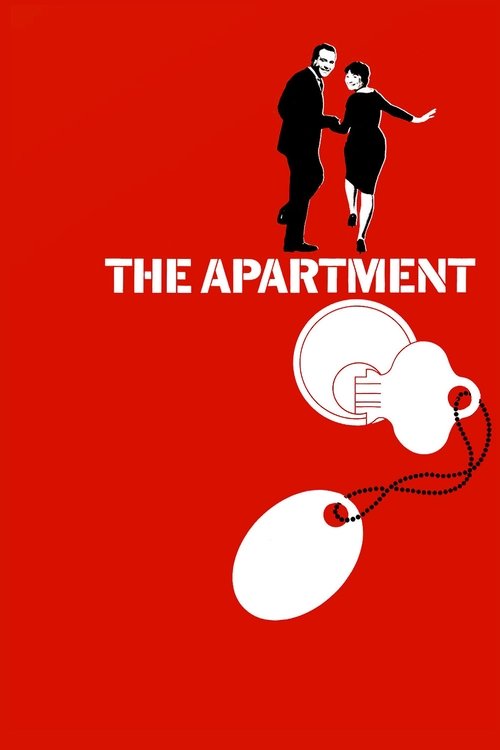
The Apartment1960
Office comedy-drama about men and the impossible compromises they make for advancement and belonging. Funny, then heartbreaking. Wilder's take on the same world *Bachelor Party* observed.
But The romantic subplot hasn't aged perfectly. Some of the gender dynamics read differently now than they did meant to.
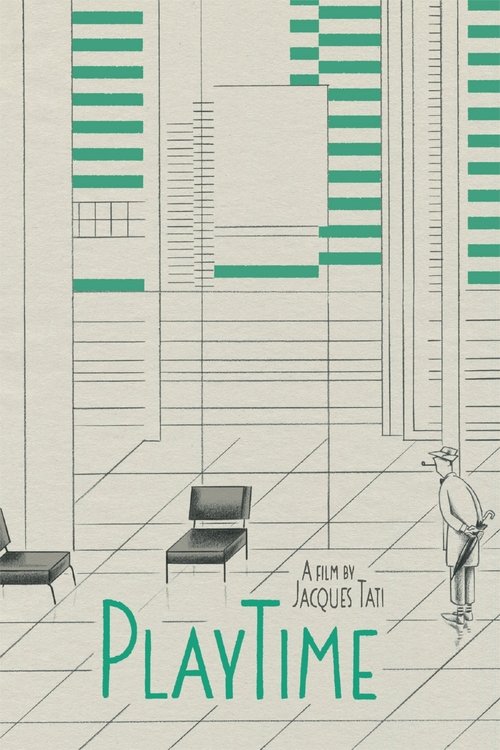
PlayTime1967
Tati's encyclopedic study of modern men as cogs performing in a rationalized world. Like *Bachelor Party* expanded into a whole society. Hilarious and melancholy simultaneously.
But It's 124 minutes of precise visual comedy in French with minimal dialogue. Requires patient, active watching. Not background material.
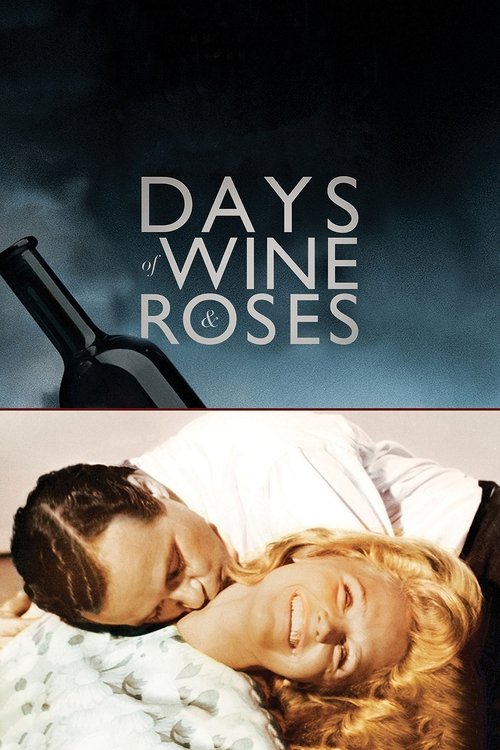
Days of Wine and Roses1963
Blake Edwards' brutal portrait of pleasure curdling into dependency. Two people spiraling together, their night out as symptom of something deeper. Alcohol as truth serum and trap.
But Genuinely bleak. This is not a film that lets you off easy. No catharsis, just consequences.
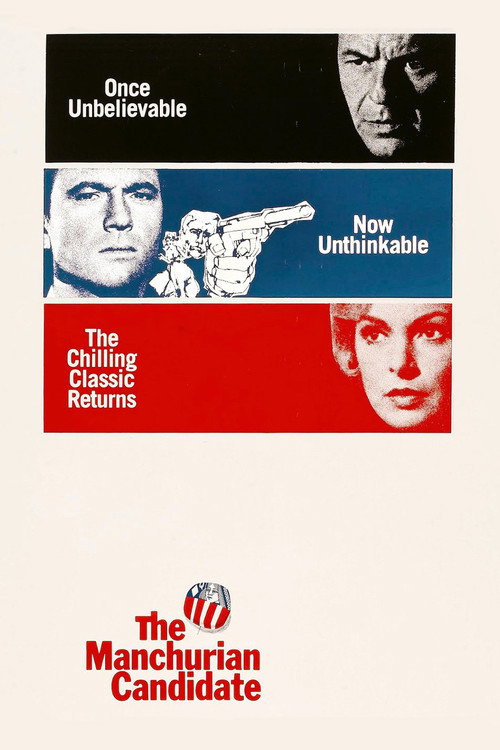
The Manchurian Candidate1962
Men in groups, performance under pressure, paranoia about conformity and control. Tense as a wire. Frankenheimer's take on masculine anxiety as national security threat.
But It's a Cold War thriller first, character study second. If you want subtlety over plot, you'll feel yanked around.
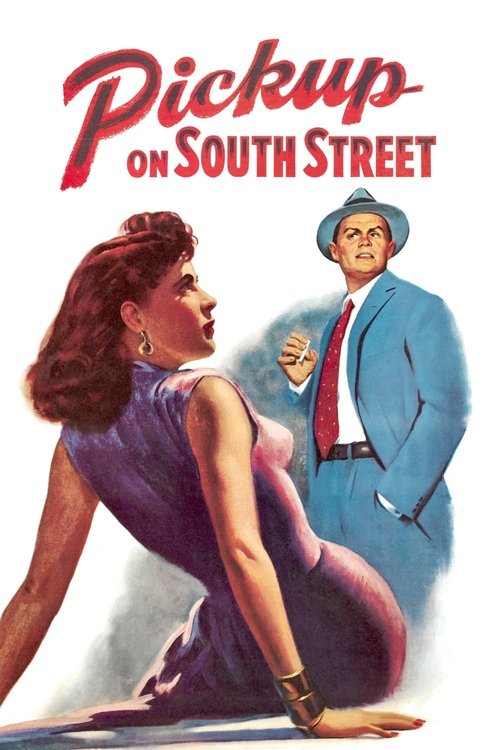
Pickup on South Street1953
Fuller's portrait of men at the margins of society, street logic and survival. Different world from *Bachelor Party*, but same sharp-eyed compassion for people trying to stay upright.
But It's a B-movie with melodramatic turns. The romance subplot is obligatory and clumsy. The social realism keeps getting interrupted by plot.
Tokyo Story1953
Both work through ensemble moments in confined time, where character emerges through small talk and silences. Neither needs plot twist. The story is people being themselves.
Ozu's seemingly plotless portrait of ordinary people gathered for a family occasion, watching how they relate to each other in close quarters. One generation trying to understand another. Time and change observed with devastating tenderness and humor.
But Nothing happens. There's no conflict arc. If you're used to Western narrative, it will feel like nothing is occurring. The pacing is glacial.

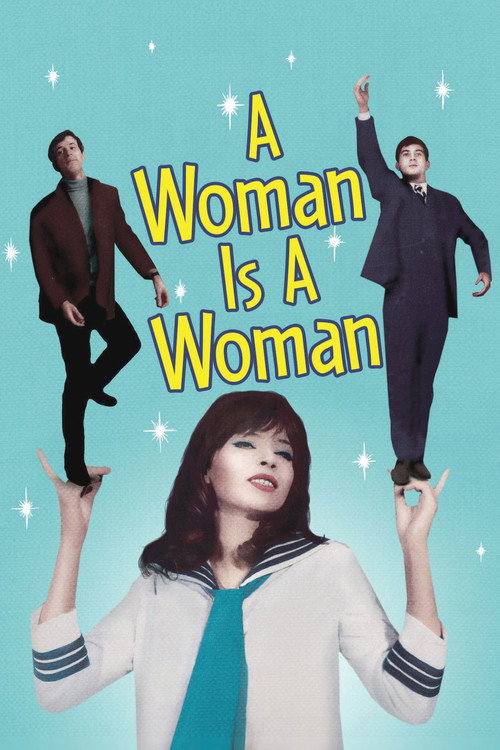
A Woman Is a Woman1961
Like *Bachelor Party*, it uses a confined social moment (a couple and friend, drinks, conversation) to ask serious questions about commitment and desire without ever feeling serious about it. Both balance joy and unease.
Godard's vibrant, playful film about a couple and their friend, shot in color, full of direct address and musical interruption. It's a night out that becomes a philosophical inquiry into love and partnership. French New Wave precision meets vaudeville.
But It's in French, formally experimental, and doesn't move like conventional drama. If you want emotional realism, the stylization reads as cold. Very 1960s in its affect.
People
Cast
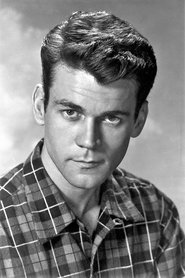 Don MurrayCharlie Samson
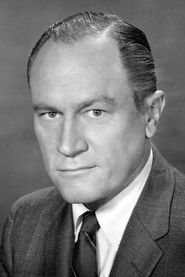 E.G. MarshallWalter
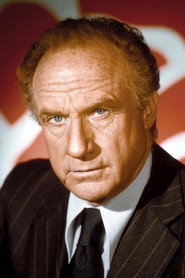 Jack WardenThe Bachelor [Eddie Watkins]
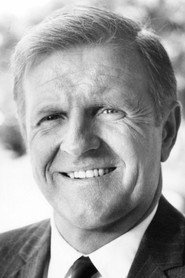 Philip AbbottThe Groom [Arnold Craig]
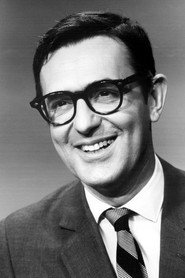 Larry BlydenKen [Kenneth]
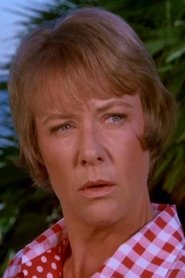 Patricia SmithHelen Samson
 Carolyn JonesThe Existentialist
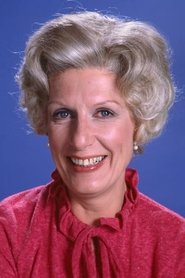 Nancy MarchandThe Sister-in-law [Julie]
- Patricia SmithThe Wife [Helen Samson]
 Karen NorrisHostess
- Barbara AmesGirl on stoop
Directing
- Dick MayberryAssistant Director
- Delbert MannDirector
Writing
- Paddy ChayefskyScreenplay
- Paddy ChayefskyStory
Production
- Paddy ChayefskyAssociate Producer
- Harold HechtProducer