
Film
The Sorcerers
A 1967 British horror film where an aging hypnotist's mind-control device becomes a weapon of twisted revenge. Karloff is magnetic as a man losing grip on his creation's dark potential, while his wife gleefully wields it like a tool of seduction and destruction. Slow-burn, psychologically nasty, and utterly of its moment—a film about aging, power, and the cruelty that blooms when you can finally make someone yours.
If you liked this
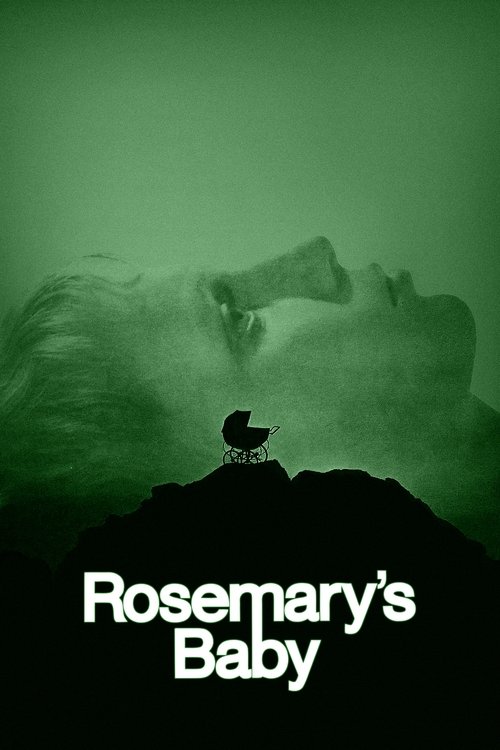
Rosemary's Baby1968
Paranoia creeping into domestic bliss, a woman slowly realizing the people closest to her have turned into enemies. Similar mood of intimate betrayal and the horrible clarity that comes too late.
But Slower than modern horror; you spend a lot of time watching her get gas and worry. The payoff matters more than the scares.
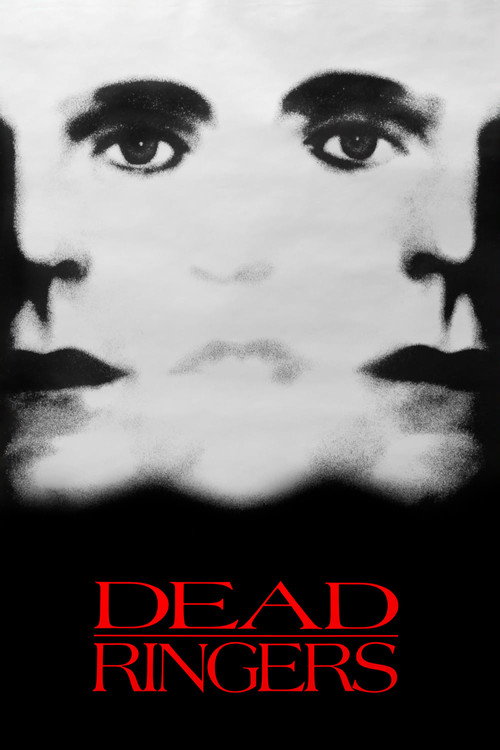
Dead Ringers1988
Cronenberg's exploration of symbiosis twisted into something obsessive and sexual. Two men bound by need and genius, watching the dynamic eat them alive from the inside.
But Clinical and gynecological in its detail. Deeply uncomfortable about bodies and medical violation. Not interested in making you comfortable.
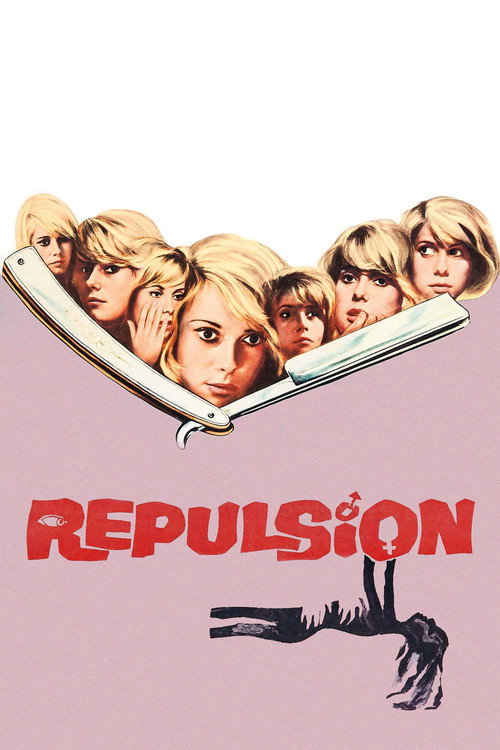
Repulsion1965
A woman's mind fractures as desire and revulsion collide. Catherine Deneuve's quiet breakdown is terrifying precisely because it's interior—you're trapped in her spiraling thoughts.
But Claustrophobic and sexually anxious in ways that can feel relentless. Her decay is the whole film; there's nowhere to look away.
Not sure tonight? Get a pick in a minute, starting from The Sorcerers
The wildcard
Something you would not have found on your own.
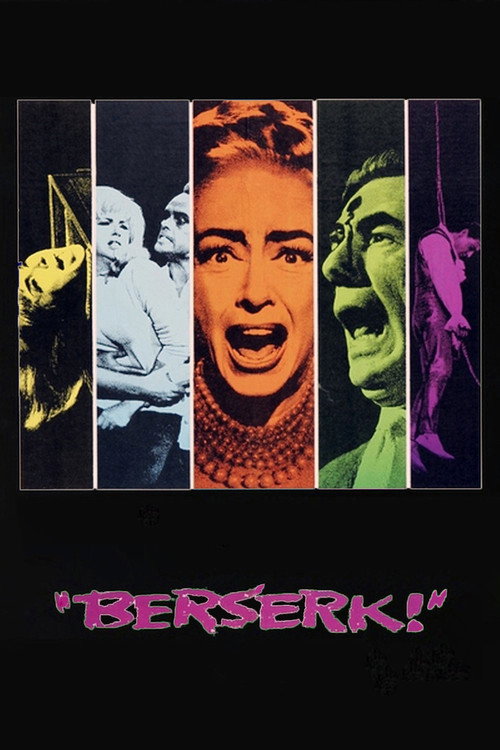
Berserk!1967
Both are 1967 British horrors about aging stars losing control of their own narratives. Both pit glamour against darkness. Both suggest power itself is a kind of sorcery.
Joan Crawford's final film: a circus owner menaced by mysterious deaths, her glamour and control weaponized against her. Deeply weird, sadistic toward its star, and utterly committed to its own logic.
But B-movie plotting with A-list pretension. Crawford's performance is camp as often as it is commanding. The mystery is less important than the mood.
More like this (8)
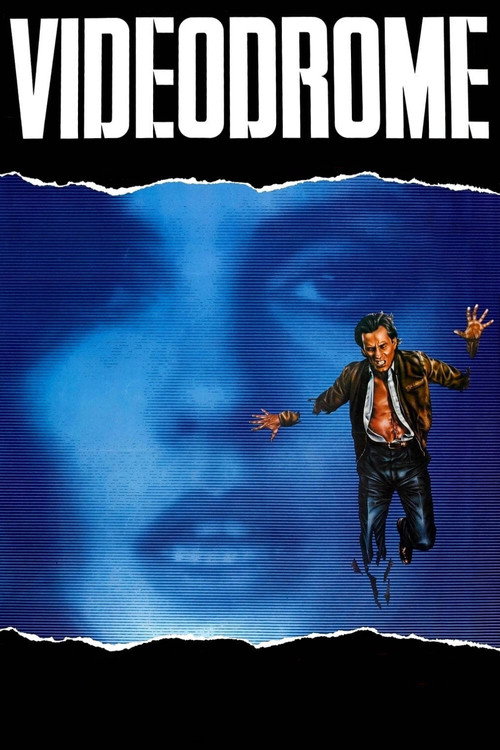
Videodrome1983
Reality dissolving through technology and sexual manipulation. A man's mind hacked by people who want to use him. Body horror meets philosophical dread.
But Genuinely unsettling imagery of bodily mutation. Also a bit incoherent on purpose, which some find brilliant and others exhausting.
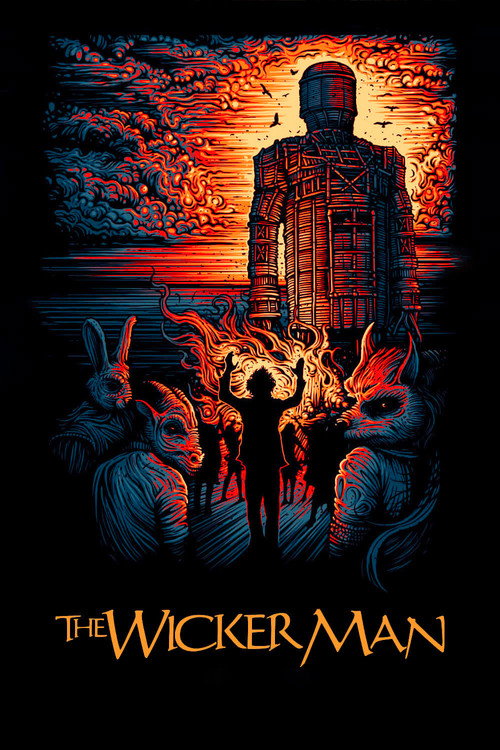
The Wicker Man1973
Pagan horror about a community's hidden rituals and the outsider who stumbles into their web. Cult psychology, folk menace, and the dissolution of one man's certainty.
But Folk music and pagan imagery some find more silly than sinister. The ending is deliberately bleak and offers no comfort.
Night and Fog1956
Resnais's thirty-minute meditation on atrocity and the corruption of will. How ordinary people are made to do unspeakable things. Utterly devastating.
But Documentary about the Holocaust. Requires absolute attention and emotional openness. Not escape; it's reckoning.
The Servant1963
Power dynamics rotting a household from within. Servant and master trade positions through psychological warfare. A masterclass in how dominance is constructed and dismantled.
But Stagey and theatrical; chamber-piece intensity. Class-conscious in a way that can feel dated, though the psychology never does.

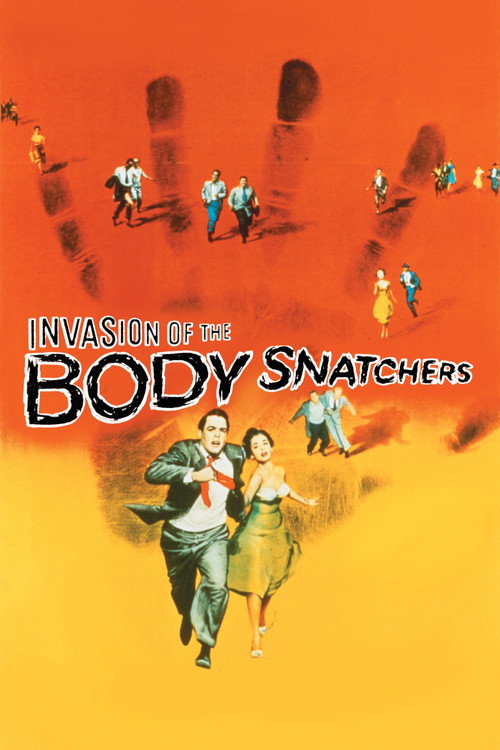
Invasion of the Body Snatchers1956
Paranoia as a creeping dread. Your neighbor, your spouse—are they still them? Cold War anxiety wearing a science-fiction coat, but the fear is purely psychological.
But Dated effects and pacing. It works on mood more than spectacle, so if you want action or visual invention, you'll be disappointed.
The Invisibles2014
A man's mind systematically erased and rebuilt by coercive techniques. Intimate psychological horror about identity as something that can be stolen.
But Experimental structure and deliberately obscure narrative. Asks more questions than it answers, which some find profound and others frustrating.
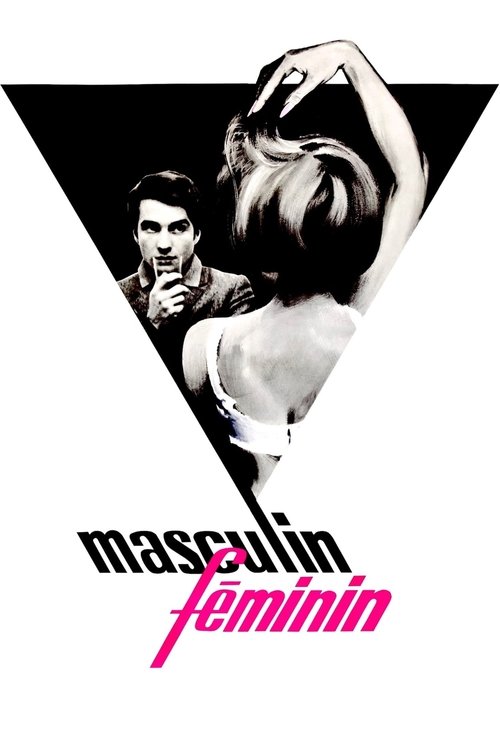
Masculin Féminin1966
Both are about the fantasy of total possession—sexual or otherwise. Both suggest that the desire to control someone is its own kind of sorcery, and destroys the controller as surely as the controlled.
Godard's essay on desire, youth, and the male gaze as a kind of control. Two lovers circling each other; she's the mystery he can never quite possess, no matter what he does.
But Essayistic and fragmented. Godard talking directly to you breaks the narrative. If you want plot, you'll be lost. If you want a film-poem about manipulation, it's extraordinary.
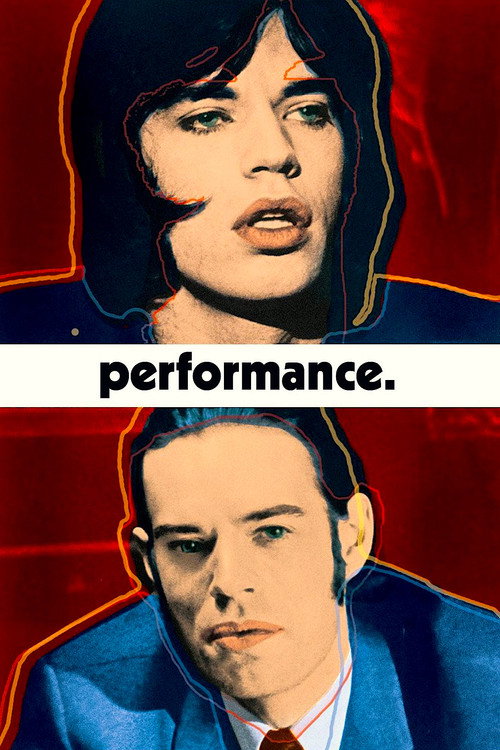
Performance.1970
Both explore the corruption of identity through external will. Both suggest that the line between controller and controlled, self and other, is thinner and far more terrifying than we'd like to admit. Both are genuinely unsettling about desire.
A gangster hiding with a reclusive rock star; identity and sexuality bleed into each other. Stunning, hallucinogenic, absolutely committed to psychological dissolution and the death of self.
But Genuinely difficult to follow; symbols matter more than plot. Sexually explicit and violent. Mick Jagger's performance is fascinating or unbearable depending on your tolerance for provocation.
People
Cast
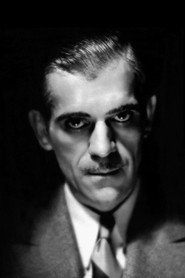 Boris KarloffProf. Marcus Monserrat
 Catherine LaceyEstelle Monserrat
 Elizabeth ErcyNicole
 Ian OgilvyMike Roscoe
 Victor HenryAlan
- Sally AdamsLaura Ladd
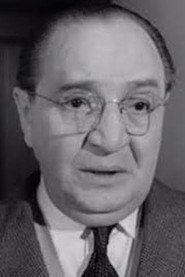 Meier TzelnikerThe Jewish Baker
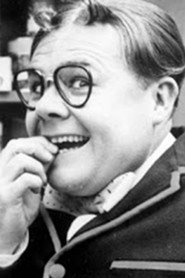 Gerald CampionCustomer in China Shop
 Susan GeorgeAudrey Woods
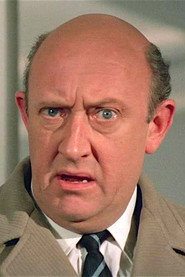 Ivor DeanInsp. Matalon
- Peter FraserDetective George
- Martin TerryTobacconist
Directing
- Michael ReevesDirector
Writing
- John BurkeIdea
- Michael ReevesScreenplay
- Tom BakerScreenplay
Production
- Michael ReevesProducer
- Patrick CurtisProducer
- Tony TenserProducer