
Film
The Invisibles
Other titles called The Invisibles: the 2017 film, the 2019 film, the 2024 film.
- Social drama
- Very dark
- Slow-burning
A seven-minute animated documentary following homeless people in Los Angeles—veterans, addicts, the economically devastated, those society has written off. It's a restless, empathetic portrait in motion, asking you to see the people behind the invisibility. For anyone who wants art to witness what's usually ignored.
If you liked this
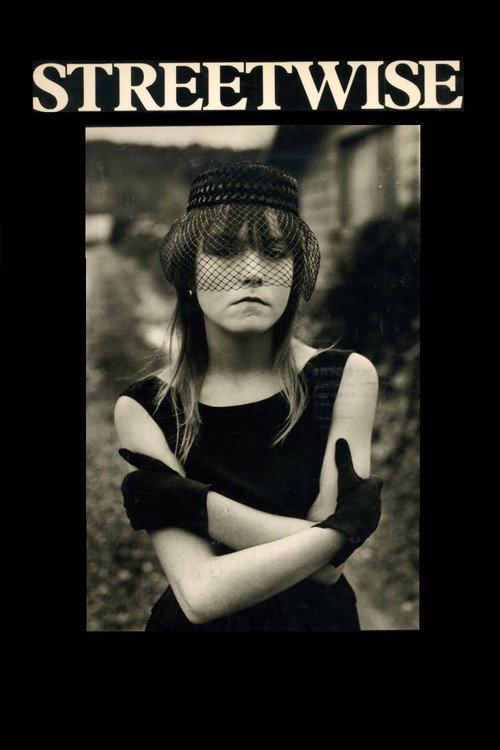
Streetwise1984
Iconic documentary following street kids in Seattle with unflinching tenderness. It captures youth, survival, and the systems that fail them with a clarity that still stings decades later.
But Shot on grainy 16mm in the early 80s, it's sometimes hard to watch—not visually, but emotionally. The stakes feel heavier than contemporary documentaries.
Gamera 3: Revenge of Iris1999
Animated feature tracing the history of labor movements and resistance. Uses the same medium as The Invisibles to make the invisible visible, turning economic theory into lived experience.
But Can feel didactic. The film believes in its message so completely it sometimes forgets to show rather than tell.

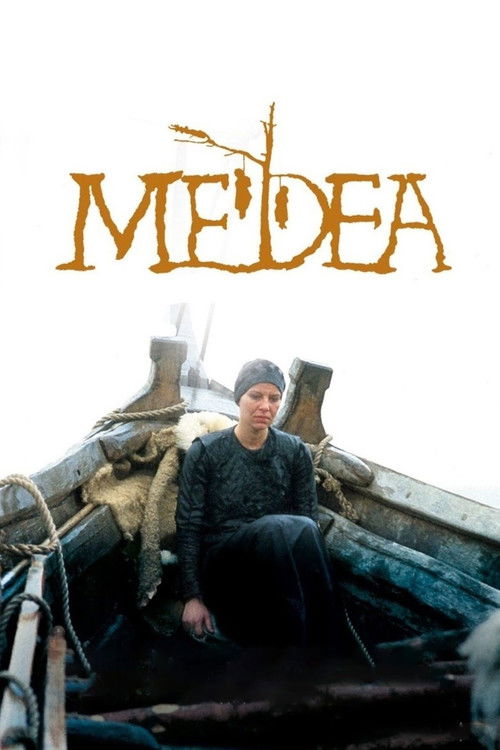
Medea1989
Maria Abbado's animated adaptation of Euripides strips away theatrical flourish to find raw psychological horror. Two women destroyed by patriarchy and circumstance, rendered in stark, brutal frames.
But Deliberately ugly. Not rewarding to watch in the way entertainment usually is. Demands you sit with pain.
Not sure tonight? Get a pick in a minute, starting from The Invisibles
The wildcard
Something you would not have found on your own.
Tokyo Story1953
Both find profound humanity in people society overlooks. Both trust you to see without being told. Both use form—animation here, Ozu's geometry there—to turn invisibility into vision.
Ozu's masterpiece: an elderly couple visit their children in postwar Tokyo. There is almost no plot. Instead, he shows how people navigate loss, obligation, and the kindness of ordinary life. Every frame whispers rather than shouts.
But Demands a complete retuning of what cinema can do. If you're used to narrative momentum, this will feel like nothing happens. It requires you to change, not the film to meet you halfway.

More like this (7)
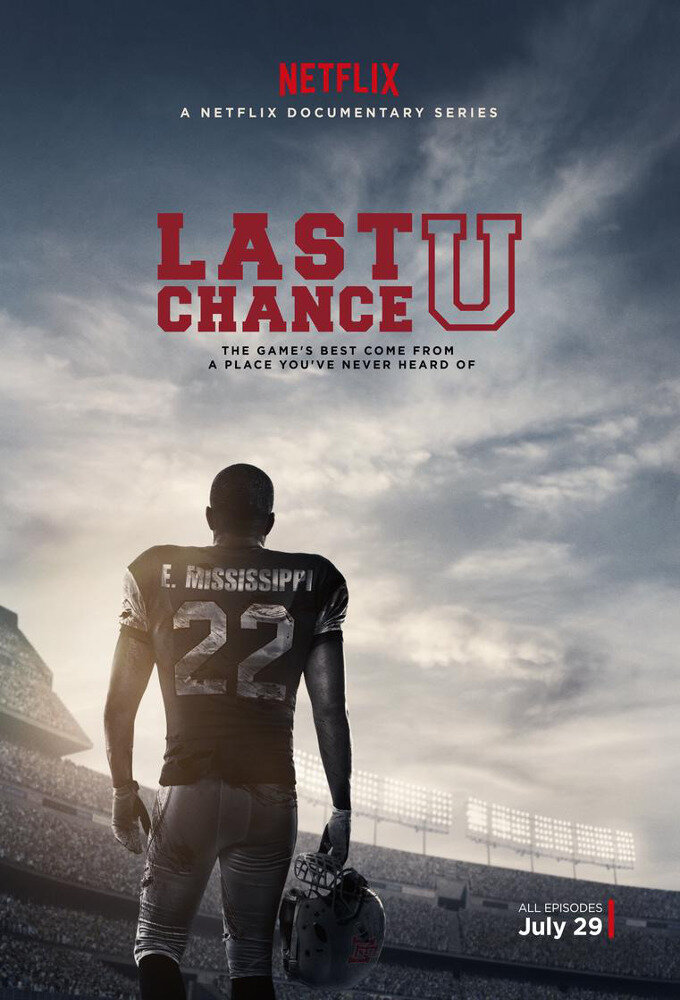
Last Chance U2016
Netflix series about college football programs and the Black athletes they exploit. Structured like drama but all documentary truth. Shows how systems grind people into profit.
But Slower than standard sports docs and has little sympathy for the powerful. If you want redemption arcs, this isn't it.
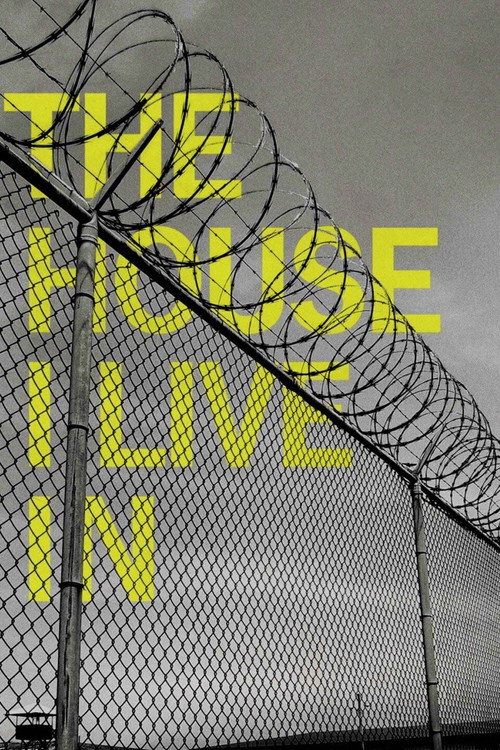
The House I Live In2012
Examines the War on Drugs as a war on poor and Black Americans. Prison abolitionist thinking before it entered the mainstream. Quietly furious and architecturally precise.
But Dense with policy and history. Can feel like homework, though homework that matters.
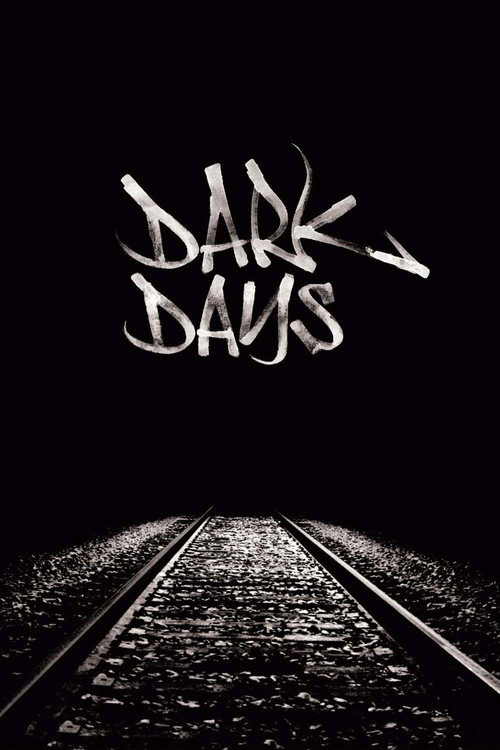
Dark Days2000
Shot entirely in a subway tunnel where homeless people live in New York. Tender, specific, made with the community not about it. Black-and-white cinematography transforms documentary into something dreamlike.
But Long and paced slowly. Resists the urge to explain or moralize. That refusal is the point, but it's not for everyone.
Boyhood2014
Richard Linklater shot for twelve years as his cast actually aged. A mother and son struggle through economic precarity, addiction, disappointment. About survival, not success, in ordinary American life.
But Nearly three hours of conversational scenes. No arc in the traditional sense. Demands patience and rewards it quietly, which some mistake for nothing.

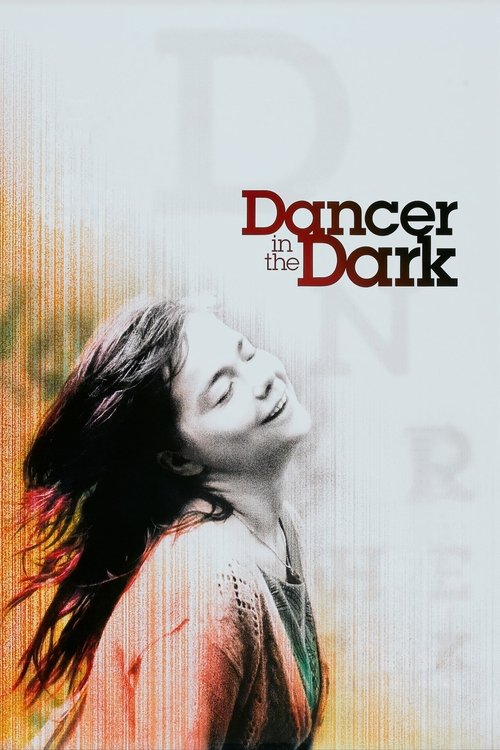
Dancer in the Dark2000
Björk plays a factory worker and single mother in 1960s America, slowly crushed by poverty and circumstance. Lars von Trier imagines her inner life in musical fantasy. Devastating and strange.
But Ends in a place some find genuinely hard to forgive. Not cathartic. Doesn't offer you an easy way to process what you've watched.
The Act of Killing2012
Both refuse simple spectacle in favor of complicated witnessing. Both animate (literally and philosophically) people erased by official narratives. Both ask what it means to make someone visible.
Sørens Kragh-Jacobsen uses documentary and performance to examine perpetrators of genocide, having them stage their own violence. It's ethnographic theater that exposes how people narrate atrocity.
But Morally vertiginous. You never settle into a safe position. Some call it brilliant, others say it gives monsters a platform.

Stalker1979
Both locate humanity in margins and in what's unseen. Both use form—Tarkovsky's temporal depth, The Invisibles' animation—to make philosophical points concrete. Both propose that seeing someone changes them.
Tarkovsky's science-fiction meditation on desire, faith, and what we pursue. A guide leads two men through a mysterious zone toward a wish-granting room. Shot in long takes, almost hypnotic, asking what we actually want when we want.
But 163 minutes of contemplative pacing. Shot list reads like a philosophical diagram. If you need plot or conventional drama, you're watching the wrong film.

People
Directing
- Edgar ÁlvarezDirector
Writing
- Amanda RodriguezCo-Writer
- Edgar ÁlvarezWriter
Production
- Amanda RodriguezProducer
- Edgar ÁlvarezProducer