
Film
Gamera 3: Revenge of Iris
The final film in Daiei's 1990s Gamera trilogy pivots away from child-monster bonding into something darker: a girl's grief becomes weaponized against the guardian kaiju itself. It's a film about how protection can feel like destruction, shot with real visual ambition and genuine dread. For fans who thought giant monster movies could be tragic.
If you liked this
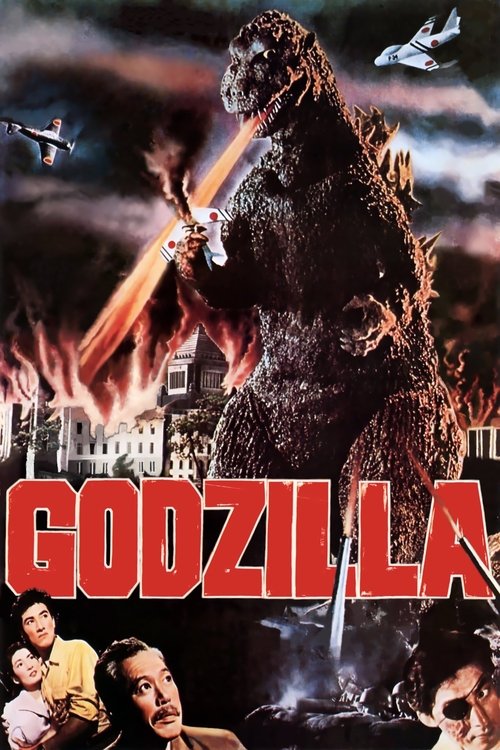
Godzilla1954
The original and still the best: a film about nuclear catastrophe and Japan's relationship with destruction, wrapped in monster-movie spectacle. Gamera 3 owes everything to this template.
But It's slower than modern blockbusters, and the monster isn't on screen as much as you'd expect. Black and white. Subtitles.
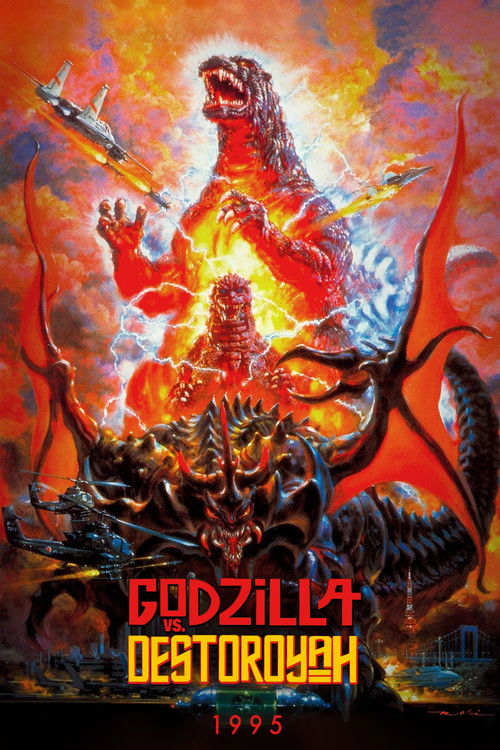
Godzilla vs. Destoroyah1995
The Heisei era Godzilla's final bow, similarly interested in what happens when a protector becomes a threat. Stunning practical effects and genuine melancholy mixed with spectacle.
But The plot is dense with continuity from previous films. If you haven't seen the other '90s Godzillas, you'll be lost.
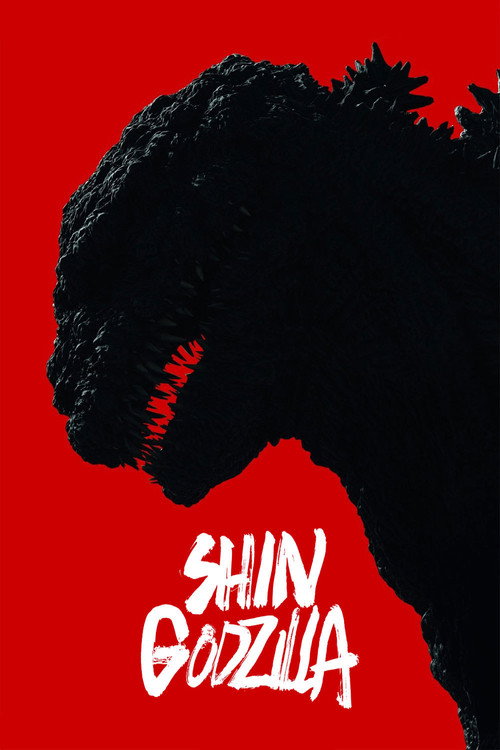
Shin Godzilla2016
A kaiju film that abandons monster-movie comfort entirely. It's about bureaucracy, evolution, and fear so palpable you feel it in your chest. Visually extraordinary.
But There's almost no traditional action. Long stretches are people in offices. The tone is bleakly serious throughout—no relief.
Not sure tonight? Get a pick in a minute, starting from Gamera 3: Revenge of Iris
The wildcard
Something you would not have found on your own.
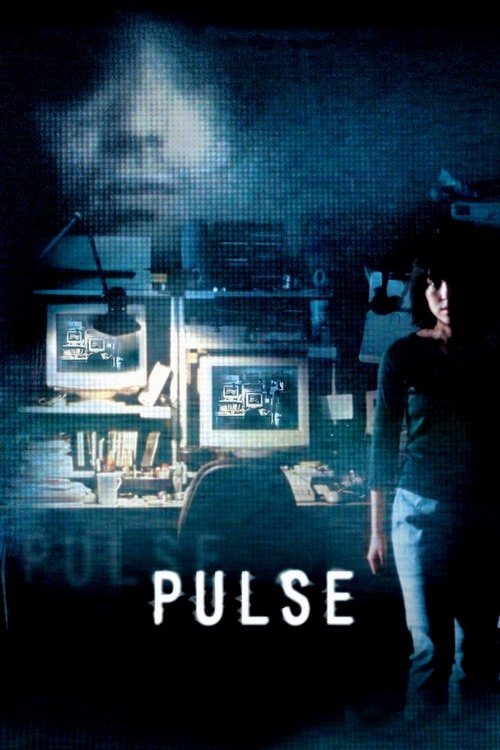
Pulse2001
Both films understand that giant monsters or supernatural forces are metaphors for loss of control and the failure of human connection. Both refuse easy catharsis.
A horror film about connection and isolation, where technology becomes a doorway to something unknowable and sad. It shares Gamera 3's sense that the world is fundamentally lonely and frightening, but approaches it through ghost stories and digital dread instead of monsters.
But It's deliberately paced to unsettle rather than entertain. Long scenes of nothing, static shots, an ending that resolves nothing. Subtitles, and a tone of profound emptiness that can feel punishing.
More like this (8)
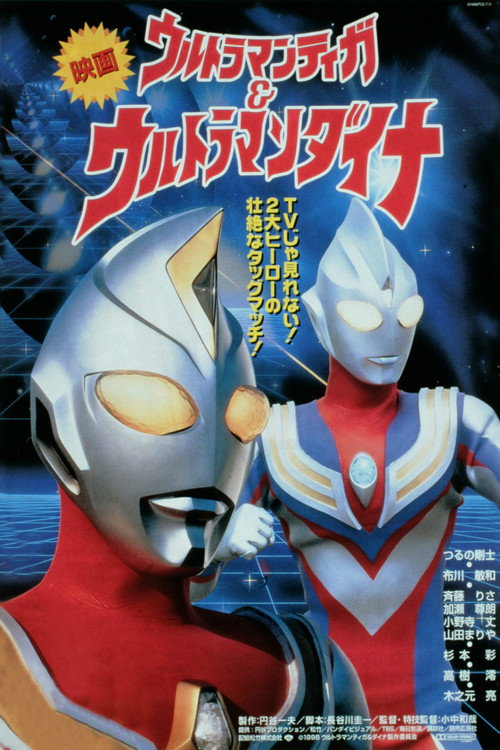
Ultraman Tiga & Ultraman Dyna: Warriors of the Star of Light1998
Japanese tokusatsu (special effects) at its most confident: bright, exciting, and genuinely moving. Proof the subgenre can handle real emotion without abandoning fun.
But The plot is thin and the drama feels earned rather than inevitable. It's shorter and more modest in scope than you might want.
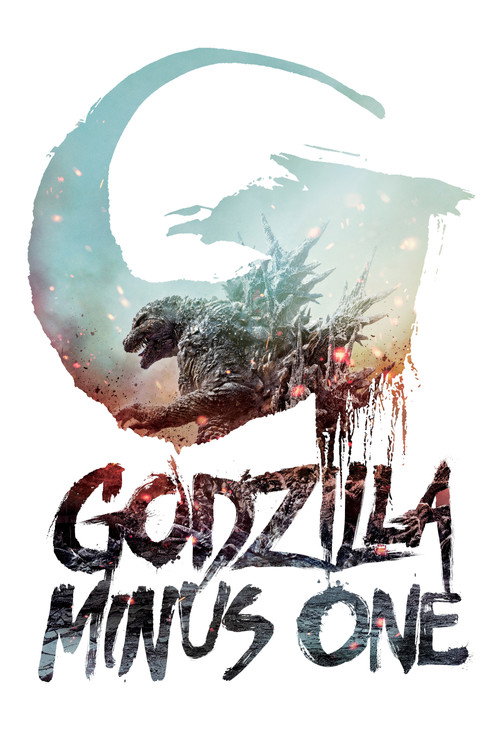
Godzilla Minus One2023
A masterclass in doing more with less: black-and-white, intimate scale, and a story about living with trauma rather than defeating it. Japan's answer to what kaiju cinema could still say.
But Deliberately restrained and slow. No world-ending spectacle, and the monster is used sparingly. Subtitles, and the pacing won't suit everyone.
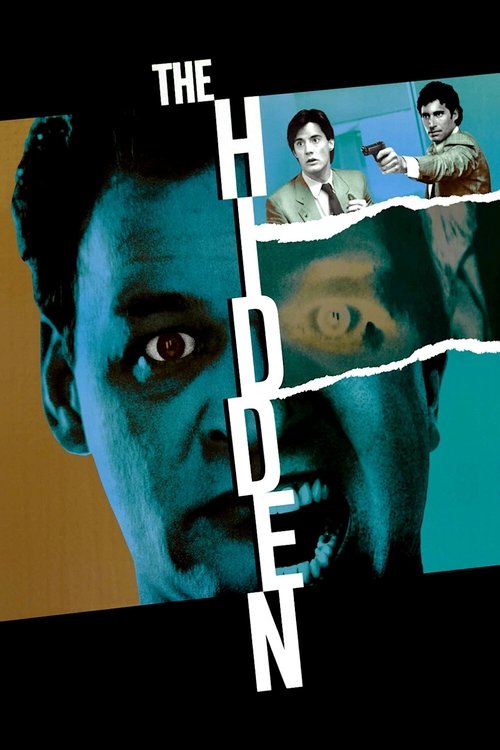
The Hidden1987
A sci-fi horror about an alien parasite that wants to control a host body, building genuine dread through paranoia and body horror. Perfectly paced and deeply unsettling.
But It's gruesome and nihilistic. There's no resolution that feels comforting, and the gore is not incidental.
Arrival2016
A film about communication across impossible difference, shot with restraint and intellectual seriousness. It's patient, beautiful, and arrives at genuine emotion through understanding rather than spectacle.
But It's cerebral and slow. Very little happens in the traditional sense. If you need action or quick plotting, look elsewhere.

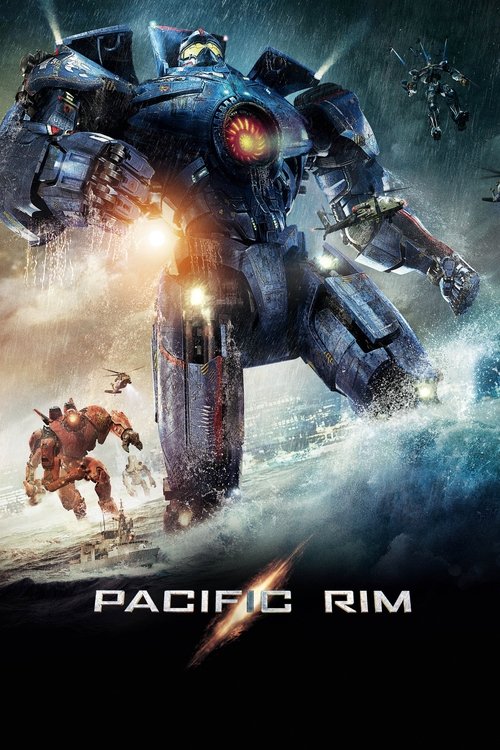
Pacific Rim2013
Giant robots fighting giant monsters with style and wit. It understands what's fun about the form and delivers it without irony or exhaustion.
But It prioritizes fun over meaning. The plot is thin, the dialogue often clumsy. It's loud and asks for your full attention but offers only surface-level pleasures.
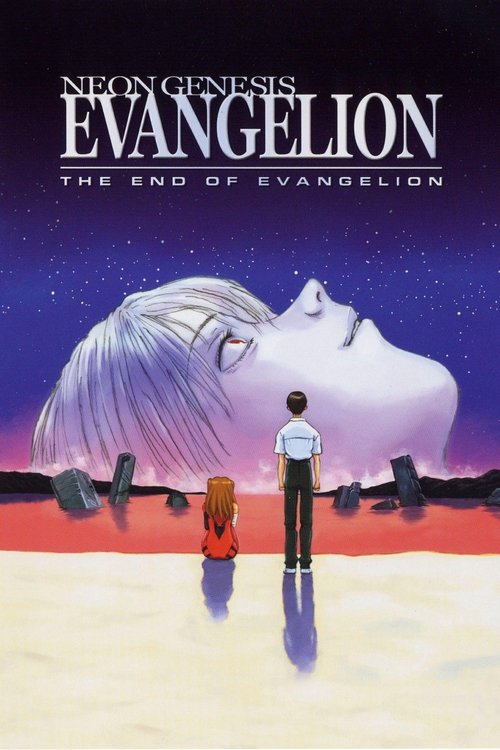
Neon Genesis Evangelion: The End of Evangelion1997
An anime that deconstructs giant-robot heroism by asking what it costs the children forced to save the world. Visually audacious and emotionally brutal, nothing like what you expect.
But It's deliberately abrasive and disturbing. The animation shifts into abstract and crude registers intentionally. Some viewers find it indulgent or unwatchable.
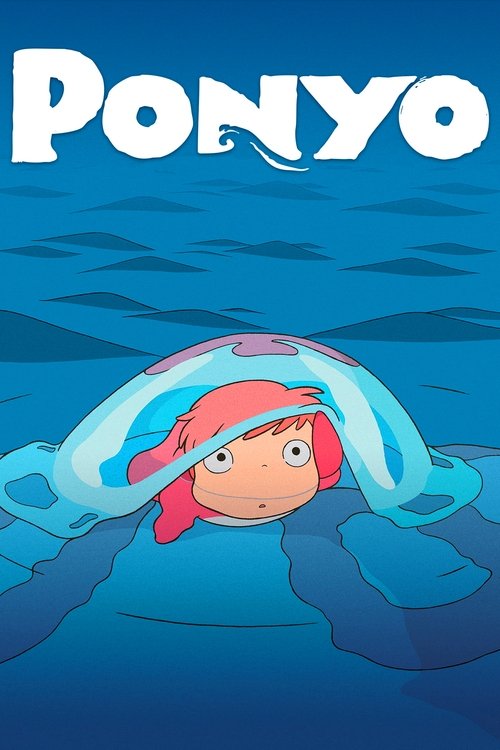
Ponyo2008
Gamera 3 uses a child as the conduit for catastrophe; Ponyo literalizes that idea. Both films are interested in what happens when innocence and destruction become indistinguishable.
Miyazaki's animated love letter to disaster and childhood, where a goldfish-girl brings the world to flood. It's visually rapturous and structurally fearless, treating apocalyptic chaos as something wondrous rather than terrible.
But It's a children's film with a non-linear script and dreamlike pacing. If you need clarity or traditional narrative momentum, it will frustrate you. The dubbed versions can feel thin.
Come and See1985
Both films use a young protagonist to meditate on systems of destruction that are too large for individual agency to stop. Both refuse sentiment and ask hard questions about protection and complicity.
A Soviet war film about a boy conscripted into combat during WWII. It's visually stunning and morally uncompromising—a film about the obliteration of innocence that finds nothing redemptive in suffering, only truth.
But It is extremely difficult to watch. Extended scenes of graphic violence, mutilation, and despair. Many viewers find it necessary but unwatchable. Not entertainment.

People
Cast
 Ai MaedaAyana Hirasaka
 Shinobu NakayamaDr. Mayumi Nagamine
 Aki MaedaYoung Ayana Hirasaka
 Ayako FujitaniAsagi Kusanagi
- Yû KoyamaTatsunari Moribe
 Nozomi AndoMiyuki Moribe
 Ito TakahiroSatoru Hirasaka
 Senri YamazakiMito Asakura
 Toru TezukaShinya Kurata
 Yukijiro HotaruTsutomu Osako
 Hirotaro HondaMasaaki Saito
 Kei HorieShigeki Hinohara
Directing
- Hideaki MurakamiAssistant Director
- Koji YamaguchiAssistant Director
- Shusuke KanekoDirector
Writing
- Kazunori ItoWriter
- Shusuke KanekoWriter
Production
- Miyuki NanriProducer
- Naoki SatoProducer
- Tsutomu TsuchikawaProducer
- Yasuyoshi TokumaProducer
Recommended by
Ultraman Tiga & Ultraman Dyna: Warriors of the Star of Light, The Invisibles