
Film
A Colt is My Passport
A stylish 1967 Japanese hitman film where a contract killer takes a job to eliminate a rival yakuza boss. It's lean, atmospheric, and visually inventive—all shadow, cigarette smoke, and moral emptiness. For anyone who loves crime cinema that trusts the image over exposition, and doesn't need their antiheroes to have feelings about what they do.
If you liked this
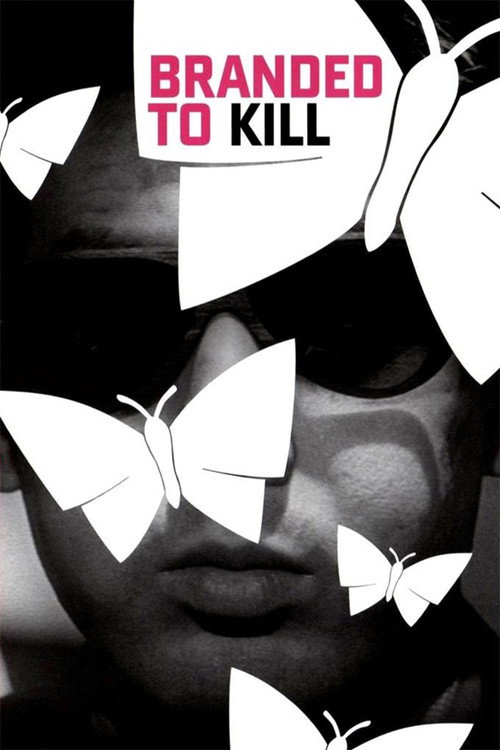
Branded to Kill1967
Seijun Suzuki's fever-dream yakuza picture—surreal, violent, and gorgeously composed. If you loved the visual language of A Colt Is My Passport, this pushes that style into dreamscape territory. A cult classic that justifies its reputation.
But Genuinely strange and non-linear; it doesn't explain itself or offer much plot. Some find it pretentious rather than visionary.
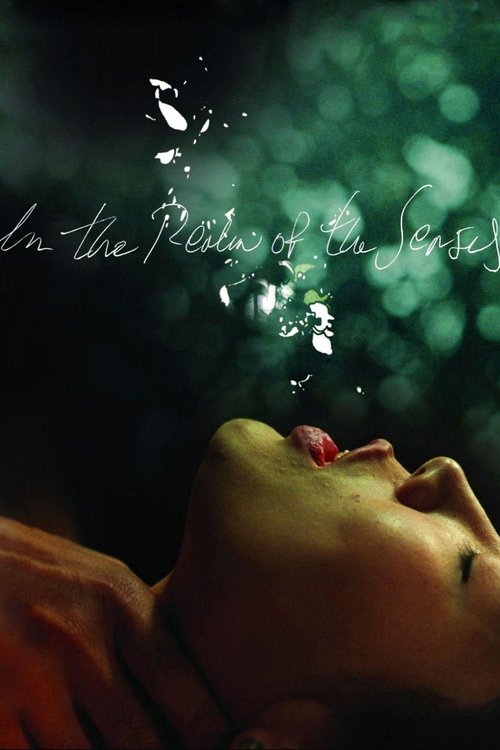
In the Realm of the Senses1976
Nagisa Oshima's unflinching portrait of obsession and transgression. Japanese cinema at its most daring and uncompromising—beautiful, disturbing, impossible to look away from. Takes the moral emptiness of yakuza cinema into intimate, erotic territory.
But Extremely explicit sexual content throughout. Banned in multiple countries. Not a film for background watching or mixed company.
Harakiri1962
Masaki Kobayashi's masterpiece about honor, duty, and systemic cruelty. Shot in black and white with compositions so precise they ache. It's yakuza cinema that breaks your heart rather than thrills you. Devastating and essential.
But Slow-burn tragedy with a runtime over two hours. Beautiful but bleak; not for evenings when you need catharsis or hope.

Not sure tonight? Get a pick in a minute, starting from A Colt is My Passport
The wildcard
Something you would not have found on your own.
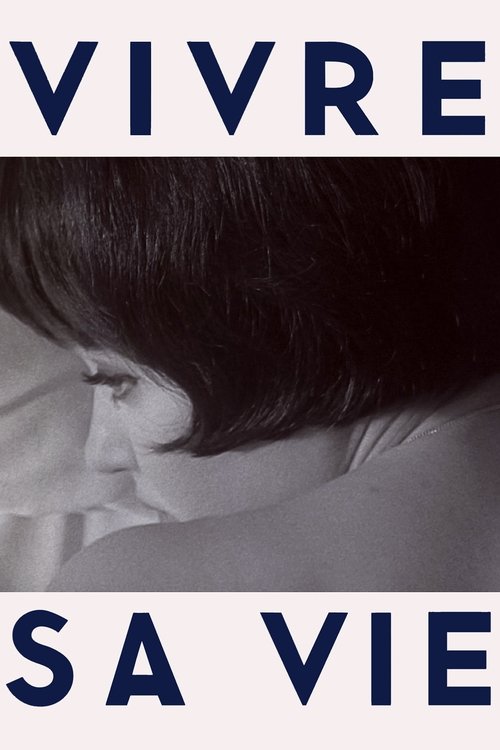
Vivre Sa Vie1962
Both strip away sentiment from transactions of the body. Both treat the protagonist as a hollow instrument moved by economic forces, not character. Both refuse the audience comfort.
Godard's essay-film about a woman selling her body in Paris—shot in stark, documentary-like segments. A hitman film inverted: instead of a cool professional, a person with no agency, no mystique, just circumstances. Same moral emptiness, opposite perspective. Radical formally and morally.
But Experimental, fragmented, more philosophy than narrative. No plot in any conventional sense. The closing minutes are genuinely harrowing in a way that requires patience to reach.
More like this (7)
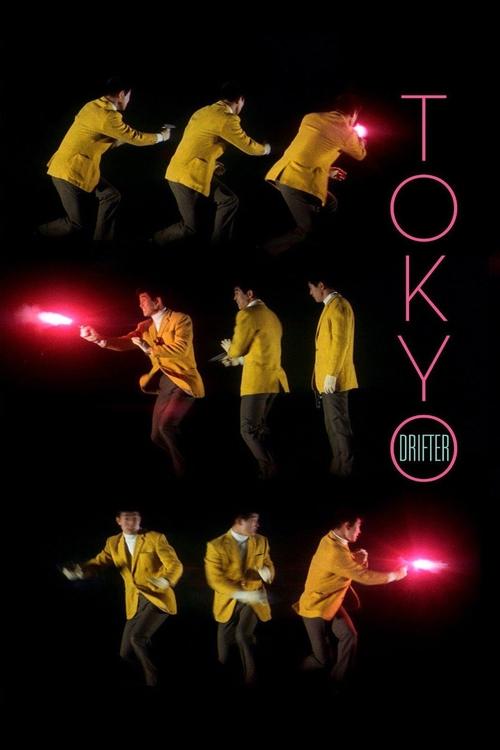
Tokyo Drifter1966
Seijun Suzuki again—a hitman picture that's pure style, pure color, pure mood. Light-footed where A Colt is heavy; playful where it's austere. The soundtrack, the mise-en-scène, the sheer joy of visual storytelling. Endlessly rewatchable.
But Plot takes a back seat to aesthetics. If you watch films for narrative momentum, you'll find it frustratingly slight.
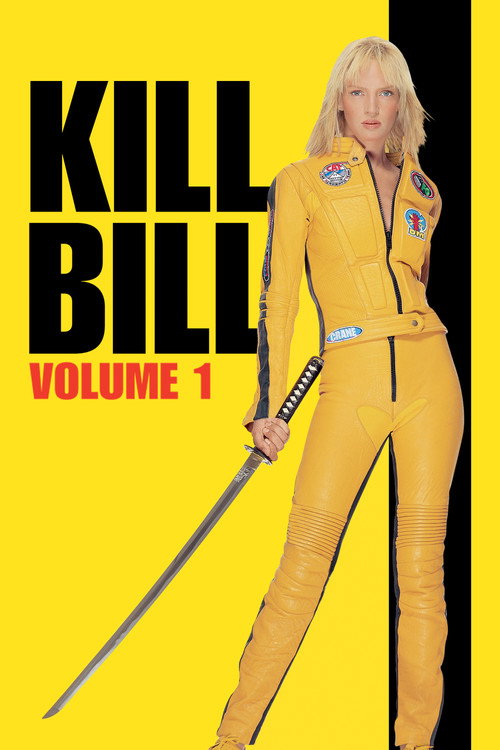
Kill Bill: Vol. 12003
Tarantino's love letter to 1960s Japanese action cinema—the visual grammar, the moral code, the aesthetic of violence. Specifically indebted to films like yours. If you love A Colt, you'll spot the references and feel the kinship immediately.
But Hyper-stylized to the point of excess. Three hours of borrowed ideas stitched together with a threadbare revenge plot. Some see homage, others see pastiche.
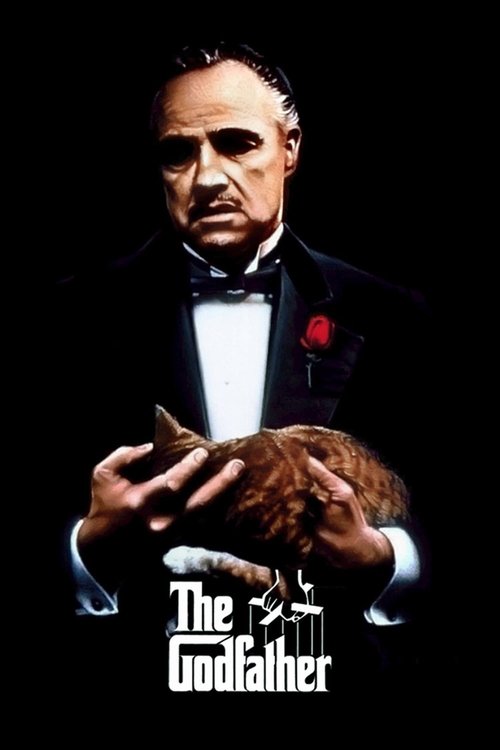
The Godfather1972
Coppola's crime epic is the Western world's answer to yakuza cinema—crime families, honor codes, moral corruption rendered as intimate tragedy. The architecture of power and its human cost. A masterpiece that shares your film's DNA.
But Over three hours and famously paced for patience. Also so famous it may feel like watching a monument rather than a living film.
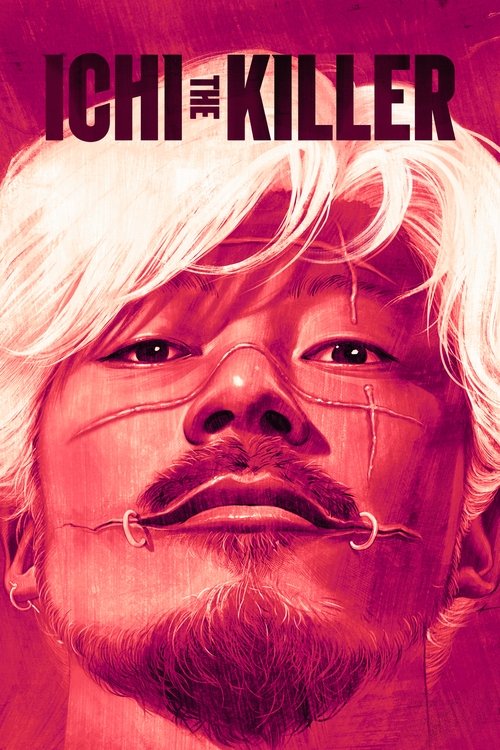
Ichi the Killer2001
Takashi Miike's extreme yakuza psychodrama. Visually inventive, morally nightmarish, and genuinely shocking. For viewers ready to go further than A Colt Is My Passport into the pathology beneath the cool surface of hitman stories.
But Brutal violence, sexual cruelty, and nihilism so thorough it borders on unwatchable. Not provocative in a fun way—genuinely disturbing.
Johnny Guitar1954
Nicholas Ray's Western is a hitman-and-code picture wearing a cowboy hat. Strange, sexual, formally adventurous. A reminder that your film's DNA—cool assassins, moral ambiguity, visual style over plot—predates the yakuza boom by a decade.
But Extremely odd. The gender politics are weird, the narrative is fractured, and it plays by no rules you'll recognize. Camp in the most serious way possible.

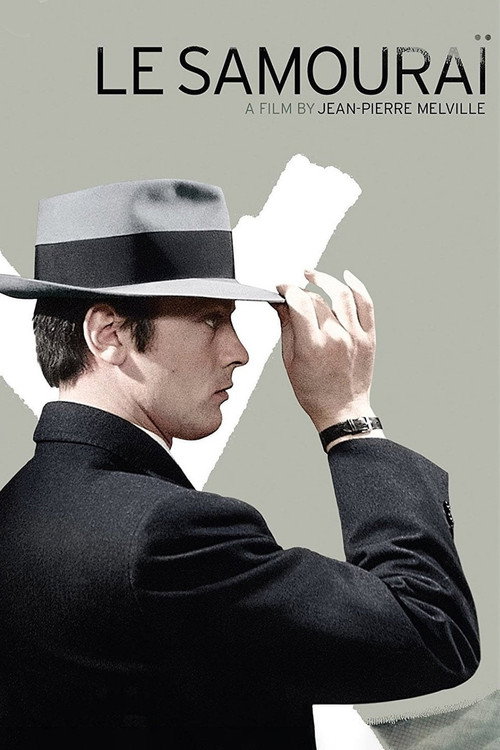
Le Samouraï1967
Melville's ice-cold Parisian hitman picture, released the same year as yours. Alain Delon as the ultimate contract killer—impassive, professional, utterly alone. A blueprint for how to make distance and silence feel like drama.
But Almost nothing happens; it's ninety minutes of a man's routine and the slow collapse of his cover. Glacial pacing that some find meditative, others find tedious.
The Killing1956
Both are about how professionals think: dehumanized, compartmentalized, all execution and no feeling. Both suggest that this clarity is both power and spiritual death.
Kubrick's racetrack heist picture—split timeline, multiple viewpoints, clinical precision. Not a hitman film, but structurally and morally identical to yours: a plan executed by professionals with no investment in outcome. The coldness you love, applied to robbery instead of murder.
But Fractured narrative can feel gimmicky. The actual robbery itself is surprisingly mundane; tension derives from structure, not stakes.

People
Cast
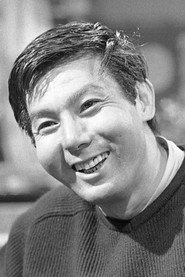 Joe ShishidoShuji Kamimura

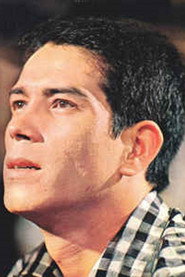 Jerry FujioShun Shiozaki
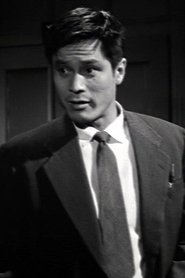 Shōki FukaeFunaki
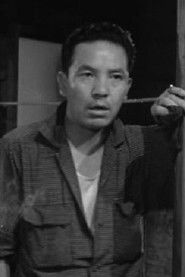 Zenji YamadaBarge captain
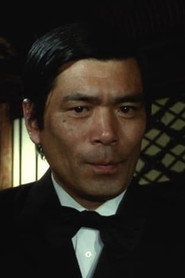 Eimei EsumiSenzaki
- Jun HongoKaneko
- Akio MiyabeMiyoshi
- Toyoko TakechiOtatsu
 Kōjirō KusanagiHit man
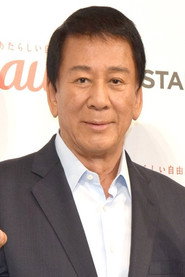 Ryotaro SugiSuccessor to Shimazu
 Takamaru SasakiOtawara
Directing
- Asao KuwayamaAssistant Director
- Takashi NomuraDirector
Writing
- Shinji FujiwaraNovel
- Hideichi NagaharaScreenplay
- Nobuo YamadaScreenplay
Production
- Masao UshiyamaExecutive In Charge Of Production
- Takeo YanagawaProducer