
Film
Chûshingura
The 1962 *Chûshingura* is an epic account of the forty-seven Ronin—masterless samurai bound by code to avenge their lord's forced death. Directed by Hiroshi Inagaki, it's a sprawling meditation on honour, loyalty, and the weight of duty that moves between intimate character moments and grand ceremonial sequences. Essential viewing for anyone who wants to understand samurai cinema from the inside.
Should you watch it?
Watch it if you love slow-burning historical epics where patient planning, political maneuvering and quiet humiliation build toward a single tense reckoning, the way a great courtroom drama does.
Skip it if you want brisk swordplay from the first scene, since the fights arrive late and the long stretches of court etiquette and scheming may feel like waiting for something to start.
What it asks of you: Over three and a half hours of unhurried black-and-white staging, with a deliberate pace and a lot of sitting still, so it rewards sustained attention more than quick reactions.
Not sure? Find tonight's pick in a minute.
If you liked this
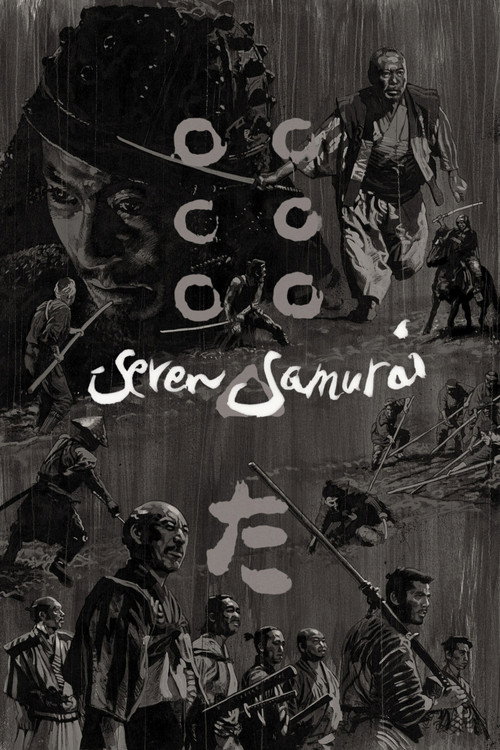
Seven Samurai1954
Kurosawa's masterpiece assembles warriors to defend a village—like *Chûshingura*, it builds character through action and asks what binds men together under pressure. Toshirō Mifune delivers one of cinema's great performances.
But Nearly four hours long, and the pacing shifts dramatically between sequences. The subtitles demand attention.
Harakiri1962
Released the same year as *Chûshingura*, this film inverts the samurai code by showing its cruelty and absurdity. A samurai's ritual suicide becomes an act of protest rather than honour. Electrifying and bleak.
But Deliberately punishing to watch. The formal style can feel cold, and there is real graphic violence tied to its argument.

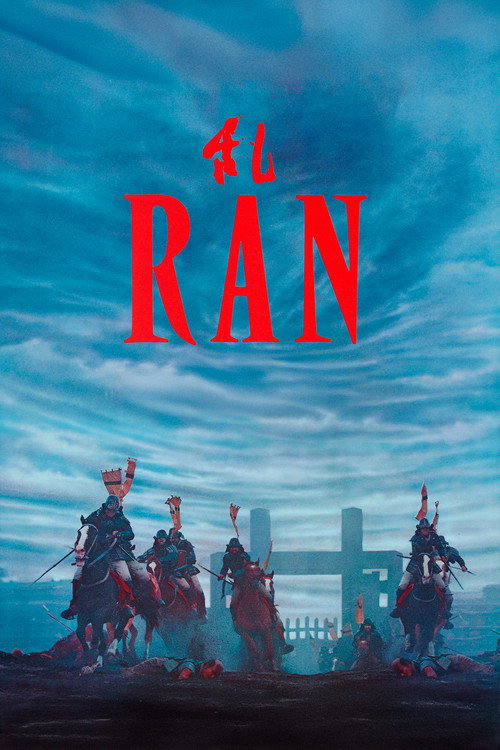
Ran1985
Kurosawa's final masterpiece applies the samurai ethic to King Lear, staging battles of operatic scale and colour. It shares *Chûshingura*'s concern with loyalty betrayed and the code that demands vengeance.
But Three and a half hours, and occasionally the narrative can feel distant. It's painterly above all—some prefer story to spectacle.
Not sure tonight? Get a pick in a minute, starting from Chûshingura
The wildcard
Something you would not have found on your own.
The Ballad of Little Jo1993
Both explore what it costs to live by a code that demands silence and constraint. Both are about people trapped by duty and honour in systems they did not make.
A woman in 1860s California passes as a man to survive frontier life. Like the ronin in *Chûshingura*, she is bound by a code—in her case, the fiction she maintains—and trapped by honour and circumstance. A wildly different film that shares the same moral architecture.
But A revisionist Western by an experimental filmmaker; it's deliberately modest and slow. Nothing explodes. If you want samurai action, this offers something quieter and stranger.

More like this (6)
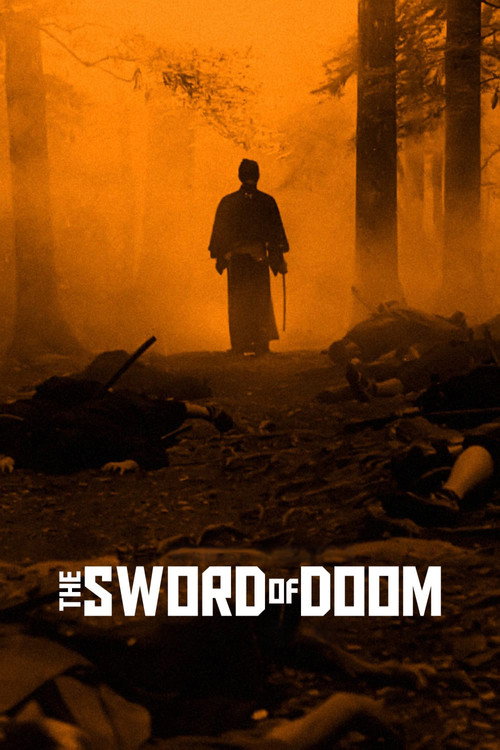
The Sword of Doom1966
Tatsuya Nakadai plays a mercenary samurai untethered from any code—a dark inversion of the ronin mythos. Philosophical, violent, and hypnotic, shot in stark black and white that makes every action linger.
But Slow-burn nihilism. If you're after honour and redemption, this will not provide comfort. The ending is deliberately unresolved.
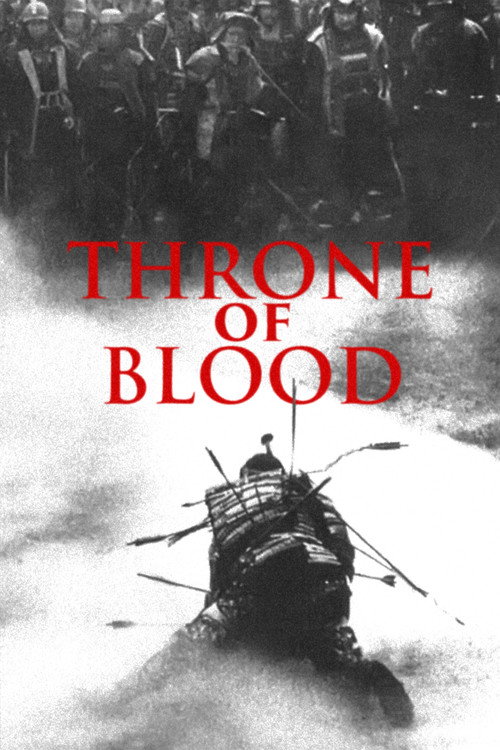
Throne of Blood1957
Kurosawa's Macbeth transplanted to feudal Japan, where ambition and prophecy drive a samurai warlord toward his doom. It shares the moral weight and fatalism of *Chûshingura* while inverting its themes.
But The symbolism is thick and deliberate. Some find it overwrought; others find it profound. The ending is devastating in a way that can feel punishing.
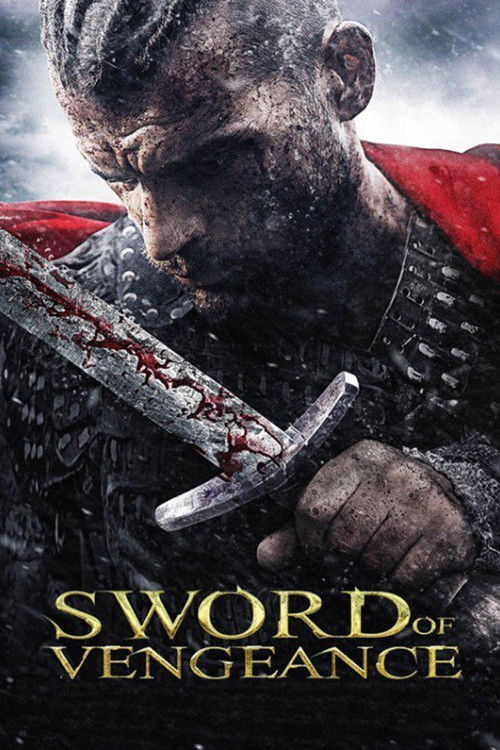
Sword of Vengeance2015
An earlier samurai revenge epic that prefigures the postwar obsession with the ronin story. It has rawer production values than *Chûshingura* but real emotional immediacy about codes of honour.
But Harder to find than the 1962 version. The print quality varies, and it's considerably less polished both technically and narratively.
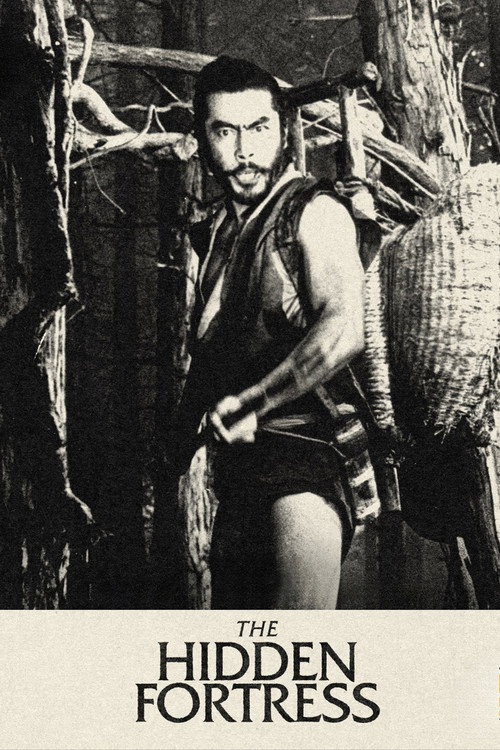
The Hidden Fortress1958
Kurosawa's adventure about a general protecting a princess through enemy territory. It has the samurai ethic, the ensemble dynamic, and the kinetic energy that runs through *Chûshingura*, but told as a romp.
But It's fundamentally lighter in tone than *Chûshingura*—almost a heist film. If you want gravity and consequence, this leans toward spectacle and humour.
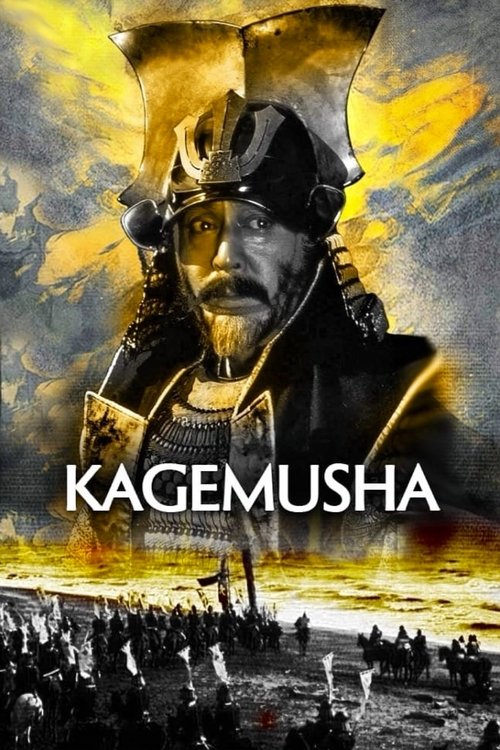
Kagemusha1980
Kurosawa's study of identity and duty: a peasant doubles for a warlord and finds himself bound by honour to a code he was born outside. A quieter meditation on *Chûshingura*'s central question: what does loyalty cost?
But Deliberately paced and painterly. Some find it remote and too focused on visual composition over dramatic momentum. It is not an action film despite its setting.
Come and See1985
Where *Chûshingura* asks what men will sacrifice for honour, *Come and See* asks whether honour survives contact with industrial warfare. Both are epics about young men bound by duty; one affirms the code, the other incinerates it.
Elem Klimov's devastating Soviet film follows a boy conscripted into war. It is *Chûshingura* inverted: instead of a code that elevates men to nobility, we watch how war annihilates everything—loyalty, honour, the capacity to feel. Unbearably powerful.
But This is one of the most difficult films ever made. It is relentlessly brutal, depicting rape, murder of children, and psychological destruction. Not to be watched casually. It requires preparation and recovery time.

People
Cast
 Matsumoto Hakuō IChamberlain Kuranosuke Oishi
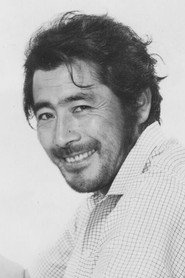 Toshirō MifuneGenba Tawaraboshi
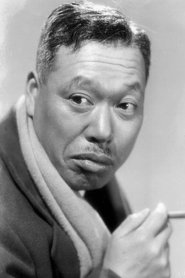 Takashi ShimuraHyobu Chishaka
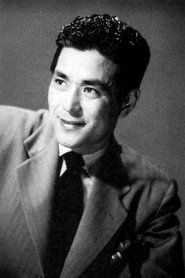 Tatsuya MihashiYasubei Horibe
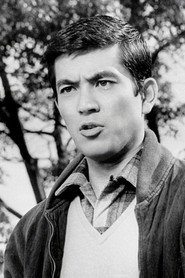 Yūzō KayamaLord Naganori Asano
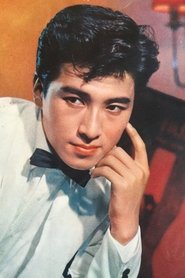 Akira TakaradaGunpei Takada
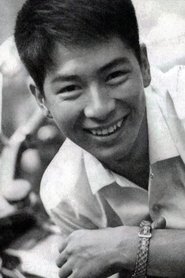 Yōsuke NatsukiKinemon Okano
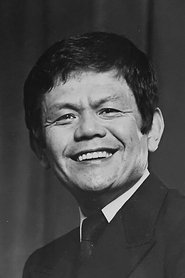 Makoto SatōKazuemon Fuwa
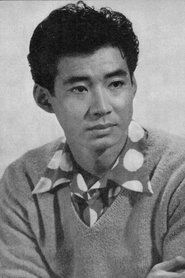 Tadao TakashimaJyujiro Kan
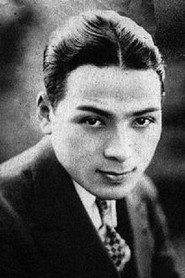 Seizaburō KawazuAsano Official
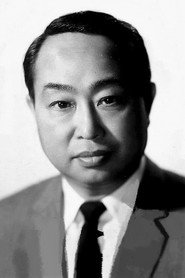 Daisuke KatōKichiemon Terasaka
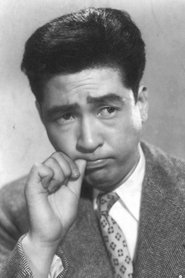 Keiju KobayashiAwajinokami Wakisake
Directing
- Teruo MaruAssistant Director
- Hiroshi InagakiDirector
Writing
- Toshio YasumiScreenplay
Production
- Hiroshi InagakiProducer
- Sanezumi FujimotoProducer
- Tomoyuki TanakaProducer